
Want help turning consistency into progress? Coaching keeps your training simple, structured, and sustainable.
Start Coaching →
Yellow elastic laces with locking toggle components used by triathletes for fast T2 transitions

Last updated:

Elastic Laces for Triathlon: What They Do and How to Use Them

Elastic laces — also called speed laces, quick laces, or no-tie laces — are one of the simplest and most cost-effective performance upgrades available to triathletes. They replace standard shoelaces with a stretchy cord or strip that allows you to slip your running shoes on in T2 without tying. Since transition time counts toward your overall finish, eliminating the 10–30 seconds it takes to tie shoes at T2 is a genuine time gain that requires almost no effort to implement.

This guide covers what elastic laces are, why they matter in triathlon, which distances they suit best, how to fit and use them correctly, the common mistakes to avoid, and when to stick with regular laces.

Chat with a SportCoaching coach

Not sure where to start with training?

Tell us your goal and schedule, and we’ll give you clear direction.

No obligation. Quick, practical advice.

Article Categories:

Explore our triathlon advice and tips for more helpful articles and resources.

Quick Answer

Yes — use elastic laces for triathlon racing. They save 10–30 seconds in T2, accommodate foot swelling on the run, and work well even with cold hands post-bike. Use them in your race shoes only — keep regular laces in training shoes. Install them slightly looser than feels right to allow for swelling.

What Are Elastic Laces?

Elastic laces replace the standard flat or round laces in your running shoes with a stretchy material — typically rubber, silicone, or elastic cord — that allows the shoe opening to expand when you push your foot in, then contracts to hold the shoe securely on your foot. A locking toggle or fixed clips hold the laces at the correct tension without tying.

The core mechanism is simple: instead of threading laces through eyelets and tying a knot, you install the elastic laces once at home (adjusting to the correct tension), then leave them in place for race day. In T2, you simply shove your foot in — the shoe stretches open, your foot enters, and the elastic contracts around your foot. No fumbling, no bunny ears, no lost seconds.

Common types used in triathlon:

Toggle/locking system (e.g. Lock Laces, Caterpy): A single elastic cord threaded through all eyelets, held at the correct tension by a small plastic or metal toggle. The toggle can be adjusted on the fly if needed. The most widely used type across the triathlon community.

Individual strip system (e.g. Suspense laces): Developed by Norwegian triathlon coach Mikal Iden and his wife, this newer design uses individual flat elastic strips — one per eyelet pair — rather than a single cord. Each strip can be a different length, allowing graduated tension across the foot. The flat profile distributes pressure more evenly across the top of the foot, which reduces hotspots on longer runs.

Dot/bead system (e.g. Yankz!, Caterpy): A cord with adjustable beads or dots that clip between eyelets. The dots can be spaced to provide different tensions at different parts of the foot — useful for runners with wide forefeet or high insteps who need more room at the front but a secure fit at the top.

Why Elastic Laces Matter in Triathlon

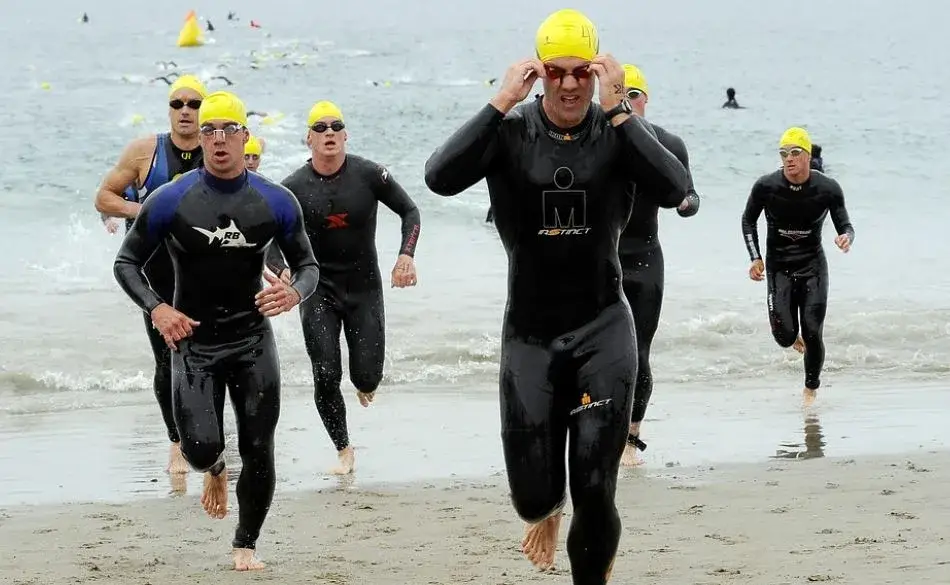
T2 is part of your finish time. Unlike road running, triathlon measures your overall time from race start to finish line — including both transitions. Time spent sitting in T2 tying laces is time added to your finish time directly. Depending on your speed, 15–20 seconds in T2 represents a meaningful gap — particularly at sprint and Olympic distance, where finishing positions can be separated by margins of seconds.

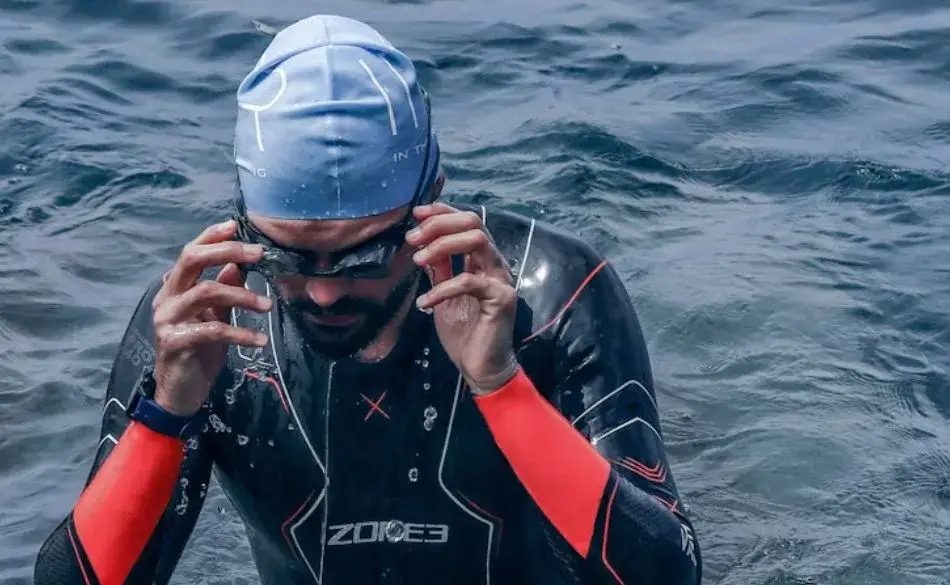
Cold, numb hands. After a long bike leg — particularly in cooler conditions or after an open-water swim in cold water — hands are often cold, stiff, and reduced in fine motor function. Tying regular laces under these conditions is significantly harder than it sounds. Many first-time triathletes are surprised by how much longer shoe-tying takes when fingers are numb. Elastic laces eliminate this problem entirely — the action of pushing a foot in is a gross motor movement that cold hands can manage easily.

Foot swelling accommodation. During long run legs — particularly at half Ironman and Ironman distance — feet swell. Regular laces tied to a specific tension at T2 become progressively tighter as the run continues, causing discomfort and potential blistering. Elastic laces stretch slightly as feet expand, maintaining comfort throughout a 21km or 42km run. This is arguably the most underappreciated benefit of elastic laces for long-distance triathletes.

Virtually universal among elites. Elite triathletes universally use elastic laces for racing. The few seconds saved in T2 matter enormously at the professional level where races are decided by margins of 1–30 seconds. For age-group athletes, the same logic applies — and elastic laces are one of the few “free” time savings available to any athlete regardless of fitness.

Elastic Laces by Triathlon Distance

👉 Swipe to view full table
DistanceElastic laces recommended?Socks at T2?Notes
Super sprintStrongly recommendedOptional (most skip)Every second has maximum impact on finish position
SprintStrongly recommendedOptional (most skip)Common to run sockless; elastic laces essential for fast T2
OlympicStrongly recommendedOptionalTime saving significant; 10K run comfortable sockless for most
Half Ironman (70.3)RecommendedYes — use talcFoot swelling benefit important; socks essential for 21km run
Full Ironman (140.6)Useful but less criticalYes — essentialExtra 30–60s for socks/laces negligible over 8–14hr race

For sprint and Olympic distance triathlon, elastic laces are one of the clearest no-brainer upgrades available. For half Ironman, they remain a good choice with a proper sock strategy. For full Ironman, the time saving is less impactful relative to total race duration — though foot swelling accommodation still makes them worth considering. Our half Ironman distance guide and full Ironman distance guide cover the transition cut-offs and race day logistics relevant to each distance.

How to Fit Elastic Laces Correctly

Correct fitting is what separates a comfortable race day from a blistered one. Most problems with elastic laces come from incorrect tension — either too tight (foot feels constricted, toe box restricted) or too loose (heel lifts, shoe feels unstable).

Step 1 — Thread the laces. Remove your standard laces completely. Thread the elastic lace through all eyelets in the same pattern as your regular laces — straight across or cross-laced depending on your shoe. With individual strip systems (like Suspense), thread one strip through each eyelet pair from bottom to top.

Step 2 — Set the tension wearing race socks. Put on the socks you’ll wear on race day (if you’ll wear any). Then put your foot in the shoe with the elastic laces at a relaxed tension. Tighten the toggle until the shoe feels secure but not tight — the standard instruction is to install them slightly looser than feels comfortable when standing still. Feet swell during running, so what feels right at T2 will become too tight by kilometre 15 of a half marathon run.

Step 3 — Cut and secure the excess. Trim the excess lace beyond the toggle and secure the ends with the provided clip or heat-shrink. Tuck excess under the tongue of the shoe so it doesn’t flap.

Step 4 — Practice entry. Practice slipping your foot in and out several times. The entry should require no more than a brief push — if you have to wrestle your foot in, the tension is too tight. If your heel lifts more than a millimetre, the tension is too loose.

The most common installation mistake: Setting the tension with bare feet, then racing in socks. Socks add volume to the foot. Install the tension with the exact socks you’ll wear on race day — or with no socks if you’re racing sockless. A lace set perfectly for bare feet will be too tight with socks on.

Elastic Laces and Socks: The T2 Strategy

Whether to wear socks in triathlon depends on distance, personal preference, and susceptibility to blistering. The sock decision directly affects how you set up elastic laces.

No socks (sprint and Olympic): Most competitive sprint and Olympic-distance triathletes race without socks for maximum speed. Pre-apply anti-chafe lubricant to the heel and toe box areas. Set elastic lace tension for bare feet. Sprinkle a small amount of foot powder (talcum powder) inside the shoe at transition setup — this absorbs residual moisture from the swim/bike and reduces friction against bare skin.

Socks (70.3 and Ironman): For runs of 21km and beyond, socks are strongly recommended to prevent blistering. Sprinkle talc inside each sock before race morning and place the sock already inside the shoe at your transition area — roll the sock opening outward so you can pull it on quickly over your foot without fumbling. This is one of the most effective T2 time-saving techniques at longer distances. Set elastic lace tension fitted over the socks you’ll wear.

Elastic Laces in Training: When to Use Them

The clear consensus among coaches and podiatrists is that elastic laces should be reserved for race-day shoes, not everyday training shoes. The reasons are biomechanical: regular running shoes are designed to work with standard laces that hold the foot securely throughout the gait cycle. Elastic laces allow a small degree of forward foot movement on each stride — the laces stretch slightly on footstrike. Over a single race this is inconsequential, but over weeks of training runs it can alter foot position inside the shoe and increase injury risk, particularly at the heel and Achilles.

The practical approach is to maintain two setups:

Training shoes: Standard laces, fitted correctly for your foot shape and training needs. Used for all regular running sessions — easy runs, long runs, tempo, and intervals.

Race shoes: Elastic laces, permanently installed at the correct race-day tension. Used for race day and for a small number of T2 practice runs before the event to confirm fit and entry technique.

Practice the T2 shoe-entry movement at least 2–3 times before race day — ideally during a brick session (bike immediately followed by run) so you’re practising the entry with legs that feel like they do coming off the bike. Never use elastic laces for the first time on race day. Our half Ironman training plans and Ironman training plans include brick sessions where this can be practised in race-realistic conditions.

Setting Up Your T2 Transition Area

Elastic laces are one element of a faster T2 — they work best when combined with a well-organised transition setup.

Shoes open and ready. Place your running shoes with the tongue pulled back and the heel counter open, pointing toward the mount line so you can step directly into them. Some athletes place a small plastic heel guide inside the shoe to prevent the heel counter collapsing during entry.

Elastic laces pre-tensioned. Install at the correct tension the night before the race. Don’t adjust on race morning unless something has changed significantly.

Socks inside shoes. If wearing socks, pre-place them inside the shoes with the opening rolled outward. Sprinkle talc inside both for easy entry with damp feet.

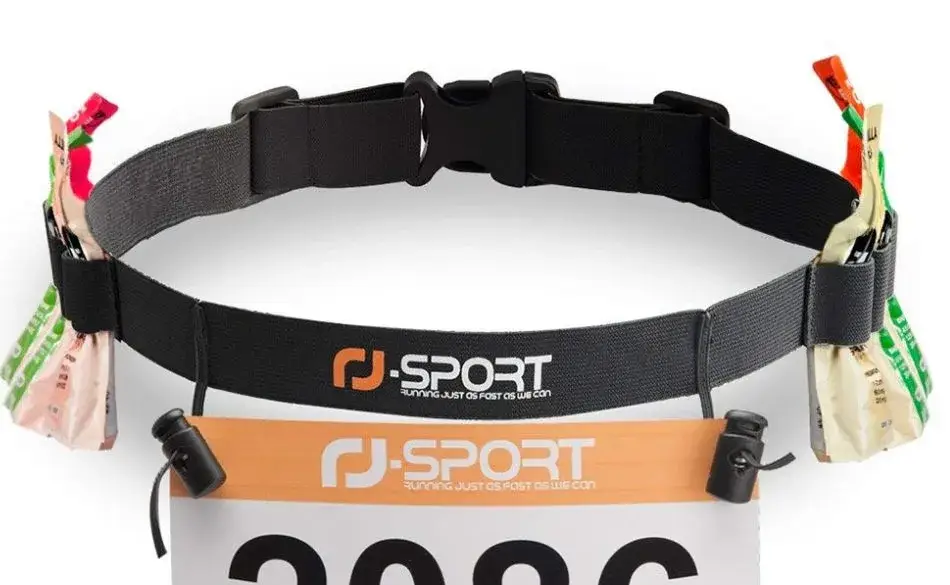
Race number and nutrition ready. Your race number belt and any run nutrition should be alongside the shoes — not requiring a search through the transition bag mid-T2. Pre-load gels into a small zip-lock bag so you can grab them in one movement and pocket them as you run out. Our triathlon nutrition guides cover race-day fuelling strategies for each distance, including what to carry on the run.

Practise the route. Before race day, walk the T2 route — from bike rack to shoe location to run exit — and count landmarks or rows. Under adrenaline, simple navigation becomes harder. Knowing exactly where to go prevents the time lost from disorientation in a crowded transition area. Find your next race through our triathlon event calendar covering events across Australia and New Zealand at all distances.

Elastic Laces: Pros and Cons for Triathletes

👉 Swipe to view full table
ProsCons
Saves 10–30 seconds in T2Less support than regular laces
Works with cold/numb handsSlight forward foot movement on each stride
Accommodates foot swelling on long runsIncorrect tension can cause blistering or instability
Inexpensive (typically $10–20 AUD)Needs practice before race day
Used by virtually all elite triathletesNot suitable for regular training use
Available in reflective versions for visibilityCan wear out and require replacement
Accommodates foot shape variation better than tight regular lacesSome types create pressure points if fitted incorrectly

Train Smarter for Race Day

SportCoaching's triathlon training plans include structured brick sessions and transition practice — so the T2 execution that includes elastic laces becomes second nature before you race. Available from sprint through to full Ironman.

FAQ: Elastic Laces for Triathlon

Should triathletes use elastic laces?
Yes — for racing. They save 10–30 seconds in T2, work with cold hands, and accommodate foot swelling on long run legs. Used by virtually all elite triathletes. Keep them in race shoes only — use regular laces in training shoes.

How do elastic laces work in triathlon?
A stretchy cord or strip replaces regular laces. A toggle or clip holds the correct tension. In T2, push your foot in — the elastic stretches to allow entry, then contracts to hold the shoe. No tying required. Install at correct tension before race day and leave in place.

Are elastic laces better for Ironman or sprint triathlon?
Most impactful at sprint and Olympic distance where seconds have the greatest proportional effect. Still beneficial at 70.3. Less time-critical at full Ironman, though foot swelling accommodation is arguably more important at longer distances. At Ironman, prioritise socks and correct fit over pure transition speed.

Can you train in elastic laces?
Not recommended for regular training. They provide less support and allow slight forward foot movement that can cause biomechanical issues over many kilometres. Keep elastic laces in race shoes only. Practice T2 entry a few times before race day to confirm fit, but don’t make them your everyday training setup.

What is the most common mistake with elastic laces?
Installing too tight. Feet swell during racing — particularly on long run legs. Install slightly looser than feels right at rest. Also: never use elastic laces for the first time on race day — always practice beforehand to confirm tension and entry technique.

Find Your Next Triathlon Race

Ready to put your training to the test? Here are some upcoming triathlon events matched to this article.

Graeme - Head Coach and Founder of SportCoaching

Graeme

Head Coach & Founder, SportCoaching

Graeme is the founder of SportCoaching and has coached more than 750 athletes from 20 countries, from beginners to Olympians, in cycling, running, triathlon, mountain biking, boxing, and skiing. His coaching philosophy and methods form the foundation of SportCoaching's training programs and resources.

750+
Athletes
20+
Countries
7
Sports
Olympic
Level

Start Your Fitness Journey with SportCoaching

No matter your goals, SportCoaching offers tailored training plans to suit your needs. Whether you’re preparing for a race, tackling long distances, or simply improving your fitness, our expert coaches provide structured guidance to help you reach your full potential.

  • Custom Training Plans: Designed to match your fitness level and goals.
  • Expert Coaching: Work with experienced coaches who understand endurance training.
  • Performance Monitoring: Track progress and adjust your plan for maximum improvement.
  • Flexible Coaching Options: Online and in-person coaching for all levels of athletes.
Learn More →

Choose Your Next Event

Browse upcoming Australian running, cycling, and triathlon events in one place. Filter by sport, check dates quickly, and plan your training around something real on the calendar.

View Event Calendar