1. Long Aerobic Ride With Controlled Intensity
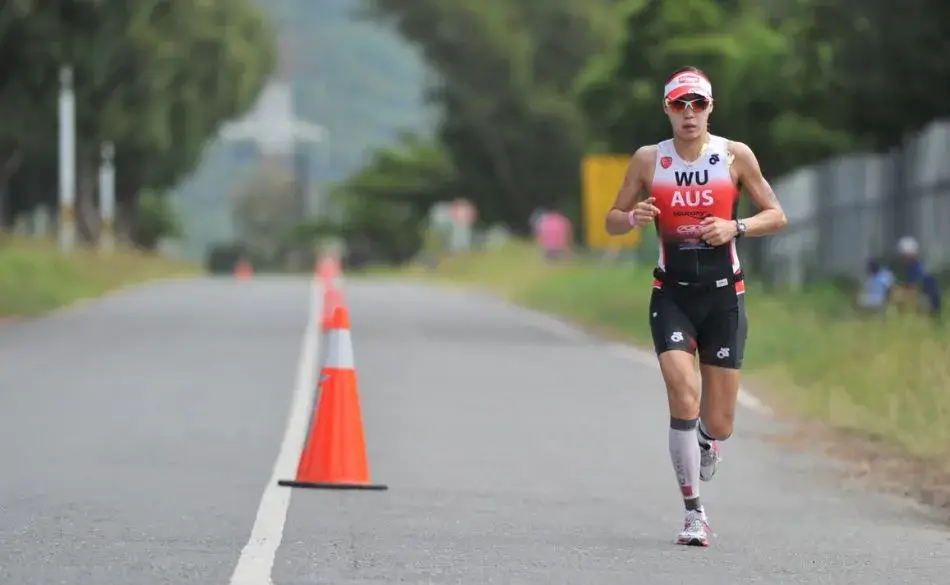
The long ride sits at the centre of Ironman preparation, yet its role is often misunderstood. Rather than pushing physical limits, this session is designed to develop aerobic durability and improve how efficiently you can produce steady power for several hours. When intensity is managed appropriately, the long ride becomes a foundation session that supports the entire race day, including how well you can run afterward. This approach is typically reflected in well-structured Ironman triathlon training plans, where endurance and recovery are balanced across the week.
In practice, most long rides should remain below threshold, in a steady aerobic range where breathing stays controlled and effort feels sustainable. This matters because accumulating time at this intensity allows volume to increase without excessive stress on the nervous system or musculoskeletal system. Over time, these rides improve fatigue resistance and fuel efficiency, both of which are critical in long-course racing. Importantly, these adaptations occur most reliably when effort stays even rather than fluctuating throughout the ride.
However, this is where many athletes drift off course. Intensity often creeps upward late in the ride, particularly on hills or during the final hour. Chasing average power or treating the session as a confidence test adds fatigue without adding race-specific benefit. While occasional controlled efforts have a place, repeated overreaching during long rides typically reduces training quality later in the week and extends recovery needs.
As fitness develops, structure can be layered into the session. Most commonly, this involves sustained blocks at planned Ironman race intensity, often placed in the second half of the ride. These segments reinforce pacing discipline and provide a practical opportunity to assess nutrition and hydration under realistic conditions. The goal remains unchanged: finish the ride feeling worked but stable rather than depleted.
In one coaching case, an athlete struggled to maintain form late in long runs despite adequate run volume. On review, his long rides were consistently exceeding target intensity in the final hour. Once those rides were brought back under control, run consistency improved without increasing overall training load.


2. Long Continuous Swim With Technique Control
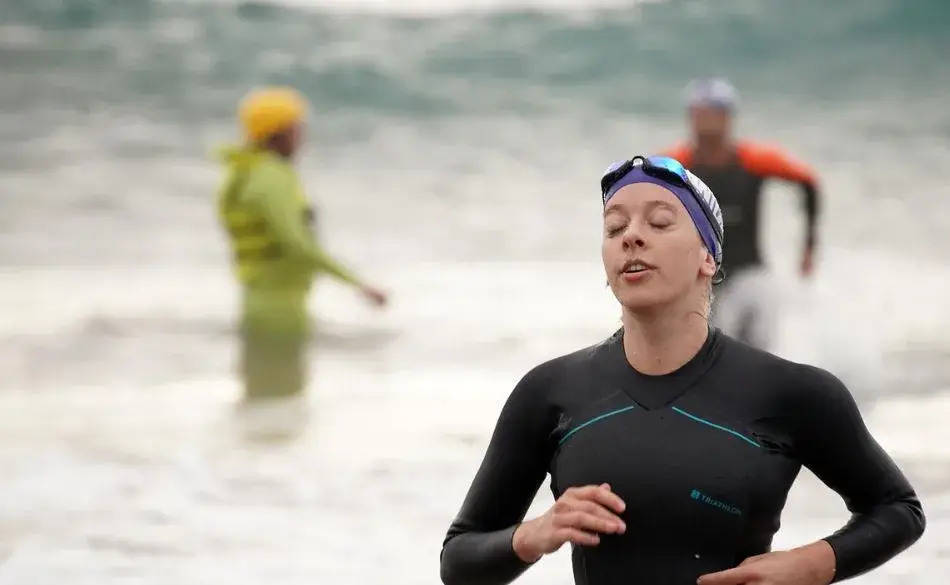
While the bike and run tend to receive most of the planning attention, the swim is often the least specifically prepared discipline for a full-distance triathlon. Many athletes swim regularly, yet sessions frequently drift away from the continuous demands of race day. This is where the long continuous swim plays an important role, helping build swim-specific endurance while reinforcing technique under sustained, low-to-moderate fatigue. Given the length of the Ironman swim distance, learning to hold form without interruption becomes especially important.
For many Ironman athletes, this session typically ranges from 60 to 90 minutes, depending on swim background, experience, and overall weekly volume. The intensity should remain controlled, at an effort that allows steady breathing and a consistent stroke rhythm. This approach mirrors open-water racing conditions, where uninterrupted movement and composure matter more than short bursts of speed.
What makes this workout particularly valuable is the combination of duration and restraint. As the session progresses, small technique changes often emerge, such as a reduced catch, shortened stroke length, or a gradual increase in stroke rate. Rather than responding by pushing harder, the focus is on recognising these changes and correcting them while keeping effort stable. Over time, this improves efficiency and helps lower the relative energy cost of swimming at race-appropriate intensity.
That said, many athletes unintentionally shift this session away from its purpose. Breaking the swim into short repeats with frequent rest, or increasing intensity simply to finish sooner, alters the training stimulus. While those formats have their place elsewhere in the program, the adaptations needed for Ironman swimming rely on continuity and controlled effort rather than intensity variation.
As preparation progresses, light structure can be layered in without disrupting flow. This may involve alternating steady segments with brief technique checkpoints, such as monitoring stroke count or maintaining controlled exhalation. The goal is to stay mentally engaged while preserving the uninterrupted nature of the swim.
In practice, I’ve seen this session help athletes who previously exited the water feeling rushed or breathless. With consistent exposure to longer continuous swims, they learned to manage effort and technique more effectively, arriving at T1 calmer and less fatigued.


3. Long Run With Controlled Fatigue
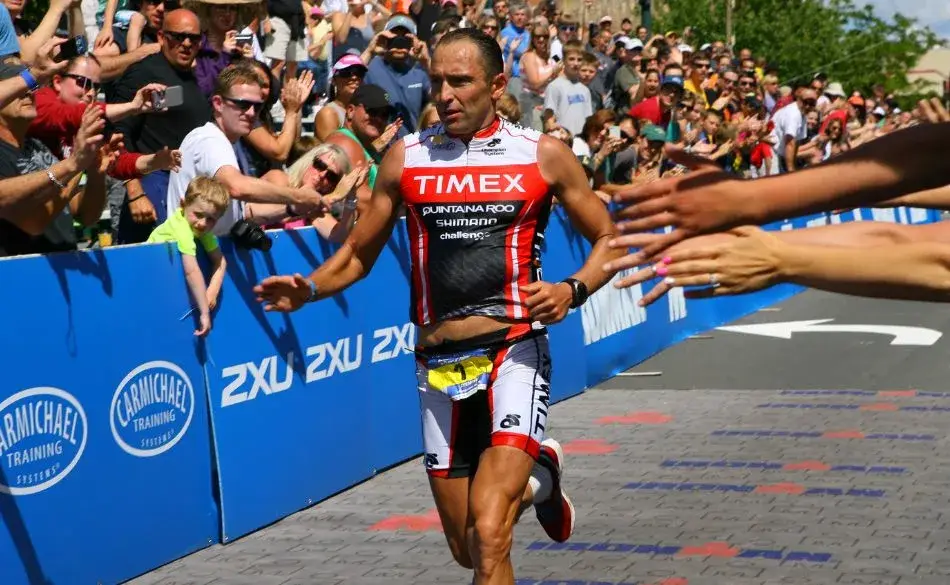
If the long ride develops the aerobic engine for Ironman racing, the long run builds the ability to manage that engine under sustained load. This session is less about pace and more about durability. Its primary role is to prepare muscles, connective tissue, and neuromuscular control to tolerate extended running without accumulating unnecessary fatigue.
In practice, most Ironman athletes benefit from keeping the long run at a controlled aerobic intensity. Effort should feel steady and sustainable, with breathing largely under control and pace guided by perceived effort rather than a fixed speed. This matters because running places higher mechanical stress on the body than swimming or cycling. When intensity creeps too high, injury risk and recovery time increase without delivering meaningful endurance gains.
Early in a training build, long runs often sit in the 60–90 minute range. As durability improves, they can gradually extend toward 2-2.5 hours, and in some cases slightly beyond for experienced, resilient athletes. Even so, more time does not automatically mean better preparation. The most reliable gains come from repeating manageable long runs week after week rather than from occasional extreme sessions that disrupt recovery.
This is where many athletes run into trouble. Intensity often drifts into a moderate or “comfortably hard” range, particularly in the final third of the run. While this can feel productive, it typically increases muscle damage and delays recovery, which then affects the quality of training that follows. Given that Ironman marathons are usually run well below threshold, training long runs should reflect that same controlled approach.
As preparation advances, small amounts of structure can be layered in without changing the purpose of the session. This may include brief segments at planned Ironman marathon effort or a conscious focus on maintaining form and cadence as fatigue builds. The emphasis remains on control rather than pace chasing.
In my coaching work, I’ve seen athletes fade late in the Ironman marathon despite solid weekly run volume. In many cases, their long runs were simply too hard. Once intensity was reduced, recovery improved and race-day pacing became more stable.


4. Long Bike–Run Brick for Race-Specific Fatigue Management
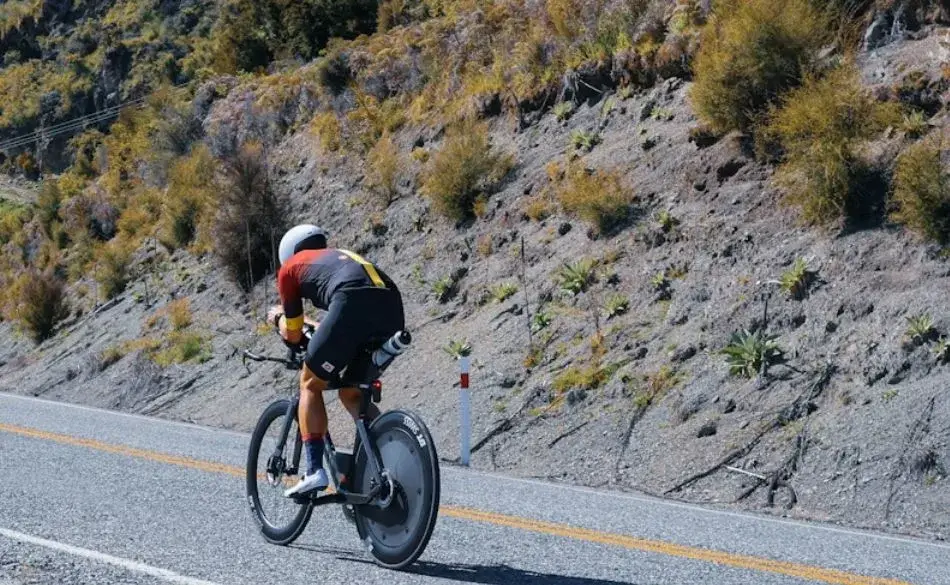
While long rides and long runs build endurance independently, the long bike–run brick brings those elements together under fatigue. Rather than targeting speed, this session helps prepare your body and pacing judgement for the transition from prolonged cycling to running in a race-specific context.
In most cases, a long brick includes a steady endurance ride followed immediately by a short to moderate run. The bike portion typically mirrors a long aerobic ride, with controlled intensity and, later in the build, sustained segments at planned Ironman race effort. At this point, consistency matters more than output. Variability on the bike increases overall stress and often magnifies fatigue once you start running.
Once on the run, the approach should remain deliberately restrained. Early sensations commonly include heavy legs, reduced coordination, and a temporarily elevated heart rate. Rather than forcing pace, the aim is to allow rhythm to return while maintaining relaxed form. Over time, this helps reinforce neuromuscular adaptation and pacing discipline that carry into the Ironman marathon.
This is also where intent can drift. A common error is turning brick runs into tempo efforts to “practice running fast off the bike.” While shorter, higher-intensity bricks have a place elsewhere in training, long bricks serve a different role. Excessive intensity increases recovery cost without improving race-day durability.
As preparation progresses, structure can become more specific without changing the session’s purpose. Longer race-intensity segments late in the ride, followed by a controlled run focused on form, are often effective. Nutrition and hydration should also be treated as part of the workout, as bricks frequently expose fueling issues.
Used sparingly, typically every two to three weeks, the long bike–run brick builds confidence, coordination, and fatigue management, helping ensure endurance gained in training carries through from bike to run on race day.

5. Race-Pace Endurance Session to Anchor Intensity Control
By this stage of an Ironman build, most athletes have accumulated sufficient training volume. What is often missing, however, is precision. The race-pace endurance session exists to anchor intensity so that long training hours translate into controlled, repeatable execution on race day. Rather than pushing limits, this workout teaches you how sustainable effort feels when it is held for extended periods.
Although Ironman race pace sits well below threshold, it remains demanding over time. Many athletes find it difficult to hold consistently, particularly as fatigue builds or terrain changes. Without clear feedback, effort often drifts upward. A dedicated race-pace session helps counter this tendency by providing repeated exposure to the intensity you intend to hold for most of the bike leg and the early stages of the run.
This session can be applied across disciplines, though it is most commonly used on the bike and, to a lesser extent, on the run. The structure is intentionally simple: extended, uninterrupted time at planned Ironman intensity, supported by a controlled warm-up and a short cool-down. Here, the focus shifts away from exact numbers and toward stability. Breathing, muscle tension, and perceived exertion should remain even rather than gradually escalating.
One of the practical benefits of this workout is calibration. Athletes often discover that their assumed race pace is either too aggressive or unnecessarily conservative. By repeating this session under controlled conditions, pacing judgement becomes more refined and decision-making demands on race day are reduced. Over time, the effort feels familiar rather than uncertain.
The table below offers a practical comparison between easy endurance training and Ironman race-pace work. It highlights why race-pace sessions deserve a distinct place alongside lower-intensity endurance work and higher-intensity training.
👉 Swipe to view full table
| Category | Easy Endurance | Ironman Race Pace |
|---|---|---|
| Primary Purpose | Build aerobic base and support recovery between harder sessions. | Develop pacing control and race-specific durability. |
| Perceived Effort | Comfortable and conversational with minimal concentration required. | Steady and controlled, requiring focus but not strain. |
| Physiological Stress | Low to moderate, allowing frequent repetition. | Moderate and sustainable when pacing and fueling are appropriate. |
| Common Errors | Letting pace drift too slow to remain race-relevant. | Allowing intensity to creep toward threshold late in the session. |
| Best Placement | Between key workouts or during lighter training days. | Once weekly or fortnightly within longer sessions. |
| Race-Day Impact | Supports overall endurance but does not define execution. | Directly improves pacing confidence and late-race stability. |
When used appropriately, race-pace endurance sessions reduce guesswork. They help you arrive at the start line with a clearer understanding of what “steady” actually feels like, which in turn lowers the risk of early overexertion and late-race fatigue.
For context, even the fastest Ironman triathlon times are built on highly controlled pacing rather than sustained high-intensity effort, reinforcing the importance of restraint over the full distance.


6. Recovery-Weighted “Quality Mid-Week” Session to Build Consistency
As an Ironman build progresses, accumulated fatigue often becomes a bigger limiter than motivation. For this reason, one of the most valuable sessions in the week is not the longest or the hardest, but the one that helps training remain consistent when recovery capacity is limited. This principle aligns closely with broader guidance on how often to train for a triathlon, where sustainable frequency tends to matter more than occasional high-stress sessions. A recovery-weighted mid-week quality session fills this role by delivering a clear stimulus without creating excessive fatigue.
In most cases, this session is best placed 48–72 hours after a long ride or long brick. At this point, some residual fatigue may remain, but overall function has largely returned. The goal is controlled quality: enough intensity to maintain aerobic strength and efficiency, without compromising the next key workout. For many athletes, sub-threshold work on the bike is the most reliable option, as it provides aerobic stimulus with relatively low mechanical stress compared to faster running.
A typical structure is a 75–90 minute ride with 2–3 blocks of 15–20 minutes at a steady, controlled effort below threshold, separated by easy riding. The effort should feel sustainable and repeatable from week to week, with the session finishing controlled rather than draining. For some athletes, a shorter run with brief segments at planned Ironman marathon effort can serve a similar purpose, although this requires careful management due to higher impact forces.
The most common mistake is turning this session into a test. Chasing power, pushing intensity too high, or adding unnecessary volume increases recovery demands without improving long-term adaptation. The real value lies in completing the session well and remaining fresh enough to execute the following long workouts.
Used once per week, this session supports consistency, aerobic strength, and pacing awareness. It acts as a stabilising element in the program, helping you absorb larger sessions while reducing the risk of accumulating fatigue that leads to missed or compromised training.


What the Fastest Ironman Time Really Means for Most Athletes
Preparing for a full-distance triathlon does not require endless variety or extreme training days. Instead, it relies on selecting the right sessions, placing them thoughtfully, and repeating them often enough for adaptation to occur. The six workouts outlined in this article address the core demands of Ironman racing: aerobic durability, pacing control, fatigue management, and long-term consistency. Each session has a clear purpose, and none depend on pushing to exhaustion to be effective.
When these workouts are balanced correctly, they support one another rather than competing for recovery. Long rides and runs develop endurance, continuous swimming reinforces efficiency, bricks connect fitness to execution, race-pace sessions refine control, and mid-week quality work stabilises the overall program. Across all of them, the common thread is restraint. Progress comes from staying within sustainable limits and allowing fitness to accumulate gradually.
In the end, successful Ironman preparation is less about doing everything and more about doing the important things well. By focusing on these key workouts and respecting recovery, you improve your chances of arriving at race day prepared, steady, and capable of executing the full distance as planned.
Understanding key workouts is important, but applying them in the right order, at the right intensity, and with enough recovery is where many triathletes run into trouble. Small pacing or planning errors can quietly build across long training blocks and affect race-day execution.
If you want support applying these principles to your own training, triathlon coaching at SportCoaching provides structured guidance based on your experience level, available training time, and target events, helping preparation stay consistent and sustainable.
Learn more about triathlon coaching