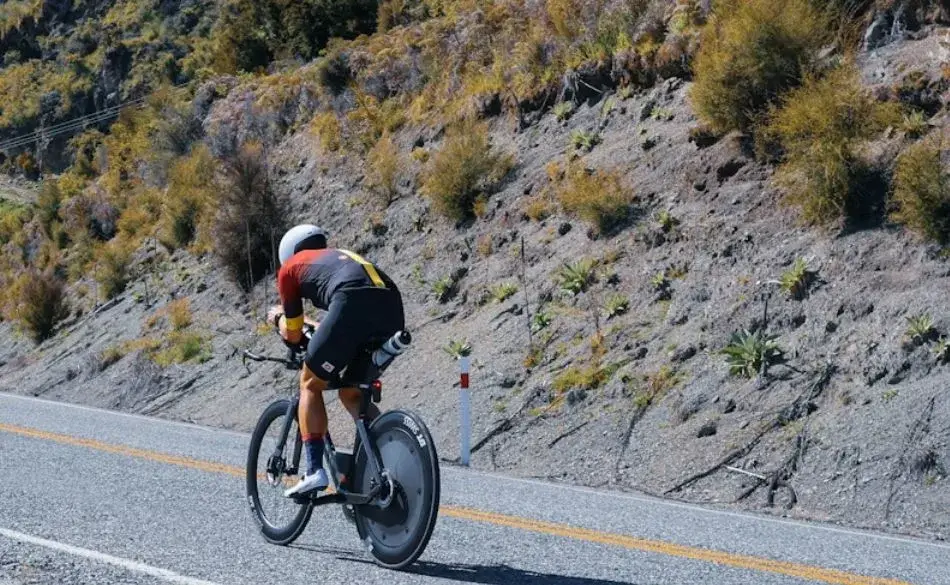
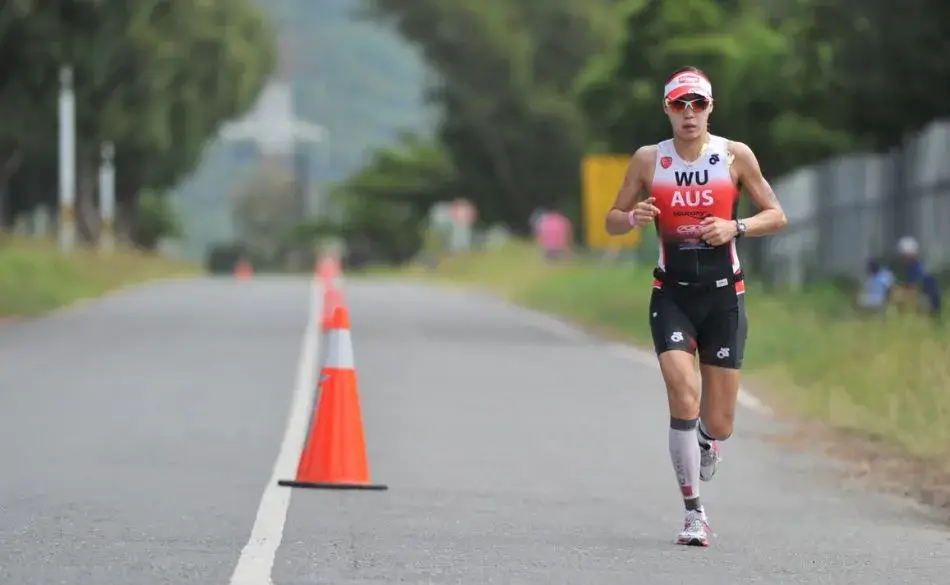
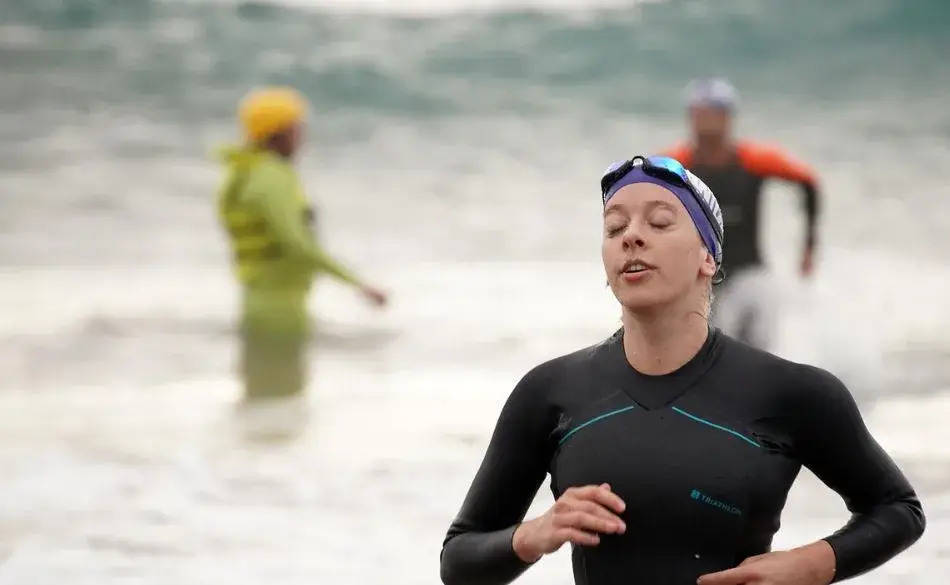
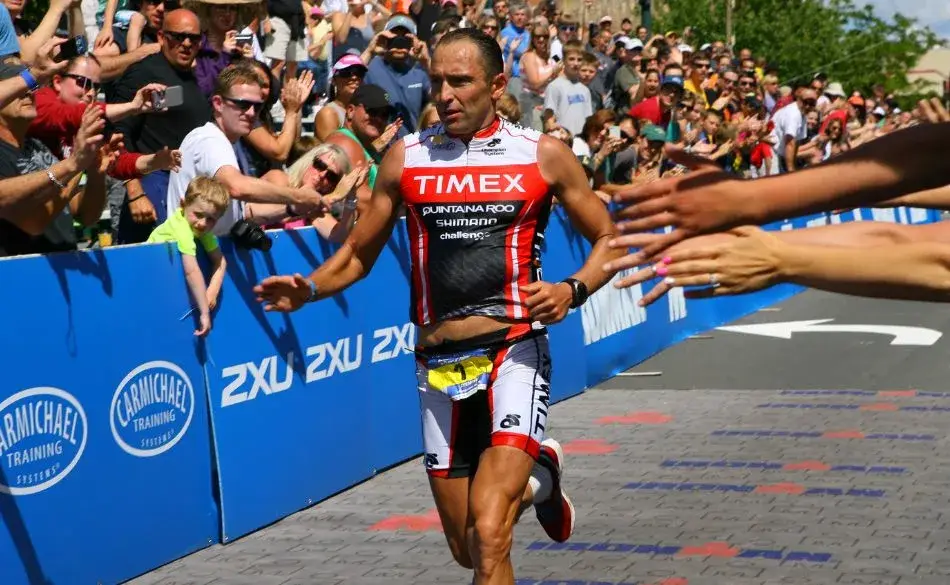
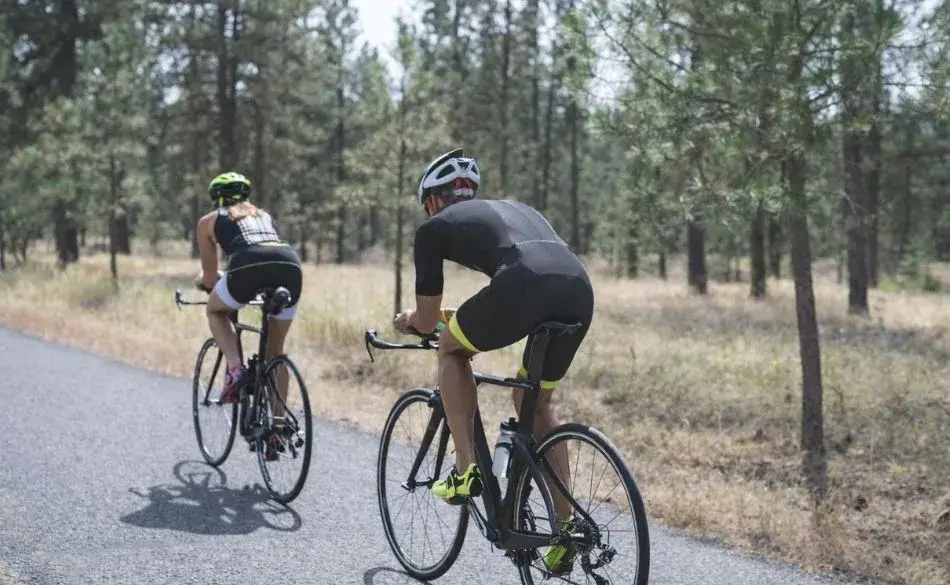
Calf DOMS (Delayed Onset Muscle Soreness), or tight calves, is a common issue among triathletes at all levels of training and racing. It typically appears the next morning after a long run or a heavy cycling/running workout. Various types of soreness and pain can affect the calf muscles, each with its own causes and remedies. Below are some of the most common issues:
Calf Muscle Strain
- A calf muscle strain usually results from a tear in the muscle fibers. The severity of the pain depends on the extent of the tear. When the calf muscle is overloaded, its fibers may tear, leading to a strain. This is one of the most serious injuries affecting the calves.
Calf Muscle Cramping
- Cramping in the calves is most often triggered by muscle fatigue. These cramps occur when one or more muscles contract suddenly and involuntarily. Triathletes—including swimmers, runners, and cyclists—are particularly prone to cramps, often due to sudden changes in movement patterns. The intensity of cramps can vary; while mild cramps may allow you to continue training, severe cramps require immediate attention from a specialist.
Reduce the risk of calf DOMS and train smarter for your next 70.3 with our Half Ironman Triathlon Training Plans. These structured programs help you build balanced strength across swim, bike, and run—so your calves don’t take all the load.
- ✅ Weekly sessions to improve endurance while managing muscle fatigue
- ✅ Built-in recovery, taper phases, and injury prevention strategies
- ✅ Expert pacing, strength, and nutrition guidance for long-course success
💡 Ideal for triathletes who want to train efficiently, avoid overuse issues, and feel strong on race day.
Explore Plans & Train Injury-Free →

Calves Sore After Running? Here’s What To Do
Soreness is common after a long run, whether it’s a brisk morning walk or a marathon. For many, especially first-time runners, calf soreness and stiffness tend to peak 24 to 48 hours after the run. To ease this discomfort, try the following strategies:
Warm Up Correctly
- Many runners experience soreness because they skip a proper warm-up. A good warm-up boosts energy in your muscles, loosens them, and reduces stiffness. Incorporate basic exercises, dynamic movements, and stretches into your routine.
Regular Massages
- Research shows that massages can help reduce DOMS. If you’re unable to see a massage therapist due to time or budget constraints, try self-massage using your hands or a massaging tool at home.
Introduce Yoga to Your Training
- Yoga increases oxygen flow to your muscles, helping them relax. Adding yoga exercises to your routine can significantly reduce soreness and stiffness caused by DOMS.
Get the Right Amount of Antioxidants
- Beverages rich in antioxidants, such as green tea, can have a soothing effect on your body. Green tea not only replenishes vital nutrients but also helps mitigate the stress associated with DOMS.
Ice Lower Legs
- Ice is a simple yet effective remedy to reduce soreness and inflammation. Many professional athletes use ice baths or ice packs to ease muscle pain. If you’re sensitive to cold, an ice pack may be a better option.
Fuel Correctly With Carbohydrates and Proteins
- Running depletes your energy reserves, so it’s important to replenish your body with carbohydrates and proteins. This aids muscle recovery and provides the energy boost you need for your next workout.
Running With DOMS – Is That a Good Idea?
Whether to continue running with DOMS depends on the severity of your pain. If the pain is so intense that you cannot move your leg, it’s best to consult a doctor. However, if you’re a beginner experiencing mild symptoms, you might benefit from taking a few days to recover. To facilitate recovery, remember to:
- Stay fully hydrated
- Stretch after each run to relax your muscles
- Strengthen your calves with targeted exercises
- Reassess your running technique
- Ensure you are wearing appropriate footwear

Calf Pain in Triathletes – Causes & Solutions
| Condition | Cause | Recovery Methods |
|---|---|---|
| Calf DOMS (Delayed Onset Muscle Soreness) | Heavy running or cycling sessions; micro-tears in muscle | Massage, yoga, antioxidants, ice, proper nutrition |
| Calf Muscle Strain | Overloading the muscle, leading to fiber tears | Rest, ice, avoid weight-bearing activities, consult specialist if needed |
| Calf Muscle Cramps | Sudden contraction due to fatigue or imbalances | Hydration, stretching, slow return to training, magnesium/potassium intake |
| Soreness After Running | Prolonged use of calves during long or intense sessions | Warm-up, massage, light yoga, post-run nutrition, strength work |
| DOMS While Training | Excessive load, insufficient recovery between sessions | Reduce volume, focus on calf-specific strengthening, evaluate shoes |
Tackle calf DOMS head-on and build swim–bike–run resilience with our Ironman Triathlon Training Plans. These full-distance plans are designed to help balance workload, strengthen key muscle groups, and keep you moving powerfully from training to finish line.
- ✅ Periodized swim, bike, and run phases to reduce overuse and support consistent progress
- ✅ Smart recovery windows, tapering plans, and injury-prevention strategies
- ✅ Targeted pacing, strength, and nutrition support for long-course success
💡 Perfect for triathletes preparing for the full Ironman who want to stay strong and pain-free through it all.
Discover Plans & Conquer the Distance →Cure for DOMS – Best Exercises to Relieve Calf Soreness
Calf soreness often stems from an excessive load on the muscles. Building endurance and strength can help your calves better handle the demands of training. The following exercises can improve endurance, reduce the frequency of post-training DOMS, and help maintain consistent, injury-free training:
1. Straight Leg Calf Raise / Straight-Knee Eccentric Heel Drop
- Step onto an elevated platform with one leg, using a wall for support if needed.
- Rise onto your tiptoes and hold the position for a few seconds.
- Slowly lower your heel down.
- Repeat for 3 sets of 30 reps on each leg.
2. Bent-Leg Calf Raise / Bent-Knee Eccentric Heel Drop
- Step onto an elevated platform with your knee bent instead of straight.
- Rise onto your tiptoes and hold the position briefly.
- Slowly lower your heel and repeat the movement.
3. Posterior Control
- Stand on an elevated platform with your toes and the sides of your feet resting on the edge.
- Slowly let your feet drop down a few inches.
- Raise your feet back up and repeat for 30 counts on each leg.
4. Isometric Calf Holds
- Stand on an elevated platform with your toes on the edge while keeping your heel off the ground.
- Hold this position for 30 seconds, gradually increasing to 45 seconds and then to 1 minute.
- Once comfortable, add weights to increase the challenge.
- Perform this exercise before an important race to activate your muscles.
Regular stretching, strength building, and adhering to a proper training schedule can help prevent tight calves. Also, ensure that your running shoes are appropriate and avoid overloading your calves if you’re experiencing issues.


Frequently Asked Questions
What exactly is DOMS?
How can I reduce calf DOMS?
Is it safe to run when experiencing DOMS?
What role does hydration play in recovery?
When should I consult a professional?
Whether you're gearing up for a sprint, Olympic, or long-course triathlon and looking to reduce calf soreness, explore our Other Triathlon Training Plans. These customizable plans offer structured progression, smart recovery strategies, and injury prevention tools—so your calves stay strong through every transition.
- ✅ Options across sprint, Olympic, and long-course distance}
- ✅ Tailored training hours and plans to suit your experience and schedule
- ✅ Includes a 1‑hour consult, structured workouts by HR/power/RPE, and built-in recovery blocks
💡 Perfect for triathletes wanting balanced training that builds performance while managing muscle fatigue and DOMS.
Find Your Fit & Train Smarter →