Why Hydration Matters More Than You Realize in Endurance Training
Most runners and triathletes don’t realise how quickly they lose fluid once a session goes past an hour. Sweat isn’t just water leaving your skin. It carries minerals, salt, and heat out so your body can keep moving without breaking down. When too much of that fluid disappears, everything starts to feel harder than it should. Learning hydration for long distance running early can save you from that heavy, faded feeling mid-session.
Even a small fluid drop throws things off. Your heart pumps faster. Your breathing picks up. Your legs lose some of their pop. Think about a run where you started strong but finished foggy and slow. That’s usually hydration, not a lack of fitness.
Research shows that losing just two percent of your body weight in fluid can noticeably reduce endurance performance. This effect is even stronger on hot days, when sweat loss jumps, or cold days, when evaporation tricks you into thinking you’re not sweating much at all.
Your brain also reacts to small hydration changes. When it senses fluid loss, it sends stronger fatigue signals. You feel tired long before your muscles are actually done. Pacing feels harder, and motivation dips for no clear reason.
Ask yourself a few things: Do your clothes dry with salty streaks? Do your hands swell during long runs? Does your heart rate sit higher than normal on easy days? These subtle signs often improve the moment your triathlon hydration strategy or running hydration plan gets sorted out.
Think of hydration like keeping oil in a car engine. When it runs low, everything struggles. Your body works the same way. Once you understand how hydration supports performance, your long sessions feel smoother, steadier, and far more predictable.
Most athletes don’t realise how much sweat rate, sodium loss, and weather conditions change what their body needs. Once you understand your own numbers, you can finally hydrate with purpose instead of guessing. For runners and triathletes wanting to learn their exact sweat losses, this sweat test for athletes guide explains how to measure it step-by-step and use it in your training.
If you're still unsure how much to drink, when to take electrolytes, or how to build a hydration plan that actually works, our Running Coaching program gives you personalized guidance based on your sweat rate, training load, and upcoming race goals.
We help you fine-tune your long-run and race-day hydration so you avoid late-session fatigue, reduce stomach issues, and feel more in control from start to finish.
Whether you're training for a marathon, a 70.3, or simply want to feel better during long endurance sessions, having a coach guide your hydration strategy makes a noticeable difference.
Get Personal Support →

How Much Water Do You Really Need During Long Runs and Triathlons
Most athletes guess their way through hydration. Some drink too little because they don’t want to carry a bottle, even though there are simple ways to manage this using gear designed for runners. Our how runners carry water guide explains the easiest options to stay hydrated without feeling weighed down. Others drink too much because they’re scared of running out. The goal is to find the middle ground that matches what your body actually loses. This is where knowing how much water to drink during a long run becomes one of the most powerful tools you can use.
Every athlete has a different sweat rate. Some lose a small amount. Others can lose over a litre per hour, especially in warm weather or during hard efforts. The best way to find your number is simple. Weigh yourself before a run. Weigh yourself after. The difference shows how much fluid you lost. If you lose one kilogram, you lost roughly one litre of fluid. For a simple overview of how dehydration affects endurance performance, this hydration and athletic performance guide explains the science clearly.
But here’s the part most people forget. You don’t need to replace all of it during the run. You just need to stay within a safe range so your body can keep working smoothly. Most endurance athletes perform best replacing 300–700ml per hour depending on heat, intensity, and what your stomach can handle.
Ask yourself this: have you ever started feeling heavy and sluggish even though your pace didn’t change? That’s often the early stage of dehydration. Drinking small amounts often (every 10 to 20 minutes) keeps things stable. Big gulps all at once can upset your stomach, especially during a triathlon.
If you’re someone who sweats heavily, or you finish runs with salt marks on your clothes, staying on top of hydration becomes even more important. Your body loses more sodium, which affects how much water your muscles can hold. This is where pairing water with a smart hydration plan for marathon training makes a big difference.
The goal isn’t perfection. It’s consistency. If you’re drinking small, steady amounts that match your needs, you’ll feel more energy, smoother pacing, and fewer dips late in your long sessions. Hydration shouldn’t be a stress point. It should be part of your rhythm.

Are You Only Drinking Water? Why Electrolytes Matter More Than You Think
Let’s be honest. Most athletes think “hydration” means “drink more water.” But once your runs or triathlon sessions get longer, water alone often isn’t enough. Your sweat doesn’t just carry fluid out of your body. It also carries sodium and other minerals that help your muscles fire and your nerves send signals. This is where electrolytes for endurance athletes become crucial.
When you don’t replace these minerals, you can feel “off” even if you’re drinking plenty. Your legs may feel weak. Your thinking gets fuzzy. You might even feel slightly irritable or light-headed. These are early dehydration symptoms while running, and they’re often a mix of fluid loss and low sodium.
Common signs to watch for include:
- A dull or throbbing headache during or after long sessions
- Dizziness when you stop or bend over
- Cramping in your calves, feet, or hands (learn how to avoid cramps while running)
- Nausea or a “sloshing” feeling in your stomach
- Very dark urine several hours after training
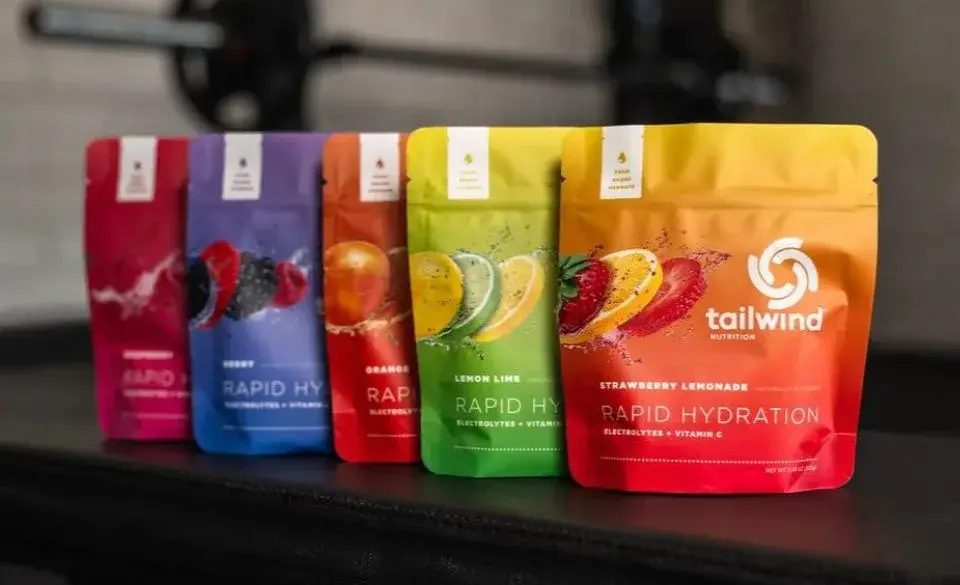
Instead of guessing, you can build a simple plan. Many runners and triathletes do well using an electrolyte drink, sports drink, or salt capsules during longer efforts. Some athletes also explore different sodium sources, as explained in our Himalayan salt for runners guide. The right choice depends on your stomach, taste, and training length. There’s no single best hydration for triathletes, but there is a best method for your body.
A good starting point for long runs and triathlon sessions over 60–90 minutes is:
- Water plus an electrolyte drink or tablet
- Around 300–700ml fluid per hour, adjusted for heat
- Extra sodium if you see white salt marks on your clothes or face
You can also test different products in training, never on race day. Your goal is to feel steady, clear-headed, and strong (not bloated or thirsty). Over time, you’ll notice patterns. Certain mixes will leave you feeling flat, while others support smooth fueling and hydration for long runs and key brick sessions. Keep notes and treat your hydration like you’d treat your training plan: personal, tested, and adjusted.

Long Run vs Triathlon Day How Should Your Hydration Change?
Your body doesn’t have the same needs in every endurance session. A relaxed long run on a Sunday morning feels very different from a hot, crowded triathlon race with tight cut-off times. Your endurance hydration strategy should reflect that. If you hydrate the same way in both, you’ll likely overdo it in one setting and underdo it in the other.
On a long training run, you can usually stop, sip, and adjust. There’s no pressure to hit aid stations or manage transitions. You can even test different drinks and fueling approaches without stress. Race day is different. You have fixed aid station spacing, nerves, and extra intensity. This changes how to hydrate during a triathlon compared with your usual long run.
Training runs are the perfect place to learn what your stomach tolerates and how much fluid feels right per hour. Then, once you know your numbers, you can match them to the aid station layout on your race course. That way, when you show up on race day, you’re not guessing. You already know when you’ll take water, when you’ll take an electrolyte mix, and how you’ll space your gels or chews.
Use the table below to compare the key differences between a long training run and triathlon race day. As you read it, ask yourself: where am I already doing well, and where am I still guessing? If you’re preparing for a 70.3 or half-distance event, our Half Ironman Triathlon Training Plans outline structured sessions, hydration guidance, and pacing strategies designed for race-day success.
👉 Swipe to view full table
| Category | Long Training Run | Triathlon Race Day |
|---|---|---|
| Hydration Timing | Flexible timing; you can sip when it suits your pace and comfort. | Planned around aid stations and transitions; timing must match course layout. |
| Fluid Amount per Hour | Usually 300–700ml per hour based on sweat rate and weather. | Similar hourly target, but split between bottles, on-course cups, and quick grabs. |
| Electrolyte Strategy | Test different drinks or tablets to find what your stomach tolerates. | Use only products you’ve tested in training; match sodium needs to race duration. |
| Fuel with Fluids | Gels, chews, or sports drink taken at relaxed effort, easy to adjust on the go. | Fuel timed with aid stations and bike bottle access, often at higher intensity. |
| Practical Challenges | Carrying bottles or using loops; fewer external time pressures. | Crowds, heat, nerves, and strict cut-offs can all disrupt drinking rhythm. |
| Best Focus | Learning your personal needs and testing new hydration approaches. | Executing a proven plan with no surprises and minimal stomach upset. |
What Happens When Your Hydration Strategy Finally Works
You can train for months, log long runs, and build strong fitness, but if your hydration is even slightly off, everything feels harder than it should. When your endurance hydration strategy finally clicks, the entire experience changes. Your legs stay smoother for longer. Your mind stays clearer. Your pacing becomes easier to control. And most importantly, you stop fighting your body.
I once coached an athlete named Ken who struggled with fading energy late in long sessions. He assumed it was fitness. He pushed harder. He added more speed work. Nothing changed. Once we tested his sweat rate, we learned he was drinking less than half of what he needed. After adjusting his intake and adding sodium, his running felt completely different within two weeks. His big struggle wasn’t conditioning at all, it was hydration.
When you get hydration right, training feels more predictable. You’ll notice patterns like:
- Your heart rate stays stable, even late in your session
- You can hold your pace without that “heavy” feeling creeping in
- Your mood stays steady instead of dipping halfway through
- Fueling feels smoother because fluids and carbs absorb better
- Runs feel more enjoyable instead of draining
Hydration also affects recovery more than many athletes realise. Your blood volume stays higher, which improves circulation and helps nutrients reach your muscles faster. You bounce back sooner. You feel fresher the next day. And your long-term training becomes more consistent because you’re not dragging soreness or fatigue from session to session.
Ask yourself this simple question: how often do you finish a long run or triathlon brick feeling worse than your fitness suggests? If it happens often, hydration may be the missing link. Once you understand your needs and build routine habits, everything becomes calmer and more controlled. You don’t need perfection, just awareness and consistency. When your hydration supports your training instead of working against it, you’ll feel the difference every single week.

How to Build a Simple Hydration Plan You Can Actually Stick To
A good hydration plan doesn’t need to be complicated. In fact, the simpler it is, the easier it becomes to follow during long runs and triathlon training. Most athletes fail not because they don’t know the science, but because they get overwhelmed by details. A clear routine you can repeat is far more powerful than a perfect plan you only use once.
Start by figuring out what works for your stomach. Some athletes feel great with sports drinks. Others prefer water plus electrolytes. A few need heavier sodium intake because they lose salt quickly. Once you know this, you can use your endurance hydration strategy to build a weekly rhythm.
Here’s a simple structure many runners and triathletes follow:
- Drink consistently the day before a long session
- Add electrolytes to one or two bottles if the weather will be hot
- Sip water when you wake up, not large amounts all at once
- Start drinking early during your workout, not after you feel thirsty
- Space your fluids every 10–20 minutes to keep things steady
Consistency is what trains your body—not a once-off perfect attempt. When you hydrate well throughout the week, your blood volume stays stable, your heart rate stays lower, and your body handles heat more easily. You also give your gut time to adapt so absorbing fluids and carbs during long sessions feels natural instead of stressful.
You can also match your hydration to your training structure. Easy runs need less planning. Medium-long runs and brick sessions need more thought. Long workouts over 90 minutes almost always require fluids, electrolytes, and some fuel. When you know your needs for each type of session, you can adjust without guessing.
If you’re unsure where to start, keep a small log for two weeks. Write down how much you drank, how your stomach felt, and how your legs responded late in the session. Patterns appear quickly. Once they do, your plan becomes clear and very reliable. Hydration turns into a habit instead of something you hope you got right.
How Heat, Humidity, and Weather Change Your Hydration Needs
Weather is one of the biggest factors affecting how much you need to drink during long runs and triathlon training. Hot days are the obvious challenge, but humidity, wind, and even cold temperatures can change your hydration needs. Most athletes underestimate this, especially when they’ve been training well and assume their usual intake will work in every condition.
Heat increases your sweat rate more than you think. Your body pushes harder to cool itself, and this means you lose more fluid and sodium per hour. In warm conditions, many athletes shift from losing moderate amounts of sweat to losing large amounts very quickly. If your intake doesn’t adjust, your performance drops fast.
Humidity makes things even tougher. When the air is humid, sweat doesn’t evaporate well. Your skin feels sticky, and your shirt may stay wet. This means your cooling system is less efficient, so your body produces even more sweat to compensate. This increases fluid loss and can raise the risk of overheating.
Wind can also help or hurt your hydration strategy. A light breeze cools your skin and makes running or cycling feel easier, but a strong headwind increases effort and sweat rate. Cold weather tricks many runners too. Sweat evaporates quickly in dry, cold air, so you don’t feel as sweaty—even though your body is losing plenty of fluid.
A simple approach is to adjust based on conditions rather than sticking to a fixed number. Ask yourself what the day feels like. Is the sun strong? Is the air heavy? Are you breathing harder than usual at an easy pace? These early clues help you adjust before dehydration sets in.
When you learn to read the weather and adjust your intake, your endurance hydration strategy becomes flexible and far more effective across seasons. You stay steadier, recover faster, and avoid the unpredictable fatigue that often appears on extreme-weather training days.
If you’re training for a bike-run swim event and unsure how to hydrate properly through bricks, open-water swims, or race day transitions, our Triathlon Coaching program gives you tailored strategies based on your swim, bike and run demands.
We guide you to match your fluid intake, electrolytes and fueling plan across every discipline—so you finish strong, avoid late-session crashes, and enjoy the race instead of just surviving it.
Whether you’re aiming for your first sprint, a half Ironman or a full Ironman, having expert coaching for your hydration makes the difference.
Get Triathlon Hydration Support →
The Role of Fuel in Your Hydration Strategy
Hydration and fueling are often treated as separate parts of training, but they depend on each other more than most athletes realise. What you eat (and when you eat it) changes how your body absorbs fluid. This is why your hydration plan should always match your fueling approach, especially during long sessions and races. When both work together, you avoid GI issues, energy crashes, and late-session fatigue.
Carbohydrates help your body absorb water more effectively. Drinks with a balanced mix of carbs and sodium move through the gut faster than plain water. This is why many runners and triathletes use sports drinks or add electrolytes to their bottles. They provide fluid, energy, and sodium in a form your gut can take in while you’re working hard.
But fueling can also slow hydration if the mix is wrong. Too much sugar at once can cause nausea or a heavy stomach. Not enough sodium can reduce fluid absorption. Eating large amounts without drinking enough can leave you dehydrated even during moderate training.
Here are simple ways to match fueling and hydration during longer efforts:
- Take small sips of fluid with each gel or chew
- Avoid taking fuel without fluid during warm conditions
- Use drinks with 4–8% carbohydrate concentration for best absorption
- Adjust fueling frequency if your stomach slows in heat or high intensity
Your gut is trainable, just like your legs and lungs. When you practice your fueling and hydration together, your stomach becomes more efficient. You can take in more energy without discomfort, which becomes a major advantage during long runs, triathlons, and race-day brick sessions. This makes your endurance hydration strategy more complete and supports both performance and recovery.
When your fluids and fuel work together instead of competing, you stay clearer, stronger, and more consistent throughout your session. Over time, this builds confidence and lets you push deeper into your training without the fear of late-run stomach issues.


Bringing It All Together So Your Hydration Works With You, Not Against You
When you zoom out, hydration isn’t just about bottles, numbers, or special drinks. It’s about feeling like your body is on your side during big efforts. A solid endurance hydration strategy helps you show up to long runs and triathlons with calm confidence instead of quiet worry.
You now understand that water alone is only part of the picture. You’ve seen how sweat rate, sodium loss, and session length all shape what your body needs. You know that guessing can leave you feeling flat, even when your training has been consistent. The good news is that every piece of this can be tested, learned, and adjusted over time.
Think about your own training. Do you often feel strong early but fade late? Do you finish key workouts with a dry mouth, heavy legs, or a slight headache? Those aren’t just “tough days.” They’re feedback. Your body is telling you that your hydration, not your fitness, might need the upgrade.
You’ve also seen how simple this can be once you commit to it. Weighing yourself before and after a few sessions. Noticing salt marks on your clothes. Tracking how much you drink per hour. Paying attention to how your stomach reacts to different drinks. These are small actions, but they build a clear personal pattern.
Over time, your endurance hydration strategy becomes part of your routine, just like warming up or choosing your pace. You head into long runs and race days with a plan you trust because you’ve tested it. You know when you’ll drink, what you’ll drink, and how your body is likely to respond.