


Quick Answer
Vertigo after swimming is most commonly caused by caloric response (water temperature affecting the inner ear), dehydration, breathing issues, or BPPV (displaced crystals in the inner ear). Earplugs, bilateral breathing, proper hydration, and slow pool exits prevent most cases. See a doctor if vertigo persists for more than an hour after swimming, recurs repeatedly, or is accompanied by hearing loss.7 Causes of Vertigo After Swimming
👉 Swipe to view full table
| # | Cause | Feels Like | When It Happens | Fix |
|---|---|---|---|---|
| 1 | Caloric response (inner ear temperature) | Spinning or tilting sensation. May include involuntary eye movements (nystagmus). | During or immediately after swimming, especially in cold water or with one-sided breathing | Wear earplugs. Breathe bilaterally. Acclimatise to cold water gradually. |
| 2 | Dehydration | Lightheadedness, faintness, fatigue | After long sessions or in warm pools. You sweat while swimming — you just don't notice. | Drink 400–600 ml water 1–2 hours before. Sip during rest intervals. Rehydrate immediately after. |
| 3 | Improper breathing / hyperventilation | Light-headedness, tingling, feeling of panic | During or immediately after swimming. Common in beginners and during hard sets. | Breathe rhythmically — exhale steadily underwater, inhale when turning. Never hyperventilate before underwater lengths. |
| 4 | BPPV (benign paroxysmal positional vertigo) | Intense room-spinning, triggered by head position changes. Lasts seconds to minutes. | During swim (head turning) or after — lying down, rolling in bed, looking up | See a doctor or vestibular physiotherapist. Epley manoeuvre repositions displaced crystals. Very effective. |
| 5 | Orthostatic hypotension (blood pressure drop) | Dizziness or brief blackout when standing up | Exiting the pool — especially standing quickly after a horizontal swim | Stand at the wall for 10–20 seconds before climbing out. Rise slowly. |
| 6 | Cervicogenic dizziness (neck-related) | Brief spinning or unsteadiness linked to neck rotation | During freestyle or butterfly — repetitive neck turning | Improve neck mobility. Breathe bilaterally. See a physio if persistent. |
| 7 | Swimmer's ear / ear infection (otitis externa) | Ear pain, muffled hearing, dizziness, warmth around the ear | Hours to days after swimming, especially in warm or untreated water | Keep ears dry (earplugs, drying drops). See a doctor for antibiotic drops if infection develops. |
The Caloric Response: Why Cold Water Causes Vertigo
This is the most common cause of vertigo in swimmers and triathletes, and the one that’s most misunderstood. Here’s what happens:
Your inner ear contains semicircular canals filled with a fluid called endolymph. These canals detect head rotation and send balance signals to your brain. When water that’s cooler than body temperature enters or sits against the ear canal, it changes the density of the endolymph on that side. This sends a false signal to the brain that your head is turning — even though it isn’t. The result: vertigo, nausea, and sometimes involuntary eye movements (nystagmus).
The effect is worse when it’s asymmetric — one ear is cooled more than the other. This happens commonly with one-sided breathing in freestyle: the breathing side gets more water exposure, creating conflicting signals between your two ears. Research on triathletes has confirmed that asymmetric cooling of the vestibular organ during swimming produces a measurable caloric response, with dizziness correlating directly to the temperature difference between ears.
The fix is simple: earplugs. Swimmer’s earplugs prevent water from directly contacting the eardrum and dramatically reduce the caloric response. A neoprene swim cap that covers the ears also helps in open water. Breathing bilaterally (both sides) reduces asymmetric exposure. These two changes alone prevent most swimming-related vertigo.
BPPV and Swimming: Displaced Crystals in the Inner Ear
Benign paroxysmal positional vertigo (BPPV) is one of the most common vestibular disorders, and swimming can trigger or worsen it. Inside your inner ear, tiny calcium carbonate crystals called otoconia help detect gravity and linear movement. In BPPV, these crystals become dislodged and migrate into one of the semicircular canals, where they don’t belong. When you move your head into certain positions, the displaced crystals shift and send chaotic balance signals to your brain — causing intense, brief vertigo.
The repetitive head-turning in freestyle swimming is a plausible trigger for displacing these crystals, especially at higher speeds or with forceful neck rotation. A published case study documented a swimmer developing BPPV directly linked to increased freestyle swimming speed, with the Dix-Hallpike test confirming the diagnosis.
Key sign that it’s BPPV: The vertigo continues after you leave the pool — particularly when you lie down, roll over in bed, or tilt your head back. BPPV-related vertigo is intense (room-spinning), brief (usually 10–60 seconds per episode), and consistently triggered by specific head positions.
Treatment: The Epley manoeuvre — a series of head and body positions performed by a doctor, vestibular physiotherapist, or even at home once you’ve been taught — repositions the displaced crystals. It’s highly effective, with resolution in 1–2 sessions for most people. If you suspect BPPV, see a doctor for a Dix-Hallpike test rather than trying to self-diagnose.
Dehydration: The Cause You Don't Notice in Water
You’re surrounded by water, so it’s easy to forget you’re sweating. But swimmers lose significant fluid through sweat — studies estimate 0.5–1.0 litres per hour of moderate pool swimming, more in warm pools and outdoor conditions. Dehydration reduces blood volume, which lowers blood pressure and reduces blood flow to the brain. The result: lightheadedness, fatigue, and dizziness when you stand up.
Drink 400–600 ml of water 1–2 hours before your swim. If your session is longer than 60 minutes, keep a water bottle at the end of your lane and sip during rest intervals. After your swim, rehydrate immediately — water plus electrolytes if the session was long or in a warm environment. For triathletes who swim and then transition to the bike, starting the ride already dehydrated compounds the problem.
Breathing Errors That Cause Dizziness
Two common breathing mistakes cause dizziness in swimmers:
Breath-holding. Many swimmers — especially beginners — hold their breath underwater instead of exhaling steadily. This builds up CO₂ in the blood and reduces oxygen exchange. When you finally surface and gasp for air, the sudden shift in blood gas levels causes lightheadedness.
Hyperventilation. Taking rapid, deep breaths before underwater lengths (to “load up on oxygen”) actually lowers your CO₂ too much, which suppresses the urge to breathe without increasing your oxygen stores. This is genuinely dangerous — it can lead to shallow-water blackout. It also causes dizziness, tingling in the hands and face, and a sense of panic. Never hyperventilate before swimming underwater.
The correct breathing pattern: exhale steadily through your nose or mouth while your face is in the water, then inhale quickly when you turn to breathe. The exhale should last the entire underwater phase — not just a quick puff at the end. This maintains stable CO₂ levels and prevents dizziness.
Orthostatic Hypotension: Dizzy When You Stand Up
After swimming horizontally for 30–60+ minutes, your cardiovascular system adapts to the horizontal position — blood distributes evenly because gravity isn’t pulling it to your legs. When you suddenly stand up to exit the pool, gravity pulls blood downward, temporarily reducing blood flow to the brain. The result: a brief dizzy spell or even a grey-out.
Cold water makes this worse because it causes vasoconstriction (blood vessel narrowing). When you exit and your body starts warming, the vessels dilate rapidly, further dropping blood pressure. This combination is why many open-water swimmers feel dizzy for 30–60 seconds after exiting.
Prevention: After your last length, stand at the wall for 10–20 seconds before climbing out. Move from horizontal to vertical gradually. If you feel dizzy, sit on the pool deck and wait — it passes quickly. For open-water swimming, wade out rather than trying to stand and run immediately. Triathletes: the dizzy transition from swim to bike is often orthostatic — practise standing after horizontal efforts in training.
Cervicogenic Dizziness and Swimmer's Ear
Cervicogenic Dizziness
Repetitive neck rotation during freestyle — especially with one-sided breathing — can strain the cervical spine and trigger dizziness originating from the neck. This is called cervicogenic dizziness. It’s more common in swimmers with pre-existing neck stiffness, poor thoracic mobility, or who breathe exclusively to one side. Published case reports describe competitive swimmers with vertigo that resolved completely with neck physiotherapy and bilateral breathing technique. If your dizziness consistently accompanies neck stiffness or pain, see a physiotherapist who specialises in vestibular or cervical conditions.
Swimmer’s Ear (Otitis Externa)
Swimmer’s ear is a bacterial infection of the outer ear canal caused by trapped moisture. It can cause dizziness and a sense of imbalance alongside the classic symptoms: ear pain, itching, muffled hearing, and discharge. It develops hours to days after swimming — not during the swim itself. Prevention: dry your ears thoroughly after every swim (tilt your head, use a towel, or use alcohol-based drying drops). Swimmer’s earplugs also help. If you develop ear pain and dizziness after swimming, see a doctor — antibiotic ear drops clear most infections within a week. If you’ve ever wondered why your ears hurt after exercise, similar mechanisms can be at play.
Vertigo During Open Water vs Pool Swimming
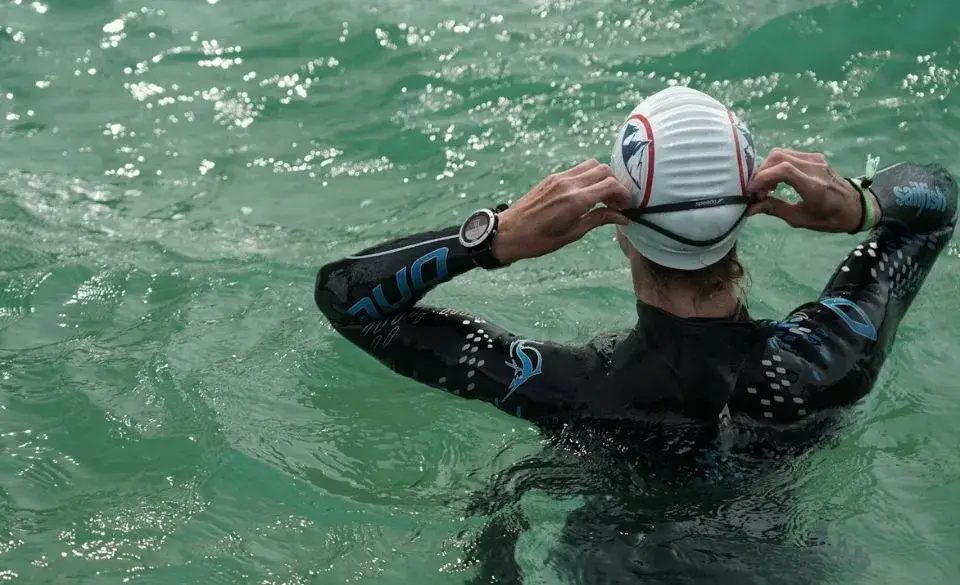
Open water swimming is more likely to cause vertigo than pool swimming for several reasons: water temperature is usually colder (stronger caloric response), visibility is reduced (fewer visual cues for your brain to stabilise balance), waves and currents create unpredictable head movement, and the sighting motion (lifting your head to navigate) adds neck strain.
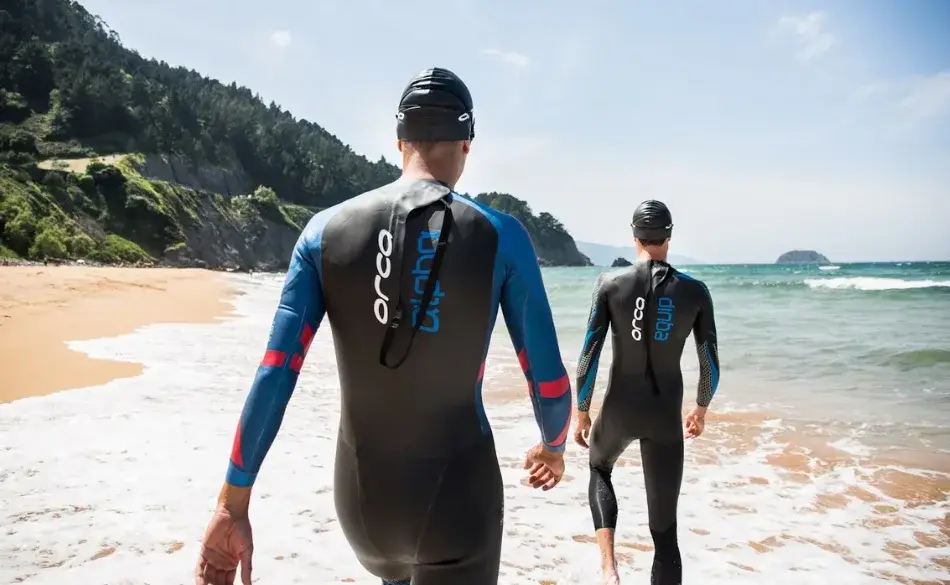
For triathletes, the swim-to-bike transition is a peak vertigo moment. You’ve been horizontal in cold water, turning your head repeatedly, and now you’re suddenly vertical, running in a wetsuit. Research on triathletes has shown that post-swim dizziness is common and can last long enough to affect bike performance. Wearing earplugs, acclimatising to the water temperature before the start, and practising vertical exits in training all help. Beginner triathletes should especially practise the swim-to-bike transition to become familiar with the sensation.
What to Do If Vertigo Hits During Your Swim
Stop swimming immediately. Grab the lane rope, the wall, or roll onto your back. In open water, inflate your safety buoy and signal for support if needed.
Stay still and breathe. Close your eyes if the spinning is severe — removing visual input helps your brain recalibrate. Breathe slowly: inhale for 4 counts, exhale for 4 counts. Most episodes pass within 1–5 minutes.
Exit the water carefully. Don’t rush out. Stand at the wall, wait for the dizziness to settle, then climb out slowly. Sit on the deck for a few minutes before standing.
Rehydrate. Sip water or an electrolyte drink. If the dizziness was caused by dehydration or blood pressure changes, fluid will help.
Don’t drive immediately. If vertigo was severe, wait at least 30 minutes and ensure it has fully resolved before driving home.
When to See a Doctor
Most post-swim dizziness is harmless and resolves within minutes. See a doctor if:
Vertigo lasts more than an hour after leaving the water. Brief dizziness is normal. Prolonged vertigo suggests BPPV, infection, or another vestibular issue that needs assessment.
You experience hearing loss, tinnitus, or ear fullness. These symptoms alongside vertigo may indicate an inner ear condition like labyrinthitis, Ménière’s disease, or a perilymphatic fistula (especially if you’ve been diving or had pressure changes).
Vertigo recurs every time you swim. Consistent, predictable vertigo despite using earplugs and correct breathing technique warrants investigation.
You have room-spinning vertigo when lying down or turning your head. This strongly suggests BPPV. It’s easily treated with the Epley manoeuvre but needs proper diagnosis first.
Dizziness comes with severe headache, vision changes, or limb weakness. These are rare but serious signs that may indicate a neurological cause. Seek medical attention promptly.
FAQ: Vertigo After Swimming
Why do I feel dizzy after swimming?
Most commonly: caloric response (water temperature affecting the inner ear), dehydration, improper breathing, or blood pressure drop when standing. Earplugs and proper hydration prevent most cases.
Can swimming cause BPPV?
Swimming can trigger or worsen BPPV through repetitive head turning. If room-spinning vertigo continues after you leave the pool — especially when lying down — see a doctor for the Epley manoeuvre.
Why does cold water make me dizzy?
Cold water causes a caloric response: it changes inner ear fluid density and sends false balance signals. Asymmetric cooling (one-sided breathing) makes it worse. Earplugs fix this.
How do I prevent vertigo when swimming?
Wear earplugs, breathe bilaterally, stay hydrated, exhale steadily underwater, exit the pool slowly, and acclimatise to cold water gradually.
When should I see a doctor?
If vertigo lasts more than an hour, recurs every swim, is accompanied by hearing loss or tinnitus, or comes with severe headache or vision changes.
Preventing Vertigo: A Swimmer's Checklist
Wear earplugs. This single change prevents the caloric response and dramatically reduces swimming-related vertigo. Use moulded swimmer’s earplugs — they’re inexpensive and effective.
Breathe bilaterally. Alternate breathing sides every 3 strokes to reduce asymmetric head turning and even out water exposure to both ears.
Hydrate before, during, and after. 400–600 ml water before, sips during rest intervals, and full rehydration after. You sweat more than you think in the pool.
Exhale steadily underwater. Don’t hold your breath. Exhale through your nose or mouth throughout the underwater phase of each stroke.
Exit the pool slowly. Stand at the wall for 10–20 seconds before climbing out. Don’t jump straight to vertical after being horizontal for 30+ minutes.
Acclimatise to cold water. In open water, spend 2–3 minutes wading and splashing water on your face and neck before fully submerging. Your body adjusts to the temperature faster this way.
Keep ears dry after swimming. Tilt your head, towel dry, or use drying drops. Trapped water leads to infection, which leads to dizziness days later.
For swimmers who also experience heart palpitations during exercise, it’s worth noting that some causes of post-exercise dizziness overlap — dehydration, blood pressure changes, and breathing errors affect both the cardiovascular and vestibular systems.
Our triathlon coaching includes swim technique, open-water preparation, and transition practice — so you arrive on the bike steady, confident, and ready to race.
Find Your Next Triathlon Race
Ready to put your training to the test? Here are some upcoming triathlon events matched to this article.
Wellcamp Airport Duathlon & Fun Run 2026
WSTC Duathlon Series: Race 2 2026