






Find Your Next Running Race
Ready to put your training to the test? Here are some upcoming running events matched to this article.
 Coach Graeme
Last updated:
Measuring running cadence matters more than most runners realise. Running cadence, measured as steps per minute, affects efficiency, injury risk, and how easily pace improves. Cadence refers to how frequently your feet contact the ground while running and must be measured accurately before improvement.
Many runners assume they already run with a quick, light step. That assumption is often incorrect once cadence is tracked objectively. Cadence influences joint loading, braking forces, and how consistently rhythm is maintained as fatigue builds.
The good news is that measuring cadence is straightforward and does not require expensive equipment. Once you know your cadence, you can make better training decisions and track progress.
Not sure where to start with training?
Tell us your goal and schedule, and we’ll give you clear direction.
No obligation. Quick, practical advice.
Explore our running training resources for more helpful articles and resources.
For most runners, a GPS watch or running app is the easiest and most reliable way to measure cadence. Modern devices track steps automatically using motion sensors, removing guesswork and providing consistent data across every run. This reliability is why many coaches rely on these tools first. They provide a clear picture of what is actually happening during training.
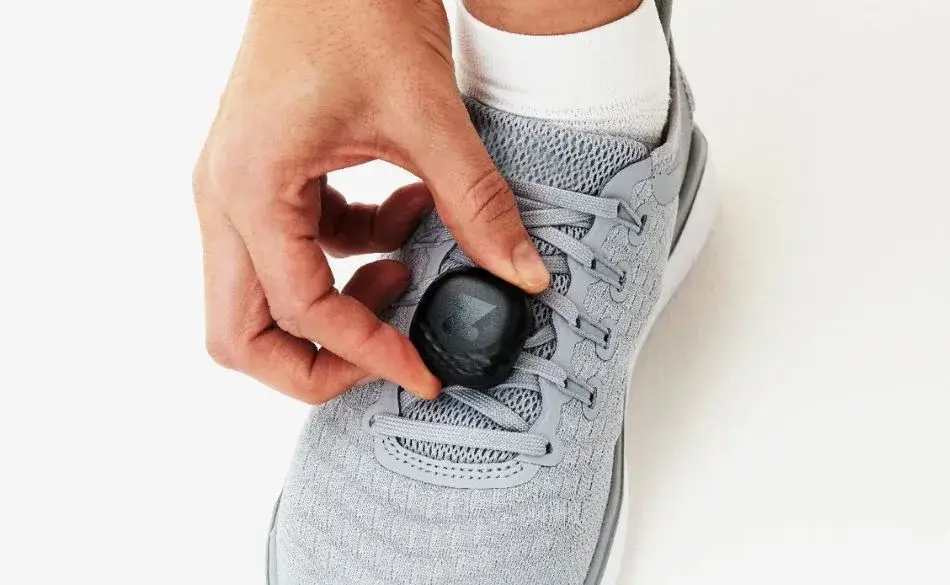
After each session, most running watches display cadence as steps per minute. Many apps also show average cadence, maximum cadence, and how cadence changes throughout the run. Foot pods, which attach to your shoe, can improve accuracy further, particularly if arm movement or uneven terrain affects wrist-based tracking.
When reviewing cadence data, it helps to focus on steady easy runs, tempo runs, and long runs rather than short sprints or strides. These efforts better reflect natural rhythm and running mechanics, making them more useful for assessment.
For best results, review cadence after the run instead of trying to adjust it live. Constantly watching the number can make running feel forced. Over time, these tools allow you to spot trends, monitor the effects of fatigue, and understand how cadence changes with pace.
If you do not use a running watch or app, manual counting is still an accurate and practical way to measure cadence. Coaches have relied on this method for decades because it is simple, reliable, and easy to repeat without special equipment. All you need is a watch or phone timer.
Begin by running at a comfortable, steady pace and allow your rhythm to settle. Once you feel relaxed and consistent, count how many times one foot contacts the ground in 30 seconds. Multiply that number by four to calculate steps per minute. Counting one foot keeps the process straightforward and reduces errors while still capturing total cadence.
For the most accurate results, measure on flat ground and avoid sudden pace changes, hills, or sharp turns. Cadence naturally changes with fatigue and speed, so treating one measurement as final can be misleading. Instead, repeat the test across different runs and average the results to see your true natural cadence.
This approach works especially well for beginners, runners returning from injury, or anyone who prefers simple data without relying on technology. What matters most is consistency, not complexity.
One of the most common mistakes runners make is checking cadence too often. Cadence is a valuable metric, but it is not meant to be monitored obsessively. It naturally fluctuates with fatigue, terrain, and daily readiness, which makes long-term patterns more important than single readings.
When you first begin tracking cadence, checking once every one to two weeks is enough. Use one easy run and one faster or steadier run for comparison. This provides a realistic view of how cadence changes across different efforts. Once cadence becomes more consistent, a monthly check is usually sufficient. The goal is to identify trends rather than chase perfect numbers.
Constantly watching cadence during every run can make stride mechanics feel forced and unnatural, often leading to tension and overthinking. Improvements in cadence tend to occur gradually as fitness, strength, and coordination develop.
Positive signs of progress include a small rise in average steps per minute, smoother rhythm late in runs, and reduced overstriding. Many runners also notice that running feels lighter and more controlled at the same pace. Cadence should always be viewed alongside pace and perceived effort. If cadence increases slightly while effort feels easier, efficiency is improving, which is what ultimately matters most.
Most recreational runners fall somewhere between 155 and 175 steps per minute during easy and steady running. Faster efforts usually push cadence higher, while longer or more relaxed runs tend to sit lower. Elite runners often record higher cadences, but this does not mean those numbers are appropriate targets for everyone. Cadence is influenced by height, leg length, running speed, and individual mechanics, which is why personalised ranges matter more than fixed numbers. For a clearer reference, comparing your cadence against ideal running cadence based on height can help put your data into proper context. Because of this, a single “ideal” number does not exist. What matters is whether your cadence supports efficient movement and remains consistent as fatigue builds.
Once you know your running cadence, the next step is using that number with perspective rather than treating it as a fixed target. Cadence does not exist in isolation. It is influenced by height, leg length, running speed, and natural stride mechanics, which is where many runners run into trouble.
A common mistake is chasing a single number such as 180 steps per minute without considering body type. Taller runners often settle naturally at a slightly lower cadence, while shorter runners may sit higher without effort. Cadence tends to fall within a personal range that suits your build and movement pattern.
The most effective way to use cadence data is to view it alongside pace and effort. Learning how to run with cadence awareness helps turn these small data insights into smoother, more efficient movement rather than forced changes. Pay attention to how cadence shifts as fatigue builds and as speed increases. Over time, small upward changes, often just three to five percent, can improve efficiency and reduce overstriding, while larger jumps usually feel forced and increase injury risk.
Height-based cadence recommendations can be useful as a reference point rather than a strict rule. They help define reasonable boundaries while allowing for individual variation. From there, progress should be gradual. Light drills, short cadence-focused strides, and relaxed faster running can encourage natural improvement.
One athlete I coached increased cadence by four percent over eight weeks without ever watching the number during runs. The improvement came from better rhythm and patience. Cadence data should guide decisions, not control every step.
Once runners begin paying attention to cadence, a few predictable mistakes tend to appear. These errors often slow progress or make running feel awkward. Cadence should improve rhythm and efficiency rather than create tension.
One common mistake is trying to increase cadence too quickly. Large jumps over a short period usually lead to forced movement, higher tension, and sometimes injury. Cadence responds best to small, gradual changes layered over weeks rather than days.
Another issue is confusing quicker rhythm with shorter, choppy steps. Cadence refers to how often the feet land, not shrinking stride length unnaturally. Understanding the difference between step length and stride length can help runners adjust turnover without sacrificing natural movement. When runners force tiny steps, efficiency often drops and fatigue increases. The goal is a slightly faster turnover while maintaining a relaxed, natural stride.
Many runners also become fixated on a single number, usually 180 steps per minute. This ignores individual differences in height, speed, and mechanics and often leads to frustration instead of progress.
A final trap is measuring cadence only during fast runs. Cadence is naturally higher at speed and reveals little about everyday mechanics. Easy and steady runs provide the clearest picture of natural movement patterns.
Most cadence issues come from overthinking. If cadence work feels rushed or uncomfortable, progress is likely being pushed too hard. When changes are working, they tend to feel subtle, smooth, and gradually easier over time.
Measuring your running cadence is one of the simplest ways to improve how you run. It does not require complex plans, special workouts, or constant attention. It begins with awareness. Once you know your cadence, you have a clear reference point to support smarter training decisions.
Whether you use a watch, an app, or manual counting, the goal is the same. Track cadence consistently rather than constantly. Focus on small changes over time instead of chasing perfect numbers on individual runs. Improvements often appear as smoother rhythm, lighter steps, and better control as fatigue builds.
When cadence data is considered alongside pace, effort, and height-based context, it becomes far more useful. Understanding how cadence influences running efficiency helps explain why small adjustments can improve performance while reducing unnecessary stress on the body. Even small increases, often just a few steps per minute, can have a meaningful impact.
If you have never measured your cadence before, your next run is a good place to start. Keep the process simple, collect the data, and let long-term trends guide you. Over time, those steady improvements add up to more comfortable and efficient running.
Measuring cadence is a useful first step, but knowing how to apply that data within your own training is where many runners get stuck. Small adjustments to rhythm, pacing, and workload need to fit your body, fitness level, and goals to be effective.
If you want personalised guidance to turn cadence awareness into smoother, more efficient running, running coaching at SportCoaching provides ongoing feedback, structured progression, and support tailored to how you move and train.
Explore running coachingReady to put your training to the test? Here are some upcoming running events matched to this article.
Head Coach & Founder, SportCoaching
Graeme is the founder of SportCoaching and has coached more than 750 athletes from 20 countries, from beginners to Olympians, in cycling, running, triathlon, mountain biking, boxing, and skiing. His coaching philosophy and methods form the foundation of SportCoaching's training programs and resources.
No matter your goals, SportCoaching offers tailored training plans to suit your needs. Whether you’re preparing for a race, tackling long distances, or simply improving your fitness, our expert coaches provide structured guidance to help you reach your full potential.
Smart, progressive training from 5km to marathon with weekly guidance.
What’s included
Browse upcoming Australian running, cycling, and triathlon events in one place. Filter by sport, check dates quickly, and plan your training around something real on the calendar.
Choose your plan to get started with personalized training plans designed to help you reach your goals.


Minna Backman
When you’re new, feedback is especially important, and Graeme is highly skilled at both analyzing numbers and understanding the importance of mental strength.