Why Time Efficient Triathlon Training Works So Well
When your schedule is packed, it is easy to think you are starting from behind. You might look at other triathletes and wonder how they train so much. Here is the truth. Many people do not need long sessions to make amazing progress. Short and focused training often works better than long workouts that leave you tired for days.
When each session has a clear purpose, your body adapts faster. You can train in shorter blocks and still build strong fitness. This is the power of time efficient triathlon training. You remove the noise and stay locked in on what actually helps you get faster. You stop guessing, and you start improving.
You may have asked yourself how to train for a triathlon with a busy schedule. That question shows you care about doing things the right way. You can make steady improvements even if you are working long hours or taking care of a family. Many athletes rely on a triathlon training plan for busy professionals that fit right into a real-world routine. You can do the same with simple planning.
High quality sessions are your secret weapon. Research shows that short intervals can build fitness very quickly. You do not need huge blocks of time. You only need the right type of effort. This approach is why triathlon workouts for busy athletes are usually built around simple swim, bike, and run sessions that target pace, rhythm, and technique all at once.
Another benefit is recovery. Because your workouts are shorter, your body stays fresher across the week. This makes it easier to stay consistent. You do not feel worn out or mentally drained. You feel in control.
If you use the time you have and stick to a clear plan, you can develop more fitness than you think. You are not behind. You are building smarter.
If you are trying to balance training with work, family, and everything else in your day, the Triathlon Coaching Program from SportCoaching is designed to help you stay consistent using short, effective sessions that fit into real life.
You will get clear weekly structure, simple adjustments when life gets busy, and support that keeps you moving forward even when time is limited.
Explore Coaching Options
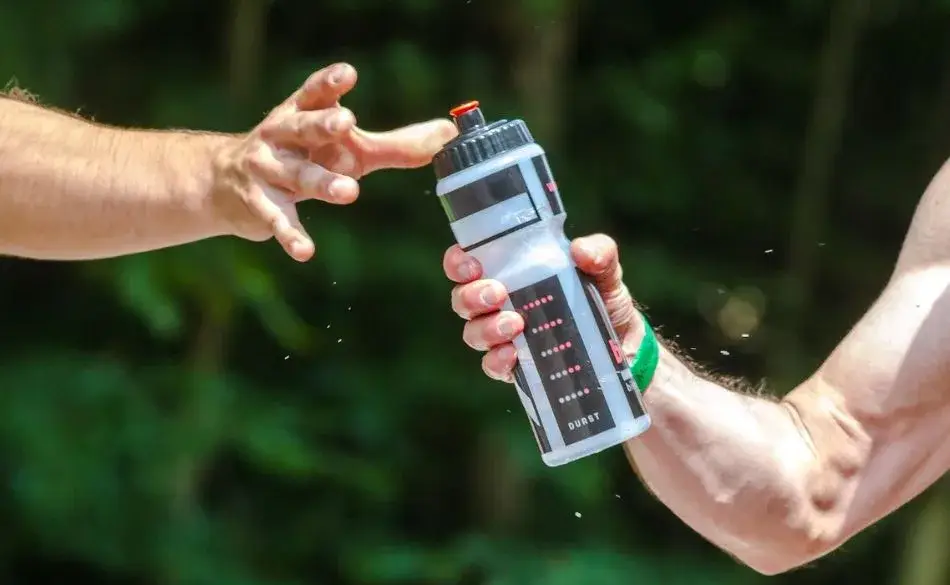
How to Balance Triathlon Training With Work and Life
One of the biggest challenges you face is learning how to balance triathlon training with work. When your days are full, you cannot simply add more hours. You need a plan that fits around your real schedule. This is where smart choices make all the difference. Instead of trying to train like a full-time athlete, you focus on what matters most. You build your week around the key sessions that help you get faster.
A helpful way to start is by looking at the natural openings in your day. Some people prefer early mornings. Others feel stronger during lunch or after work. You do not need long sessions in these windows. You only need sessions that help you stay consistent. This simple shift makes triathlon training when you’re short on time much easier to manage.
Short workouts allow you to stay flexible. When life gets busy, you can still keep moving forward. Even ten to twenty minutes can help you hold fitness, build rhythm, and reduce stress. The key is to use those small blocks wisely. Ask yourself which part of your training needs support right now. Is it your swim stroke, your bike control, or your run pacing? This question helps you decide where to place your effort.
Here are simple ways you can fit key training sessions into a packed week:
- Use early mornings for short runs or strength work when your energy is fresh.
- Turn lunch breaks into quick turbo trainer rides or technique-focused swims.
- Add easy sessions in the evening for recovery and form work.
- Pair lower-stress days with slightly longer workouts when possible.
You do not need perfect balance. You only need a routine that feels steady and manageable. When you use your available time with intention, you gain more control over your training. You become more confident and less overwhelmed.


Swim Sessions That Save You Time
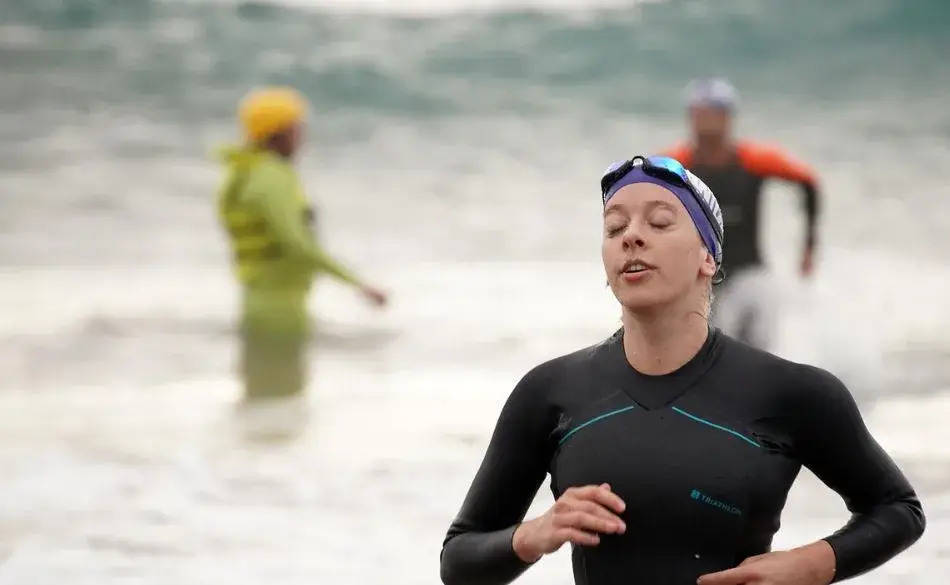
Swimming can feel like the most challenging part of triathlon when you are busy. Pools have set times, travel takes extra minutes, and technique can feel slow to improve. The good news is that short and smart swim sessions can help you progress even when your schedule is tight. You do not need long workouts to get stronger in the water. You only need focus and a plan that matches your real day.
When time is limited, technique should be your main priority. Strong form helps you swim faster with less effort. Many athletes use short swim workouts for triathletes because they build rhythm, breathing control, and balance without requiring long pool sessions. Even ten to twenty minutes can help you develop a smoother stroke.
Another key benefit of short swim sessions is that they reduce fatigue. You stay fresh for bike and run training while still improving your water skills. This balance matters when your week is already full. A short trip to the pool once or twice a week can build confidence without adding stress.
These swim sessions fit easily into a busy schedule and help you build reliable progress:
- 20-Minute Technique Set: 4 minutes of easy warm-up, 12 minutes of drills like side kicking or fingertip drag, and 4 minutes of relaxed swimming.
- Breathing Control Session: Short 25-meter repeats with controlled breathing patterns to build comfort and reduce panic in open water.
- Speed Rhythm Set: 8 x 25 meters at a moderate pace with plenty of rest to refine timing and catch.
- Stroke Balance Session: One-arm drills and slow, smooth strokes to improve alignment and glide.
Short swim sessions are not a shortcut. They are a smart way to improve technique, confidence, and efficiency when life gets busy. Even with limited time, you can make steady progress and feel more relaxed in the water each week.
If you are working toward your first full-distance triathlon but juggling a busy life, the Ironman Training Plans from SportCoaching are designed to help you build endurance using realistic, time-friendly sessions that fit into your week.
You will get a structured plan that supports your goals, stays flexible when life changes, and guides you step by step so you never feel lost or overwhelmed during your build to race day.
Explore Ironman Plans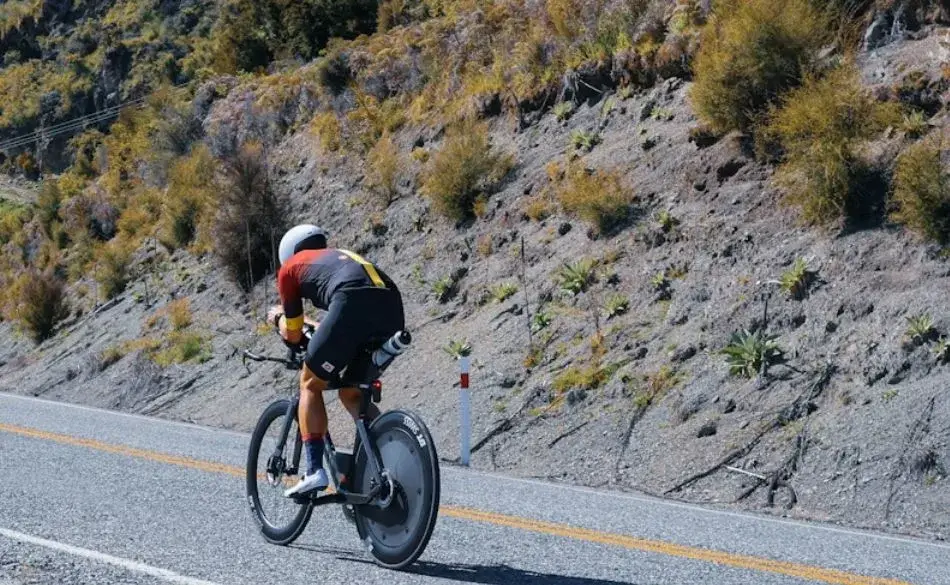
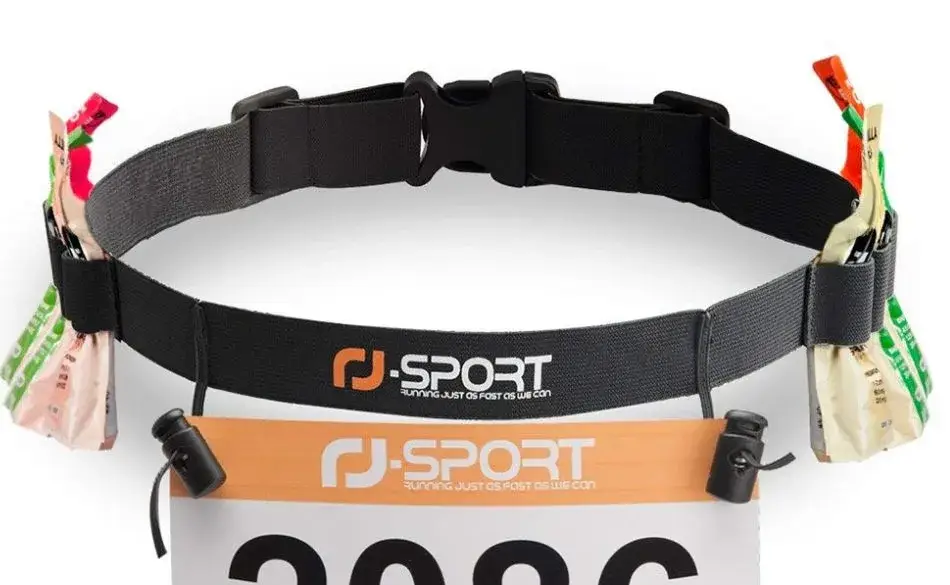
Bike Sessions That Save You Time
Cycling is where many busy triathletes can make huge gains in very little time. You can ride indoors, avoid traffic, and use clear intervals that fit into short windows. This is the heart of time-crunched cycling training. Instead of long, steady rides that take hours, you use short blocks of focused work that build power, rhythm, and confidence on the bike.
When you follow triathlon training when you’re short on time, the bike should support the rest of your life, not fight it. Trainer sessions in the morning, at lunch, or after work can all work well. The key is to keep each ride simple and clear. You know why you are riding, how hard you will go, and how long it will last. This style suits triathlon workouts for busy athletes who need structure without stress.
Short bike sessions also help you manage fatigue on busy weeks. When you keep rides between twenty and forty minutes, you can still train hard without feeling exhausted all day. This makes it easier to follow a realistic triathlon training plan for busy professionals. You protect your energy for work, family, and recovery while still building strong legs.
Here are simple bike sessions that fit into a packed schedule and give strong results:
- 25-Minute Power Builder: 5 minutes easy pedaling, then 6 x 2 minutes steady hard effort with 1 minute easy between, then 5 minutes cool down.
- 20-Minute Cadence Session: 5 minutes easy, then 5 x 1 minute fast spinning at high cadence with 1 minute very easy, finish with 5 minutes relaxed riding.
- 30-Minute Tempo Ride: 5 minutes easy, 20 minutes steady pace where talking is possible but not easy, then 5 minutes cool down.
- Lunch Break Roller: A simple twenty minute ride at a firm but controlled effort to clear your head and maintain fitness.
These bike sessions give you real progress in small time blocks. For example, when you train indoors you can follow targeted efforts with no traffic or travel time. If you want to explore more structured indoor training sessions, check out this nine bicycle trainer workouts every triathlete needs guide which offers specific sessions you can plug into your week.


Run Sessions That Save You Time
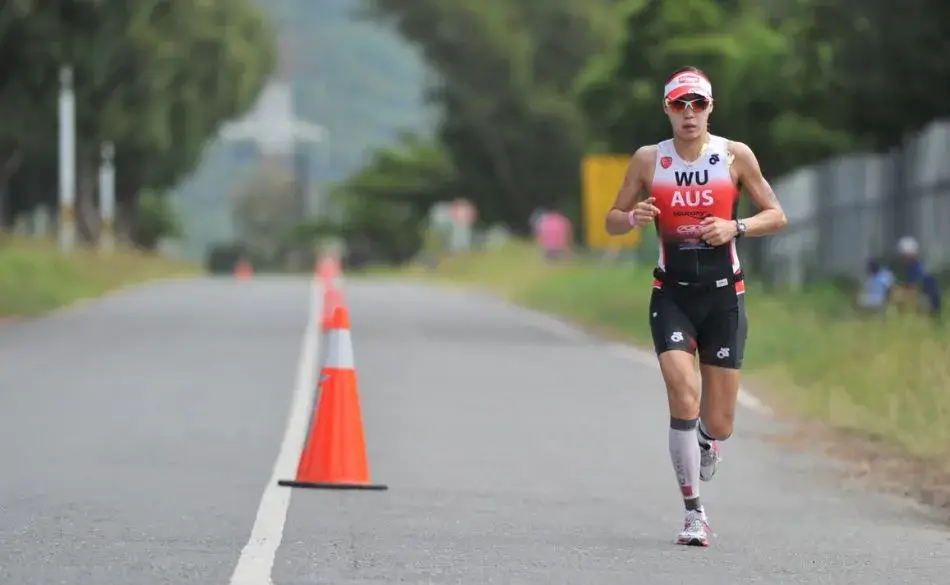
Running is one of the easiest sports to fit into a tight schedule. You can head out your front door, finish a session in minutes, and still make steady progress each week. Many athletes use quick triathlon run sessions because they offer strong benefits without eating up your day. You can build speed, improve form, and gain confidence with simple workouts that fit around work and family life.
Short runs help you stay consistent when life is full. Even ten to twenty minutes can make a big difference over time. These sessions keep your legs active, train your breathing, and help you feel lighter on your feet. This approach pairs well with for busy triathletes who need training that supports, rather than disrupts, their daily routine.
Many time-limited athletes follow triathlon training when you’re short on time by focusing on rhythm and good form. Short runs are ideal for this. You can focus on posture, arm swing, cadence, and pacing control without feeling rushed. The more relaxed and steady your form becomes, the stronger you feel across the whole triathlon.
Here are simple run sessions that fit easily into your week and deliver strong results:
- 15-Minute Rhythm Run: Start with 3 minutes easy, then settle into 10 minutes of smooth running where breathing feels steady, and finish with 2 minutes easy.
- Stride Session: After a short warm-up, add 4 to 6 relaxed strides of 15 to 20 seconds focusing on posture and quick feet.
- Short Interval Set: Run 5 x 1 minute at a steady hard pace with 1 minute walking or slow jogging between efforts.
- Brick Run: After a short bike session, run for 10 minutes at an easy but focused pace to help your legs adjust to the transition.
Short runs are not a shortcut. They are a smart way to stay consistent and improve your skill when time is limited. You can also add simple interval work to build speed without needing long training hours, and this five high intensity interval training workouts for runners guide is a helpful place to start. You can feel lighter, stronger, and more confident on race day by using these simple sessions each week.


The Power of Brick Workouts for Busy Athletes
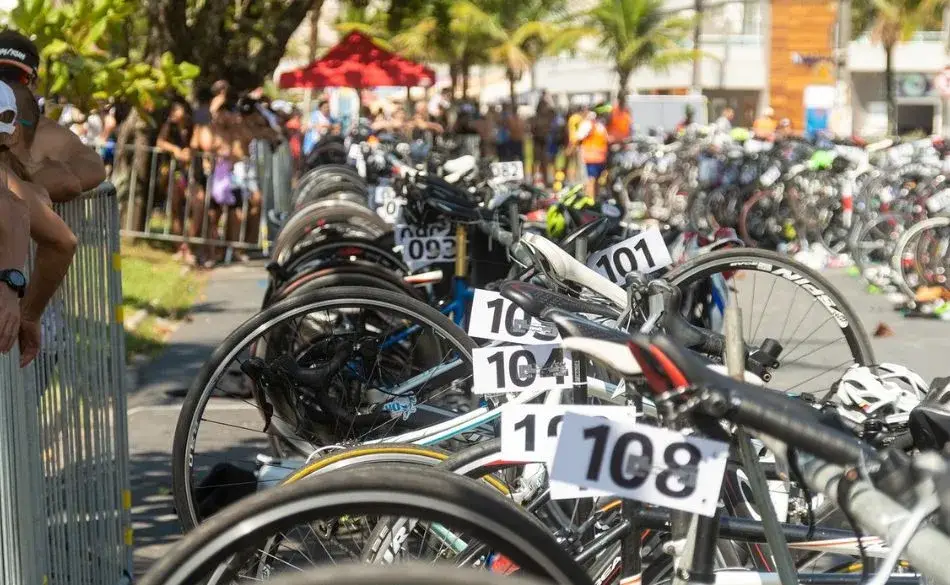
Brick workouts are one of the fastest ways to improve your triathlon fitness when you are short on time. A brick session means doing two sports back to back, most often cycling followed by running. These workouts teach your body how to switch from pedaling to running with less shock, which is one of the most important parts of race day. Instead of doing two separate workouts, you combine them into one simple and efficient session.
Many athletes notice that their legs feel heavy when they start running after the bike. Brick workouts help remove that feeling by training your muscles and nervous system to adapt quickly. Even short bricks can build confidence and make transitions feel easier. They also save time by giving you two gains in a single session, which is perfect for busy athletes.
These sessions fit well into any weekly plan. You can do a short ride followed by a quick run in the morning, during a break, or later in the day. Because they are short, they do not drain your energy but still give you strong improvements in pacing and control. Adding one or two bricks per week helps you feel smoother, faster, and more prepared for race demands.
The table below shows the differences between common types of brick sessions. This can help you choose the style that fits your goals and the time you have available.
👉 Swipe to view full table
| Category | Short Brick | Long Brick |
|---|---|---|
| Purpose | Builds fast transitions and teaches the legs to switch quickly. | Improves endurance and pacing control for longer events. |
| Effort Level | Short, sharp, and focused on rhythm more than distance. | Steady effort with longer time spent in race-like zones. |
| Time Needed | 15 to 30 minutes total. | 45 to 90 minutes depending on weekly goals. |
| Best For | Busy athletes and those improving bike to run speed. | Athletes preparing for Olympic, 70.3, or Ironman races. |
| Training Benefit | Quick neuromuscular adaptation and smoother transition. | Better endurance, stronger legs, and improved race pacing. |
Brick sessions are one of the most efficient tools you can use when training time is limited. They help you build real race skill, improve transitions, and gain confidence in less time. With regular practice, you will feel steadier, calmer, and more ready for the unique challenge of running after the bike.


A Real Story From a Time-Crunched Athlete
One of the athletes I coach, Noah, came to me with a problem that many people face. He wanted to finish his first triathlon, but he worked long hours, had a young family, and could only train in small pockets of time. At first, he thought he needed ten hours a week to succeed. When he saw what other athletes were doing online, he felt discouraged and wondered if he should even try. But once we built a plan around short, focused sessions, everything changed.
Noah trained for no more than five hours most weeks. Some days he fit in only fifteen minutes. Other days he squeezed in a short ride before work or a quick run after dinner. His training plan was simple and built around sessions he could complete without stress. Instead of long workouts, he used short swims for technique, short rides for rhythm, and quick runs to practice form. The biggest shift came when he added one or two brick sessions each week. These short bricks helped him feel calm and steady moving from the bike to the run.
There were days when he felt tired or rushed, but he stayed consistent. He never waited for the perfect moment. He used whatever time he had. Each small session helped him grow stronger and more confident. What surprised him most was how quickly his body adapted. Even with limited hours, he felt faster on the bike and smoother during his runs. The short swim sessions helped him feel more relaxed in the water, which made race day feel less intimidating.
On the day of his race, Noah finished with a smile. His time did not come from long training hours. It came from steady, focused work that fit his life. His story is a good reminder that you do not need endless time to succeed. You need a plan that matches your real life and training that supports your goals instead of fighting your schedule.
If you are preparing for a 70.3 but need a plan that works around limited training time, the Half Ironman Triathlon Training Plans from SportCoaching are designed to help you build endurance and confidence using realistic, time-friendly sessions.
Each plan adjusts to your available hours, experience, and race goals so you can stay focused, progress steadily, and feel fully prepared for the swim, bike, and run even with a packed weekly schedule.
Explore 70.3 Training Plans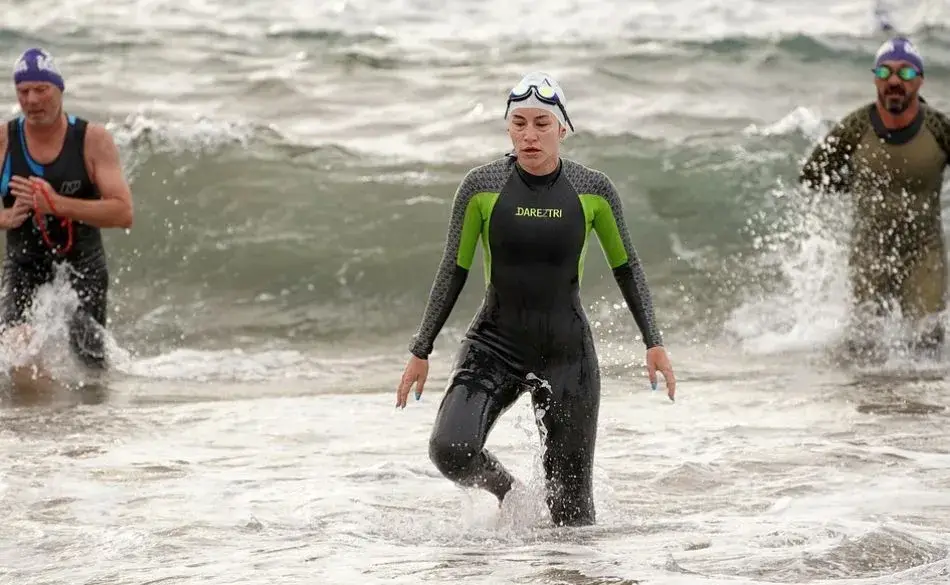

Building a Weekly Plan That Fits Your Life
Creating a weekly plan does not need to be complicated. When you have limited time, the goal is to make your schedule work for you instead of fighting against it. A simple structure can help you stay consistent without feeling overwhelmed. You do not need perfect balance. You only need a routine that you can follow most weeks. This gives you steady progress and reduces stress.
The first step is choosing the sessions that matter most. Short swims build technique. Short rides build power and rhythm. Short runs help you feel light and smooth. Brick sessions tie everything together. When you focus on these key pieces, you get the training effect you need without adding long hours. This approach keeps things simple and helps you stay motivated.
You can build your week around small pockets of time. Morning sessions help you start the day with energy. Midday workouts work well if you want a break from your desk. Evening sessions are helpful when you need a slower start. There is no right or wrong time. You choose what fits your life. When your plan is flexible, you can move sessions around without stress. If you want clearer guidance on weekly training frequency, this how often should you train for a triathlon article offers simple advice based on different time limits and goals.
Here is a simple structure that works well for busy triathletes:
- Two short bike sessions: One interval ride and one steady ride to build rhythm and confidence.
- Two short run sessions: One rhythm run and one technique or stride session.
- One or two short swims: Focused on breathing, balance, and relaxed movement.
- One brick workout: A short bike followed by a short run to build smooth transitions.
This structure gives you progress without draining your energy. You can adjust it based on how you feel and how busy your week becomes. When your training fits your daily life, everything becomes easier. You feel more in control, more confident, and more prepared for race day. A simple plan built around short, effective sessions can help you stay consistent and keep moving toward your goals, even on your busiest weeks.

Why Small Improvements Add Up Over Time
When you are short on time, it is easy to feel like your progress will be slow. Many athletes worry that short sessions will not be enough to make a difference. But the truth is that small improvements add up in powerful ways. When you train in short, focused blocks, you create steady progress week after week. You stay consistent, and consistency is one of the biggest drivers of success in endurance sports.
Every short session teaches your body something useful. Even ten minutes can improve your breathing, refine your form, or strengthen the muscles you use in swimming, cycling, and running. When you repeat these small sessions, your improvements begin to stack together. Over time, these gains help you feel smoother, faster, and more confident in each sport. You may not notice the changes right away, but they are happening beneath the surface.
This approach also protects your energy. Many people push themselves too hard with long workouts and end up feeling worn down. Shorter sessions allow you to train without draining your body. You recover faster and feel fresher for your next session. This helps you stay motivated and avoid burnout, which is important when you have a busy life and limited training hours.
You can also use short sessions to target your weak areas. If your swim feels shaky, focus on breathing and balance. If your bike feels slow, use a short interval ride to boost your power. If your run feels heavy, try practicing smooth strides. When you train with purpose, even small sessions create real improvement.
These small gains do not come from luck. They come from focus, patience, and using the time you have. When you stay committed to steady progress, you build strong habits and a stronger body. This is the heart of time-efficient triathlon training.