Why the Windshield Wipers Exercise Builds Real Core Power
The windshield wipers exercise is more than just another ab move. It’s a full-core workout that challenges every stabilizing muscle from your ribs down to your hips. When your legs move side to side, your abs and obliques must resist rotation, which strengthens deep stabilizers like the transverse abdominis.The muscle responsible for keeping your core tight and supportive during all movement.
Think of it as building the foundation of a house. Without a strong core, your entire body loses balance and efficiency. The windshield wipers workout for abs develops this foundation by improving rotational strength, something most basic ab routines ignore. Rotational control is key for sports performance, posture, and everyday strength.
What makes this exercise unique is the combination of static stability and dynamic movement. While your upper body stays still, your lower body moves through a wide range of motion. This dual demand teaches your muscles to coordinate and stabilize under load. Over time, this creates a stronger connection between your upper and lower body, making activities like running, swimming, and lifting feel smoother.
Even if you’re a beginner, starting with the bent-knee variation of the windshield wipers exercise can yield impressive benefits. With consistent practice, you’ll feel your midsection grow tighter, your balance improve, and your overall movement feel more controlled. It’s one of those rare exercises that delivers visible and functional results fast.


How do you do the windshield wipers exercise correctly?
The setup is simple, but success comes from control. You will move with purpose, not momentum. Think smooth, steady, and tight through your midsection.
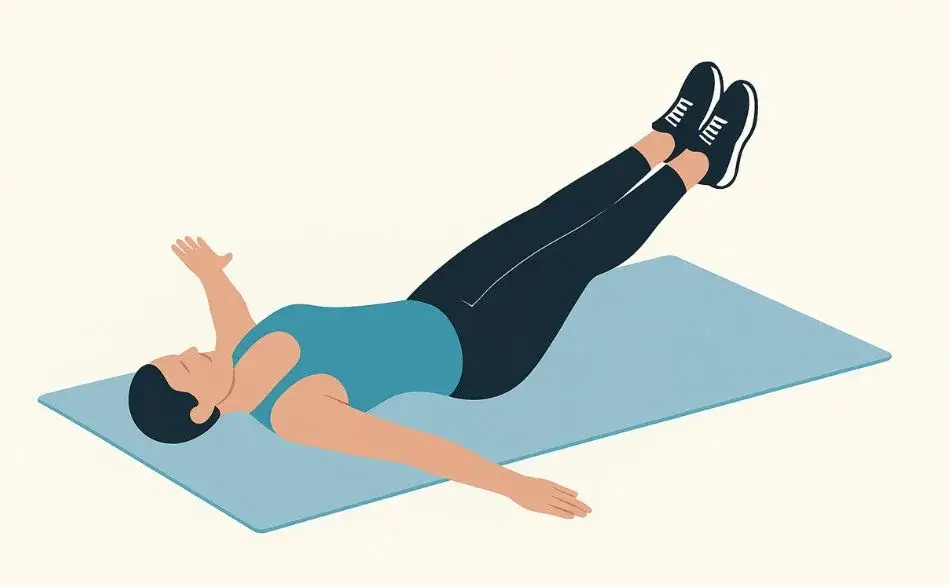
Start with a bodyweight windshield wipers exercise on the floor. Lie on your back and reach your arms out in a T for balance. Press your lower back gently into the mat to protect your spine.
Lift your legs so your hips and knees are at 90 degrees. This is the safest way for a beginner doing windshield wipers exercise. Keep your ribs down and your chin neutral. Breathe in through your nose before each sweep.
Lower both legs together to one side and stop before your lower back lifts. Exhale as you pull the legs back to center. Repeat to the other side. Move slowly and with control.
When this feels solid, straighten your legs. This increases leverage and load. Now you’re doing a stronger windshield wipers workout for abs and obliques. If your lower back begins to lift, bend your knees again or shorten the range.
Use these cues to lock in form:
- Squeeze your glutes and press your low back down.
- Keep shoulder blades heavy on the floor.
- Lead with your feet but control from your core.
- Inhale on the way down, exhale on the way up.
To progress use other windshield wipers exercise variations. Start with bent knees and a short sweep. Move to straight legs and a wider arc. When you can hold your legs high without arching, try the bar version. This advanced windshield wipers exercise adds grip and shoulder demand, so build up slowly and only when floor control feels solid.
Perform two to three sets of six to ten total sweeps (three to five per side). Adjust reps to match your form and endurance. Stop before fatigue breaks your control. Remember, quality always beats quantity.
Once you’ve mastered the basics and can maintain full control through every sweep, you can start exploring more advanced movements that continue to build stability and coordination. For additional inspiration, check out our core workouts for runners that complement the windshield wipers exercise perfectly.
Every runner, from beginner to elite, benefits from structure and balance. Our Running Coaching programs are designed to help you train smarter, recover better, and perform stronger. Each plan is built around your fitness level, goals, and lifestyle. Giving you the right mix of intensity and rest to keep improving safely.
- Personalized training structure: sessions tailored to your pace, distance, and recovery needs
- Smart recovery planning: reduce fatigue and prevent injury through data-driven rest strategies
- Performance development: improve speed, endurance, and efficiency with proven running methods
- Ongoing expert feedback: continuous support from professional running coaches to keep you progressing
Run with purpose, recover with intent, and reach your next personal best with a structured coaching plan built for you.
Start Running Coaching →

The Core Muscles Powering This Move
The windshield wipers exercise is a powerhouse for your core. It strengthens several muscle groups at once, helping you build stability, rotation control, and balance. Understanding which muscles are active will help you perform the movement more efficiently and target your weaknesses.
When you rotate your legs from side to side, your rectus abdominis (the “six-pack” muscle) works to control the up-and-down motion, while your obliques handle rotation and stabilization. The hip flexors assist with leg lifting, and the erector spinae in your lower back help you maintain spinal alignment throughout each sweep. This combination turns a simple movement into a total core challenge.
Below is a breakdown of the key muscles activated during the windshield wipers workout for abs and how they contribute to your strength and control:
👉 Swipe to view full table
| Muscle Group | Primary Function | How It’s Engaged |
|---|---|---|
| Rectus Abdominis | Flexes the spine and stabilizes the torso | Engaged as you raise and lower your legs to keep your spine aligned |
| Obliques (Internal and External) | Controls trunk rotation and lateral flexion | Activated when your legs sweep side to side, resisting excessive twist |
| Hip Flexors (Iliopsoas) | Raises and stabilizes the legs | Engaged throughout to lift and control your lower limbs |
| Erector Spinae | Supports spinal posture and extension | Helps prevent arching and keeps the back neutral during motion |
| Transverse Abdominis | Deep core stabilizer that compresses the abdomen | Provides internal tension to protect your spine and maintain form |
Together, these muscles make the windshield wipers exercise one of the most complete bodyweight core moves available. It not only shapes your midsection but also builds functional strength that carries over into running, lifting, and everyday activities.
To improve flexibility and prevent tightness in your hips and core, check out our 10 mobility exercises for runners which pair perfectly with the windshield wipers exercise.


Benefits of the Exercise
The windshield wipers exercise delivers results that go far beyond a stronger midsection. It’s one of the most effective bodyweight core moves for developing stability, balance, and rotational control. All vital for both athletes and everyday fitness enthusiasts. When performed with correct form, it improves coordination between your upper and lower body, helping you move with more efficiency and power.
Here are some of the top benefits you’ll gain from making the exercise a regular part of your training routine:
- Improved Core Strength: Strengthens your abs, obliques, and hip flexors simultaneously, building a solid foundation for all types of movement.
- Better Rotational Control: Teaches your body to manage twisting forces, improving performance in running, cycling, swimming, and lifting.
- Enhanced Stability and Balance: The exercise demands constant engagement from stabilizing muscles, improving balance and potentially reducing lower-back strain when done correctly.
- Spinal Support and Posture: Strengthening the deep core muscles like the transverse abdominis helps maintain spinal alignment and promotes better posture.
- Functional Fitness Gains: Builds strength that supports everyday movement (lifting, turning, or maintaining form during long workouts). Although not specifically studied in isolation, the rotational control developed here contributes to overall functional performance.
- Scalable for All Levels: Whether you’re a beginner or an advanced athlete, the windshield wipers exercise variations allow safe progression while keeping form intact.
It’s not just about aesthetics. This move builds functional power and endurance that translate to better performance in other physical activities. Performed properly, it strengthens the stabilizers that protect your spine and help your core stay strong for years to come.
For athletes who train across disciplines, you might also explore our strength training for triathletes guide, which pairs perfectly with core- focused exercises like the windshield wipers exercise to build full-body strength and stability.
If you’d like to dive deeper into exercises that specifically target the external obliques and build side-core stability for movement and sports performance, check out our obliquus externus exercises to build core stability for runners & cyclists guide.
Every strong cyclist knows performance is built on structure, not guesswork. Our Cycling Coaching programs are designed for riders who want to train smarter, recover faster, and reach peak fitness with personalized, data-driven plans. Whether you’re targeting a race, a long-distance event, or all-around improvement, our coaching brings clarity and focus to your training.
- Structured power development: targeted sessions to increase FTP and endurance strength
- Custom performance analytics: track progress with professional training data reviews
- Recovery optimization: tailored workloads that balance fatigue and adaptation
- Ongoing expert support: direct feedback from experienced cycling coaches
Train with purpose, master your power, and unlock your best performances with personalized cycling coaching.
Start Cycling Coaching →

Avoid These Common Windshield Wipers Exercise Mistakes
The windshield wipers exercise looks simple, but even small form errors can limit your results or put unnecessary strain on your back. Paying attention to technique ensures you build strength safely and effectively.
Here are the most frequent issues and how to fix them:
- Moving too fast: Momentum takes over when speed replaces control. Aim for slow, deliberate sweeps at a steady pace (around two to three seconds each direction) to keep the muscles under tension.
- Arching the lower back: When your lumbar spine lifts off the mat, tension shifts away from your abs and into your back. Press your lower back gently into the floor throughout the entire motion.
- Swinging the legs: Letting your legs swing freely reduces oblique activation and core engagement. Keep your range smaller until you can move both directions without losing control.
- Dropping too low: Going beyond your safe range can stress your hips and lower back. Stop when the opposite shoulder starts to lift off the mat. This is your limit for now.
- Forgetting to breathe: Holding your breath increases tension and fatigue. Inhale as your legs lower, and exhale as you bring them back to center to maximize core contraction.
- Skipping warm-ups: Starting cold raises injury risk. Warm up with pelvic tilts, bird-dogs, or dead bugs to activate your stabilizers without fatigue.
Perfecting control and coordination takes practice, but that’s what makes this exercise so effective. Move slowly, keep your core engaged, and let precision guide your progress. Over time, you’ll notice smoother rotation, better stability, and a stronger, more resilient midsection.
If you have current lower-back or hip pain, consult a qualified trainer or physical therapist before attempting this movement.


Windshield Wipers Exercise Variations for Every Fitness Level
The windshield wipers exercise can be adjusted for any skill level, from beginners learning core control to advanced athletes seeking an intense rotational challenge. Choosing the right variation helps you build strength safely and make steady progress without straining your lower back.
Beginner-Friendly Variations
If you’re new to core training, start with easier progressions that reduce leverage and protect your spine. Focus on mastering control before extending your range.
- Bent-Knee Floor Wipers: Lie flat with knees bent at 90 degrees. Sweep your legs gently side to side while keeping your back pressed into the mat.
- Partial Range Wipers: Move your legs halfway down on each side to maintain tension without losing control.
- Supported Wipers: Place your hands under your hips for extra lumbar support while practicing the motion.
Tip: Keep your movement slow and deliberate. Once you can perform 10–12 smooth reps without arching your back, move to the next level.
Intermediate Progressions
Once you have control and stability, it’s time to increase the challenge gradually.
- Straight-Leg Wipers: Extend both legs fully to increase leverage and load. Keep your back pressed into the floor.
- Tempo Wipers: Lower your legs for about three seconds, pause briefly, then return to center. This improves strength and endurance through time under tension.
- Weighted Wipers: Hold a light medicine ball or dumbbell between your knees or ankles to add resistance, but only if your form remains perfect.
Note: Avoid weights if you feel any strain in your lower back or hips.
Advanced Variations
These versions are ideal for experienced athletes with excellent core control and spinal stability.
- Hanging Windshield Wipers: Hang from a pull-up bar, raise your legs toward the bar, and rotate side to side. This demands grip strength, shoulder endurance, and total-core stability.
- L-Sit Wipers: Performed on parallel bars, maintaining an L-sit while rotating the legs. Extremely challenging for hip flexors and obliques.
- Resistance Band Wipers: Anchor a band to your ankles or thighs for added rotational resistance to challenge control and balance.
Tip: Perform these only when you can complete multiple sets of floor variations without losing form.
Whichever level you choose, prioritize control over range. These variations offer endless ways to progress, but proper technique and stability should always come first. Gradual improvement keeps your spine safe while helping your core grow stronger and more resilient.
For more insight into how this movement supports stability, mobility, and overall core strength, see the detailed breakdown on Physical-Therapy.us.


How to Add the Exercise to Your Routine
Knowing how and when to include the windshield wipers exercise in your workouts can make a big difference in both results and safety. Placing it properly within your training schedule helps you build rotational strength without compromising form or recovery.
When to Include It
For most people, this exercise works best after your main compound lifts or cardio, when your muscles are warm and your spine is mobile. Doing it at the end of a session reinforces core control without fatiguing you for heavier movements like squats or deadlifts. If improving core strength is your top goal, you can also perform it earlier in your workout for maximum focus and energy.
How Often to Train It
- Beginners: 1–2 sessions per week using bent-knee or partial-range variations.
- Intermediate: 2–3 sessions per week with 2–3 sets of 6–10 total sweeps.
- Advanced: Up to 3 sessions per week, alternating between floor and hanging variations for variety and challenge.
It’s generally wise to allow one to two days between focused core sessions to give the muscles time to recover and adapt. Always listen to your body, if your lower back or hips feel strained, reduce frequency or range.
How to Combine It
Pair the workout for abs with other rotational and anti-rotation exercises to build a balanced, functional core. Try adding:
- Plank Shoulder Taps: Strengthens anti-rotation control.
- Cable or Band Woodchoppers: Builds dynamic rotation strength.
- Dead Bugs or Hollow Holds: Improves spinal alignment and core endurance.
- Side Planks: Enhances lateral core stability and oblique strength.
Progression Tip
Once you can perform 10–12 slow, controlled reps with excellent form, progress gradually. You can extend your legs, slow your tempo, or move to hanging variations, but only if your lower back stays stable. If you experience discomfort or excessive fatigue, scale back until you can maintain perfect control.
Integrating the windshield wipers exercise strategically helps develop a stronger, more athletic core that can enhance posture, balance, and overall movement efficiency across a wide range of sports and daily activities.


Why the Windshield Wipers Exercise Deserves a Place in Your Routine
The windshield wipers exercise isn’t just another ab move, it’s a complete core challenge that builds strength, control, and balance from every angle. Whether you’re training for athletic performance, a stronger midsection, or better posture, this movement develops the kind of stability that improves how you move in and out of the gym.
Start slow, focus on perfect form, and let your progress come naturally. Over time, each controlled sweep strengthens not only your abs and obliques but also your awareness of how your body moves. Remember, it’s quality that builds a resilient core, not the number of reps.
So, grab a mat or a pull-up bar, find your rhythm, and make the exercise a consistent part of your routine. You’ll feel the difference in your strength, your posture, and your overall athletic confidence.