Why Every Athlete Needs the Best Triathlon Race Belt
If you have ever struggled with safety pins in the transition area, you already know how frustrating it can be. The best triathlon race belt may look simple, but it is one of the most underrated tools for comfort and performance.
One of my coaching clients, Aaron, learned this the hard way. In his first sprint triathlon, he pinned his bib to his tri-suit, only for it to tear during the bike leg. He spent nearly a minute fixing it and crossed the line annoyed. For his next race, I gave him a triathlon race number belt. It clipped on in seconds, stayed put, and cut his transition time by almost half. His smile at the finish said it all.
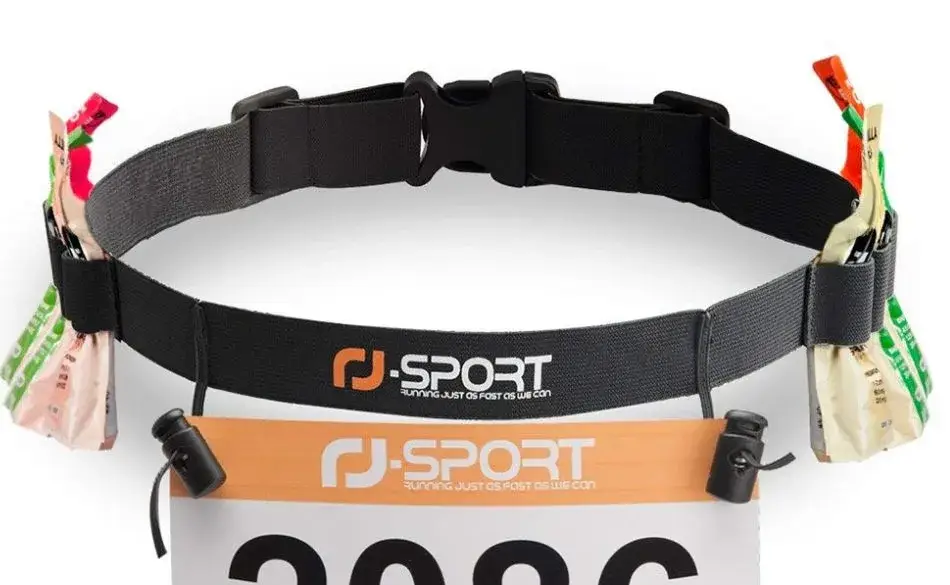
A race belt for triathlon wraps around your waist with lightweight elastic material that holds your bib securely. You can rotate it easily from back to front between the bike and run without stopping. Most belts also include adjustable straps, reflective details, and gel loops to keep nutrition handy.
Here is why every triathlete should invest in one:
- Saves valuable seconds: No more pinning or tearing numbers mid-race.
- Protects your tri-suit: No holes or snags from safety pins.
- Comfortable and adjustable: Fits any body type and stays in place.
- Boosts confidence: You feel smoother, faster, and more prepared.
A belt for triathlon also helps you meet race regulations that require your number visible at all times. For long-course events, it can even carry gels or electrolytes without weighing you down.
Think of it as a small piece of insurance for race day. You will not notice it much when it is working right, but you will definitely notice when it is not there. Once you experience the freedom of the best triathlon race belt, you will never go back to safety pins again.
Explore the Triathlon Coaching Program from SportCoaching. Whether you’re stepping up to your first event, aiming for a personal best, or training for a major race, our coaching offers tailored support for all levels.
Get access to personalized training plans, data‑driven feedback, and ongoing support from experienced coaches. Build your confidence, stay consistent, and get the results you’ve been working toward.
Start Your Coaching Journey
How to Choose the Right Triathlon Race Belt for Your Next Event
Choosing the best triathlon race belt depends on your race distance, comfort preference, and the conditions you compete in. There is no one-size-fits-all option, but a few simple checks can help you find the right fit for your needs. Whether you are doing a sprint triathlon or a long Ironman, the right belt can help you save time and feel more comfortable from start to finish.
Before you buy, look for these must-have features that separate an average belt from a great one:
- Adjustable fit: Make sure the race belt is easy to tighten or loosen. A snug fit prevents bouncing during your run or ride.
- Secure toggles or clips: These keep your race number straight. Avoid belts that use fragile clips or loose fasteners.
- Lightweight materials: Choose breathable elastic or nylon that feels soft against your skin and dries quickly after the swim.
- Reflective detailing: If you train or race in low light, reflective strips on your race belt add a layer of safety.
- Storage options: Some belts include gel loops or small pockets. These can be handy during longer races, but avoid overloading them.
For new triathletes, start with a basic one that focuses on simplicity and comfort. As you progress to longer races, consider an adjustable triathlon belt with extra gel loops or a zip pocket for nutrition.
Here are a few insider tips from coaching experience:
- Try on your belt before race day to ensure it does not twist or slide.
- Place your number slightly to one side so it sits flat on the bike and does not catch wind.
- Rinse your belt after each event to remove salt and sweat buildup for longer life.


Top Features That Make the Best Triathlon Race Belt Worth It
To help you decide which triathlon race belt is right for your training and racing goals, here is a detailed comparison of some popular models used by age-groupers and professionals alike. Each option has been tested for comfort, adjustability, and performance during real race conditions.
👉 Swipe to view full table
| Model | Best For | Key Features | Average Price (AUD) | Approx. Price (USD) | User Rating |
|---|---|---|---|---|---|
| 2XU Nutrition Race Belt | Beginners and short-course races | Simple clip system, adjustable strap, lightweight elastic, easy-to-use toggles | $19.95 | ≈ $13.50 USD | 4.7/5 |
| HUUB Gel Loop Race Belt | Half Ironman and Olympic distance | Elastic gel loops, quick-release buckle, reflective detailing, anti-slip inner | $29.00 | ≈ $19.60 USD | 4.8/5 |
| Zone3 Elastic Race Belt | All-around performance | Minimal bounce design, strong toggles, breathable fabric, adjustable tension | $24.50 | ≈ $16.60 USD | 4.6/5 |
| FuelBelt Helium Race Belt | Long-course athletes and Ironman racers | Storage pockets, gel loops, weather-resistant material, low-profile buckle | $34.95 | ≈ $23.70 USD | 4.9/5 |
| Orca Race Belt | Sprint to Olympic distance | Adjustable elastic, sturdy toggles, low-profile buckle, quick-dry materials | $24.00 | ≈ $16.30 USD | 4.6/5 |
| Zoot Race Day Belt | Training and race-day versatility | Durable elastic, secure number cord locks, lightweight feel, minimal bounce | $22.00 | ≈ $15.00 USD | 4.5/5 |
| TYR Race Number Belt | Budget-friendly reliability | Simple clip closure, adjustable strap, compact buckle, easy setup | $19.00 | ≈ $12.90 USD | 4.4/5 |
| Compressport Race Belt | Performance-focused runners and triathletes | Ultra-light elastic, secure toggles, minimal bulk under tri-suits | $29.95 | ≈ $20.40 USD | 4.7/5 |
| Profile Design Race Number Belt | Aero-conscious cyclists | Low-profile buckle, aerodynamic bib placement, strong cord locks | $21.95 | ≈ $14.90 USD | 4.5/5 |
| Nathan Adjustable Number Belt | Training races and duathlons | Wide adjustment range, soft elastic, reliable number toggles | $24.95 | ≈ $17.00 USD | 4.5/5 |
Each of these options offers something unique. The 2XU Nutrition Race Belt is ideal for new triathletes looking for simplicity, while the HUUB Gel Loop Race Belt caters to endurance athletes who need storage for nutrition. The Zone3 Elastic Race Belt strikes a balance between affordability and durability, and the FuelBelt Helium Race Belt is built for those tackling Ironman distances who demand extra functionality. Models from Orca, Zoot, TYR, Compressport, Profile Design, and Nathan round out the field with reliable, lightweight builds that stay comfortable and secure at race pace.
If you’re also looking to fine-tune your gear, including the right eyewear, check out The Best Triathlon Sunglasses Guide for expert recommendations on what to wear under the sun.
Looking to take your swimming and endurance training to the next level? Explore the IRONMAN Training Plans from SportCoaching. Each program is built around structured progressions that balance load, recovery, and proper technique—helping you train harder without risking overuse injuries.
With clear guidance for swim, bike, and run sessions, you’ll gain strength and endurance while keeping your body healthy through every phase of training.
Explore Training Plans
Why Comfort and Fit Matter More Than You Think
When it comes to racing, comfort is not just about luxury, it is about performance. A belt that rides up, twists, or digs into your waist can quickly become a distraction during the bike or run. Small irritations often turn into big problems over hours of racing. A well-fitted belt moves with you, not against you, allowing you to focus entirely on pacing and breathing instead of fidgeting with your gear.
Comfort also plays a major role in endurance. When your gear feels seamless, your brain conserves energy by reducing unnecessary focus on discomfort. That mental clarity matters during long races where even small distractions can snowball into slower transitions or pacing errors. Many athletes underestimate how much mental energy is spent adjusting equipment when it doesn’t fit properly.
Look for a soft, flexible material that feels natural against your skin. Some belts include silicone grips on the inside to prevent sliding or chafing during movement. A quick-release buckle should feel smooth, and the strap should adjust easily even when your hands are wet. These small design details are what separate a frustrating experience from a seamless one.
Testing your gear during training sessions is the best way to understand comfort in real conditions. Try it during a long brick session or a tempo run to see how it reacts to sweat, movement, and body position changes. If it stays in place, doesn’t bounce, and remains easy to rotate between disciplines, you’ve found the right fit.
For more ideas on smart and practical gear that make racing more enjoyable, take a look at 15 Genius Gifts for Triathletes.

Training With Your Belt Before Race Day
Many athletes make the mistake of saving their new belt for race day, only to discover it fits differently once the adrenaline kicks in. Training with it beforehand is one of the easiest ways to avoid surprises. Wear it during brick sessions, long runs, or even short practice transitions so you know exactly how it feels under pressure.
Use training sessions to adjust the belt’s tension and buckle placement until it feels secure but not restrictive. If your bib flaps or twists, shift the toggles slightly or tighten the strap. It may seem minor, but small tweaks like these can prevent wasted seconds and frustration when every movement counts on race morning.
If your event includes a wetsuit, test how the belt fits underneath. Some athletes prefer to wear it under the suit during the swim so it’s ready to go for the bike. Others attach it in transition to keep things streamlined. Testing both methods in training helps you find what works best for your setup and comfort.
Treat it like breaking in a new pair of shoes, you want it to feel completely natural. Familiarity builds confidence. By the time race day arrives, the belt should feel like part of your body, something that moves with you rather than something you have to manage. You can also review Your Ultimate Triathlon Checklist to make sure every part of your race-day preparation is covered.
If you’re preparing for a long-distance event, structured training makes all the difference. The Half-Ironman Triathlon Training Plans from SportCoaching help you build endurance and speed while keeping your body balanced and injury-free through every stage of the build-up.
Each program is designed around smart progression, recovery, and strength development—perfect for athletes who want to train consistently without overloading their joints or tendons.
Explore the Training Plans
Final Thoughts on Choosing the Best Triathlon Race Belt
By now, you can see that the best triathlon race belt is not just an accessory, it is a piece of equipment that keeps your focus on the race rather than your gear. Whether you are racing a local sprint or training for a full Ironman, a good belt keeps your bib secure, your transition smooth, and your mind calm when seconds matter most.
If you are new to the sport, start with a lightweight and affordable belt to experience the comfort difference. For seasoned athletes, upgrading to one with gel loops or weather-resistant material can make long races much easier to manage. Each feature, from adjustable straps to reflective elements, adds a small edge that can mean the difference between a stressful transition and a confident one.