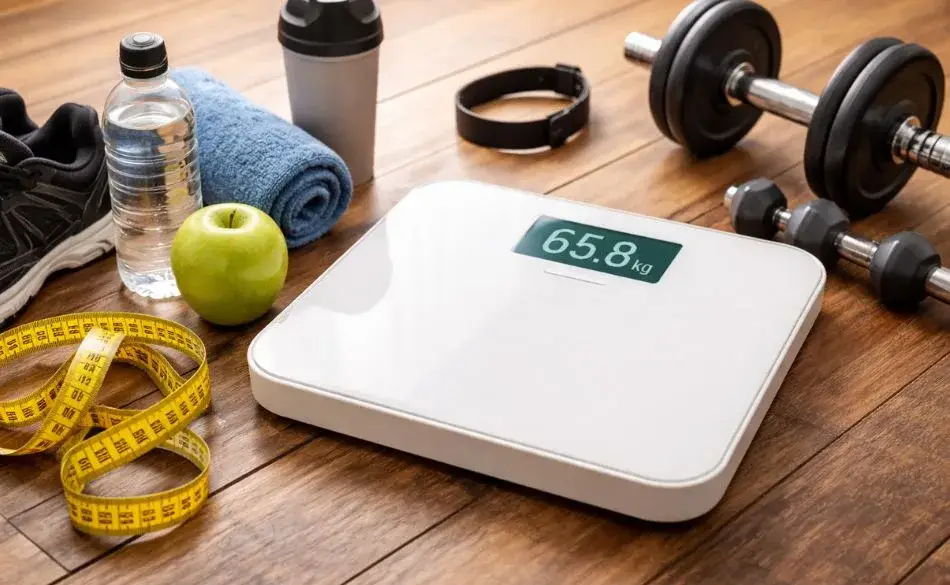
How Many Calories Does Walking Really Burn?
It’s one of the most common fitness questions out there: how many calories does walking burn?
The short answer? It depends.
Your weight, pace, and walking duration all play a role. But let’s break it down in a way that actually makes sense without needing a science degree.
If you weigh around 70 kg (154 lbs), here’s what you can expect to burn on average:
- Walking at 3 km/h (easy pace): ~180–200 calories per hour
- Walking at 5 km/h (brisk pace): ~250–280 calories per hour
- Walking at 6.5 km/h (fast pace): ~300–350 calories per hour
- Brisk walking calories burned tend to spike the most due to the increased intensity
And if you’re heavier or walking uphill, those numbers go up. Lighter? They go down. That’s where a walking calorie calculator can help fine-tune your estimate.
Here’s a good analogy: think of your body like a car engine. A bigger engine (i.e. more body weight) burns more fuel (calories) to go the same distance. That’s why a 90 kg person might burn 100 more calories on the same walk as a 60 kg person.
But don’t stress over exact numbers. The point is—walking adds up. And the consistency matters more than perfection.
One of the runners I coach, Lisa, started walking daily after an injury stopped her from running. In just 3 months of tracking her calories burned walking 1 hour each evening, she noticed her weight dropped steadily, even though she never stepped foot in a gym. What changed? Her routine. Her mindset. And the realization that walking for weight loss *can* move the needle.
So, before you think you need to jog or sprint to get results, remember this: walking for weight loss isn’t a myth. It’s just about doing it right and doing it often.

Does Walking Burn Belly Fat or Just Calories?
Here’s the thing about body fat, it doesn’t leave on command.
If you’ve ever asked, “does walking burn belly fat?”, the answer is both yes and not exactly how you think.
Walking helps you burn calories. And when you burn more than you eat, your body pulls from stored fat for energy (including the fat around your midsection). But there’s no way to “spot reduce” belly fat with walking—or any single exercise. It’s a full-body process.
Still, walking plays a unique role here. Unlike high-intensity workouts that raise stress hormones like cortisol (which may promote abdominal fat), walking is low stress. It’s calming. For many of the athletes I coach, this makes it easier to stay consistent, recover faster, and over time, slim down through the middle.
If you want to burn more calories and help your body target fat more efficiently, try walking first thing in the morning before breakfast. Your body may dip into fat stores slightly more during this time, especially if the walk is longer or includes hills. Just keep it relaxed, not exhausting.
- Add short hills or stair climbs once or twice a week
- Walk after meals to help regulate blood sugar and insulin
- Track your steps using a smartwatch or app for accountability
- Try walking with light weights for added resistance
Another underrated benefit? It doesn’t leave you drained. Many people report feeling lighter, mentally clearer, and more mobile. Even before major changes show up on the scale.
So yes, calories burned walking can help reduce belly fat over time. Just remember, fat loss is a slow melt, not a spot clean.


How to Burn More Calories Walking Without Going Faster
You don’t always need to walk faster to burn more calories.
Sure, speed helps. But there are smarter (and often easier) ways to get more out of every walk without feeling like you’re racing.
The key is making small tweaks that increase the challenge just enough to nudge your body into burning more. Let’s explore a few of them.
First, terrain matters. Walking uphill (even slightly) can double your effort. Your muscles work harder. Your heart rate climbs. And your calories burned walking go up without needing to move faster.
Second, posture plays a surprising role. Walking tall with your shoulders relaxed and arms swinging naturally helps you engage your core and upper body. It also makes you feel more energized, which means you’re more likely to walk longer. Over time, that adds up.
Another tip? Add intervals. This doesn’t mean sprinting. Just pick up the pace for 30–60 seconds every few minutes, then return to your regular pace. It gives your metabolism a little boost and keeps your body guessing.
You can also add resistance:
- Wear a light backpack (even 2–4 kg adds effort)
- Use walking poles to engage your arms
- Walk on sand, trails, or grass for more muscle activation
- Add bodyweight moves like lunges or step-ups mid-walk
If you’re someone who hits your 10,000 steps daily but doesn’t see results, this might be your missing piece. Even subtle changes like adding hills or carrying a bottle of water in each hand can increase your calories burned walking per mile more than you’d expect.
So, if you’re wondering how to burn more calories walking, think quality over quantity. And small adjustments over drastic ones.

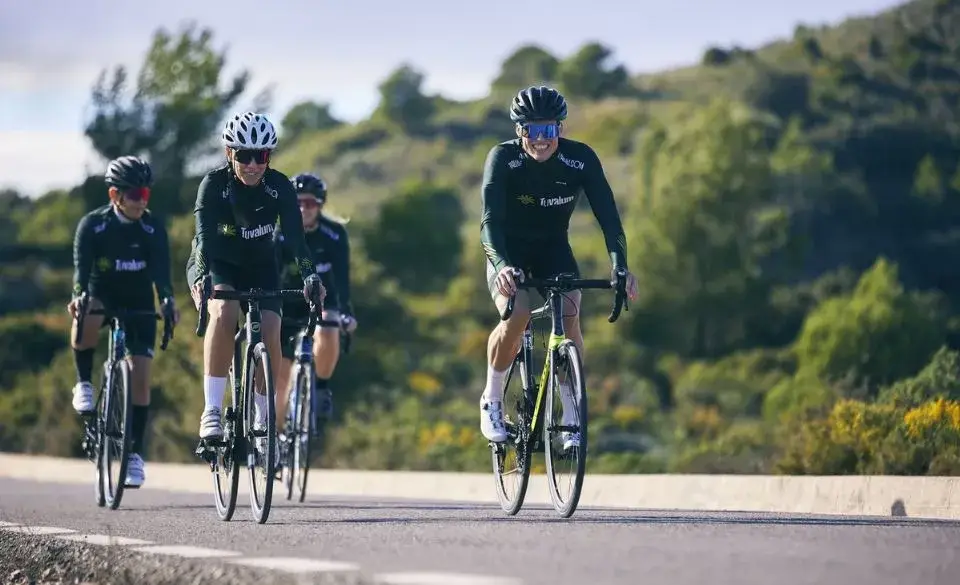
Walking for Weight Loss: What Actually Works?
If your main goal is to lose weight, you’ve probably wondered: is walking for weight loss enough?
The answer is a solid yes, but only if you understand how to make it work for your body, schedule, and lifestyle.
Weight loss happens when you consistently burn more calories than you take in. Walking can help you tip that balance. Especially because it’s something you can do daily without much risk of injury or burnout.
But here’s where most people get stuck: they walk the same route, the same speed, the same time every day. Eventually, your body adapts and becomes more efficient. That’s great for endurance, but not so great for continued calorie burn.
To avoid hitting a plateau, try mixing it up:
- Vary your route: hills, trails, stairs, or parks
- Walk longer some days and shorter on others
- Add a few “fast finish” walks where you pick up the pace at the end
- Walk right after meals to help with digestion and fat metabolism
Also, think beyond just the walk itself. Tracking your walking 10000 steps calories can give you a better sense of your daily output. For most people, that’s roughly 300–500 calories depending on body size and speed. Add that up over a week, and it’s a game changer.
You don’t have to get every walk perfect. What matters is showing up. Five 20-minute walks per week can burn as many calories as two intense gym sessions. Plus, walking supports better sleep, digestion, and mental clarity. Things that help weight loss indirectly.
Walking also encourages momentum. One healthy habit turns into another. Before you know it, you’re choosing water over soda, stretching more often, and going to bed earlier.
Calories burned walking might sound small at first. But like interest in a savings account, it compounds. Keep going, and results will come.
IRemember, walking (especially brisk walking or trail hiking) is consistently named one of the most sustainable and effective strategies for fat loss. Learn more about why walking ranks so high.

Why Calories Burned Walking Isn’t Just About Numbers
When people think about calories burned walking, they often picture a number on a smartwatch or fitness app. But that number only tells part of the story.
What’s often overlooked is what walking does beyond the calorie count.
Walking helps you reset. It clears your head. It gives your joints movement without strain. And if you’re consistent, it teaches your body how to handle effort without stress. That’s rare in today’s “go hard or go home” fitness culture.
Here’s something I see often with athletes I coach: when they add regular walking to their recovery days, they actually improve faster. Their heart rate comes down. Their sleep improves. They crave fewer junk foods. None of that shows up in a calorie calculator but it matters.
Walking also boosts something called NEAT (Non-Exercise Activity Thermogenesis). That’s just a fancy way of saying the calories your body burns from daily activities (like walking to the mailbox or pacing on a phone call). NEAT makes up a bigger chunk of your metabolism than workouts do. So those extra steps? They’re quietly doing more than you think.
Let’s be honest, some days, you won’t walk fast. Some days, you won’t go far. But if you’re moving, you’re winning. Your body doesn’t need perfection. It needs momentum.
So whether you’re walking after dinner, pacing during a podcast, or parking a bit farther from the store, it counts. Calories burned walking is just one benefit.
If you’re adding walking to your training or recovering from running setbacks, check out our guide on “Why Am I Suddenly Struggling to Run?”. It offers pacing tips and how to blend walking into recovery smartly. Read that guide here.


How Speed, Weight, and Time Affect Calories Burned
If you’ve ever wondered exactly how your walking routine translates into calorie burn, it helps to look at the variables that matter most: your body weight, pace, and duration.
Heavier individuals burn more calories per minute because moving a larger mass takes more energy. Likewise, faster walking speeds increase intensity and raise your total energy expenditure. And, of course, time plays a direct role. Meaning, the longer you walk, the more you burn.
Below is a breakdown to help you estimate your own calories burned walking based on average values:
👉 Swipe to view full table
| Body Weight | Pace & MET | Calories (30 min) | Calories (60 min) | Calories per Mile | Typical Terrain |
|---|---|---|---|---|---|
| 60 kg (132 lb) | ≈4.8 km/h (~3 mph, MET≈3.0) | ≈105 kcal | ≈210 kcal | ≈65 kcal | Flat pavement |
| 70 kg (154 lb) | ≈5.6 km/h (~3.5 mph, MET≈4.3) | ≈150 kcal | ≈300 kcal | ≈85 kcal | Brisk, urban or park |
| 80 kg (176 lb) | ≈6.4 km/h (~4 mph, MET≈5.0) | ≈200 kcal | ≈400 kcal | ≈100 kcal | Slight incline or trail |
| 90 kg (198 lb) | ≈6.4 km/h (~4 mph, MET≈5.0) | ≈225 kcal | ≈450 kcal | ≈110 kcal | Hill walking or mixed terrain |
| 100 kg (220 lb) | ≈5.6 km/h (~3.5 mph, MET≈4.3) | ≈215 kcal | ≈430 kcal | ≈105 kcal | Flat with light incline |
As you can see, even modest changes in speed or weight shift your total burn quite a bit. If your goal is fat loss, use this as a reference to gradually increase intensity or volume.
But don’t get stuck chasing perfection. Real-world calorie burn varies based on terrain, stride efficiency, arm swing, and even weather. Use tools like a walking calorie calculator to personalize your estimates. However, always pair that with how your body actually feels and responds.
If you’re building your base through walking, you might benefit from exploring our running training plans for all levels to help progress safely into structured endurance work.


Why Every Walk Counts More Than You Think
At the surface, walking seems simple. But the impact it has on your body runs far deeper than what a fitness tracker might tell you.
Yes, the calories burned walking (whether it’s 200, 300, or 500 a day) contribute to your energy expenditure. But that’s only part of the equation. Walking influences multiple physiological systems that quietly support long-term fat loss, metabolic health, and recovery.
For starters, walking increases your total daily energy expenditure (TDEE), especially through NEAT—non-exercise activity thermogenesis. This is a major component of calorie burn that many people overlook. The more you walk throughout the day, the more energy your body uses outside of structured workouts.
It also helps regulate blood glucose and insulin sensitivity, especially when done post-meal. Just a 10–15 minute walk after eating can blunt blood sugar spikes and reduce fat storage over time. And because walking is low impact, it doesn’t spike cortisol the way high-intensity training sometimes can (making it more sustainable for fat loss).
Biomechanically, walking recruits large muscle groups in the lower body (glutes, quads, calves, and hamstrings). When done with proper form, slight inclines, or added load (like a weighted vest), this recruitment increases, raising both muscular endurance and caloric demand.
Walking also improves circulation, aids in lymphatic drainage, and facilitates recovery between harder training sessions. That’s why athletes I coach often include walking on their off days. Not just for “active rest,” but because it accelerates tissue repair and keeps their aerobic base engaged without taxing their CNS (central nervous system).
So while walking for weight loss may look modest on paper, its ripple effect on energy balance, hormone regulation, and muscular activity makes it a serious tool in any training or fat loss strategy.
Many of the walkers I coach eventually transition into running with the Couch to 10K Running Plan, which offers a gradual and structured build-up in intensity.