Want help turning consistency into progress? Coaching keeps your training simple, structured, and sustainable.
Start Coaching →
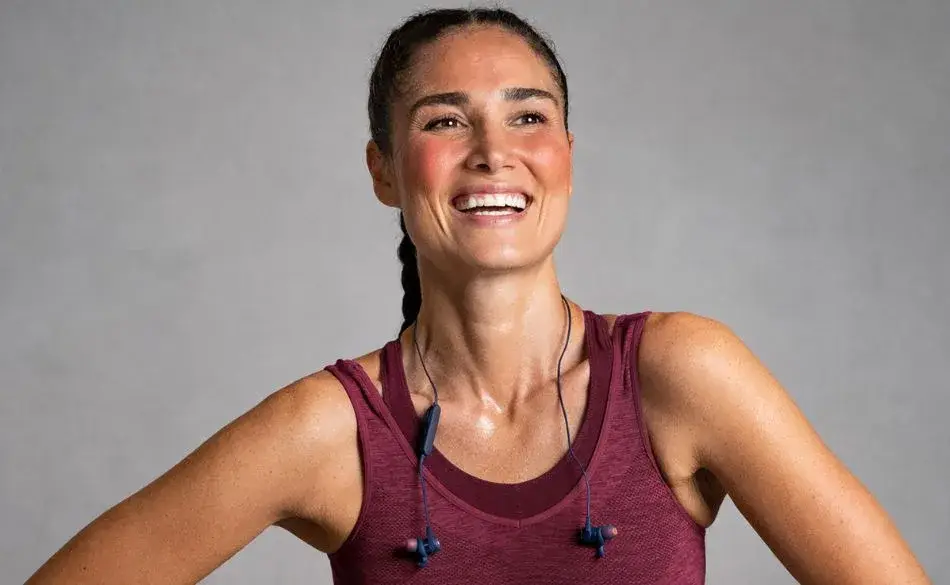
Woman exercising with a red face, showing why does my face get so red when I workout due to increased blood flow

Last updated:

Why Does My Face Get So Red During Exercise? 6 Causes & What to Do

You finish a run, catch your reflection, and your face looks like a tomato. Meanwhile, the person who ran with you looks barely flushed. A red face during exercise is one of the most common — and most self-conscious-making — responses to physical activity. The good news: in most cases, it's completely normal and actually a sign that your body's cooling system is working properly. Here's why it happens, why some people get redder than others, and when it's worth paying attention to.

Chat with a SportCoaching coach

Not sure where to start with training?

Tell us your goal and schedule, and we’ll give you clear direction.

No obligation. Quick, practical advice.

Article Categories:

Explore our fitness training articles for more helpful articles and resources.

Quick Answer

A red face during exercise is caused by vasodilation — your blood vessels widen to bring warm blood to the skin’s surface for cooling. It’s a healthy, normal thermoregulatory response. Fair-skinned people show it more. It doesn’t mean you’re unfit. If redness is accompanied by dizziness, nausea, or stopping of sweating, that’s a heat emergency — stop immediately and cool down.

The Science: Why Exercise Makes Your Face Red

When you exercise, your muscles generate heat — a lot of it. Your core temperature rises, and your body activates several cooling mechanisms to prevent overheating. The three main ones are sweating (evaporative cooling), increased breathing rate, and vasodilation (widening of blood vessels in the skin).

Vasodilation is what causes the redness. Your blood vessels dilate to bring warm blood from deep inside your body to the skin’s surface, where heat can radiate into the cooler surrounding air. The face has a particularly high density of capillaries close to the surface, which makes the increased blood flow very visible — especially if you have fair or light skin.

This isn’t just cosmetic. It’s a critical survival mechanism. Without vasodilation, your body would overheat during sustained exercise, leading to heat exhaustion or heat stroke. A red face means your thermoregulatory system is doing exactly what it should. Research from the University of Texas has shown that well-trained endurance athletes actually experience greater blood flow to the skin during exercise than untrained individuals, because their cooling systems are more efficient.

6 Reasons Some People Get Redder Than Others

👉 Swipe to view full table

#FactorWhy It Matters
1Skin toneFair, light skin shows blood flow much more visibly than darker skin. The same vasodilation occurs in everyone — it's just more visible in lighter complexions.
2GeneticsSome people are genetically predisposed to more reactive blood vessels. If your parents flushed easily, you probably will too.
3RosaceaA common skin condition involving hypersensitive blood vessels. Causes more intense, longer-lasting flushing during exercise, sometimes with burning or stinging. More common in women and people of Northern European descent.
4Exercise intensityHigher intensity = more heat generated = more vasodilation = redder face. A heart rate of 165 bpm causes significantly more flushing than 110 bpm.
5EnvironmentHot, humid conditions make it harder for your body to cool down, so vasodilation increases. Running in heat produces more redness than running in cool conditions. Running in heat is genuinely harder on your body.
6Hormonal factorsWomen in peri-menopause often experience increased flushing because declining oestrogen makes the hypothalamus (the brain's thermostat) more sensitive to temperature changes. Men tend to sweat more and flush less.

Does a Red Face Mean I'm Unfit?

No — and this is one of the biggest misconceptions. A red face during exercise is not a sign of poor fitness. Endurance athletes with excellent cardiovascular fitness often get very red because their thermoregulatory systems are highly responsive. Their bodies are efficient at identifying when cooling is needed and activating vasodilation quickly.

What changes with fitness is how quickly you recover. A fit runner’s face will return to normal colour faster after stopping exercise than a beginner’s, because their cardiovascular system is more efficient at redirecting blood flow. But during the exercise itself, fit runners can be just as red — or redder — than beginners.

The bottom line: if your face gets red during running but you feel fine otherwise, it’s simply your body doing its job. If you’re building fitness and the redness is bothering you, take comfort in knowing it’ll improve with training — not because you’ll flush less, but because your post-exercise recovery will speed up.

Histamine and Prostaglandin Release

Beyond simple vasodilation, exercise can trigger the release of histamine from skin cells. Histamine further widens blood vessels, adding to the flushing effect. For some people, this histamine response is more pronounced, which explains why their redness seems disproportionate to their effort level.

Exercise can also cause skin cells to release prostaglandins — fatty compounds that contribute to inflammation and redness. The combination of vasodilation, histamine, and prostaglandins creates the full “tomato face” effect. This is why some people find that taking a non-drowsy antihistamine (like cetirizine) before exercise reduces facial redness — though this should be discussed with a doctor before trying.

Rosacea and Exercise: A Specific Challenge

Rosacea affects an estimated 5–10% of the population, with a higher prevalence in fair-skinned women. It involves hypersensitive blood vessels and an overactive immune response that causes persistent facial redness, visible broken capillaries, and sometimes papules or pustules. Exercise is one of the most common triggers for rosacea flare-ups.

If your exercise-related redness is accompanied by burning or stinging, doesn’t fade within an hour of stopping, includes visible spider veins on the cheeks or nose, or worsens with alcohol, spicy food, or hot drinks as well as exercise, you may have rosacea. See a dermatologist for assessment. Treatment options include prescription topical creams (like brimonidine, which temporarily constricts blood vessels), oral medications, and laser or IPL (intense pulsed light) therapy for visible capillaries.

Runners with rosacea can still exercise freely — just take precautions: run in cooler conditions (early morning, shaded routes), apply mineral sunscreen (zinc oxide), keep a cold flannel available for your face, and stay well hydrated. Exercise actually helps manage rosacea long-term by improving overall cardiovascular health.

Peri-Menopause and Exercise Flushing

Women in peri-menopause often notice their exercise-related flushing becomes more intense. This is because declining oestrogen levels make the hypothalamus — the brain’s thermostat — more sensitive to small temperature changes. It overreacts, triggering vasodilation and sweating even with modest increases in body temperature.

The good news: research shows that women who exercise regularly experience less severe menopausal flushing and sweats than sedentary women. Running and other vigorous activity actually helps calibrate the thermostat over time, reducing the intensity of hot flushes both during and outside of exercise. So while the red face may feel worse in the short term, continuing to run is one of the best long-term strategies for managing peri-menopausal symptoms.

When a Red Face Is a Warning Sign

A red face during exercise is almost always harmless. However, seek immediate attention if your red face is accompanied by:

Dizziness, confusion, or nausea. These are signs of heat exhaustion. Stop exercising immediately, move to a cool area, and hydrate. If symptoms don’t improve within 15 minutes, seek medical help.

Stopping of sweating with hot, dry skin. This is a hallmark of heat stroke — a medical emergency. Your body has lost its ability to cool itself. Call emergency services immediately. Heat stroke can be life-threatening. Body temperature above 40°C requires urgent medical intervention.

Chest pain, difficulty breathing, or sudden severe headache. These symptoms alongside facial redness may indicate a cardiovascular issue, especially if you’re over 40, have high blood pressure, or have a family history of heart disease.

Persistent redness that doesn’t fade for hours. Occasional prolonged flushing can happen, but consistent failure to return to normal skin colour within 1–2 hours after exercise may indicate rosacea or another vascular condition worth investigating.

You take blood pressure medication. Some antihypertensive medications (particularly calcium channel blockers and ACE inhibitors) can increase vasodilation and cause more pronounced flushing during exercise. If excessive redness is new after starting a medication, mention it to your doctor.

FAQ: Red Face During Exercise

Why does my face turn red when I exercise?
Vasodilation — your blood vessels widen to bring warm blood to the skin’s surface for cooling. The face has dense capillaries that make this very visible, especially in fair skin.

Why do some people get redder than others?
Skin tone, genetics, rosacea, exercise intensity, heat, and hormonal factors (especially peri-menopause) all play a role.

Does a red face mean I’m unfit?
No. Endurance athletes often flush more during exercise because their thermoregulatory systems are highly responsive. Fitness affects how quickly redness fades, not whether it occurs.

Can rosacea cause exercise redness?
Yes. Rosacea involves hypersensitive blood vessels. If redness comes with burning, stinging, or visible capillaries and lasts over an hour, see a dermatologist.

When should I worry?
If redness comes with dizziness, nausea, confusion, cessation of sweating (heat stroke), chest pain, or doesn’t fade for hours. These warrant medical attention.

How to Reduce Facial Redness During and After Exercise

You can’t (and shouldn’t) stop vasodilation — it’s keeping you safe. But you can reduce the intensity and duration of redness:

Exercise in cooler environments. Early morning or evening runs. Shaded routes. Air-conditioned gym sessions. Your body doesn’t need to vasodilate as aggressively when the external air is already cool.

Stay hydrated. Proper hydration supports efficient sweating, which reduces the burden on vasodilation for cooling. Drink 400–600 ml water 1–2 hours before exercise. Electrolytes help during longer sessions.

Cool down gradually. After your run, walk for 5–10 minutes rather than stopping suddenly. This allows your cardiovascular system to gradually return to resting state, which speeds up the reduction in facial redness.

Apply a cold flannel or cooling towel. Placing something cool on your face, neck, or wrists after exercise helps accelerate cooling and reduces visible redness faster.

Wear sunscreen. UV damage causes blood vessel proliferation over time, worsening long-term redness. Use a mineral sunscreen (zinc oxide) that won’t sting if you sweat.

Dial down intensity on hot days. If you know heat makes your flushing worse, adjust your training — run by heart rate rather than pace, which naturally slows you in heat.

Training Smart in All Conditions

Our coaching adjusts your training for weather, conditions, and your body's responses — so you train effectively year-round without overdoing it.

Start Running Coaching →

Graeme - Head Coach and Founder of SportCoaching

Graeme

Head Coach & Founder, SportCoaching

Graeme is the founder of SportCoaching and has coached more than 750 athletes from 20 countries, from beginners to Olympians, in cycling, running, triathlon, mountain biking, boxing, and skiing. His coaching philosophy and methods form the foundation of SportCoaching's training programs and resources.

750+
Athletes
20+
Countries
7
Sports
Olympic
Level

Start Your Fitness Journey with SportCoaching

No matter your goals, SportCoaching offers tailored training plans to suit your needs. Whether you’re preparing for a race, tackling long distances, or simply improving your fitness, our expert coaches provide structured guidance to help you reach your full potential.

  • Custom Training Plans: Designed to match your fitness level and goals.
  • Expert Coaching: Work with experienced coaches who understand endurance training.
  • Performance Monitoring: Track progress and adjust your plan for maximum improvement.
  • Flexible Coaching Options: Online and in-person coaching for all levels of athletes.
Learn More →

Choose Your Next Event

Browse upcoming Australian running, cycling, and triathlon events in one place. Filter by sport, check dates quickly, and plan your training around something real on the calendar.

View Event Calendar