What Happens to Your Body After a Blood Test
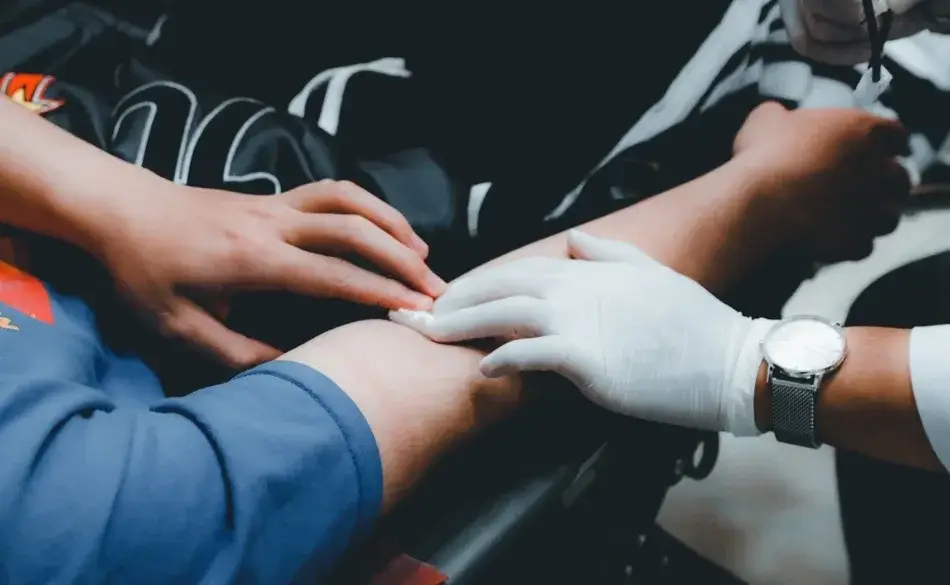
A blood test might seem minor, but your body treats it like a small injury that needs attention. When a needle draws blood from your vein, even if it’s only 5–10 mL, your body experiences a short drop in blood volume. It immediately works to replace this by shifting fluids from other areas, but in those first moments, you may notice a slight feeling of lightheadedness or fatigue.
If you’ve had a fasting blood test, you’re starting with lower energy levels because you haven’t eaten or had much to drink for hours. Combine that with the mild blood loss and you have a higher risk of dizziness during intense exercise. That’s why how soon you can exercise after a blood test depends on both the size of the draw and your current state.
Your vein also needs time to heal. Think of it like a small puncture in a water hose. Turning the pressure up too soon can cause leakage. Heavy lifting right after a draw, especially upper-body movements like bench presses or shoulder presses, can increase vein pressure. This might cause extra bruising, swelling, or the wound to reopen.
So, is it safe to lift weights right after blood draw? In most cases, not immediately. Waiting at least a couple of hours after a small routine test is wise. For bigger draws, especially if you’re feeling tired, it’s better to rest longer.
Cardio follows the same logic. Even moderate-intensity runs or cycling can raise blood pressure enough to stress the healing vein. If you’re unsure, ask yourself: do I feel stable, hydrated, and well-fueled? If the answer is no, give yourself more recovery time.
By understanding these simple physical reactions, you can make better decisions about when to go to the gym after having blood drawn and keep your workouts both safe and productive.
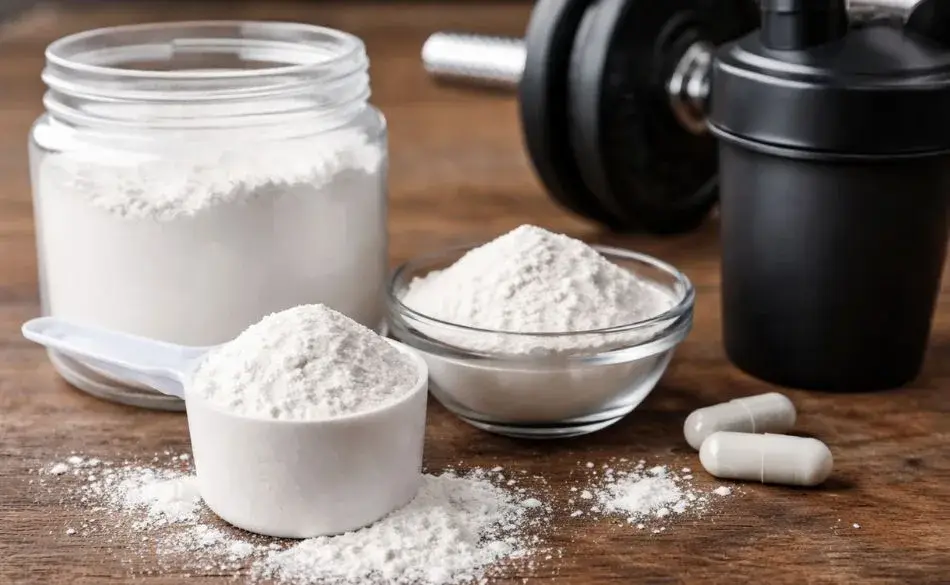

How Long Should You Wait Before Lifting Weights or Doing Cardio After a Blood Test
The right waiting time before exercising after a blood test depends on three key factors. How much blood was taken, whether you were fasting, and how your body feels afterward. While some people can return to light exercise within a few hours, others need more recovery time to avoid dizziness, bruising, or reopening the puncture site.
If you had a small, routine draw for basic testing, you can usually resume light activity after about 2–4 hours, provided you’re hydrated and have eaten. For anyone wondering how long to wait before cardio after blood test, the same timeframe applies. Though start with low intensity to see how you feel.
A fasting blood test changes the equation. Without food or water for 8–12 hours, your energy and hydration levels are already lower. In this case, waiting at least 4–6 hours after eating and drinking is safer before you hit the gym. This extra time helps stabilize your blood sugar and fluid balance, reducing the risk of dizziness during exercise.
If you gave a larger volume of blood (such as in a donation) it’s best to avoid strenuous activity for 24–48 hours. This gives your body enough time to replenish fluids and red blood cells. Trying to lift heavy weights or do high-intensity cardio sooner can cause fatigue, slower recovery, and even delayed healing in the vein.
When in doubt, a good self-check is to ask: do I feel alert, stable, and ready? If not, wait longer. If you’re planning a big workout day, it might be better to schedule your blood test for a rest or light training day. That way, precautions for exercising after a fasting blood test or routine draw become much easier to manage.
Taking a cautious approach doesn’t mean losing progress, it means protecting your long-term performance and health.
Knowing when and how to train after a blood test can make the difference between a smooth recovery and a week of lost progress. Our Running Training Plans are designed to help you transition back to workouts safely, with sessions tailored to your current recovery level, fitness goals, and schedule.
- ✅ Gentle re-entry workouts to avoid dizziness or re-opening the puncture site
- ✅ Progressive strength and cardio sessions for building endurance safely
- ✅ Flexible programming to match your post-blood-test recovery timeline
💡 Perfect for runners who want to protect their health while maintaining consistent training.
Get Your Safe Return Plan →

Safe Ways to Return to Exercise After a Blood Test
Once you’ve decided it’s safe to work out after your blood test, the next step is easing back into training without overloading your body. Even if you feel fine, jumping straight into high-intensity lifting or long cardio sessions can increase your risk of bruising, dizziness, or muscle fatigue.
The key is to start with low-intensity movements and gradually build up. For strength training, this could mean lowering the weight, reducing the number of sets, or avoiding heavy compound lifts for the first session. If you’re wondering should I avoid upper-body workouts after a blood draw, the answer is yes—at least for the first day. This reduces strain on the punctured vein and helps it heal faster.
For cardio, stick to shorter, steady-paced sessions before increasing intensity. Light cycling, walking, or gentle rowing are good starting points. If you’ve had a fasting blood test, remember that your energy stores may still be recovering. Take time to eat balanced meals and rehydrate before any demanding activity.
Here’s a simple example of a safe post-blood-test workout plan:
- Warm-up: 5–10 minutes of gentle cardio (walking or light cycling)
- Strength: 2–3 sets of bodyweight squats, light dumbbell presses, and resistance band rows
- Cardio: 15–20 minutes at a low to moderate pace
- Cool-down: Stretching and deep breathing exercises
If you experience unusual fatigue, swelling at the puncture site, or dizziness during your workout, stop immediately. Give yourself more rest before returning. This applies especially to anyone thinking about when to go to the gym after having blood drawn, listen to your body’s signals over the clock.
Ultimately, returning to exercise safely after a blood test isn’t about avoiding the gym altogether. It’s about making small adjustments so your body recovers fully while still keeping your fitness on track.


Risks of Exercising Too Soon After a Blood Test
Exercising too soon after a blood test can lead to more than just a sluggish workout, it can cause real setbacks in your recovery. One of the biggest risks is increased bruising at the puncture site. Lifting heavy weights or doing high-intensity cardio too early can raise your blood pressure, which puts extra strain on the healing vein. This can cause blood to leak into the surrounding tissue, creating a larger, more painful bruise.
Another risk is dizziness or fainting. Even small changes in blood volume can affect blood pressure, especially if you’ve had a fasting blood test and your energy stores are low. If you push into a workout while still lightheaded, you raise the chances of losing balance or injuring yourself.
For those asking is it safe to lift weights right after blood draw, it’s important to remember that muscle contractions during strength training send more blood toward the working muscles. This increases pressure in the veins, which can delay clotting and slow the healing process.
Cardio carries its own challenges. While light walking or gentle cycling might be fine, running or high-intensity intervals too soon can cause your heart rate and blood pressure to spike. This is particularly risky if you’re still feeling dehydrated or fatigued from the test.
Here’s a quick breakdown of possible issues if you train too soon:
- Bruising or swelling at the puncture site
- Lightheadedness or fainting during exercise
- Delayed healing in the vein
- Reduced workout quality due to low energy or hydration
These risks aren’t just about comfort. They can affect your next few training sessions. A simple guideline is to think about precautions for exercising after a fasting blood test or routine draw as part of your long-term fitness plan. A short rest now can save you from several days of compromised training later.
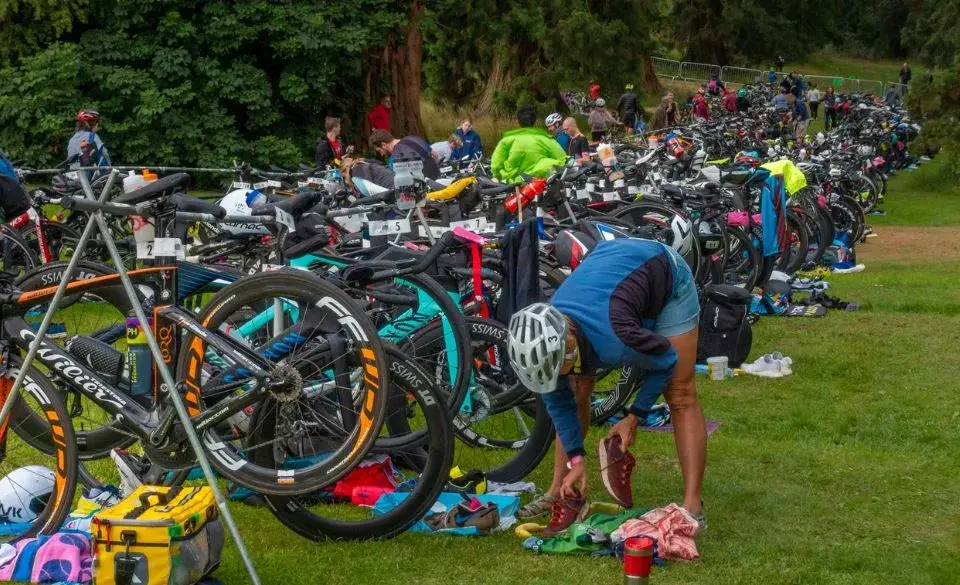
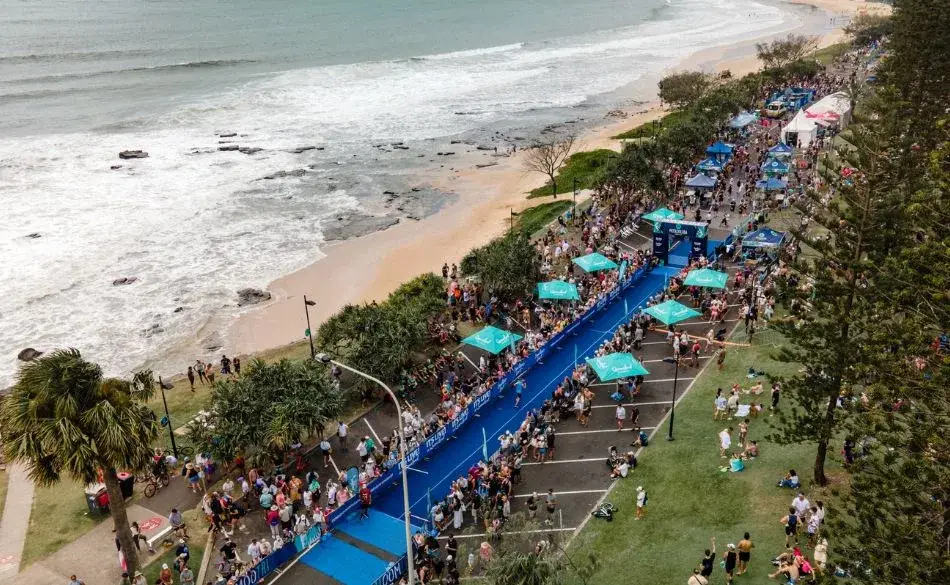
How Exercise Type Affects Recovery After a Blood Test
Not all workouts affect your body the same way after a blood test. The type of exercise you choose can make a big difference in how quickly you recover and whether you experience any side effects.
Strength training, especially heavy compound lifts like squats, deadlifts, and bench presses, creates high internal pressure in the veins. This can put extra stress on the puncture site. If you’re asking should I avoid upper-body workouts after a blood draw, the answer is yes for at least a day. Lower-body training may be safer, but it’s still wise to reduce weight and volume.
Cardio training can be a safer choice if done at a low intensity. Light walking, slow cycling, or an easy swim can help increase blood flow without raising blood pressure too much. However, anyone wondering how long to wait before cardio after blood test should still give themselves at least a couple of hours, especially if they were fasting.
Flexibility and mobility exercises are generally the safest option. Stretching, yoga, and light mobility drills keep you moving without creating much strain on the healing vein. This can be a great choice on the day of your test if you want to stay active but avoid risk.
High-intensity interval training (HIIT) or any workout that pushes you to near-max effort is best avoided for 24 hours after a large draw or fasting blood test. The combination of high heart rate, rapid blood flow changes, and potential dehydration makes HIIT the most likely type to trigger dizziness or delayed healing.
By matching your workout to your recovery state, you can still train effectively while respecting your body’s need to heal. That’s the real secret to staying consistent without unnecessary setbacks.


Recommended Recovery Timeline After a Blood Test
Knowing exactly how long to rest before exercising after a blood test can take the guesswork out of your training plan. The right recovery time depends on the type of test, whether you were fasting, and the intensity of exercise you’re planning.
Below is a simple timeline that covers common scenarios and the safest approach to returning to activity:
👉 Swipe to view full table
| Blood Test Situation | Suggested Wait Before Light Activity | Suggested Wait Before Intense Exercise |
|---|---|---|
| Routine blood test (small volume) | 1–2 hours | 2–4 hours |
| Fasting blood test | Eat, hydrate, then 2–3 hours | 4–6 hours |
| Large-volume draw or blood donation | 4–6 hours | 24–48 hours |
| Feeling dizzy or weak | Rest until fully recovered | Delay until symptoms resolve completely |
If you’re asking how long to wait before cardio after blood test, follow the “light activity” column for gentle walking or slow cycling, but delay high-intensity cardio until you’re in the “intense exercise” range.
For strength training, the same timeline applies. Heavy lifts (especially upper-body moves) put more strain on the puncture site. If you’re still wondering should I avoid upper-body workouts after a blood draw, the safest approach is to wait at least until the “intense exercise” window or swap to lower-body and core-focused training.
The timeline isn’t just about avoiding immediate problems like bruising or dizziness. It’s about keeping your energy, hydration, and performance levels high. A fasting blood test followed by intense exercise without recovery can leave you depleted for days, affecting more than one workout.
By sticking to a structured recovery plan like this, you protect your health, prevent unnecessary setbacks, and keep your training consistent over the long term.


Nutrition and Hydration Tips After a Blood Test
Fuel first, then train. That’s the simple rule that speeds recovery after a blood test and keeps your workout safe.
Start with fluids. Aim for 500–750 mL of water or an electrolyte drink in the first 1–2 hours. This helps replace plasma volume and reduces the chance of dizziness.
Add carbs plus a little protein. A banana with yogurt, toast with eggs, or a smoothie works well. Carbs top up blood sugar. Protein supports tissue repair at the puncture site.
If you completed a fasting blood test, eat a balanced meal before you move. This is one of the key precautions for exercising after a fasting blood test. A steady meal prevents lightheadedness and protects training quality.
Salt matters too. A pinch of salt in water or a salty snack can help you rehydrate faster. You’ve shifted fluid into your bloodstream to replace what was drawn. Sodium helps keep it there.
Caffeine can wait. If you’re sensitive, coffee on an empty stomach might spike jitters and drop blood sugar later. Have it with food, not before.
Wondering how soon can I exercise after a blood test? Use your refuel checklist first: drank water, ate carbs and protein, no dizziness. If you can tick all three, light movement is reasonable.
Here are the best recovery tips after a routine blood test before working out:
- Drink water or electrolytes steadily for 1–2 hours.
- Eat 30–60 g of carbs plus 10–20 g of protein.
- Keep caffeine modest and pair it with food.
- Avoid alcohol for the rest of the day.
Plan your workout around your meal timing. If you ate a small snack, keep intensity low and duration short. If you’ve had a full meal and feel stable, moderate cardio or lighter weights can be fine.
Still unsure when can I go to the gym after having blood drawn? If a brisk walk feels easy, breathing is smooth, and your arm isn’t throbbing, you’re ready for a gentle session. If not, keep hydrating and give it more time.
Planning a longer run tomorrow? Review the runner’s guide to carbohydrate gels so you know when to fuel and how much water to sip with each packet.


Signs You’re Ready (or Not) to Train After a Blood Test
After a blood test, knowing when to return to exercise isn’t just about watching the clock, it’s about listening to your body. While general timelines help, your own symptoms are the most reliable guide.
Signs you’re ready to train:
- No dizziness when standing up
- No throbbing or swelling at the puncture site
- Normal energy levels after eating and hydrating
- Stable breathing and heart rate during light movement
If you can check these off, light cardio or reduced-weight strength training can be safe. This applies even if you’re asking how soon can I exercise after a blood test. Your readiness matters more than an exact number of hours.
Signs you should wait longer:
- Feeling lightheaded or shaky
- Persistent tenderness or bruising at the puncture site
- Low energy despite eating and drinking
- Headache or unusual fatigue during daily activities
These symptoms are especially important after a fasting blood test, where hydration and nutrition play a bigger role in recovery. For some, the right precautions for exercising after a fasting blood test might mean delaying intense sessions until the next day.
If you’re still unsure when can I go to the gym after having blood drawn, try this simple self-test:
- Walk briskly for two minutes.
- Check if your breathing is smooth and you feel stable.
- If you pass without dizziness or discomfort, light training is reasonable.
- If not, rest, hydrate, and try again later.
Pass the self-test? Great, finish any light session with a few minutes of walking and mobility. These cool-down exercises for runners help prevent dizziness and speed recovery.
Training too soon can turn a minor recovery into a bigger problem. Bruising, slower healing, and poor workout quality aren’t worth the rush. Trusting these signs ensures you train smarter, stay consistent, and avoid setbacks.
If you notice chest discomfort, fluttering, or unusual breathlessness, pause your session. Here’s a helpful breakdown of heart palpitations while exercising, including common triggers and when to get checked.
Returning to swim, bike, and run sessions after a blood test requires the right balance of recovery and progression. Our Triathlon Training Plans are built to help you resume training with confidence—combining tailored workouts, mobility drills, and recovery strategies that align with your post-test needs.
- ✅ Gentle re-entry sessions to reduce strain on healing areas
- ✅ Balanced swim, bike, and run programming for steady progress
- ✅ Integrated recovery work to maintain energy and avoid setbacks
💡 Perfect for triathletes who want to keep improving while protecting their health after a blood draw.
Get Your Recovery-Ready Triathlon Plan →How to Plan Workouts Around Future Blood Tests
If you train consistently, you can make blood test days part of your plan instead of letting them disrupt progress. The easiest way is to schedule them alongside rest or light recovery days. That way, you won’t be debating how soon can I exercise after a blood test because your plan already accounts for the break.
For early morning tests, consider making that day a mobility or stretching session. These low-impact workouts keep you moving without straining the puncture site. If your test is in the afternoon, you could train in the morning before the draw, provided it’s not a fasting blood test that requires no food or drink beforehand.
If you know a heavy lifting day falls close to your blood draw, swap sessions so the high-intensity work happens the day before. This helps you avoid the question of should I avoid upper-body workouts after a blood draw, because they’re already done ahead of time.
For endurance athletes, plan your hardest cardio sessions for days well before or after the test. Even light dehydration from a fasting blood test can reduce performance and recovery. Keeping your longest runs, rides, or swims on different days ensures you stay consistent without added strain.
Here’s a simple approach for planning:
- Day before blood test – Heavier strength or intense cardio session
- Blood test day – Rest, mobility work, or light walking
- Day after – Moderate training if feeling good, or continue light activity if needed
Using this strategy means you’ll never have to search for precautions for exercising after a fasting blood test at the last minute. Your program will already be recovery-friendly. It’s a proactive approach that protects both your health and your training progress.
On your blood test day, keep it gentle: walking, mobility, or an easy spin. If you prefer to stay aerobic with less impact, try bike cross-training for runners to build endurance without stressing the draw site.
By thinking ahead, you can turn a potential disruption into an easy part of your routine, making blood draws just another scheduled event instead of a fitness setback.
Recovering from a blood test doesn’t mean you need to delay cycling training. Getting back in the saddle safely is what keeps your progress on track. Our Cycling Coaching programs include structured workouts, coach support, and tailored plans that respect your recovery needs while helping you ride stronger.
- ✅ Gentle first sessions to avoid dizziness or stressing the puncture site
- ✅ Power, heart-rate, and endurance training built around your current energy levels
- ✅ Ongoing coach feedback helps you progress without overtraining
💡 Perfect for cyclists who want to resume training confidently and effectively after a blood draw.
Explore Cycling Coaching →Conclusion – Training Smart After a Blood Test
A blood test doesn’t have to derail your training, it just calls for a smarter approach. By paying attention to your body, following hydration and nutrition tips, and knowing how soon you can exercise after a blood test, you can keep your workouts safe and productive.
The key is not rushing. Whether it’s waiting a few hours after a routine draw or taking a full day off after a fasting blood test, these short breaks protect your recovery and long-term performance. Skipping one intense workout now is far better than losing a week to bruising, fatigue, or injury.
Think of this process as another form of training discipline. Just like you pace yourself in a race or plan your strength sessions, managing post-blood-test recovery is about respecting your body’s limits. Doing so means you’ll return to the gym or the track ready to perform, not just to push through.
So next time, instead of asking when can I go to the gym after having blood drawn, you’ll already have the answer, because your training plan will work with your health, not against it. That’s the kind of preparation that keeps you consistent, confident, and progressing year-round.