What Are Compression Briefs for Running and How Do They Work
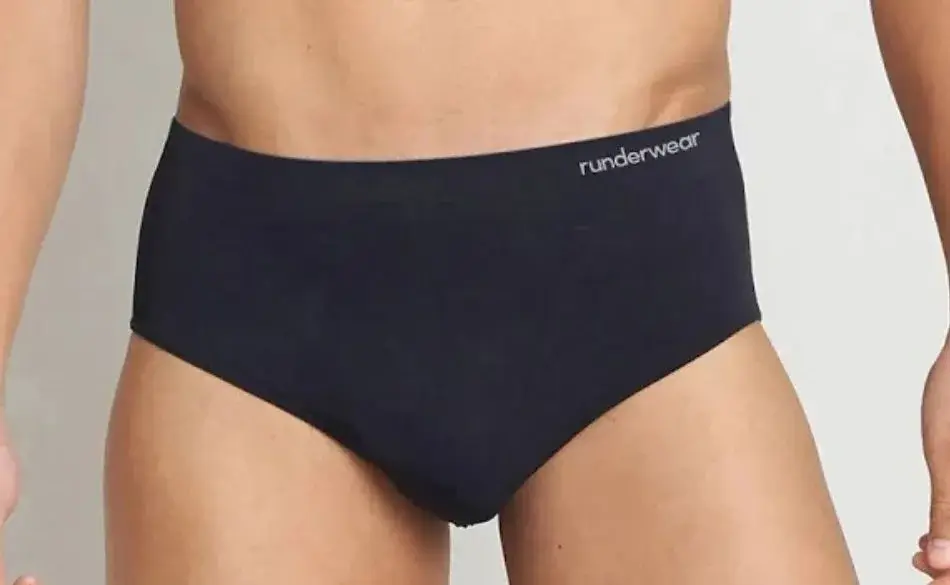
Compression briefs for running are a specialized type of athletic underwear designed to support your thighs, hips, and core during every stride. They use snug, elastic fabrics that apply gentle, even pressure to key muscle groups. This pressure helps reduce muscle vibration, which can limit fatigue and soreness during long runs.
Unlike basic running underwear, compression briefs act as a stabilizing layer. They keep your muscles engaged and supported while improving blood circulation. Many runners also appreciate how they prevent chafing in sensitive areas thanks to smooth seams and anti chafe running briefs designs.
Most performance underwear for runners combines nylon or polyester with elastane for flexibility and moisture control. These moisture wicking running briefs pull sweat away from your skin, keeping you dry and comfortable even on humid days. The result is a breathable, form fitting layer that minimizes friction and supports endurance.
A good pair of running base layer briefs can also regulate temperature. In cooler weather, they trap warmth close to your muscles. In heat, they wick away moisture faster to help you cool down.
Think of compression briefs like a soft exoskeleton that moves with you. They don’t restrict movement, but they do help you feel more connected and in control of your stride. Whether you’re training for a 10K or a marathon, they add subtle support that your body will thank you for after every run.
For runners dealing with lower leg tightness or shin discomfort, you might also benefit from targeted calf support. Learn more in our detailed guide on compression sleeves for shins to see how they can improve recovery and reduce pain after intense runs.
Level up with one-to-one guidance, structured training blocks, and clear feedback. Our Running Coaching program delivers a plan that fits your goals, schedule, and current fitness so you can progress with confidence.
- Custom training plan: weekly sessions tailored to your pace, terrain, and race timeline
- Coach feedback: form cues, pacing strategy, and adjustments after key workouts
- Injury-smart progress: load management, recovery weeks, and strength add-ons to stay consistent
- Race-day strategy: fueling, warm-up, and split targets so you run your best
Get structure, support, and a clear path forward. Build fitness, avoid setbacks, and enjoy every run.
Start Personalized Coaching Today →

Benefits and Limitations of Compression Briefs for Running
Compression briefs for running can make your runs feel smoother by stabilizing muscle movement, managing sweat, and reducing friction. They function as a supportive base layer, helping your legs handle repetitive impact during long-distance efforts. Although they don’t boost speed directly, evidence shows they can enhance comfort, reduce muscle oscillation, and slightly improve post-run recovery.
The following table outlines what these briefs typically do well and where expectations should stay realistic. It combines findings from recent sports science research and practical runner feedback.
👉 Swipe to view full table
| Aspect | Proven or Observed Benefits | Limitations / Notes | Best Use |
|---|---|---|---|
| Muscle stabilization | Reduces vibration and soft-tissue movement (Frontiers in Sports & Active Living, 2025) | Improves comfort but not overall performance | Long runs, downhill segments, recovery days |
| Perceived soreness reduction | Moderate evidence of reduced DOMS and fatigue (BJSM, 2014) | Benefits vary; effects are subjective | After intense or back-to-back sessions |
| Chafing prevention | Anti chafe running briefs with smooth seams reduce friction | Poor fit or rough stitching can still irritate | Humid climates, long-distance training |
| Moisture management | Moisture wicking running briefs enhance comfort and skin cooling | Performance depends on fabric quality | Warm weather, high sweat conditions |
| Circulation & recovery | Gentle compression may aid venous return (Sports Med, 2021) | No consistent effect on aerobic metrics | Post-run wear for 1–3 hours |
For the best results, choose performance underwear for runners with flat seams and breathable fabrics. Lighter running base layer briefs work better for hot weather, while mid-level compression is ideal for distance and recovery. Compression shorts for running can offer similar support but often feel warmer, so briefs strike a balance between performance and comfort.
Overall, compression briefs for running don’t replace training or recovery routines, but research shows they can enhance comfort and reduce soreness, especially for runners tackling higher mileage or consecutive training days.

How to Choose the Right Compression Briefs for Running
Choosing the best compression briefs for running depends on your comfort preferences, training volume, and climate. The right fit balances support with breathability while minimizing friction. Quality fabrics, seam placement, and the right compression level can transform how your runs feel. Use this checklist to find a pair that suits your training style and body type.
- Compression level: Go for mid-range compression (around 15–25 mmHg) for everyday running. It’s firm enough for muscle stability without feeling restrictive.
- Fabric blend: Choose nylon or polyester combined with elastane for flexibility and moisture control. These materials keep you cooler and drier than cotton.
- Seam style: Look for anti chafe running briefs with flatlock seams or seamless designs that reduce rubbing on long runs.
- Leg band grip: Silicone or elastic cuffs prevent the briefs from rolling up during intense movement.
- Ventilation zones: Mesh panels in moisture wicking running briefs improve airflow for better heat management.
- Cut and fit: Men’s and women’s styles differ slightly in rise and coverage, so try multiple fits before deciding.
- Durability: Rotate a few pairs to help each maintain elasticity and shape after repeated washes.
When comparing brands, check how the waistband feels (too tight can restrict breathing, too loose can cause shifting). If you often run in heat, lighter performance underwear for runners will feel cooler. For cold weather or recovery days, thicker running base layer briefs can provide extra warmth. Always test them during easy runs before race day so you know they work for you.


When and How to Use Compression Briefs
Knowing when and how to wear compression briefs for running can make a big difference in comfort and recovery. While they can be worn during training or after workouts, timing and duration matter. The right approach helps you get the most out of their stabilizing and recovery benefits without overheating or feeling restricted.
- During runs: Use them for medium to long distances when muscle support and chafe prevention are key. They work best under lightweight shorts or tights for smooth movement.
- After runs: Many runners wear performance underwear for runners or other compression layers for one to three hours post-workout. This can help improve circulation and reduce delayed onset muscle soreness (DOMS).
- In warm weather: Choose thin, moisture wicking running briefs that allow heat to escape easily. Breathable mesh panels help reduce trapped sweat and irritation.
- In cool weather: Thicker running base layer briefs provide gentle warmth without adding bulk. Pair them with running tights for extra insulation on long winter runs.
- For recovery days: Light compression can promote relaxation and improve comfort when your muscles are tired, even if you’re not training that day.
Be mindful of wear time. Extended compression beyond a few hours adds no extra benefit and may cause skin irritation. Most studies suggest the recovery effect peaks within the first three hours post-run. Wash your anti chafe running briefs after every use to prevent bacteria buildup and loss of elasticity.
Think of compression briefs as part of your training toolkit, not a cure-all. They work best when combined with proper hydration, stretching, and recovery routines. Use them strategically on demanding training days or whenever you need a little extra support for your stride.
Every successful marathoner knows recovery isn’t just a bonus — it’s a key part of consistent progress. Our Marathon Training Plan helps you build endurance and speed while managing fatigue through structured recovery. Each week is carefully designed to balance hard efforts with smart rest, keeping your legs strong and your motivation high.
- Balanced programming: includes long runs, intervals, and active recovery sessions that build strength without overload
- Recovery built in: mobility routines, cooldown stretches, and easy runs designed to accelerate repair
- Adaptable for all levels: whether chasing your first marathon or a personal best, each plan adjusts to your pace and experience
- Coach support: guidance from experienced running coaches who monitor progress and fine-tune your sessions
Build endurance with purpose, recover with intention, and train smarter for your next marathon.
Explore Marathon Training Plans →

Care Tips and Longevity for Your Compression Briefs
Proper care is the key to keeping your compression briefs performing like new. These garments rely on elastic fibers that can lose strength with heat or harsh detergents. Following a few simple steps ensures they maintain compression, shape, and comfort for months of consistent training.
- Rinse immediately after use: Salt and sweat can degrade elastic fibers. A quick rinse after every run helps preserve their structure.
- Wash gently: Use cold water and a mild detergent. Avoid bleach or fabric softeners, which damage the elastane in performance underwear for runners.
- Air dry: Skip the dryer. Heat breaks down compression fibers quickly. Hang or lay flat in the shade instead.
- Rotate pairs: Using multiple sets gives each pair time to rest and recover its elasticity between runs.
- Inspect regularly: Replace when you notice sagging, thinning fabric, or seams loosening. Most moisture wicking running briefs last six to twelve months with steady use.
High-quality anti chafe running briefs often use advanced elastic blends that can endure hundreds of washes, but even the best pairs wear out over time. Avoid wringing them out aggressively, and always store them dry to prevent bacterial buildup. If you alternate your running base layer briefs and clean them properly, you can expect consistent compression and comfort for a long training season.
When your legs feel tight or your IT band flares after long runs, combining your compression gear with proper recovery tools helps a lot. For tips on foam rolling and how to avoid pain while releasing the IT band, check out our article on foam roller & IT-band relief.


When You’ll Notice the Real Benefits of Compression Briefs for Running
Compression briefs for running aren’t just another gear trend, they shine most when your body is under sustained effort or fatigue. You might not notice a big difference on a short jog, but when the distance increases or conditions get challenging, their benefits become clear. They support key muscle groups, help reduce rubbing, and keep you feeling stable mile after mile.
- Long-distance training: During runs of 15 km or more, compression briefs reduce micro muscle oscillations and fatigue.
- Hilly or trail routes: Uphill and downhill running cause repetitive strain; compression helps limit muscle vibration and soreness.
- High-volume training weeks: When running back-to-back days, compression can support recovery and comfort.
- Humid or hot weather: Moisture wicking running briefs prevent skin irritation and chafing from excess sweat.
- Speed sessions: On tempo or interval days, stabilization helps maintain consistent form and stride rhythm.
These benefits are subtle but add up over time. A pair of anti chafe running briefs can make a 90-minute run feel smoother and leave your legs fresher afterward. Think of them as a quiet support system, always working in the background to reduce discomfort and keep your muscles firing efficiently.
Like any performance gear, consistency matters. You don’t need to wear them for every run, but they make a noticeable difference during longer, harder, or hotter sessions. Once you experience the comfort and stability they provide, it’s hard to go back to standard running underwear.


Most Popular Compression Briefs for Running
With so many options available today, choosing the right pair of compression briefs for running can feel overwhelming. To help narrow things down, here’s a look at some of the most trusted and best-reviewed models on the market. Each offers a slightly different balance of compression, breathability, and anti-chafe protection. So the ideal choice depends on your goals, climate, and budget.
Below is a quick comparison of popular briefs designed specifically for runners. Whether you prefer ultra-light moisture wicking running briefs or more supportive running base layer briefs, these options all deliver proven comfort and quality.
👉 Swipe to view full table
| Product | Key Features | Best For | Approx. Price (AUD) |
|---|---|---|---|
| Runderwear Running Briefs | Seamless construction, anti chafe running briefs design, moisture-wicking fabric | Everyday training, humid conditions | $38 |
| LSKD Elevate Sprint Brief | Lightweight compression, breathable mesh, minimal seams | Speed work, tempo runs | $59 |
| Decathlon Kalenji Running Briefs | Budget-friendly, soft stretch, quick-dry fabric | Beginner runners, short runs | $10 |
| Under Armour HeatGear Compression Briefs | 4-way stretch, moisture wicking running briefs, odor control | Warm-weather running, layering under shorts | $45 |
| 2XU Motion Compression Briefs | Moderate compression support, flatlock seams, quick-dry finish | Long-distance training, recovery wear | $65 |
As you can see, every pair of compression briefs for running serves a slightly different purpose. Premium options like 2XU or LSKD deliver targeted compression and durability, while affordable brands such as Decathlon still offer comfort and moisture control for casual runners. When deciding, prioritize fit and comfort first. Price and brand should always come second.
Before committing, try wearing each brand during a short jog or indoor session. A brief that feels perfect standing still may shift or pinch mid-run. Once you find the right fit, it’s worth investing in multiple pairs so you can rotate them throughout your training week.

Compression Briefs vs Other Compression Gear
It’s helpful to know how compression briefs for running compare to other types of compression gear like shorts and tights. Each offers different levels of support, warmth, and breathability depending on your training conditions. Choosing the right one helps you stay comfortable and get the most benefit from every session.
Below is a simple comparison showing when to use briefs, shorts, or tights based on coverage, comfort, and weather needs.
👉 Swipe to view full table
| Type | Main Advantages | Drawbacks | Best Use |
|---|---|---|---|
| Compression Briefs | Lightweight, breathable, minimal fabric bulk | Less thigh coverage, lower compression range | Hot weather, layering under shorts, long runs |
| Compression Shorts | Mid-thigh support, strong stabilization, reduces vibration | Can retain more heat, slower to dry | Cooler temperatures, strength or interval training |
| Compression Tights | Full-leg coverage, excellent warmth, improved circulation | Less ventilation, can feel restrictive in heat | Cold-weather runs, recovery sessions, post-race wear |
In general, compression briefs strike a balance between comfort and practicality. They’re ideal when you want targeted support without trapping heat. Compression shorts add more muscle coverage for intense efforts, while compression tights work best for cold-weather running or recovery sessions. Some runners even layer briefs under shorts to combine breathability and extra thigh stability during long efforts.
If you want to learn how lower-leg compression can enhance recovery alongside compression briefs for running, explore our guide on compression socks and running for more insights on balancing full-body support.


Why Compression Briefs for Running Are Worth Adding to Your Gear
For many runners, compression briefs for running become an essential part of training once they experience the comfort and support they offer. They may not make you faster, but they can make running feel smoother, more controlled, and less punishing on your muscles. The benefits are small but meaningful, especially when you’re logging high mileage or recovering from tough workouts.
Think of them as gear that bridges performance and recovery. They provide a steady foundation under your shorts, reduce friction, and help your muscles stay engaged during long efforts. Over time, these subtle effects can add up. That means, less soreness after back-to-back runs, fewer skin irritations, and a fresher feeling at the end of a long session.
Performance underwear for runners is no longer just for elite athletes. Everyday runners can benefit from better temperature control, fewer distractions, and added muscle support. Whether you choose light moisture wicking running briefs for summer or thicker running base layer briefs for cold mornings, the right fit keeps your focus on running, not discomfort.
In short, compression briefs are about comfort, confidence, and consistency. They won’t transform your stride overnight, but they help you finish runs feeling stronger and recover faster. For most runners, that’s more than enough reason to make them part of every training week.
To complement your compression strategy, check out our full guide on recovery runs and learn how they can boost muscle regeneration and consistency in your training.