What Makes Deer Pose So Different From Other Hip Openers
Most hip stretches hit the same tired muscles over and over, which is why your hips still feel like blocks even after a long mobility session. Deer Pose feels different right away. It opens your hips in two directions at the same time by putting one leg in hip external rotation and the other in hip internal rotation. Your body isn’t used to that combination, so the relief feels almost surprising.
When your front leg rotates outward, you gently stretch the glute max, piriformis, and the tiny deep rotator muscles that sit under your glutes. If you run hills, sprint, or spend long hours on the bike, these muscles work hard every day. They deserve this kind of slow, patient opening.
The back leg is where the magic really happens. When it rotates inward, you reach areas like the TFL (tensor fasciae latae), the front part of the glute med, and even the upper quad. Most people almost never stretch these muscles, which is why an internal rotation stretch feels so “new.” If you’ve ever wondered why your hips feel stuck when you try to stride longer or climb out of the saddle, lack of internal rotation is often the hidden reason.
Your hips are ball-and-socket joints, which means they’re designed to move in big, sweeping directions. But modern life rarely lets that happen. You sit, you repeat the same motions, and slowly your hip muscles change shape to match those habits. That’s why a pose like this can feel like a reset button.
One of my marathon clients described Deer Pose as “the first stretch that actually got into the places nothing else reached.” After a week, his stride felt smoother and his lower back stopped flaring up on long days. Sometimes the simplest pose unlocks the biggest change.
Here’s why Deer Pose hits so differently for athletes:
- It opens deep tissues you usually can’t reach.
- It frees the hip capsule so movement feels cleaner.
- It helps your pelvis stay level, easing lower back stress.
- It reduces the locked or pinchy feeling many endurance athletes get.
If your hips often feel tight or uneven, this pose gives them room to breathe.
If you want stronger, more confident movement during runs, rides, or brick sessions, our Triathlon Coaching Program helps you build better hip control, reduce stiffness, and use poses like Deer Pose more effectively in your weekly routine.
Get a personalised plan that balances hard training with smart recovery. Learn how to pair key sessions with hip mobility exercises for runners and hip mobility exercises for cyclists so you move with less tightness and more power across all three disciplines.
Start Your Coaching Journey

How Do You Actually Do Deer Pose Safely?
If you’re new to Deer Pose for beginners, don’t worry. This pose looks a bit unusual at first, but once you feel how it supports your body, it starts to make sense. Think of it as a quiet workshop for your hips rather than a big performance pose.
Start seated on the floor. Bend one leg in front of you with the knee pointing slightly out. This is the leg in a gentle hip external rotation stretch. Then bend the back leg behind you with the knee pointing more toward the back corner of your mat. That back leg creates a soft hip internal rotation stretch. Already, you’re giving both sides of the hip joint different tasks.
Your job here isn’t to push or force a deep stretch. Your job is to line things up so your body feels safe. That’s the secret behind many Deer Pose benefits. When your nervous system feels secure, your muscles let go more.
You can use this simple check list each time you set up:
- Both sitting bones should feel as grounded as possible.
- Your front knee should feel supported, not twisted or stressed.
- The back hip should feel like it’s gently rolling inward, not jammed.
- Your spine should feel long, not slumped or forced upright.
Once you’re settled, you can fold your chest slightly toward your front knee or stay upright. Folding forward usually turns this into more of a Deer Pose for hips experience. Staying upright can shift some sensation toward Deer Pose for lower back pain, especially if your back muscles often grip from hard training.
In many Deer Pose in yin yoga sequences, you stay here for two to five minutes. That long, quiet hold lets your body slowly adjust. If that feels too much at first, you can start with 45–60 seconds and build up. The goal is not to chase sensation. The goal is to stay calm enough that your hips trust you to go a little deeper over time.
If you want more simple drills to support your hip rotation and make Deer Pose feel even better, this guide on mobility exercises for runners gives you a set of easy movements you can pair with your sessions.

Why Runners and Cyclists Feel Deer Pose So Deeply
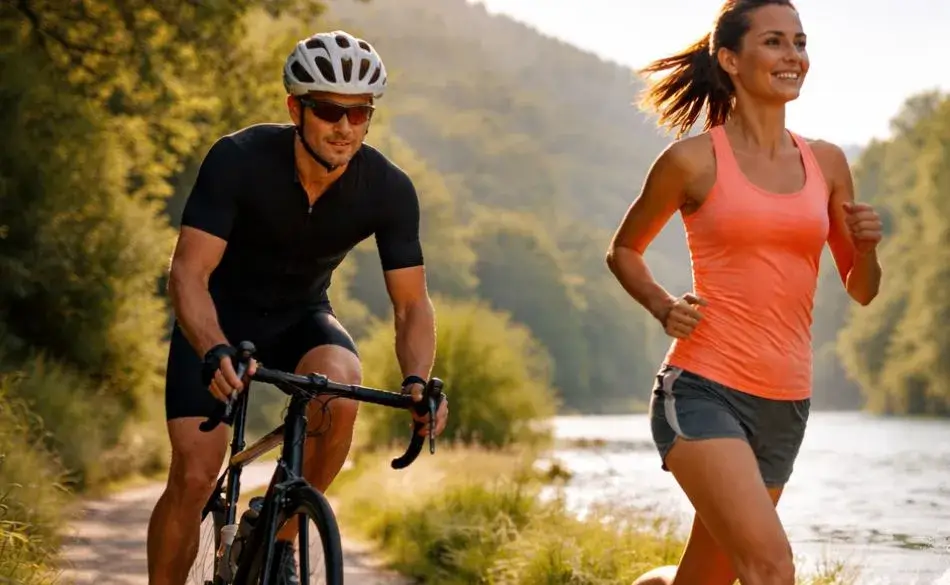
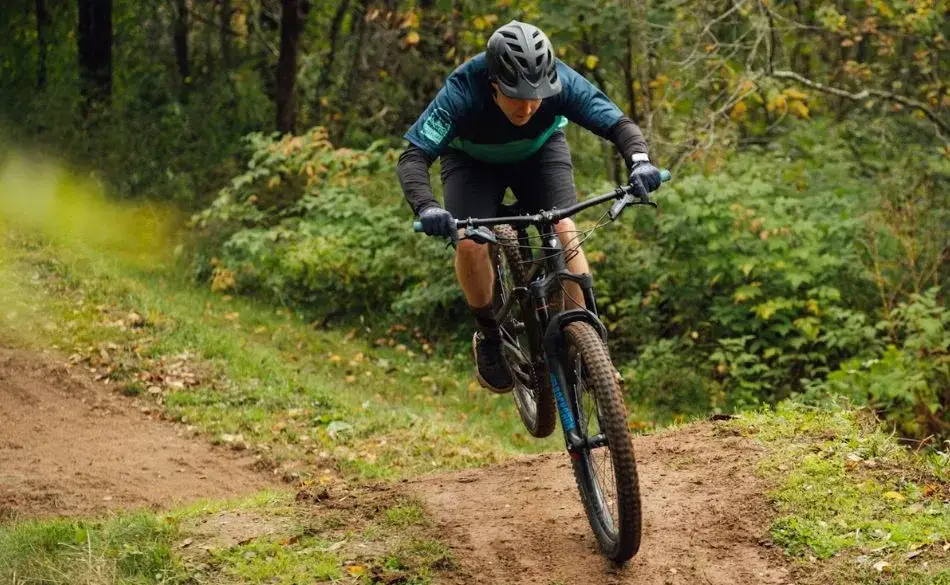
If you run, ride, or race triathlon, your hips work hard in one main direction. You move forward again and again. Over time, that can make your hips strong but stiff. Deer Pose for tight hips gives your body a break from that one-way pattern.
Instead of pushing range like a big lunge, this pose lets you rest on the floor and slowly unwind. That’s a huge part of the Deer Pose benefits for endurance athletes. Your nervous system calms down, your breathing slows, and your muscles finally stop guarding. Have you ever noticed how your hips feel more open after an easy stretch than after a hard one? That’s the same idea here.
For runners, you can think of Deer Pose as one of your key hip mobility exercises for runners. It supports cleaner leg drive and helps your pelvis stay more stable when you land. For cyclists, it works like hidden strength work. By improving rotation control, it backs up your power in the saddle and makes long rides feel smoother. Many triathletes find it helps them move more freely when they step off the bike and start the run.
Here’s how this pose supports different kinds of athletes:
- Runners
Use Deer Pose after easy runs or long sessions. It helps undo the tight, one-direction load on your hips and can support better stride length over time. - Cyclists
Treat it as one of your main hip mobility exercises for cyclists. It balances the bent-hip position you hold on the bike and reduces the “locked” feeling when you try to stand or walk. - Triathletes
Add it on your lighter training days. It links well with Deer Pose in yin yoga sessions, helping you reset your hips between heavy bricks, tempo runs, and long rides.
If you’ve ever thought, “My hips just don’t move well,” this pose gives you a clear, simple way to change that story.
If you want even more support for smoother, stronger hip movement, you can pair Deer Pose with targeted strength work. This guide on hip strengthening exercises for runners shows simple ways to build stability alongside your mobility routine.
If you want smoother strides, fewer tight spots, and more confidence on long runs, our Running Coaching Program helps you build strong, efficient movement patterns while reducing the stiffness that slows you down.
Get a tailored plan that pairs smart training sessions with simple tools like Deer Pose and targeted hip mobility exercises for runners. Learn how to balance intensity and recovery so your hips stay open, your stride stays relaxed, and every run feels a little easier.
Start Your Coaching Journey

When Should You Use Deer Pose in Your Training Week?
One of the most common questions I get is, “When should I actually fit this into my week?” You already juggle runs, rides, strength work, and maybe swims. Adding more can feel like too much. The good news is, Deer Pose for hips doesn’t need a lot of time to work.
Think of it as a “reset” session, not a workout. You can use it after easy training days, recovery rides, or short runs. That’s when your body is calm enough to accept change. If you only ever try it after brutal intervals, your system may be too wired to relax fully.
Many athletes like to pair Deer Pose in yin yoga with a short breathing practice. Five minutes of slow, easy holds can support better sleep and help manage stress from training. It’s also a great option on travel days or taper weeks, when you want to keep things light but still support your joints.
To make things clearer, here’s a detailed table showing how runners, cyclists, and triathletes can use this pose in different ways across the week:
👉 Swipe to view full table
| Category | Runners | Cyclists | Triathletes |
|---|---|---|---|
| Best Timing in the Week | After long runs or easy recovery jogs. | After long endurance rides or light spin days. | On swim-only days or light brick days. |
| Session Length | 1–2 sets of 1–3 minutes per side. | 1–2 sets of 2–4 minutes per side. | Short 1–2 minute holds to avoid extra fatigue. |
| Main Goal | Ease Deer Pose for tight hips and improve stride comfort. | Support hip rotation and off-the-bike posture. | Help transitions feel smoother between bike and run. |
| Primary Focus Area | Glutes, piriformis, and hip capsule comfort. | TFL, outer hip, and deep hip stabilisers. | Balanced hip motion for all three sports. |
| Best Used With | Easy mobility, walking, or light core work. | Gentle spinning and upper-body mobility. | Short yin sessions and relaxed breathing work. |
| Notes & Caution | Avoid forcing depth if knees feel stressed. | Support the back hip with padding if pinchy. | Keep holds shorter close to race day or key sessions. |
As you look at this, ask yourself where a calm, floor-based session would fit best. Could you add Deer Pose for beginners twice a week after easier days? Even that small habit can support smoother movement and less stiffness over time.


Is Deer Pose Really Worth Adding to Your Routine?
Here’s the thing about new mobility work. It always feels optional until something hurts. Then it suddenly feels urgent. Deer Pose benefits sit in that sweet spot where a small time investment can save you from a lot of future stiffness and frustration.
If you’re honest, how much attention do you really give your hips right now? You might foam roll, do a quick quad stretch, then move on. But your hips drive every stride, every pedal stroke, and every push out of the saddle. When they move better, everything else feels smoother. If you ride often, adding a few supportive stretches like those in our guide on best stretches for cyclists can make the hip-opening effects of Deer Pose feel even more noticeable.
For some athletes, the biggest change shows up as fewer little aches. For others, it’s feeling more stable on uneven ground or more relaxed in the lower back. Many people describe Deer Pose for lower back pain as a gentle way to ease the tug that tight hips place on the spine. It’s not a magic fix, but it often becomes a quiet anchor in a busy training week.
You don’t have to turn this into a huge project. You could start by pairing the pose with just two sessions each week. Maybe after an easy run, or on a day when you’re already doing hip mobility exercises for runners or hip mobility exercises for cyclists. Over a month, you’ll have given your hips dozens of relaxed minutes in positions they rarely see.
Right now, more runners, cyclists, and triathletes are turning to slower practices like Deer Pose in yin yoga to balance all the hard sessions. The trend isn’t about being “softer.” It’s about being smarter with your body so you can keep training and racing for years, not just months.
If your hips have been asking for attention, consider this your nudge. Try Deer Pose consistently for a few weeks. Notice how your stride, pedal stroke, and lower back feel. Your body will tell you very clearly whether this pose has been missing from your toolkit.
If long rides leave your hips tight or your pedal stroke feeling uneven, our Cycling Coaching Program gives you the structure and guidance to improve power, comfort, and efficiency on the bike.
Your personalised plan includes strength, technique work, and simple recovery tools like Deer Pose and targeted hip mobility exercises for cyclists. With the right balance of training and mobility, you’ll move better in the saddle and feel fresher after every ride.
Start Your Coaching Journey
Why This Pose Belongs in Your Routine
Deer Pose is one of those rare movements that feels simple but creates real change when you give it time. It doesn’t ask for strength or perfect form. It just asks you to slow down long enough for your hips to actually notice what you’re doing. If you train hard, run long, or spend hours on the bike, that kind of quiet work can feel unfamiliar at first, but it’s exactly why this pose works so well. You can also build on this approach by understanding the broader benefits of stretching, which support the same kind of long-term mobility Deer Pose helps create.
Try it a few times a week. Let it become part of your warm-down or your easy days. Pay attention to how your stride feels, how smooth the pedal stroke becomes, or how relaxed your lower back gets after longer sessions. Sometimes the smallest shift in your routine delivers the biggest relief. Deer Pose might be that shift for you.