How Running Actually Changes The Shape Of Your Legs
When people ask “does running slim your legs”, they usually want to know what happens inside the body when the miles start adding up. The truth is that running influences your legs in three main ways. It helps reduce body fat in your lower body, it builds lean muscle, and it slowly improves your overall leg shape from your hips to your ankles. These changes do not happen overnight, but they do build quietly in the background every time you head out for a run.
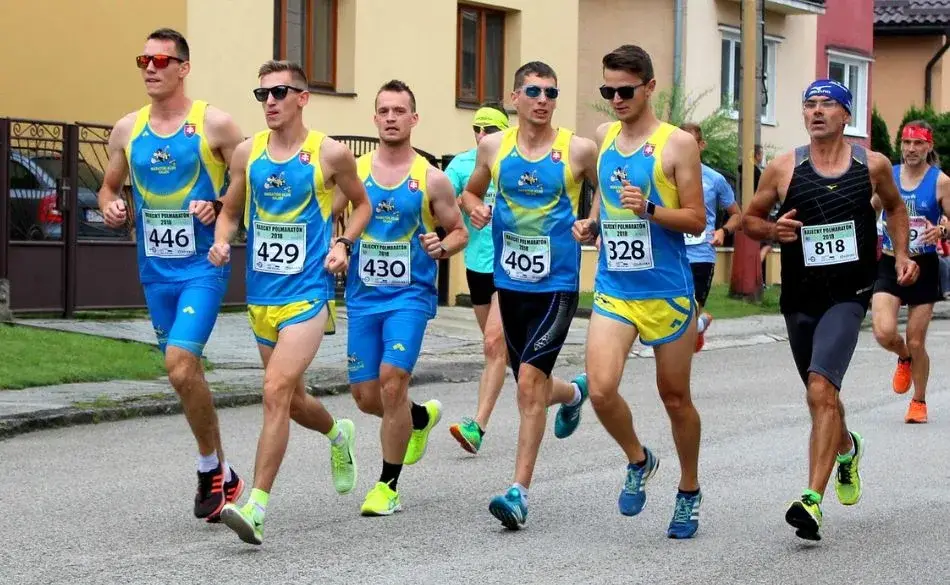
Running is a cardio based activity that uses your large leg muscles over and over again. When these muscles work for long periods, they increase your daily calorie burn, and this makes it easier to tap into stubborn areas like thigh fat. That is why many runners notice that their legs begin to look a little lighter and more toned after a few weeks of steady training. If you have ever wondered why runner leg muscles look long and defined instead of bulky, it comes from this repeated low to moderate intensity work.
Your pace also matters more than many people realise. Slow and relaxed running taps into fat stores more effectively. This is why research supports the idea that slow running burns fat in a different way than fast sprinting. When you spend more time running at an easy pace, your body shifts toward fat use rather than relying only on stored carbohydrates. Over time this creates changes that you can see and feel.
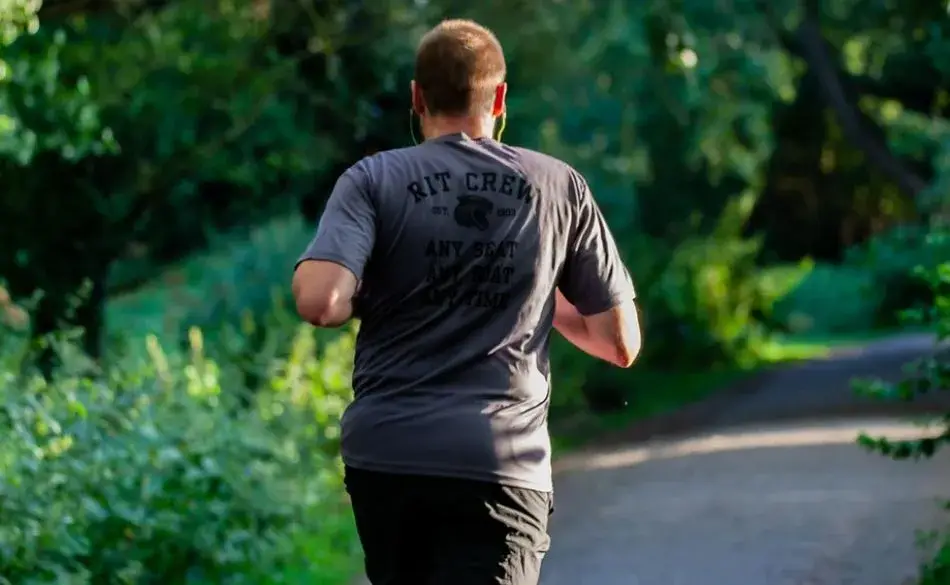
Another key factor is consistency. If you run two or three times each week, your legs adapt. The muscles become more efficient and the fat covering them slowly reduces. This blend gives you a more toned appearance. It also explains why running and leg shape often go hand in hand for people who stick to a routine.
If you want guidance on choosing the right running intensity—or you’re unsure how to build strength without adding unwanted bulk—our Running Coaching program gives you a clear, personalised path toward slimmer, stronger legs.
We help you balance easy runs, steady sessions, and supportive strength work so your legs feel more stable, more efficient, and more confident with every step. Your plan is adapted to your experience level, your weekly routine, and the specific shape and feel you want from your running.
Whether your goal is to slim your legs, improve running form, or finally feel in control during longer distances, personalised coaching makes progress clearer, safer, and easier to maintain.
Get Personal Support →

Why Some Runners Get Slimmer Legs And Others Feel Their Legs Are Getting Bigger
Many people are surprised when their legs start to feel tighter or slightly bigger during the first weeks of running. It often leads to the question “why are my legs getting bigger from running”, especially when you were expecting slimmer, lighter legs right away. The truth is that running changes your body in different phases, and what you notice early on is not always what happens long term.
When you first begin running, your muscles hold more water as they repair and strengthen. This is completely normal. Every runner experiences this temporary swelling, and it can make your legs feel fuller even though you are making progress. Your muscles are learning to handle the new workload. Over time this settles, and your legs naturally shift toward a more toned and streamlined look.
Genetics also plays a bigger role than most people realise. Some people store more fat in their thighs, while others carry more in their midsection. If your legs are one of your body’s preferred storage areas, they may take a little longer to show visible change. This does not mean running is not working. It simply means your body needs a bit more consistent training to reduce leg fat in a noticeable way. You can learn more about how aerobic exercise supports overall fat reduction in this overview from Harvard School of Public Health, which explains how long-term activity influences fat patterns throughout the body.
Your training style also matters. Some runners enjoy hills, sprints, and fast intervals. These sessions activate fast twitch muscle fibers, which can make your legs feel stronger and slightly more muscular. Others focus on long, steady running. This style encourages leaner running body transformation results because it uses fat for fuel and builds endurance based muscle rather than bulk based tissue.
What matters most is choosing the type of running that matches your goals. If you want smaller, slimmer thighs, you may benefit from more easy running and fewer intense hill sessions. If you want stronger and more athletic legs, mixing in faster work will help. Either way, your body will respond in a positive direction if you remain patient and consistent.

What Type Of Running Is Best For Slimmer, Leaner Legs
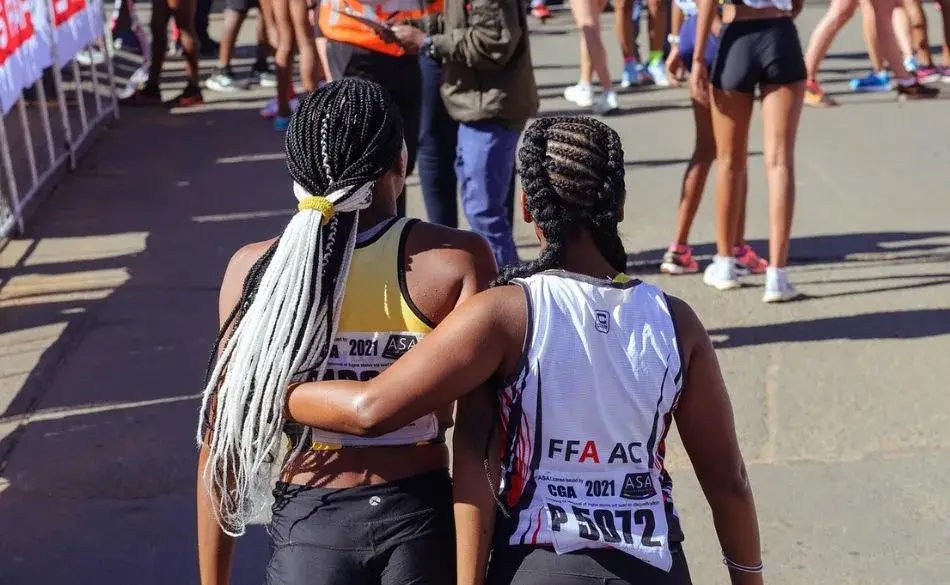
Not all running styles create the same results. If your main goal is slimmer, lighter looking legs, the way you run matters just as much as how often you run. Many people aim for a running body transformation, but they follow a routine that does not match the look they want. The good news is that you can adjust your training in simple ways to guide your results.
Easy running at a relaxed pace is one of the most effective approaches for reducing leg fat and shaping your legs without adding extra bulk. This type of running uses more fat for energy and puts less strain on fast twitch muscle fibers. These are the fibers that grow larger with heavy resistance or speed work. When you run easily, your body relies more on slow twitch fibers, which stay smaller and leaner.
You may also find that steady running helps slim areas that usually feel stubborn. If you have ever wondered about how long it takes to see changes in your legs, remember that steady aerobic running builds up quietly. Little changes occur week after week until one day your jeans fit differently or your legs feel lighter during daily movement.
Here are running styles that support a slimmer leg shape:
- Easy pace running that allows you to speak in full sentences.
- Long but comfortable runs that gradually increase your weekly endurance.
- Short recovery runs that support fat use and keep your legs moving without stress.
And here are running styles that build more visible muscle:
- Hill sprints that engage fast twitch fibers and increase power.
- Track intervals that focus on speed and create a stronger, athletic look.
- Explosive sprint work that activates muscles in a way that can increase size slightly.
If your goal is slimmer legs, spend more time in the first group of sessions. If you want stronger and more defined legs, blend both styles with care. What matters most is choosing the mix that fits your personal goals and feels enjoyable enough to stay consistent.
If you want extra ways to support your running with movements that shape and strengthen your legs, our guide on leg exercises for runners offers simple options that fit perfectly alongside an easy running routine.


Simple Breakdown Of Running Styles And How They Affect Leg Slimming
Understanding how different running styles influence your results can help you stay consistent and avoid frustration. Many runners expect quick changes in their legs, but your routine plays a large part in shaping outcomes. Some people focus on long runs and notice slimmer, more defined legs over time. Others enjoy speed work and wonder why their muscles feel tighter instead of smaller. Both reactions make sense when you look at what each workout actually does.
Steady aerobic running can help reduce leg fat and support a slimmer shape because it encourages your body to rely on fat as fuel. This is the same reason many athletes naturally develop leaner running and leg shape changes when they stick with easy to moderate running for several months. On the other hand, fast running sessions fire up more powerful muscle fibers. This can create that strong, athletic look that sprinters are known for.
To help you see the difference clearly, here is a side by side breakdown using a simple comparison table. It shows how various training styles influence your legs, your energy, and your long term progress. Use it to guide your own routine toward the results you want. If your goal is slimmer legs, spend more time with the methods that encourage fat use and endurance based muscle. If you want power and definition, choose the faster sessions that challenge your strength.
👉 Swipe to view full table
| Running Style | Impact on Leg Slimming | Impact on Muscle Size & Tone |
|---|---|---|
| Easy Pace Running | Promotes the highest fat oxidation and supports steady reduction of leg fat when done consistently. | Creates lean, long lasting muscle tone with very little bulk. |
| Long Slow Distance | Burns the most total calories and encourages a slimmer lower body over time. | Builds endurance based muscle that stays lean rather than large. |
| Tempo Running | Improves metabolic efficiency and helps maintain a healthy body fat level. | Creates firmer muscle tone without significant increase in size. |
| Hill Running | Burns calories quickly but may not reduce leg size if done often. | Engages fast twitch fibers which can slightly increase muscle size. |
| Sprint Intervals | Great for overall fitness but not ideal for slimming if the goal is smaller legs. | Strong hypertrophy effect which can make thighs and calves more muscular. |
| Mixed Running Programs | Balances fat loss and strength, helpful for general fitness and leg definition. | Creates a blend of lean endurance muscle and moderate power based tone. |


What Real Results Look Like And How Long Slimmer Legs Can Take
One thing many runners want to know is how long it actually takes to see changes in their legs. The honest answer is that everyone responds at a slightly different pace. Your genetics, your routine, and the type of running you choose all play a role. But most people begin noticing small changes within a few weeks, especially if they stay consistent with easy or steady running. These early improvements may not be dramatic, but they are often enough to keep you motivated.
The shift becomes more noticeable around the eight to twelve week point. By this stage, your body has adapted to using more fat for fuel, and your stride feels smoother and more relaxed. If a slimmer look is your goal, these weeks matter because your legs have had enough time to adjust, strengthen, and shed small amounts of leg fat that once felt stubborn. You may not see it day to day, but the slow changes add up.
A good example is one of my clients who started running to feel lighter in her legs. She had struggled with confidence for years and worried that running would make her legs look bigger instead of slimmer. We focused on easy running three times a week, mixed with one steady session. After six weeks she mentioned her jeans felt slightly looser. At twelve weeks she told me she finally saw the shape she had hoped for. The change did not happen all at once, but her consistent effort paid off.
If your own progress feels slow at times, remember that visible changes often happen quietly. You do not need extreme training to get a slimmer look. You need steady efforts that support fat burning, muscle endurance, and a routine you can maintain. With time, your legs begin to reflect the work you put in, both in shape and in confidence.


How Your Body Type Affects Leg Slimming From Running
Your body type plays a much bigger role in leg slimming than most runners realise. It explains why two people can follow the same running plan and still see very different results. The way your body stores fat, the kind of muscle fibers you have, and your natural build all influence how quickly your legs respond to training.
People with a pear-shaped body often carry more fat around their hips and thighs. When they begin running, they often lose fat from their legs, but the change may feel slower at first. Their bodies simply prefer storing fat in the lower body, which means consistent running is needed before the legs look noticeably slimmer. These runners usually do best with steady, easy running that reduces leg fat without building extra muscle.
On the other hand, runners with naturally athletic or muscular builds often have more fast twitch muscle fibers. These fibers respond quickly to powerful movements, which can make the legs feel firmer or slightly bigger when doing hills or sprints. If someone with this body type wants a slimmer running and leg shape, choosing more relaxed, steady running can help guide results.
There are also runners who naturally fall into a leaner endurance build. They often see changes quickly because their bodies are already wired toward efficient fat use and long-lasting muscle endurance.
Here are signs that your body type influences your results:
- You lose fat from the thighs quickly or very slowly
- You naturally build muscle with sprints or hills
- You feel changes in leg shape faster than overall weight
- You notice endurance training feels easier than speed work
And here is how to adjust your training to match your body type:
- Pear-shaped runners benefit from more steady, easy running
- Muscular runners may reduce hills and increase relaxed mileage
- Naturally lean runners can use almost any running style effectively
Understanding how your body responds removes frustration and helps you choose a training style that supports the legs you want.

Nutrition Habits That Quietly Help Slim Your Legs
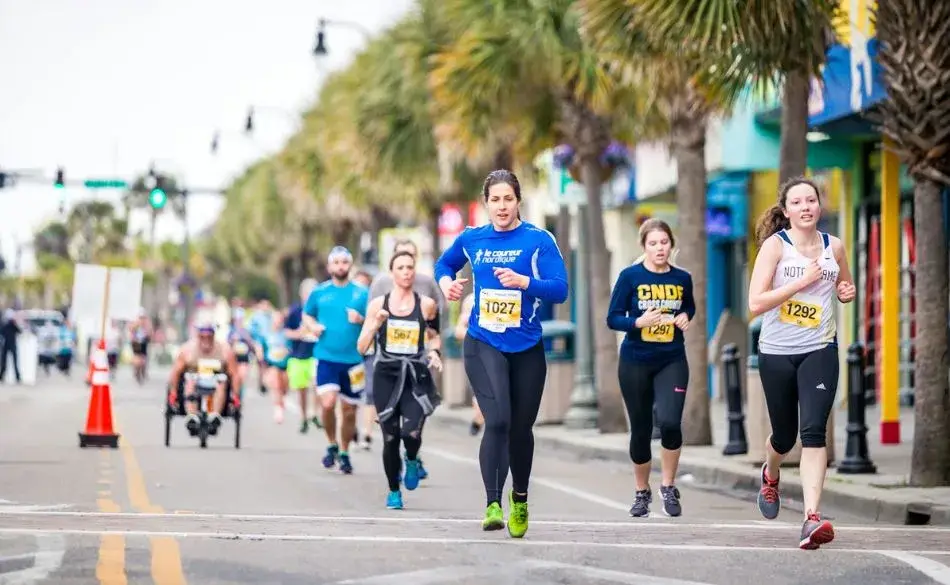
Running does a lot of the work, but your everyday eating habits decide how much change you actually see in your legs. You do not need a strict diet to help leg fat reduce. You just need simple, steady habits that support the work your running is already doing. Think of food as the quiet partner that makes your training easier and your results more visible.
One of the most helpful ideas is to keep your blood sugar stable. Big spikes and crashes in energy can make you feel tired, hungry, and more likely to overeat. That can slow down your progress, even if you are running often. When your meals are balanced, your body is better able to burn fat during and after your runs, which supports a smoother running body transformation over time.
It also helps to think about what your plate looks like most of the time, not just on “perfect” days. Small changes repeated often matter more than short bursts of strict eating.
Here are simple nutrition habits that support slimmer legs from running:
- Include a source of protein in most meals to support muscle repair and control hunger.
- Add fiber rich foods like vegetables, fruits, and whole grains to help you feel full longer.
- Choose mostly slow digesting carbs such as oats, rice, and potatoes instead of constant sugary snacks.
- Drink water regularly through the day so your legs feel lighter and less puffy.
You can also use timing to your advantage. Eating a small carb based snack before a run gives you energy without weighing you down. Having a mix of carbs and protein after a run helps refill your energy stores and supports the lean muscle that shapes your legs. None of this needs to feel strict. When your food choices match your running goals most of the time, your body feels better, your legs recover faster, and the changes in shape become easier to see and maintain.
If you want a simple way to add light strength work that supports slimmer legs without adding bulk, you can also explore our guide on ankle weight exercises, which helps improve lower-leg control and endurance alongside your running.

Strength Exercises That Support Slimmer Legs Instead Of Bulking Them Up
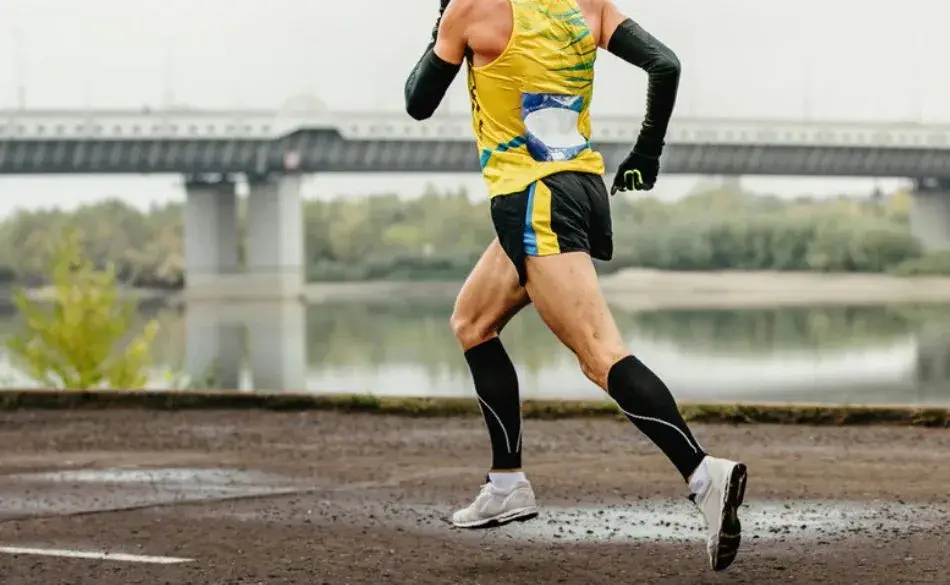
Many runners worry that strength training will make their legs bigger instead of slimmer. The truth is that the way you lift matters more than the fact that you lift. When you choose the right type of strength work, you can support a lean running and leg shape without adding unwanted bulk. In fact, smart strength training can make your legs feel lighter, more stable, and more powerful with every step.
The main idea is to focus on movements that improve muscle endurance rather than maximum strength. Exercises that use your body weight or light weights for more repetitions help the same kind of muscle fibers that easy running develops. These slow twitch fibers are built for long lasting effort, not size. When you train them, your legs become more toned and controlled, which helps you hold good form even when you are tired.
Examples include step-ups onto a low box, reverse lunges, single leg bridges, and calf raises performed with steady, controlled tempo. These moves build strength around your hips, knees, and ankles. They also support the muscles that guide your stride so your joints do not take all the load. Over time this can reduce injury risk and help your running feel smoother, which supports your long term running body transformation.
What you want to be more careful with are very heavy lifts performed for low repetitions and explosive jumping drills done in large volumes. These styles of training recruit more fast twitch fibers. They can be helpful for performance in some cases, but they may add more size than you want if your main goal is slimmer legs. You do not need to avoid them completely, but they should not dominate your plan if you are focused on reducing leg fat and creating a lighter look.
Strength work should feel like a partner to your running, not something that fights against it. When you choose exercises that match your goals, your legs become strong, stable, and slim enough to support the way you want to move and feel.
And if you’re looking to target your calves even more specifically as part of your leg-slimming journey, check out our detailed guide on best calf exercises for runners that complements the running and strength work discussed here.
If you want a simple structure that balances easy running with the right strength work, our Marathon Running Training Plan provides steady, progressive sessions that support fat loss, leg shaping, and long-term consistency.
The plan is designed to help you feel lighter and more stable in every stride by guiding your weekly running load and keeping your lower body supported without overtraining.
Whether you’re working toward slimmer legs, better endurance, or a more confident running routine, following a structured plan helps every session feel clearer and more rewarding.
View the Plan →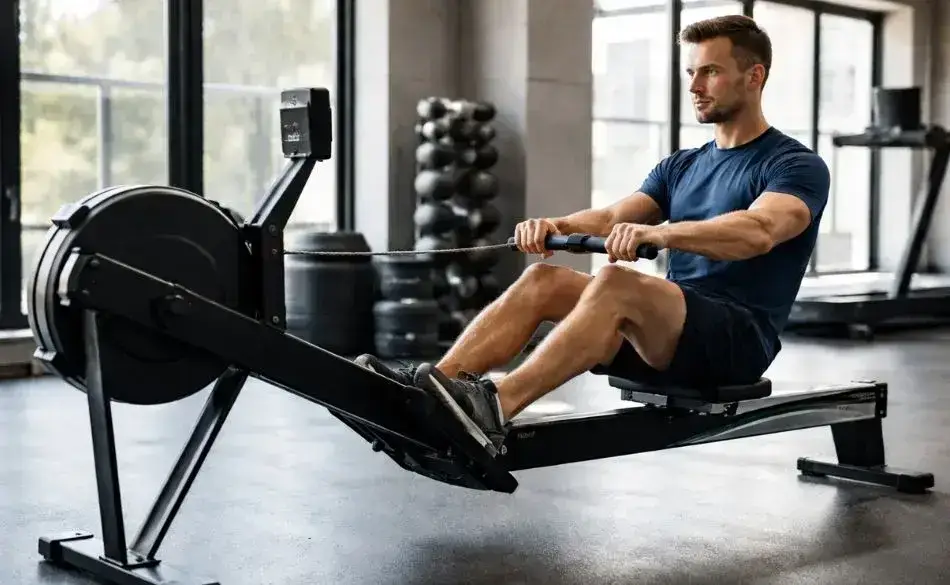
The Gentle Truth About Slimmer Legs And Why Your Consistency Matters Most
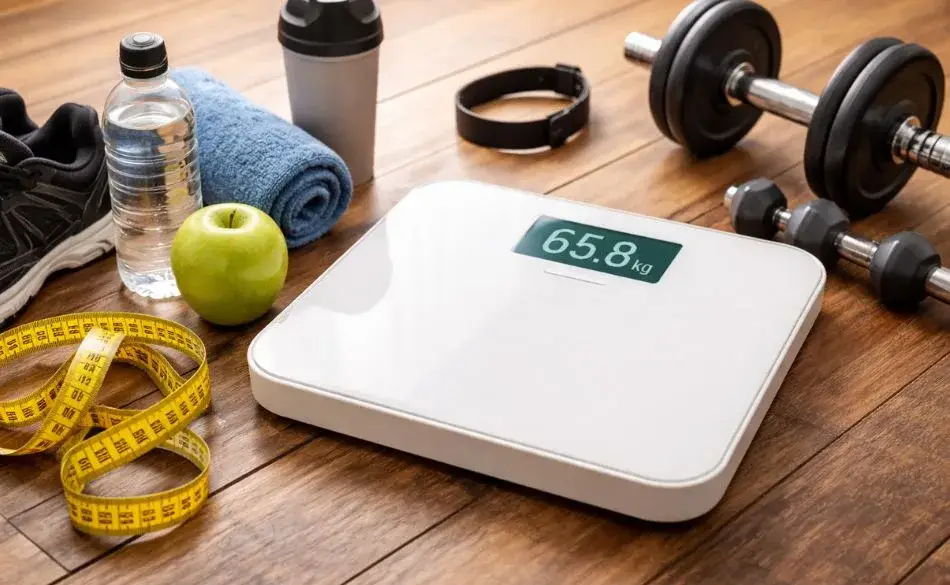
At the end of the day, the question “does running slim your legs” is really about what happens when you stay committed long enough to let your body change at its own pace. Running is not a quick transformation tool. It is a rhythm you build, a habit that grows with time, and a form of movement that slowly shapes your legs through repetition, energy use, and steady improvement. The results can feel subtle at first, but when they show up, they are real and lasting.
Your legs change because running teaches them to work better, not harder. Every step improves muscle endurance. Every run increases your daily calorie burn. Every week of consistent movement helps reduce small amounts of leg fat that you may have struggled with for years. Even the days when running feels slow or heavy are still part of the process that lightens and shapes your legs over time.
You may have moments when you look in the mirror and wonder if anything is happening. That is normal. Body changes do not happen loudly. They build quietly in the background until one day your stride feels easier or your clothes fit differently. What matters most is choosing a running style that matches your goals and staying patient enough to let the results appear.
If you want slimmer legs, follow the simple path of steady, easy running. If you want stronger and more defined legs, mix in speed work or hill sessions. Your routine does not need to be complicated. It just needs to fit the shape you want and the lifestyle you live.
With time, running rewards your effort. It strengthens your confidence as much as your legs. It helps you feel lighter, more capable, and more connected to your body. And when the changes finally show, they feel earned, natural, and deeply satisfying.