Understanding Duathlon Distances
When you’re starting out in duathlon, the first thing you need to know is the variety of duathlon distances. Choosing the right distance is key to having a fun and safe experience. The most common format for beginners is the sprint duathlon. This typically includes a 5 km run, a 20 km bike ride, and a final 2.5 km run. It’s short enough to be manageable but still challenges your endurance and pacing skills.
For athletes looking for more of a challenge, standard or Olympic duathlons are the next step. These races generally involve a 10 km run, a 40 km bike ride, and a 5 km run. They require more training, better energy management, and a bit of strategy during transitions to perform well. Long-distance duathlons are for experienced athletes, sometimes featuring 20 km runs, 80 km bike legs, and 10 km runs. These races demand serious preparation, consistency, and mental toughness.
Another well-known event series is the Powerman duathlon, famous for combining a 10 km run, a 60 km bike, and a 10 km run. Powerman events attract experienced duathletes who enjoy challenging courses and competition at a higher intensity. Training for these distances requires focused endurance work, brick sessions, and smart pacing strategies to handle the longer bike leg.
Another key point is that distances vary slightly between events. Even within Powerman series races, terrain or course length can differ. Always check the race information beforehand so you can tailor your training and pacing accordingly. Knowing the different duathlon distances (sprint, standard, long-distance, and Powerman) helps you pick a race that matches your current fitness, experience, and goals. Start with shorter distances if you’re new, and gradually work your way up as your confidence and endurance improve. This ensures your first race is enjoyable, safe, and rewarding.
Many athletes who try duathlon are also curious about mini triathlons. If you want to learn more about the distances and structure of those events, check out Understanding Mini Triathlon Distances A Complete Guide for a detailed breakdown.

The Training You Need to Crush Any Duathlon
Training for a duathlon isn’t just about running or cycling, it’s about combining both efficiently. A smart duathlon training plan balances running, cycling, and specific brick workouts that simulate the race experience. Bricks help your legs adapt to the unique feeling of switching from bike to run.
Beginners often make the mistake of focusing on one discipline. You need a mix of endurance, speed, and strength training to succeed in sprint, standard, long-distance, and Powerman duathlons. Here’s a basic framework:
- Separate run and bike sessions: build aerobic fitness and endurance.
- Brick workouts: bike followed immediately by a run to train your legs for transitions.
- Interval training: short bursts of high intensity for speed and stamina.
- Strength training: core, legs, and upper body to improve power and prevent injury.
- Flexibility and mobility work: keep muscles pliable and reduce stiffness.
One client I coached, Liam, struggled with fatigue during the bike-to-run transition in his first sprint duathlon. By adding two brick sessions per week and incorporating interval runs, he improved his final run leg and finished with confidence. Small adjustments in training make a huge difference in performance.
Other training tips include:
- Gradually increase weekly mileage and bike distances to avoid overtraining.
- Practice pacing for each segment of your run-bike-run event.
- Use heart rate or power monitoring to train in the right zones.
- Include recovery days. Your body adapts when it rests.
Remember, consistency matters more than intensity. Training smart, not just hard, will make your duathlon experience enjoyable and sustainable. By combining endurance, brick workouts, intervals, and strength sessions, you prepare yourself for any race distance, from a beginner sprint to a challenging Powerman event.
If you’re intrigued by the idea of structured training plans for multisport events—and want to see how a beginner can progress from scratch. Check out our guide on Couch to Triathlon: Beginner’s Guide to Your First Triathlon for inspiration.
If you want a duathlon training plan that removes guesswork and helps you prepare with confidence, our Personal Duathlon Coaching Program gives you personalised sessions, clear structure, and ongoing support tailored to your fitness level and race goals.
Each week is built to help you progress steadily across both running and cycling, manage fatigue, and improve your transition zone skills—so you arrive at race day ready to perform at your best.
Explore Duathlon CoachingChoosing the Right Duathlon for Your Skill Level
Not all duathlons are created equal. Picking the right event for your experience and fitness level can make your first race enjoyable instead of overwhelming. From sprint to standard, long-distance, and Powerman duathlon events, each race type has its own challenges and training requirements.
Beginner athletes should start with sprint duathlons. These typically feature a 5 km run, 20 km bike, and 2.5 km run. Sprint duathlons are manageable while still testing your endurance and transitions. They’re perfect if you’re new to multisport racing or returning from a break.
Standard or Olympic duathlons require more endurance and pacing. Expect distances like 10 km run, 40 km bike, and 5 km run. Training for these races often includes structured duathlon training plans with brick workouts, interval training, and strength sessions.
Long-distance and Powerman events are best suited for advanced athletes. Long-distance duathlons push 20 km runs, 80 km bike legs, and 10 km final runs. Powerman duathlons often feature a 10 km run, 60 km bike, and 10 km run, attracting experienced competitors seeking a challenge. Attempting these without proper preparation can be discouraging or even unsafe.
One client I coached, Emily, was unsure whether to start with a sprint or standard race. She tested her fitness using timed brick sessions and shorter training races. This helped her decide on a sprint duathlon first, building confidence before moving to longer distances. By matching her skill level to the right race, she avoided unnecessary fatigue and enjoyed her first finish.
When choosing your duathlon, consider:
- Your current running and cycling fitness.
- Experience with transitions and brick workouts.
- Available training time and weekly sessions.
- Race goals: finishing, improving time, or competing.
- Course terrain and distance, Flat courses are easier for beginners.
Starting with a race that fits your skill level allows you to focus on improving technique, enjoying the experience, and building a foundation for more challenging events. Remember, the goal is to finish strong, gain confidence, and make your first duathlon a success.
Popular Duathlon Events and Race Comparison Table
Once you understand your skill level, it helps to see how the different duathlon events compare. Whether you’re considering a sprint, standard, long-distance, or Powerman duathlon, each race type has unique distances, average completion times, and training requirements. Comparing events can help you choose the one that best matches your fitness, experience, and goals.
Here’s a clear comparison to guide your decision:
👉 Swipe to view full table
| Event Type | Run Distances | Bike Distance | Avg Completion Time | Experience Level | Recommended Weekly Training |
|---|---|---|---|---|---|
| Sprint Duathlon | 5 km + 2.5 km | 20 km | 1–1.5 hrs | Beginner | 3–4 sessions/week |
| Standard / Olympic | 10 km + 5 km | 40 km | 2–2.5 hrs | Intermediate | 4–5 sessions/week |
| Long-Distance | 20 km + 10 km | 80 km | 4–5 hrs | Advanced | 5–6 sessions/week |
| Powerman Duathlon | 10 km + 10 km | 60 km | 3–4 hrs | Advanced | 5–6 sessions/week |
Seeing this table makes it easier to plan your training and choose the right event. For example, sprint duathlons are perfect for beginners with limited weekly training time, while Powerman events are best for advanced athletes seeking a challenge. Use this comparison alongside your training to pick a race that fits your goals and experience level.
Remember, starting with the right event prevents unnecessary fatigue, reduces risk of injury, and helps you enjoy your first run-bike-run event. After completing a race that matches your skill, you’ll have a solid foundation to progress to longer or more challenging duathlons in the future.
If you’re ready to ride stronger, climb better and nail your next event, our Cycling Coaching Program gives you personalised training plans, real‑time coach support, and tailored workouts designed around your goals, schedule and ride style.
Whether you’re prepping for your first gran fondo, targeting a time trial, or simply looking to ride more consistently, each week is structured to build endurance, speed, and technique—so you arrive at your bike event feeling ready and confident.
Explore Cycling Coaching

Gear Nutrition and Equipment Every Duathlete Needs
Success in duathlon isn’t just about training. The right gear and nutrition can make or break your race. Having a proper duathlon gear checklist ensures you’re prepared for a smooth run-bike-run event, regardless of the distance or course.
Essential gear includes:
- Comfortable running shoes suited to your stride and race distance.
- A reliable bike that you can handle confidently on both flat and hilly courses.
- A helmet and any safety equipment required by race rules.
- Hydration options like water bottles or a small hydration pack.
- Optional items: cycling gloves, repair kit, sunglasses, and padded shorts for longer distances.
Nutrition is just as important. Even sprint duathlons demand energy management. Beginners often underestimate how quickly the body burns calories during a bike leg. Quick energy snacks like energy gels, bananas, or electrolyte drinks before or during the bike leg can help sustain performance. Practice your nutrition strategy in training to avoid stomach issues on race day.
Training your transition skills is another key part of preparation. Practicing smooth transition zone skills at home helps save valuable seconds between legs. One client I coached, Mia, struggled on her first sprint duathlon because she fumbled in the transition zone. After a few practice sessions simulating race conditions, she gained confidence and improved her overall time.
Additional tips for gear and preparation:
- Check your bike thoroughly before each race: brakes, gears, tires, and saddle position.
- Lay out your transition area in training to reduce panic on race day.
- Test all nutrition and hydration during practice runs and rides.
- Dress appropriately for weather: layers for cold, moisture-wicking fabrics for heat.
- Use sunscreen, sunglasses, or a cap for sun protection on outdoor courses.
By combining the right gear, effective nutrition, and practiced transitions, you reduce stress and boost confidence. These small details often make the biggest difference between a smooth, enjoyable duathlon and one full of unnecessary challenges. Preparation is just as important as fitness in achieving a successful race.
If you’re ready to run stronger, faster and smarter, our Running Coaching Program gives you personalised training plans, real‑time coach support, and tailored workouts designed around your goals, schedule and run‑style.
Whether you’re prepping for your first 5 km, chasing a marathon PB, or simply want to improve your speed and technique, each week is structured to build endurance, speed, and injury‑resistance—so you arrive at your next race feeling confident.
Explore Running CoachingCommon Mistakes to Avoid in Your First Duathlon
Starting your first duathlon is exciting, but beginners often make avoidable mistakes that can affect performance and enjoyment. Understanding common pitfalls helps you prepare smarter and finish stronger.
One of the most frequent errors is going out too fast on the first run. Many athletes get caught up in adrenaline and push beyond their limits, leaving little energy for the bike or final run. Pacing properly is essential for sprint, standard, long-distance, and Powerman duathlons.
Another common mistake is neglecting transition zone skills. Fumbling with shoes, helmet, or bike can waste valuable minutes. Practicing transitions during training helps you move smoothly from run to bike and back to run, saving both time and energy.
Some beginners overlook nutrition and hydration. Even a sprint duathlon can drain energy quickly. Failing to eat or drink adequately can cause fatigue, cramps, or dizziness. Practicing your duathlon nutrition strategy during training prevents surprises on race day.
Gear and equipment errors also occur frequently. Bikes with improper fit, worn tires, or missing tools can create stress or safety issues. One client, Alex, experienced a slow first transition because his bike saddle was too low. After correcting his setup and reviewing his duathlon gear checklist, his next race felt much smoother.
Other mistakes to avoid include:
- Skipping brick workouts and only training running or cycling separately.
- Underestimating recovery. Overtraining can lead to injury or burnout.
- Ignoring weather conditions and wearing inappropriate clothing.
- Not testing nutrition or hydration in practice sessions.
- Failing to plan pacing strategies for each race segment.
By recognizing and avoiding these mistakes, you can focus on performance, enjoyment, and safety. Proper preparation, practice, and awareness allow you to fully embrace your first run-bike-run event and build confidence for future duathlons.
How to Prepare for Your Duathlon and Nail Race Day
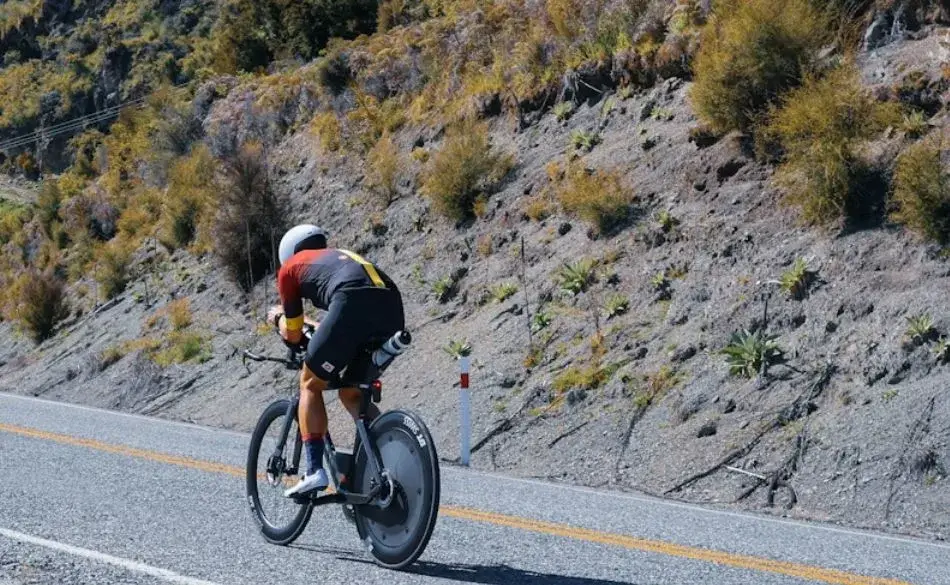
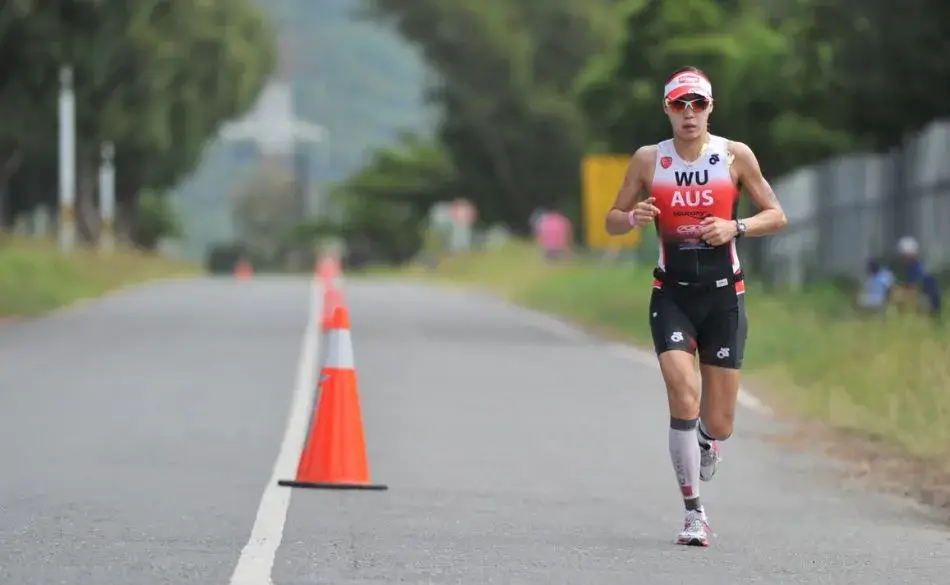
Race day is where all your training, gear, and planning come together. Proper preparation ensures your first duathlon, whether sprint, standard, long-distance, or Powerman duathlon, goes smoothly. Knowing what to expect and how to manage each leg is key to a confident performance.
Here’s what you need to focus on before and during the race:
- Check your duathlon gear checklist: running shoes, bike, helmet, water bottles, and any repair tools.
- Nutrition plan: Have quick energy sources like gels or bananas for the bike leg. Eat familiar foods to avoid stomach upset.
- Transitions: Practice transition zone skills at home or in training to make bike-to-run swaps smooth and fast.
- Warm-up: Include a light jog and dynamic stretches to prepare muscles for the first run.
- Mental preparation: Visualize each leg, focus on pacing, and anticipate challenges.
One client, Sarah, was nervous about her first sprint duathlon. By laying out her gear the night before, practicing transitions, and planning her nutrition, she was able to focus on racing instead of worrying.
Other tips for race day:
- Arrive early to set up your transition area and review the course.
- Check your bike tires, brakes, and saddle position one last time.
- Start conservatively on the first run—saving energy for the bike and final run.
- Stay hydrated and take small energy bites during the bike leg.
- Use positive self-talk and focus on one leg at a time to stay mentally strong.
By planning carefully and focusing on preparation, you reduce stress and increase your confidence. A smooth race day experience lets you enjoy the thrill of a run-bike-run event, no matter the distance, and sets the stage for future duathlon successes.

Recover Smarter and Keep Improving After Every Duathlon
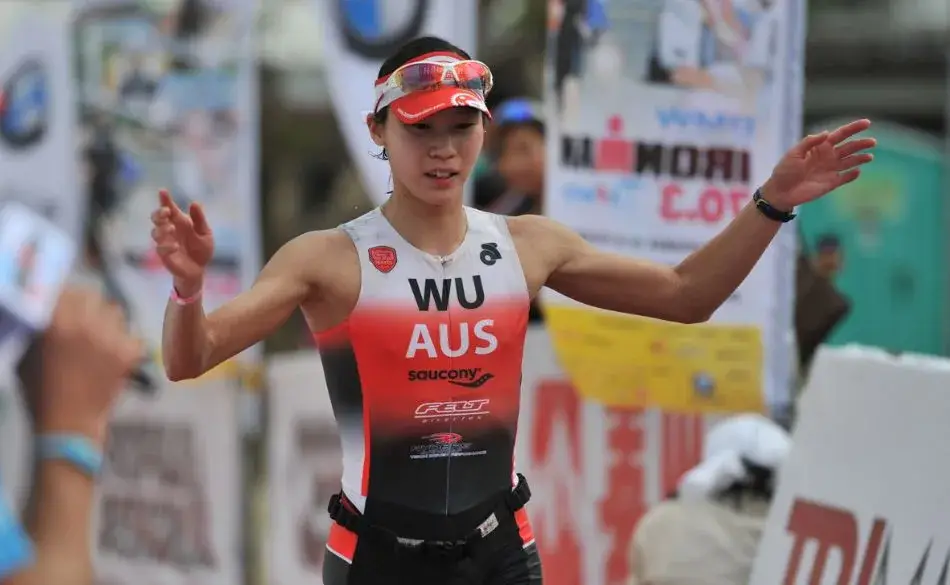
Finishing your first duathlon is exciting, but what you do afterward can make a huge difference in your progress. Recovery allows your body to repair, adapt, and get stronger for the next race. Proper post-race care is just as important as your duathlon training plan.
Key recovery strategies include:
- Cool down: A light jog or easy cycling helps flush out lactic acid.
- Stretching and mobility: Focus on calves, quads, hamstrings, and hip flexors to reduce soreness.
- Hydration and nutrition: Replenish fluids and glycogen with water, electrolytes, and balanced meals.
- Rest: Quality sleep is crucial for muscle repair and adaptation.
- Foam rolling and massage: Target tight areas to improve circulation and flexibility.
Training adjustments after a race are also important. Evaluate your performance and identify what worked well and what needs improvement. Did your transition zone skills slow you down? Was your pacing off? Did you feel fatigued on the bike or final run? Use these insights to adjust your next duathlon training plan and build better endurance and speed.
Other tips include:
- Keep a training log to track mileage, effort, and recovery for both running and cycling.
- Include regular brick workouts to continue practicing smooth transitions.
- Rotate training focus between speed, endurance, and strength every few weeks.
- Listen to your body.Avoid pushing through injuries or persistent fatigue.
- Celebrate small wins; confidence and mindset are key in duathlon.
By prioritizing recovery and adjusting training smartly, you make each race easier and more enjoyable. These strategies help you progress through sprint, standard, long-distance, and even Powerman duathlons safely. Over time, you’ll see measurable improvements, feel more confident on race day, and enjoy the unique thrill of every run-bike-run event.

Conclusion: Start Your Duathlon Journey Confidently
Duathlon is a unique and rewarding challenge that combines running and cycling in a run-bike-run format. Whether you’re considering a sprint, standard, long-distance, or Powerman duathlon, understanding distances, training, gear, nutrition, and race-day strategy is key to success. Each component (pacing, transitions, and recovery) plays a role in helping you perform at your best.
Remember, preparation is just as important as fitness. By choosing the right event for your skill level, following a structured duathlon training plan, practicing smooth transitions, and managing nutrition and gear, you’ll feel confident and ready on race day. Avoiding common mistakes ensures your first experience is enjoyable and motivating.
Every duathlete starts somewhere, and your first race is a stepping stone to greater achievements. Embrace the challenge, celebrate your progress, and learn from each event. Are you ready to take on your first sprint or even a Powerman duathlon? The thrill of finishing your first run-bike-run event is an experience you won’t forget.
Start small, train smart, and enjoy every mile and pedal stroke. Your duathlon journey begins now, and the skills and strategies you build today will carry you through countless races in the future. Get out there, have fun, and make your first duathlon an unforgettable success!
Frequently Asked Questions
What is a duathlon?
Do I need a specific bike for duathlon?
How many days per week should I train for a duathlon?
Not necessarily. You can race on a road bike, time trial bike, or even a well-maintained hybrid. However, if you’re looking to be competitive, a road or triathlon-specific bike can offer a performance edge.