Why Fueling Matters More Than You Think
Most runners assume that fueling only matters for long runs, but that’s one of the biggest training mistakes you can make. Even short sessions depend on proper running nutrition to power your muscles and protect your energy levels. When you start a run under-fueled, your body quickly shifts into survival mode, drawing on muscle tissue and stored glycogen instead of efficiently burning carbs and fat.
Here’s the science behind it: your muscles store about 400–500 grams of glycogen, enough for roughly 60–90 minutes of steady running. Once that supply dips, fatigue sets in fast. You might feel sluggish, dizzy, or even nauseated. That’s your body saying it’s running out of fuel.
If you’ve ever felt strong at the start of a run but crashed halfway, it’s likely a fueling issue (not a fitness one). When your pre-run meal timing is dialed in, you maintain a steady blood sugar level and spare your glycogen stores for when you need them most, like during the final kilometers.
Let’s be honest, skipping a snack before running might feel convenient, especially in early morning sessions. But over time, it slows recovery and limits endurance gains. Fueling correctly, even for shorter runs, helps you adapt faster and perform consistently.
As a coach, I’ve noticed that athletes who plan their running fuel strategy based on session length recover better and hit their training targets more often. Even something small (a banana or slice of toast with honey) can make a noticeable difference in energy and pace.
Understanding what length run should I eat for can help you plan meals and snacks so energy levels stay steady throughout training. So before you head out, think of food as part of your training gear. Just like you wouldn’t forget your shoes, don’t forget your fuel.
Stop guessing your workouts and start training with purpose. Our Running Training Plans are designed by expert coaches to help you train efficiently, improve endurance, and reach your goals with confidence.
Each plan is tailored to your fitness level, schedule, and race goals. You’ll follow clear, progressive workouts that build strength, stamina, and consistency—all without the risk of burnout or confusion.
Delivered through TrainingPeaks, your program includes pace and heart-rate targets, recovery guidance, and detailed session notes. It adapts as you improve, helping you stay motivated and on track week after week.
Train with structure. Build confidence. See real progress in every run.
Explore Running Training Plans →

How Long Can You Run Without Eating?
Your body can only carry you so far on stored energy alone. Most runners have around 90–120 minutes of glycogen in their muscles before fatigue sets in. That’s why understanding when to fuel isn’t about distance alone, it’s about duration, effort, and recovery goals.
If you’re heading out for an easy 30-minute jog, you can usually skip eating beforehand, especially if you’ve had a balanced meal within the last few hours. But once your run extends past 60 minutes, your running fuel strategy should include some carbohydrate intake to maintain energy and prevent that heavy-leg feeling. If you’ve ever wondered how running without eating actually affects your body, our detailed guide on running on an empty stomach will give you the full picture of the risks and benefits.
Here’s a simple breakdown showing how fueling needs change as your mileage increases:
👉 Swipe to view full table
| Run Duration | Fueling Recommendation | Example Foods |
|---|---|---|
| Under 45 minutes | Usually no need to eat if you’ve had a recent meal | Water, small coffee if needed |
| 45–75 minutes | Light pre-run snack 30–60 minutes before | Banana, toast with honey, or small granola bar |
| 75–120 minutes | Eat 1–2 hours before and aim for 30–60 g of carbs per hour during the run | Oatmeal with fruit pre-run, energy gel or sports drink mid-run |
| Over 120 minutes | Pre-run meal plus 60–90 g of carbs per hour during the run; gut training recommended | Energy gels, chews, electrolyte drink, or real-food options like dates |
Think of fueling for distance running like refilling your car’s tank. Wait too long, and you’ll stall before reaching the finish line. How you fuel also depends on intensity: a gentle jog burns less glycogen than a tempo session or long run with intervals.
If you’re training for a half marathon or marathon, consider gut training (practicing your fueling routine so your stomach learns to handle mid-run carbs comfortably). With consistency, you’ll notice steadier pacing, fewer crashes, and faster recovery afterward.
Want to hit your next PB or finish your first 21.1 km feeling strong? Our professional Half Marathon Running Training Plan is built by experienced coaches to help you train smarter, boost endurance, and run your best race yet.
Each plan adapts to your current fitness level and schedule, blending long runs, tempo sessions, and strategic recovery days for balanced progress. Every workout has a clear focus so you can train with structure and confidence.
Delivered through TrainingPeaks, your plan includes pace targets, heart-rate zones, and ongoing guidance from professional half marathon coaches. You’ll develop consistency, resilience, and the endurance to cross the line strong.
Take the guesswork out of your training and achieve the race you’ve been dreaming of.
Get Your Half Marathon Plan →
What to Eat Before a Short Run (Under 60 Minutes)
For most runners, fueling before a short run is about comfort and energy availability, not loading up. If your run is under an hour and you’ve eaten a balanced meal within the past 2–3 hours, you probably don’t need to eat again. Your muscle glycogen stores will be enough to power you through.
That said, running first thing in the morning is a different story. Your glycogen levels dip overnight, and heading out on an empty stomach can make you feel sluggish or light-headed, especially on faster efforts. In this case, a small pre-run snack 30–60 minutes before running can make all the difference.
Research shows that eating 1–4 grams of carbohydrates per kilogram of body weight within 1–4 hours before exercise helps top up glycogen stores and improve endurance. For shorter runs, you don’t need that full amount. Instead, a smaller snack with around 15–30 grams of easy-to-digest carbs is a practical starting point for many runners. The ideal amount depends on your body size, how long it’s been since your last meal, your intensity, and how well your stomach tolerates food. If you’re unsure, start light and adjust based on how you feel during training.
Figuring out what length run should I eat before is key for avoiding mid-run fatigue and feeling strong from start to finish.
Great Pre-Run Snack Ideas
- Half a banana or small piece of toast with honey
- A few crackers with jam or a rice cake
- Half a muesli bar or small glass of fruit juice
- One date or small handful of dried fruit
Keep it light and simple, and avoid high-fat or high-fiber foods that slow digestion. You want quick, clean fuel your body can use right away. If you’re eating closer to your run (under an hour), smaller portions will help prevent stomach discomfort.
If your pre-run meal timing is right, you’ll feel steady, focused, and strong throughout your workout. Runners I’ve coached often report better pacing and less fatigue simply from adding a small carbohydrate snack before shorter sessions. For those curious about how running without food affects energy and fat use, check out our article on the real truth about fasting running to see when it can help and when it might hold you back.
And if you’re preparing for something a little faster or more intense, take a look at our detailed guide on what to eat before a 5K. It gives you race-day breakfast and snack ideas that work when you’re chasing speed instead of distance.
For more insights into pre-run nutrition, including timing and food choices to optimize performance, check out this guide: What to Eat Before Running: Pre-Run Nutrition Tips.


What to Eat Before Long Runs (Over 90 Minutes)
When your run stretches past the 90 minute mark, what you eat before it can make or break the session. Longer runs rely heavily on stored muscle glycogen, but those reserves only last so long. To avoid hitting the wall, start with your tank full and plan steady fuel intake.
Have your main meal 2–4 hours before running. Aim for carbohydrates at 1–4 g per kg of body weight, with moderate protein and minimal fat or fiber. This tops up energy and keeps digestion comfortable.
Knowing what length run should I eat before helps you decide how much carbohydrate to consume the night before and for breakfast on long-run days.
What That Looks Like
- 2–3 hours before: Oatmeal with banana and honey, or rice with eggs and fruit
- 1–2 hours before: Toast with jam, a smoothie, or a small bowl of cereal with milk
- 30–45 minutes before (optional top up): Half an energy bar or a few chews if you feel hungry
Once you start running, aim for 30–60 g of carbohydrate per hour through the first 90 minutes. For very long sessions, particularly marathon pace or race specific work, increase toward up to 90 g per hour. Practice this in training so your stomach adapts. This is called gut training.
During marathon prep, one of my athletes, Sarah, struggled with mid run fatigue. We added a small pre run meal and 40 g of carbs every 40 minutes. Within weeks, her energy stayed stable and long runs felt easier. Smart fueling changed the outcome.
Note: These numbers are guidelines. Your ideal intake depends on your pace, training status, time since your last meal, and how well your stomach tolerates fuel. Start conservative and adjust during training.
When your run stretches past the 90-minute mark, planning your pre-run meals, including the night before, becomes extra important. For a detailed guide on what to eat the night before you tackle 21+ km, see our article on what to eat the night before a half marathon.


During-Run Fueling: When and How Much to Eat
Fueling during your run is where endurance performance comes together. Once you pass the 60–75 minute mark, your body relies more on the carbs you take in while moving. Without them, glycogen falls, fatigue rises, and pace fades.
The key is to fuel before you feel flat. A practical approach is to begin taking in carbs around the 30–45 minute point on longer or harder runs, then continue every 30–40 minutes. This keeps blood sugar steady and delays muscle fatigue.
For most runners, aim for 30–60 g of carbohydrate per hour for sessions up to two hours. For very long or race-pace efforts, increase toward up to 90 g per hour if your stomach tolerates it. Using mixed carb sources (for example, glucose plus fructose) can improve absorption.
Mid-Run Fuel Options
- Energy gels or chews: Fast acting and easy to carry.
- Sports drinks: Provide carbs and electrolytes together.
- Real food: Banana halves, dates, or small rice balls for lower-intensity long runs.
Hydration matters as much as calories. For runs over an hour, sip water or an electrolyte drink regularly. If it’s hot or humid, increase fluid intake slightly. For insights on preventing muscle cramps and keeping your stride smooth, see our guide on how to avoid cramps while running.
Athletes who start fueling early almost always finish stronger. Waiting until you feel hungry is too late. Treat fueling like pacing: steady inputs lead to steady outputs.
Remember, these are guidelines, not hard rules. Your ideal intake depends on intensity, duration, training status, time since your last meal, and gut tolerance. Many recreational runners sit comfortably at the lower end on easy long runs. Build up gradually and adjust based on feel.
Ready to take the next step toward your marathon goal? Our professional Marathon Running Training Plan gives you everything you need to build endurance, train smarter, and cross the finish line feeling strong and confident.
Each program is designed around your schedule and fitness level, combining long runs, targeted speed work, and recovery blocks that improve strength and stamina. Every workout has a clear purpose so you can train with direction instead of guesswork.
Delivered through TrainingPeaks, your plan adapts as you improve, complete with pace zones, heart-rate guidance, and ongoing feedback from experienced marathon coaches. Step by step, you’ll develop the rhythm, endurance, and focus to perform your best on race day.
Build confidence, stay consistent, and run the marathon you’ve always wanted.
Get Your Marathon Plan →

What to Eat After Your Run for Better Recovery
Finishing your run isn’t the end of your workout, it’s the start of recovery. What you eat now helps rebuild glycogen, repair muscle, and prepare you for the next session.
After long or intense runs, aim to eat within 30–60 minutes. This is when your muscles are most sensitive to nutrients and refuel faster.
Go for both carbohydrates and protein. A simple target is 1–1.2 g of carbs per kg of body weight plus 15–25 g of protein. A 3:1 or 4:1 carb-to-protein ratio works well for many runners and is a helpful guideline—but not a fixed rule. Your ideal ratio depends on your body size, training load, and total daily nutrition.
Easy Post-Run Meal Ideas
- Chocolate milk for a near 3–4:1 ratio
- Smoothie with banana, oats, and whey protein
- Rice bowl with chicken and vegetables
- Greek yogurt with honey and berries
Hydration matters. Replace fluids with water or an electrolyte drink. If your run was over 90 minutes or very sweaty, include sodium (pretzels, broth, or a higher-sodium sports drink).
When one athlete added a recovery shake right after long runs, soreness dropped and weekly mileage climbed. Recovery nutrition keeps progress steady.
Remember, these are guidelines, not hard rules. Your best post-run plan depends on how long and hard you ran, body size, time until your next session, and what you ate earlier. Larger or more heavily trained athletes may need slightly higher protein intakes (around 20–40 g)to fully support recovery and muscle repair. If you already had a big meal recently, scale portions down; if you train again the same day, keep the higher end of the ranges.

Fine-Tuning Your Fuel Strategy for Race Day
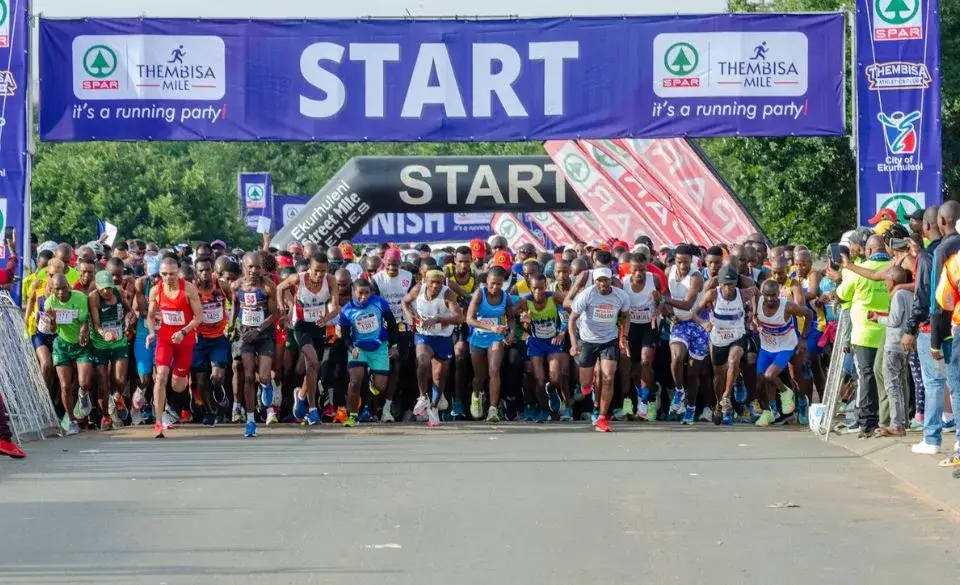
Race day nutrition works best when it feels automatic. The key is practice. In the weeks before your event, test exactly what, when, and how much you will eat and drink. This teaches your stomach to handle fuel at pace and removes guesswork.
On race morning, eat a familiar meal 2–3 hours before the start. Aim for 1–4 g of carbohydrate per kg of body weight, with low fiber and low fat for easy digestion. Examples include oatmeal with honey, toast with banana, or white rice with eggs.
About 30 minutes before the gun, a small top up such as a gel, banana, or sports drink can steady blood sugar. Only do this if you have practiced it during training.
- Half marathon pace or similar duration: plan 30–60 g of carbs per hour.
- Marathon and long triathlons: build toward 60–90 g per hour if tolerated, using mixed carb sources (for example glucose plus fructose) for better absorption.
- Hydration: sip water or an electrolyte drink regularly. Volume should match your sweat rate and weather conditions rather than a fixed schedule.
Keep the plan simple and familiar. Choose products and timings you have already used on long runs and race pace workouts. Consistency beats last minute changes.
Note: These ranges are guidelines. Your ideal intake depends on intensity, duration, body size, heat and humidity, and gut tolerance. Some athletes perform well near the lower end while others, especially well trained runners at higher outputs, benefit from the upper end. Test and adjust during training until your energy feels steady and your stomach stays comfortable.


Common Mistakes Runners Make with Fueling
Even experienced runners sometimes get fueling wrong. The good news? Most mistakes are easy to fix once you know what to look for. Here are the most common errors I see and how to avoid them.
1. Skipping pre-run fuel: Running on empty might feel fine for 20–30 minutes, but once glycogen drops, your body slows. A small carb snack before running keeps blood sugar steady and helps you start strong instead of fading early.
2. Waiting too long to eat during long runs: If you wait until you feel tired or hungry, it’s already too late. Begin fueling within the first 30–45 minutes and continue every 30–40 minutes. Think of it like topping up your gas tank before it runs dry.
3. Ignoring hydration and electrolytes: Water alone isn’t always enough. Long runs or hot days require sodium and electrolytes to replace what you lose through sweat. Without them, fatigue, cramps, and dizziness can set in fast.
4. Trying new foods or gels on race day: Your stomach needs training just like your legs. Use long runs to test your fuel strategy (including gels, sports drinks, and timing) so there are no surprises on race day.
5. Overfueling or eating too close to the start: Too much food or eating less than 30 minutes before running can cause stomach cramps or bloating. Stick to foods you’ve tested, and give your body enough time to digest.
6. Skipping recovery nutrition: Refueling after your run isn’t optional. Without carbs and protein, muscle repair and glycogen recovery slow down. Within 30–60 minutes, aim for a 3:1 or 4:1 carb-to-protein meal to kickstart recovery.
Fixing these small mistakes makes a big difference. Runners I coach who plan their fueling, even for shorter runs, recover faster, perform better, and enjoy training more. Fueling smart isn’t complicated, it’s just consistent practice.
Ready to run with more confidence and purpose? Our personalized Running Coaching programs help you train efficiently, improve endurance, and achieve consistent progress that lasts.
Each plan includes customized pace targets, heart rate and power guidance, and structured workouts designed to match your goals. You’ll develop a better sense of rhythm, effort, and control in every run.
Delivered through TrainingPeaks, your program adapts weekly based on your performance. Our experienced coaches analyze your data and provide feedback to keep you improving while avoiding burnout.
Stop second-guessing your training. Start building fitness with structure, feedback, and a plan designed just for you.
Explore Running Coaching →

Putting It All Together: Building Your Personal Fueling Plan
Now that you know how to fuel before, during, and after your runs, the next step is making it personal. Every runner responds differently to food, timing, and intensity. Treat fueling like training: test it, track it, and refine it.
Start with simple, research-backed targets and adjust as you learn:
- Short runs (under 60 minutes): Light snack if needed; prioritize hydration.
- Medium runs (60–90 minutes): Consider 15–30 g carbs before and ~30–45 g/hour during, if intensity is moderate to hard.
- Long runs (90+ minutes): Aim for 1–4 g/kg carbs before, 60–90 g/hour during if tolerated, and a carb–protein recovery meal after.
Keep a fueling journal for 2–3 weeks. Note exactly what you ate, the timing, your pace, heart rate, perceived effort, gut symptoms, and recovery the next day. Patterns appear fast: you’ll learn which foods feel best, how much your stomach tolerates, and what timing keeps your energy steady.
Remember, these ranges are starting points not rules. Your ideal plan depends on intensity, duration, body size, heat and humidity, and gut tolerance. Some runners thrive near the lower end; others benefit from the upper end once they’ve practiced fueling. The most effective plan is the one you’ve tested and adapted well before race day.
Treat all guidelines as adjustable. Align your fueling to your training load, environment, and specific race demands, and give yourself several long runs to adapt any changes.


Conclusion – Fuel Smart, Run Strong
Fueling isn’t just about food , it’s about performance, recovery, and confidence. When you get your nutrition right, every run feels smoother, stronger, and more enjoyable. Whether it’s a quick morning jog or your longest marathon build, the way you fuel determines how far and how fast you can go.
Start small. Experiment with carbohydrates, hydration, and recovery meals during training until you find what works best for your body. Keep a record of what you eat, how you feel, and how you perform. Those notes are more valuable than any training gadget. They tell your personal fueling story.
Most of all, remember that fueling is a skill. Just like pacing, form, or breathing, it improves with time and attention. The runners I coach who practice consistent fueling don’t just perform better, they enjoy running more because they feel steady and strong from start to finish.
Remember, knowing what length run should I eat before each session ensures steady energy, better performance, and more enjoyment from your runs.
So the next time you lace up, don’t just think about miles, think about energy. Give your body what it needs, and it’ll return the favor.