How Long Training for an IRONMAN 70.3 Usually Takes
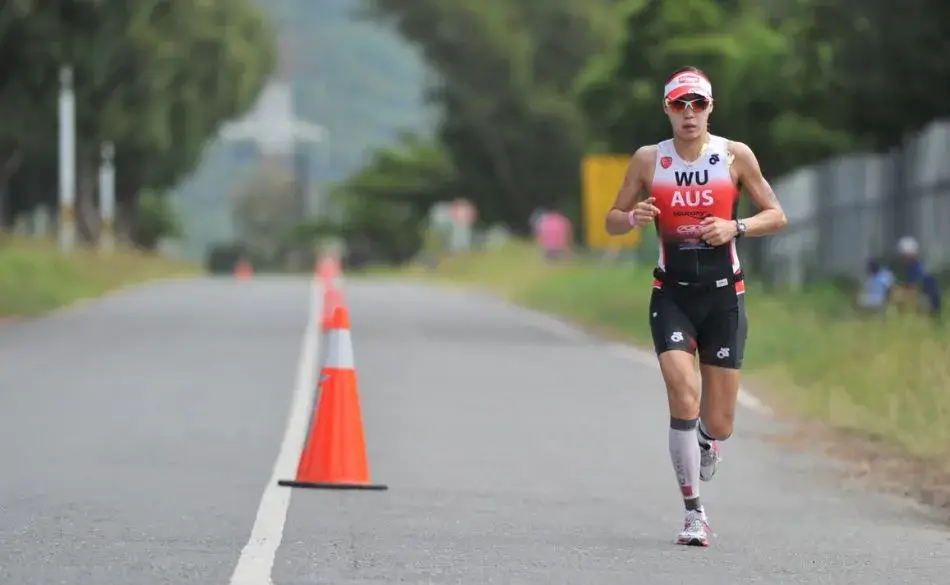
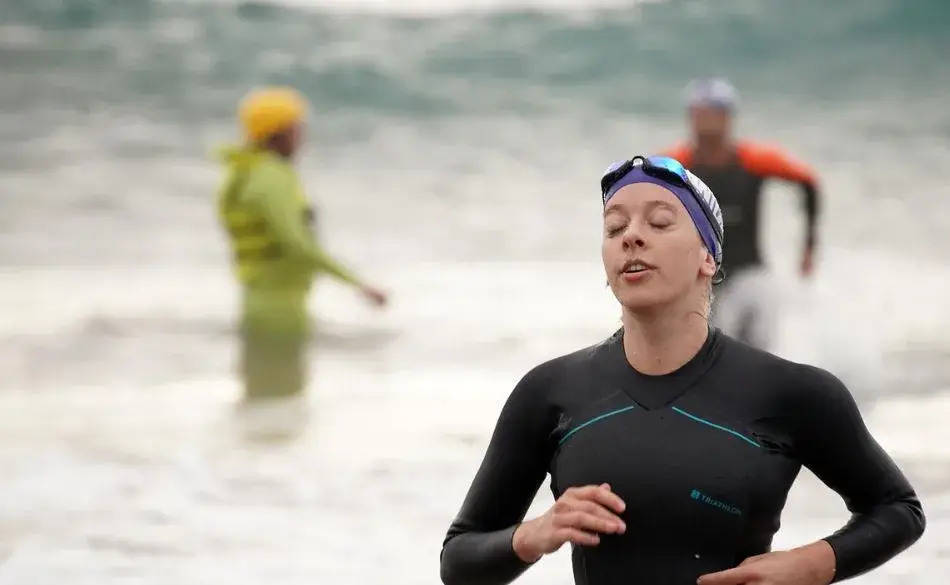
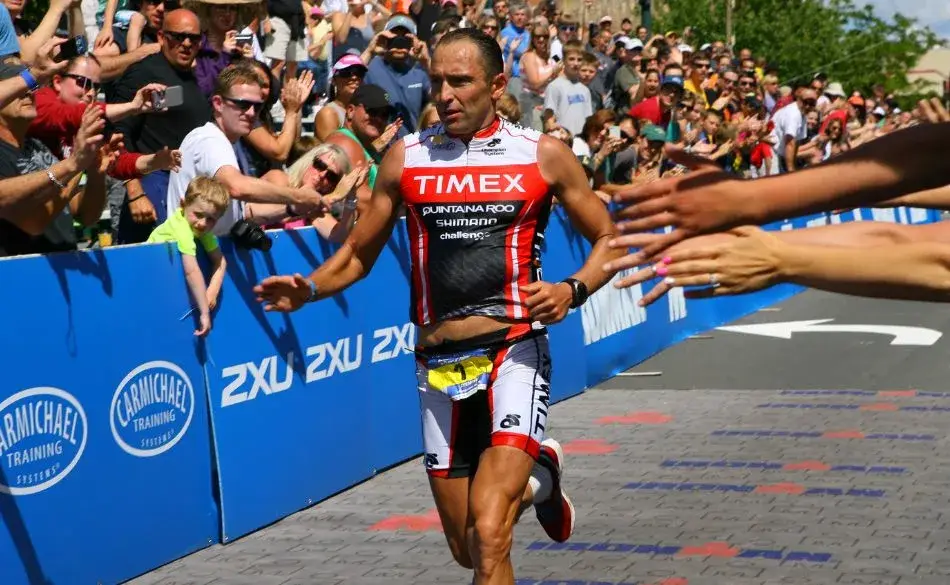
For most athletes, training for an IRONMAN 70.3 typically takes between 12 and 24 weeks. This range reflects how long it generally takes the body to adapt to the combined demands of swimming, cycling, and running at middle-distance triathlon length. An IRONMAN 70.3 consists of a 1.9 km swim, 90 km bike, and 21.1 km run, and understanding the full demands of the event helps explain why preparation time varies (see what a 70.3 triathlon involves). While the window may seem broad at first, it exists because preparation is shaped far more by prior training history than by race-day ambition.
At the shorter end of that range are athletes who already have consistent endurance training in place. This often includes experienced triathletes maintaining year-round structure or athletes who have recently completed events of similar duration. In these cases, preparation is less about building fitness from scratch and more about refining skills, re-establishing race-specific conditioning, and improving execution.
At the longer end are athletes entering new territory. This may include first-time triathletes, athletes transitioning from a single sport, or those returning after an extended break. For these athletes, additional time allows for gradual adaptation across all three disciplines rather than compressing learning, recovery, and skill development into a narrow window.
Ultimately, what matters most is not current motivation or short-term fitness, but training consistency over time. Two athletes with similar fitness today may still need very different timelines based on durability, load tolerance, and familiarity with long-duration racing. A realistic timeframe gives your body space to adapt, recover, and build confidence without rushing the process.


How Training Background Changes the Timeline
How long it takes to train for an IRONMAN 70.3 is influenced less by current fitness and more by what your body has already adapted to over time. In practice, training background shapes how quickly you can absorb workload, learn new skills, and tolerate fatigue across all three disciplines. This is why two athletes who appear similarly fit may still need very different preparation timelines.
For complete triathlon beginners, the timeline is usually longer. Even with a reasonable fitness base, the body still needs time to adjust to swimming, cycling, and running within the same training week. Swimming technique, in particular, often takes months to stabilise for athletes without a strong water background. Beyond skill development, beginners also need time to build connective tissue resilience and movement efficiency across unfamiliar patterns. Allowing closer to the longer end of the 12–24 week range helps reduce overload and unnecessary setbacks.
Strong single-sport endurance athletes, such as runners or cyclists, often assume they can move through preparation more quickly. While aerobic fitness transfers well, sport-specific gaps usually remain. Runners may lack bike durability or swim efficiency, while cyclists may struggle with run tolerance off the bike. These athletes often progress faster than beginners, but still benefit from extra time to balance strengths and weaknesses rather than compressing adaptation.
Athletes stepping up from Olympic-distance triathlon tend to sit between these groups. They already understand multisport training and race execution, but the 70.3 distance introduces longer exposure to fatigue, fueling demands, and pacing discipline. As a result, additional weeks are often needed to adapt to sustained efforts rather than shorter, higher-intensity racing.
One athlete I coached had completed several sprint and Olympic races and expected a rapid progression. By extending his preparation slightly, we allowed his body time to adapt to longer sessions and repeated fatigue. As a result, race execution felt controlled rather than forced.
Overall, training history acts as a filter. The more familiar your body is with consistent endurance work across all three sports, the shorter your required timeline can be. The less familiar it is, the more time you should allow to prepare well and stay healthy.


Why Most Athletes Need More Than “Just Fitness”
Many athletes assume that if they are fit enough, they are ready to train for an IRONMAN 70.3. In practice, however, fitness is only one part of the preparation process. What often limits athletes is not aerobic capacity alone, but how well the body adapts to repeated, long-duration stress across three disciplines.
One key factor is musculoskeletal adaptation. While the heart and lungs respond relatively quickly to training, bones, tendons, and connective tissue adapt more slowly. As a result, it is common to feel aerobically comfortable early on while the body is still adjusting to cumulative load. Without sufficient time, this mismatch often shows up as persistent soreness, niggles, or injury rather than obvious fatigue.
Alongside this, fueling and gut training play an important role. An IRONMAN 70.3 requires athletes to take in nutrition while exercising for several hours. Even well-conditioned athletes need repeated exposure to race-like conditions to tolerate fueling without distress. This adaptation happens gradually and benefits from consistency rather than speed.
There is also a significant skill component to consider. Swimming efficiency, bike handling, pacing discipline, and running well on tired legs all require practice. These are learned behaviours rather than fitness traits, and they tend to improve most reliably when introduced and reinforced over time.
Finally, athletes need time to adapt to training and racing under accumulating fatigue. A 70.3 is not about producing short bursts of effort, but about maintaining form, pacing, and decision-making as tiredness builds. This includes holding efficient movement patterns, resisting early overexertion, and managing effort late in long sessions. These adaptations develop gradually through repeated exposure to sustained work and often lag behind aerobic fitness.
From a coaching perspective, it is common to see athletes complete isolated sessions comfortably but struggle when fatigue carries over from one workout to the next. With enough preparation time, this gap usually closes. Without it, fitness alone rarely compensates.

Minimum vs Ideal Preparation Time for an IRONMAN 70.3
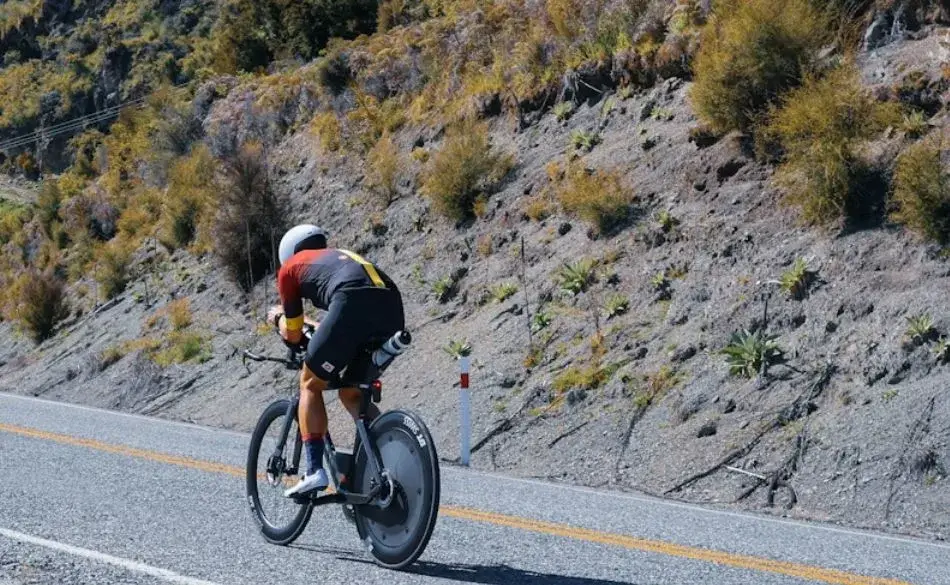
There is an important distinction between the minimum time needed to get through an IRONMAN 70.3 and the ideal amount of time required to prepare for it well. Understanding this difference early helps set realistic expectations and reduces the temptation to rush the process.
At the minimum end, some athletes can prepare within a shorter window if they already have recent, consistent endurance training across all three disciplines. In these situations, the goal is often completion rather than confident execution. Training tends to focus on reconnecting with longer sessions, reintroducing race-specific skills, and ensuring basic durability holds together through race day. However, this approach leaves little margin for error. Missed sessions, minor illness, or small niggles can quickly disrupt momentum because there is limited time to absorb setbacks.
By contrast, the ideal preparation window allows training adaptations to unfold more naturally. With additional time, skills can be layered gradually, fatigue can be managed more effectively, and the body can adjust to longer efforts without feeling constantly under pressure. As a result, progress is often steadier, interruptions are fewer, and consistency is easier to maintain across the full training period. Importantly, this also creates space to practise pacing, fueling, and race-day decision-making without urgency.
When preparation is rushed, hidden costs often appear. Compressed timelines tend to push athletes toward relying on existing fitness rather than building the durability needed for a 70.3. This may only become obvious late in training or on race day, showing up as fading performance, poor fueling tolerance, or difficulty holding form under fatigue. Even when fitness feels adequate, other systems may not be fully prepared for cumulative stress.
From a coaching perspective, the difference between minimum and ideal preparation is rarely about ability. Instead, it comes down to risk. Shorter timelines increase the likelihood of compromise, while longer timelines create space for learning, recovery, and adjustment. For most athletes, performance and overall experience improve when preparation feels controlled rather than rushed.
Choosing a preparation window that leans toward ideal does not mean training harder. Rather, it means giving your body the time it needs to adapt so that fitness, skills, and resilience arrive together on race day.


How Race Date and Seasonality Affect When You Should Start
Beyond training background alone, the timing of your race also plays a meaningful role in when you should begin preparing for an IRONMAN 70.3. Seasonality influences not just conditions on race day, but also how easily you can train consistently in the months leading up to the event. Reviewing an up-to-date Triathlon Event Calendar can help clarify when races are scheduled and how much preparation time you realistically have.
In the Southern Hemisphere, most IRONMAN 70.3 races are scheduled between late spring and early autumn. For events held early in the calendar year, preparation often takes place during warmer months. While this can make longer sessions feel more manageable, it also requires greater attention to heat management and recovery. By contrast, races held later in the season often require substantial training through winter, where shorter daylight hours, colder conditions, and reduced motivation can quietly affect consistency. These factors do not change how long you need to train, but they can influence how smoothly that training fits into daily life.
Early-season races can sometimes catch athletes off guard. Registration often opens many months in advance, creating pressure to start structured training well before it is necessary. However, starting too early can increase the risk of burnout or stagnation before the most specific work begins. In many cases, maintaining general consistency first and delaying focused preparation leads to better outcomes.
Later-season races present a different challenge. Because the event feels distant, athletes may delay starting until the timeline suddenly compresses. When preparation begins too late, flexibility disappears, making it harder to adjust for illness, work stress, or missed sessions. This is where understanding your required preparation window, rather than reacting to the calendar alone, becomes important.
Seasonality also affects race conditions, which should be considered when planning your start date. Hot-weather races often benefit from longer lead-in periods that allow gradual heat exposure and fueling practice. Cooler races may reduce thermal stress, but they still demand the same durability and pacing control.
Ultimately, race date should inform when you start, not how much you rush. Aligning your preparation timeline with seasonal realities helps support consistency, manage stress, and arrive at the start line prepared rather than pressured.
Signs You’re Ready to Start a 70.3 Training Block
Knowing when to start a dedicated IRONMAN 70.3 training block is just as important as knowing how long that block should be. Rather than relying on motivation or a calendar date alone, readiness is best judged by a small set of practical markers that indicate whether your body and lifestyle can support the next phase of training.
The first marker to consider is consistency history. Athletes who are ready to begin a 70.3 block usually have several months of uninterrupted training behind them. This does not mean perfect execution, but it does mean regular engagement across the week without long gaps caused by illness, injury, or burnout. In effect, consistency shows that your body is already tolerating repeated training stress and recovering well enough to progress.
Closely linked to this is injury resilience. While minor aches can be part of normal training, recurring issues that resurface whenever training increases are a sign that more base time is needed. Being ready does not mean feeling fresh all the time; rather, it means being able to train, recover, and return without problems escalating. When issues are persistent, starting a more demanding block often amplifies them instead of resolving them.
Another useful indicator is basic endurance comfort. Athletes ready to start structured 70.3 preparation are generally comfortable spending extended time moving at an easy, controlled effort. This is not about speed or intensity, but about whether longer sessions feel familiar rather than intimidating. That sense of familiarity suggests aerobic systems, connective tissue, and mental focus are already working together.
Finally, there is lifestyle capacity. A 70.3 training block places additional demands on time, sleep, and mental energy. Athletes who are ready typically have predictable routines and enough flexibility to absorb training without constant compromise. When work, family, or stress levels are already stretched thin, even well-designed plans can become difficult to sustain.
Taken together, these markers offer a clearer signal than fitness alone. If consistency is established, injuries are under control, endurance feels manageable, and life can support the commitment, starting a 70.3 training block is usually appropriate. If one or more of these elements is missing, delaying the start often leads to better outcomes later on.
What Happens If You Start Too Early (or Too Late)
Choosing when to begin a 70.3 training block is often treated as a simple scheduling decision. In practice, however, starting too early or too late can quietly undermine preparation in different ways, even when motivation is high.
Starting too early is a common issue, particularly for athletes who register well in advance. With plenty of time before race day, it can feel sensible to begin structured training as soon as possible. Over time, though, extending a race-specific block beyond what is needed often leads to fatigue accumulation without clear progression. Early enthusiasm may gradually give way to mental burnout, or training can plateau long before the most important phase begins. As a result, athletes may find themselves maintaining fitness rather than developing it, which can make the final weeks feel flat or forced.
Alongside this, there is also a physical cost to starting too early. Holding higher structure and focus for longer than necessary increases exposure to repetitive stress. Even when individual sessions feel manageable, the cumulative load can slowly wear down connective tissue or motivation. In these cases, athletes often reach the key training phase already tired rather than fresh and responsive.
Starting too late creates a different set of challenges. When preparation is compressed, there is little room to absorb setbacks. Minor illness, work stress, or missed sessions have a much larger impact because there is no time buffer to adjust. Training adaptations that normally develop gradually are instead stacked too closely together, which can increase injury risk or leave important areas underprepared.
Late starts also tend to shift focus away from learning and toward survival. Instead of practising pacing, fueling, and decision-making, athletes may concentrate on simply completing sessions. While this can build short-term confidence, it often leaves gaps that only become apparent on race day, particularly under fatigue.
From a coaching perspective, both extremes share a common issue: reduced flexibility. Starting too early stretches preparation thin, while starting too late compresses it. In either case, the athlete loses the ability to respond calmly to how training unfolds.
The most effective timelines sit between these extremes. They allow enough time for adaptation and learning without extending focus longer than necessary. When preparation starts at the right moment, training feels purposeful, progress is clearer, and race day arrives as a natural outcome rather than a scramble or a grind.

How Long Your Training Plan Should Be (and Why Length Matters)
Training plans for an IRONMAN 70.3 commonly come in different lengths, often labelled as 12, 16, or 20 weeks. These numbers are not arbitrary. Instead, plan length reflects how much time is available for adaptation, consolidation, and preparation, rather than how hard the training is meant to be. This is why structured options such as half Ironman training plans are typically organised by duration rather than by difficulty level.
Shorter plans generally assume a higher level of recent endurance consistency. They are designed to reconnect athletes with race-specific demands rather than build foundational durability from scratch. When used at the right time, they can work well. When used prematurely, however, they often feel compressed and unforgiving, leaving little room for adjustment.
Longer plans, by contrast, create more space. That extra space allows training to progress without constant pressure, gives the body time to adapt to repeated stress, and provides flexibility when life inevitably interferes. For many athletes, this difference is what separates a plan that feels sustainable from one that feels fragile.
Choosing the right plan length is therefore less about ambition and more about alignment. Matching preparation time to training history helps ensure that progress builds logically rather than reactively. The table below outlines how plan length typically aligns with different athlete backgrounds and preparation needs.
👉 Swipe to view full table
| Plan Length | Who It Typically Suits | Main Benefit | Primary Risk If Misused |
|---|---|---|---|
| 12 weeks | Athletes with recent, consistent triathlon training and familiarity with long sessions | Efficient, focused preparation that sharpens race-specific readiness | Feels rushed if foundational durability or skills are not already established |
| 16 weeks | Athletes with a solid endurance base or experience stepping up in distance | Balanced timeline that allows adaptation without unnecessary extension | Can still feel tight if training history has been inconsistent |
| 20 weeks | First-time 70.3 athletes or those returning after time away | More space for adaptation, learning, and recovery | Risk of burnout if treated as high-intensity from start to finish |
What matters most is not choosing the longest plan available, but choosing one that fits where you are now. A plan that aligns with your background allows training to absorb disruptions and progress without constant strain. By contrast, a poorly matched plan length often creates pressure that no amount of motivation can fully offset.
When plan duration matches training history, preparation tends to feel controlled rather than urgent. That sense of control is often what separates steady progress from a cycle of catching up.


Choosing a Training Timeline That Fits Your Event Goals
Once you understand how long preparation typically takes, the next step is aligning that timeline with why you are racing. Event goals shape how much margin you need in your preparation and how much pressure your timeline can realistically handle.
Athletes aiming to finish comfortably often benefit from a longer, steadier timeline. In this situation, the priority is durability, confidence, and predictable execution rather than chasing performance benchmarks. Extra preparation time allows skills, fueling habits, and pacing awareness to settle without urgency. As a result, training often feels more progressive and less reactive, and race day tends to feel manageable rather than overwhelming.
Those hoping to race competitively, even within personal or age-group expectations, usually require a more deliberate alignment between background and plan length. Racing well at a 70.3 is less about doing more and more about arriving prepared to execute under fatigue. This is also where individual guidance can be valuable, as online triathlon coaching helps athletes align preparation timelines with experience, goals, and real-world constraints rather than relying on generic assumptions. Starting too late can force compromises, while starting too early can dilute focus, making timing especially important.
Alongside race goals, it is also important to account for life constraints. Work demands, family responsibilities, travel, and overall stress levels all influence how smoothly training fits into daily routines. A shorter plan may look appealing on paper, but if it leaves no room for disruption, it can quickly become stressful. By comparison, a longer timeline that aligns with your lifestyle often feels easier to sustain, even when the event itself is ambitious.
From a coaching perspective, the most effective timelines are rarely the most aggressive. Instead, they are the ones that support consistency, allow flexibility, and reduce the need to constantly catch up. When training aligns with both goals and life context, progress tends to feel steadier and more predictable.
Ultimately, choosing the right timeline comes down to honesty. Not about what you wish you could handle, but about what will allow you to train consistently, recover well, and arrive at the start line confident in your preparation. When those pieces align, your event goals become far more achievable.

Planning Your 70.3 Timeline With Confidence
Training for an IRONMAN 70.3 is less about finding the shortest possible path to race day and more about choosing a timeline that supports steady adaptation. While most athletes fall somewhere within a 12 to 24 week window, where you sit in that range depends on your training history, durability, experience across all three sports, and how well training fits into your day-to-day life.
When preparation is rushed, unnecessary stress often creeps in. On the other hand, starting too early can dilute focus and motivation over time. By contrast, a well-matched timeline gives your body the opportunity to adapt, allows skills and fueling habits to settle, and leaves room to respond calmly when training does not go exactly to plan. That flexibility is often what separates confident execution from simply getting through the day.
From a coaching perspective, the most reliable outcomes tend to occur when preparation feels controlled rather than urgent. Fitness, skills, and resilience usually arrive together when enough time is allowed for adaptation. In this context, training becomes more consistent, recovery more predictable, and decision-making clearer as race day approaches.
Ultimately, the right timeline is not the most ambitious one, but the one you can sustain. When preparation is built around realistic expectations and steady progress, arriving at the start line prepared feels like the natural result of the process, not a gamble taken at the end.
Understanding how long you need to prepare for an IRONMAN 70.3 is one thing. Applying that timeline to your own training history, recovery capacity, and life commitments is often where the decision becomes harder to judge.
Triathlon coaching at SportCoaching helps athletes align preparation timelines with experience level, event goals, and real-world constraints. Rather than following a generic schedule, training is adjusted to support steady progression and long-term consistency across swim, bike, and run.
Learn More About Triathlon Coaching