Quick Answer
The key to pacing a triathlon is controlling effort early and building gradually across the race. Swim at a smooth, sustainable rhythm after the start surge, ride at steady effort without hard spikes, and begin the run conservatively before increasing pace as your body settles.How to Pace the Swim So You Exit Fresh (Not Fried)
The swim sets the tone for the entire race, yet it is where many athletes waste the most energy without realising it. Adrenaline is high, bodies are packed close together, and it feels natural to sprint hard to find clear water. While a short surge off the line is normal, staying in that high effort zone for too long is what leads to trouble later.
The goal of the swim is not to prove fitness. It is to exit the water breathing under control, heart rate settled, and muscles ready for the bike. Many beginner triatletes following a structured couch to triathlon beginners guide learn early that conserving energy in the swim makes the entire race feel smoother and more manageable. When swimmers push too hard early, oxygen demand spikes and the body starts borrowing energy it will need later.
This is why athletes often feel breathless as soon as they mount the bike, even if the swim felt strong.
A smart pacing approach is to let the chaos of the first 100 to 300 metres pass, then settle into a rhythm that feels smooth rather than strained. Breathing should be controlled and consistent, not gasping every stroke. Your arms should feel like they are working steadily, not burning. If you feel like you are sprinting to survive the pack, you are almost always going too hard.
One of the biggest mental shifts is accepting that swimming a little slower rarely costs much time but saves a huge amount of energy. Exiting the water thirty seconds behind someone who went out too hard often leads to passing them easily on the bike or run. Those seconds gained early are usually paid back many times over later in the race.
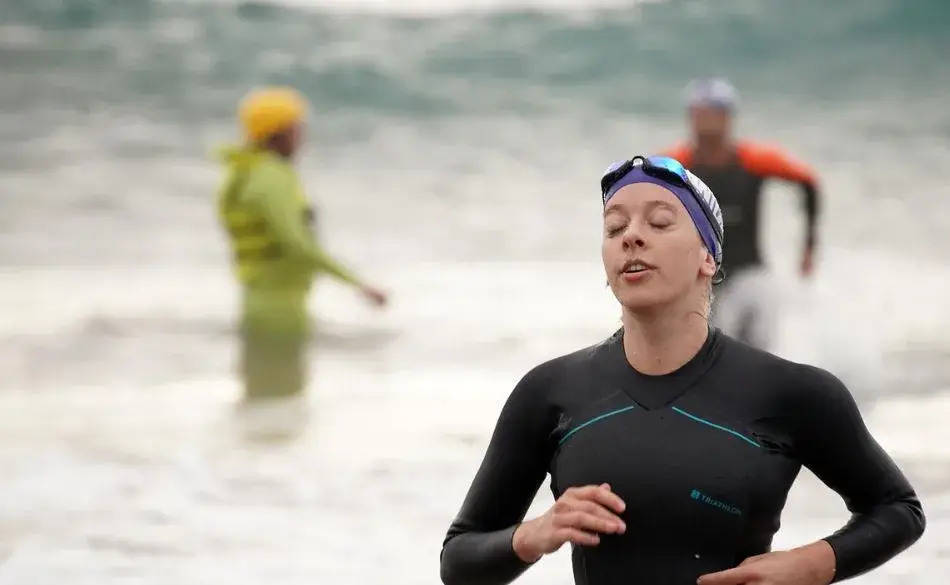
When swim pacing is done correctly, you should stand up in transition able to breathe calmly within a few seconds. Your legs should feel normal as you head to the bike, not shaky or heavy. This controlled start allows heart rate to stabilise faster and makes it much easier to hold steady power on the bike.


How to Pace the Bike to Set Up a Strong Run (The Most Important Skill)
The bike leg is where most triathlons are quietly won or lost. It feels easier to push hard here because you are seated, moving fast, and no longer fighting for breath like in the swim. Many athletes interpret this comfort as a sign they should increase effort. In reality, it is the most dangerous place to overpace.
When effort creeps just slightly above sustainable levels for long periods, the body starts burning through carbohydrate stores far faster than planned. Muscles fatigue gradually rather than suddenly, which is why the damage often is not felt until the run begins. What felt like a strong bike ride becomes the reason running pace collapses later.
The goal on the bike is steady effort, not steady speed. Wind, hills, and terrain will naturally change how fast you move, but your output should remain controlled. Pushing hard up climbs to maintain speed is one of the biggest pacing traps in triathlon. Those short spikes in effort place a heavy load on the legs and heart, and repeated spikes add up quickly over the course of the ride.
A well paced bike leg feels “comfortably hard.” Breathing is strong but controlled, legs are working but not burning, and you feel like you could hold the effort for a long time without fading. If you are counting down the kilometres in discomfort or feeling constant leg heaviness, you are almost always riding too hard.
Another common mistake is chasing riders who pass you. Some athletes are stronger cyclists and weaker runners, while others are riding beyond their limits. Matching their pace often means abandoning your own race plan. The athletes who finish strongest are usually the ones who stayed disciplined while others surged.
When bike pacing is done correctly, the final minutes of the ride should feel steady rather than desperate. You should enter transition feeling worked but controlled, not exhausted. This allows your legs to find rhythm quickly on the run instead of struggling to recover.

How to Pace the Run So You Don’t Fade in the Final Half
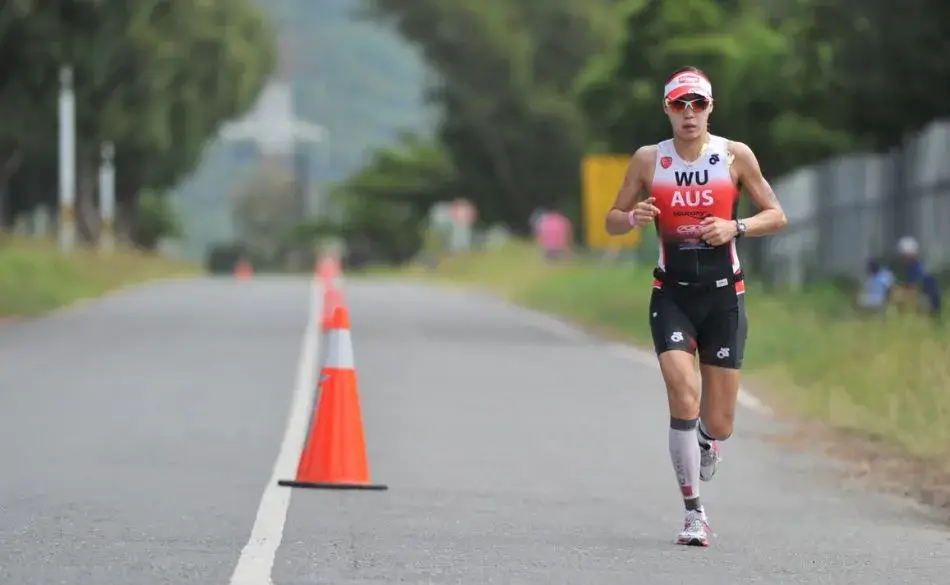
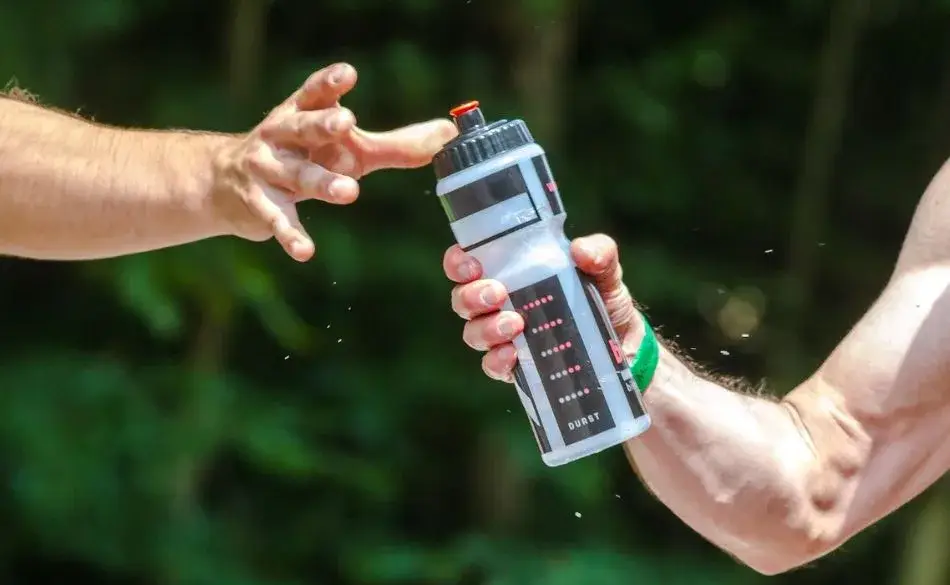
The run is where the true outcome of your pacing decisions reveals itself. It does not matter how strong the swim or bike felt if you begin the run at a pace your body cannot sustain. The biggest mistake athletes make is trying to match their standalone running pace immediately after transition. Your legs are carrying fatigue from two disciplines, and your heart rate is already elevated. For the first kilometre or two, restraint is critical.
A properly paced run should begin slightly more controlled than you think necessary. Breathing should feel steady, not strained. Your stride should feel compact and relaxed rather than forced. If you feel the urge to surge early because you are excited or passing others, that is often a sign to hold back instead of speeding up.
As the run progresses and heart rate stabilises, effort can gradually increase. This does not mean accelerating aggressively, but rather allowing pace to build naturally as confidence grows. The athletes who finish strongest are usually those who ran the first half of the course just a touch conservatively. They avoid the dramatic slowdown that comes from early overexertion.
One simple rule is this: if you feel strong at halfway, you paced the first part correctly. If you are already fighting to hold pace before the midpoint, the earlier legs were likely too hard. The goal is to reach the final third of the run with enough energy to push deliberately rather than simply survive.
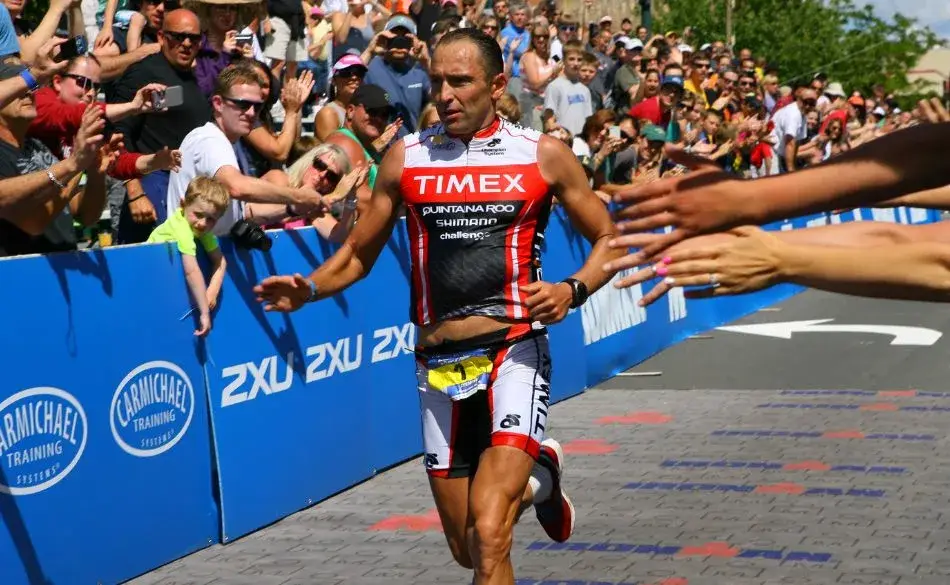
When pacing is executed well, the final kilometres become an opportunity rather than a threat. You begin passing athletes who went out too fast, and your cadence remains stable while others struggle to maintain form. The strongest triathlon runs are rarely explosive from the start. They are controlled early and assertive late.
The Simple Pacing Strategy That Works for Every Distance
One of the reasons triathlon pacing feels confusing is that athletes often overthink numbers while forgetting the bigger picture. Heart rate zones, power targets, and pace charts are useful tools, but the best races are usually built around a simple effort progression across the day.
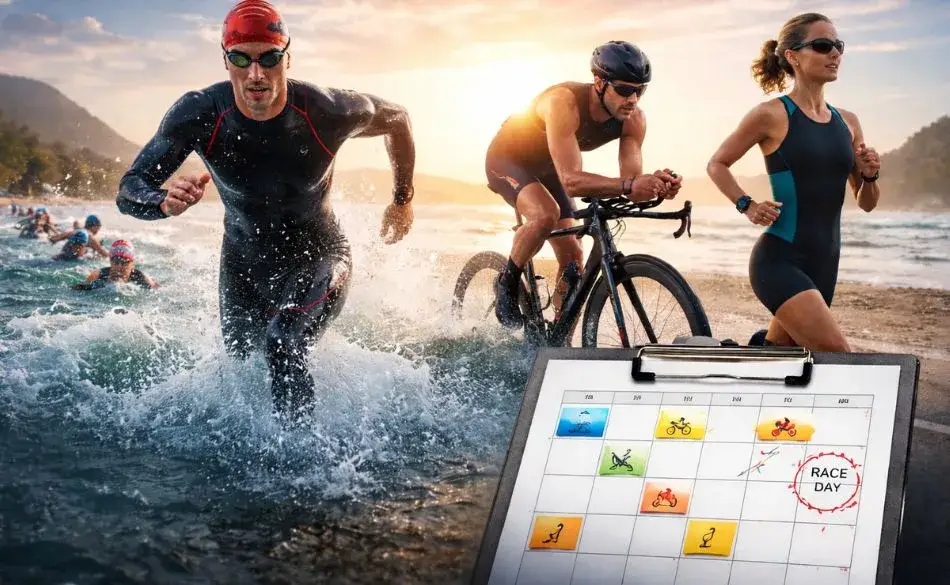
The most effective pacing strategy is controlled early, steady through the middle, and strong late.
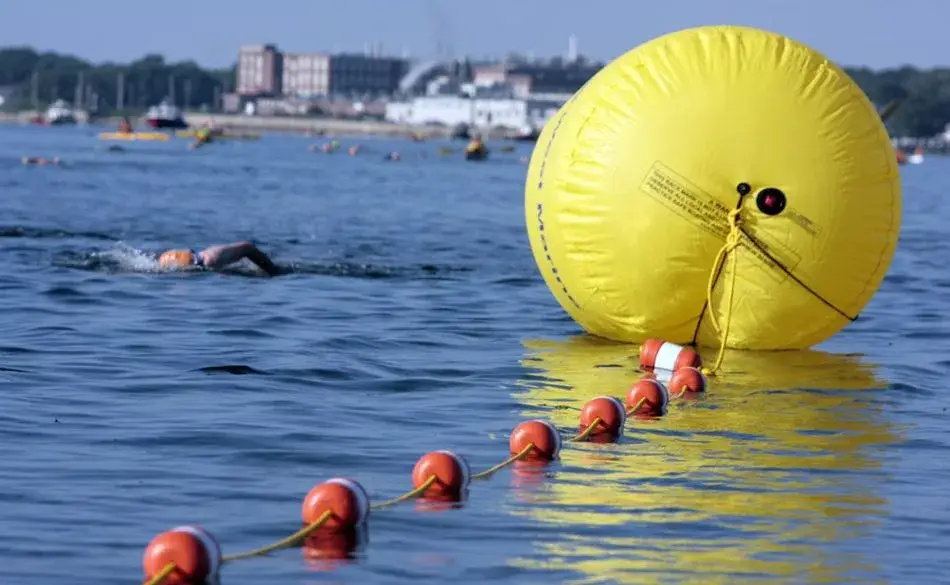
In the swim, this means resisting the urge to sprint once the gun goes off. You allow the initial chaos to settle, then swim at a rhythm that feels smooth and sustainable. You should feel like you are working, but never struggling. This keeps breathing under control and prevents the early oxygen debt that carries into the bike.
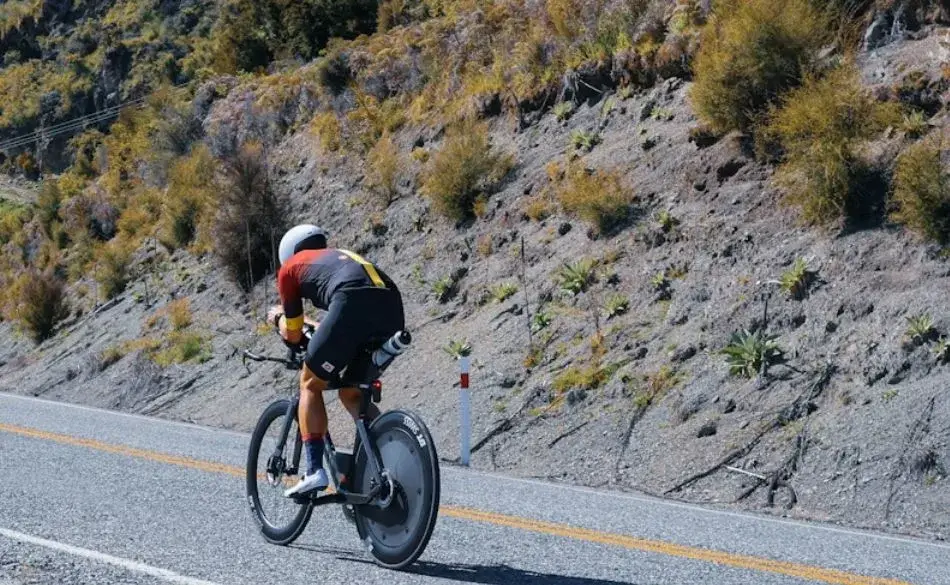
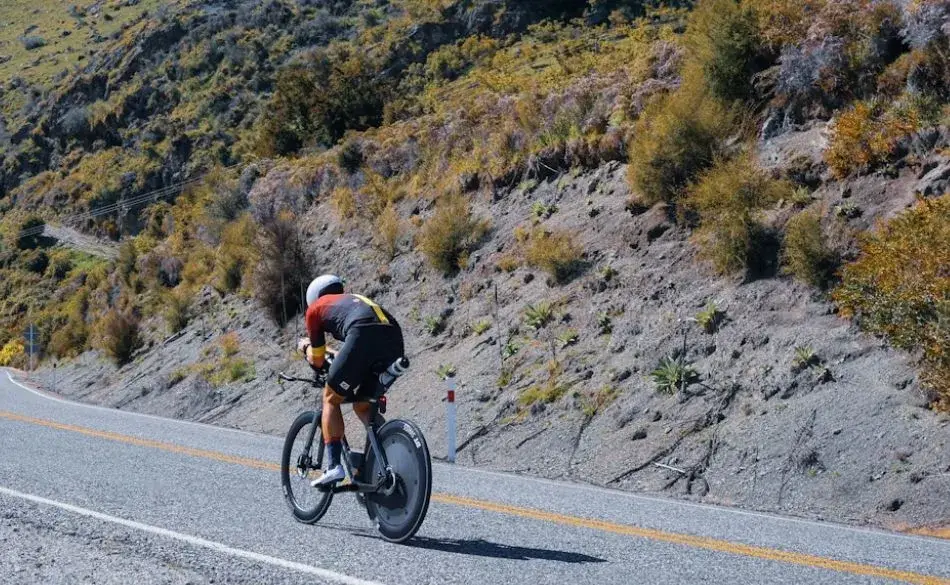
On the bike, the goal becomes discipline. Effort should feel firm but manageable, with no big spikes on hills or into headwinds. Instead of chasing speed, you hold steady output and let terrain dictate pace naturally. This preserves muscle strength and energy stores that are critical for running well later, which is a core focus in well-structured half Ironman triathlon training plans.
The run then becomes a gradual build. You start slightly conservatively, allow heart rate to stabilise, and slowly increase effort as the kilometres pass. By the final third of the run, you should feel able to push with purpose rather than simply hold on.
This progression works across sprint, Olympic, half Ironman, and full Ironman distances because it matches how the body uses energy. Early restraint protects fuel stores. Steady middle effort maintains efficiency. Late strength comes from having something left to give.
Athletes who pace this way often feel like they are being passed early in the race, especially on the bike. Later, the roles reverse. Those early surges catch up with people, while steady athletes begin moving forward through the field.
If you remember nothing else about triathlon pacing, remember this: the race should feel almost too easy at the start and strongest at the finish. When effort builds gradually instead of peaking early, your fitness finally gets the chance to show itself where it matters most.

Common Triathlon Pacing Mistakes That Kill Your Run
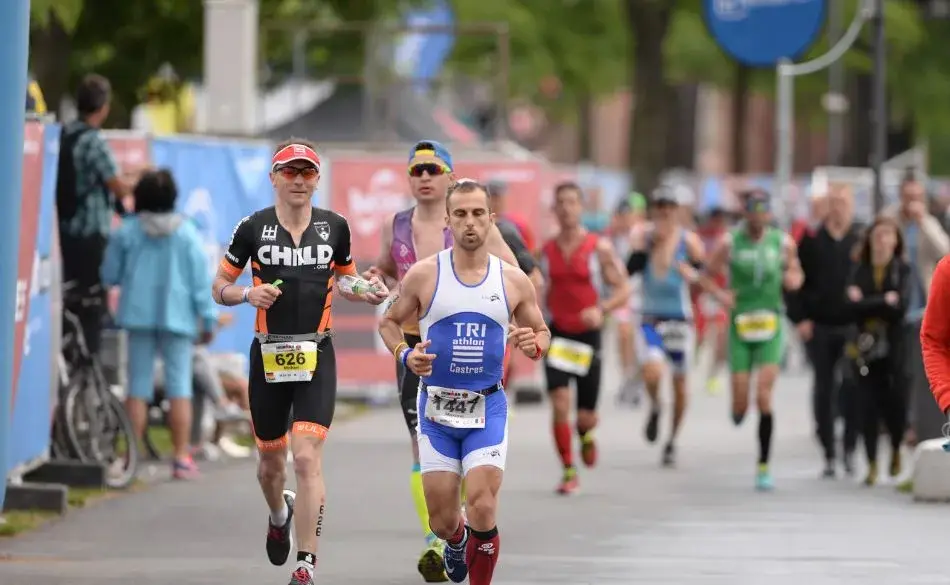
Most triathlon run blow ups are not caused by a lack of running fitness. They are caused by small pacing errors that stack up across the swim and bike, then show themselves the moment you try to run at a normal pace. The frustrating part is that these mistakes often feel like good decisions at the time because you feel strong early.
One of the most common errors is treating the swim start like a sprint that never ends. A short burst to find space can be fine, but staying in that red zone creates early fatigue and elevates heart rate before the bike has even started. Athletes often leave the water thinking they have gained time, but they begin the bike already breathing hard and chasing recovery.
On the bike, the biggest mistake is riding with too many effort spikes. This usually happens on hills, into headwinds, and when riders pass. If you surge to hold speed, surge to stay with someone, then surge again to crest a hill, you are repeatedly placing heavy stress on your legs. Even if each surge is short, the total cost adds up quickly. This is one of the most reliable ways to ruin the run without realising it until it is too late.
Another pacing mistake is confusing comfort with sustainability. The bike often feels “easy” compared to running, so athletes push harder than planned because it does not immediately feel dangerous. This is where many riders drift above their target effort for long stretches. The damage is subtle, but the run exposes it fast.
Then there is the classic transition mistake. Athletes start the run like it is a standalone 5K because legs feel surprisingly good for the first few minutes. Heart rate spikes, stride length increases, and pace becomes forced. It feels like a confident start until the body pushes back. Learning simple techniques from resources like triathlon transitions made easy helps athletes control those first crucial minutes so the run begins smoothly instead of explosively.
The simplest way to avoid these errors is to commit to even effort, not emotional pacing. You should expect others to go out hard. You should expect to feel like you could go faster early. The athletes who run well at the end are not the ones who chased every moment. They are the ones who stayed controlled while others spent energy they could not afford.


What Proper Pacing Feels Like (Real Effort Cues)
Most athletes like the idea of pacing properly, but they struggle to apply it on race day because the numbers do not always match how the body feels. Heart rate can spike early from adrenaline, power can drift in wind, and GPS pace can be unreliable on courses with turns or crowds. This is why real pacing skill is built around effort cues, not just data.
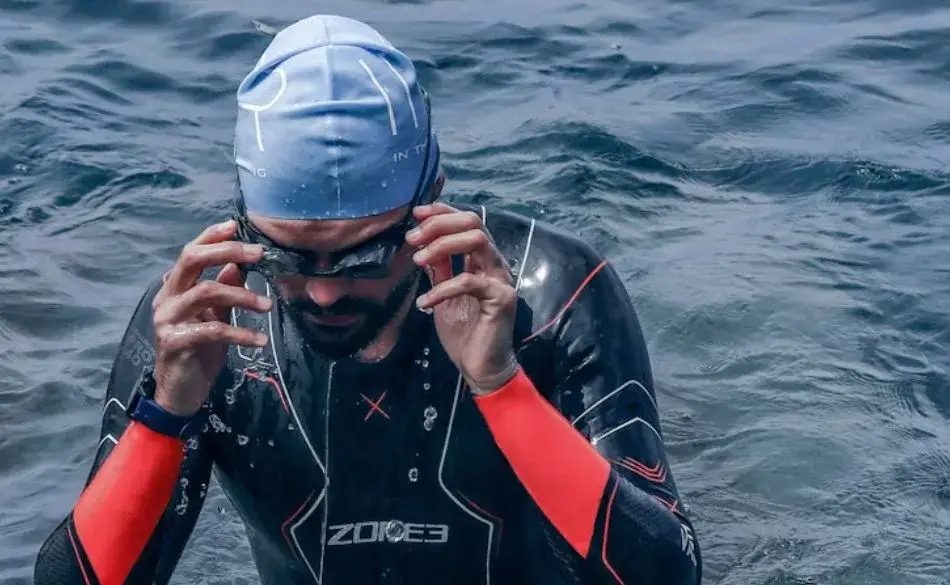
A well paced triathlon swim feels controlled from the chest upward. You can take full breaths without panic, and your stroke stays smooth rather than frantic. Your arms feel like they are working steadily, not burning. Even if you are swimming hard, you should still feel like you are in control of your breathing. If you surface after a few minutes already gasping, you have likely crossed the line too early.
On the bike, proper pacing feels like strength with restraint. Breathing is firm but never chaotic. Your legs feel loaded but not flooded. You can stay aero and keep cadence steady without feeling like you are forcing the pedals. The best cue is this: you feel like you could go harder, but you choose not to. If you are constantly searching for relief, standing to stretch the legs, or feeling repeated surges in effort, your pacing is probably too aggressive.
The run should feel almost underwhelming at the start. Your first kilometre should be controlled enough that you can focus on rhythm, cadence, and relaxed shoulders. If you feel like you are sprinting out of transition, you are not pacing, you are reacting. This is where practising techniques like negative split running becomes powerful, as it trains you to begin conservatively and build strength instead of burning energy early. As the run continues, pacing feels like gradually increasing control. Breathing stays stable, form stays compact, and pace becomes more confident rather than more desperate.
How to Practice Pacing in Training (So Race Day Feels Easy)
Pacing is not something you suddenly “get right” on race morning. It is a skill that needs to be trained the same way you train fitness. The athletes who pace best are usually not guessing. They have rehearsed the feeling of controlled effort so many times that race day becomes familiar rather than chaotic.
One of the most effective pacing sessions is a race pace brick. This means riding at your planned race intensity, then running immediately off the bike at a controlled pace. The goal is not to smash the run. The goal is to practise starting the run patiently, finding rhythm, and holding form while your legs adapt. Using structured brick workouts for triathletes regularly teaches you more about pacing than a hard standalone run because it exposes how bike effort affects the run.
Another key training habit is learning to ride with even effort. Long rides should not turn into constant surging. Use terrain wisely and practise holding steady output on flats, easing slightly on climbs, and staying disciplined into headwinds. This is also where you practise nutrition timing, because pacing and fuelling work together. When you ride too hard, you burn more carbohydrate and make it harder to fuel well. When you ride smoothly, you can eat and drink consistently without distress.
For running, one of the most valuable workouts is a negative split session. Start easier than you think you should, then gradually build pace through the second half. This teaches patience and gives you confidence that running stronger late is possible. Many triathletes only know how to run hard early and fade. Negative split work builds the opposite habit.
Swimming pacing can be trained by including controlled starts. Begin a set with 50 to 100 metres slightly stronger, then settle into smooth rhythm for the remainder. This mimics the real race dynamic without turning every swim into a sprint. It teaches you to regain control quickly after the start surge.
The simplest way to know if pacing practice is working is to look at how you finish sessions. If you regularly finish bricks and long runs feeling like you could have done a little more, you are building discipline. If you finish everything empty and wrecked, you are training the habit of overpacing.
Finish Strong by Pacing Smart
Pacing is the difference between feeling in control on the run and watching your pace fall apart. In triathlon, the run is rarely a separate problem. It is the outcome of what you did in the swim and bike.
If you want to finish strong, start with restraint. Settle the swim early, ride the bike with steady discipline, and begin the run patiently enough that breathing and form stay controlled. When you do this, you give yourself the chance to build effort rather than fight fatigue.
The athletes who race best are not the ones who go hardest first. They are the ones who manage energy so they can actually race the final third of the day. If you consistently blow up on the run, treat it as a pacing issue first, not a fitness flaw.
Control early, stay steady, build late. When that becomes your default, you stop surviving triathlons and start finishing them with purpose.
Learning how to pace a triathlon is one thing. Applying it consistently in training and race conditions is where most athletes struggle. Small effort mistakes on the swim and bike can quietly add up and show themselves on the run.
If you want help turning smart pacing into a habit, triathlon coaching at SportCoaching provides personalised training structure, pacing guidance, and race preparation so you can perform strongly across all three legs.
Explore triathlon coaching support