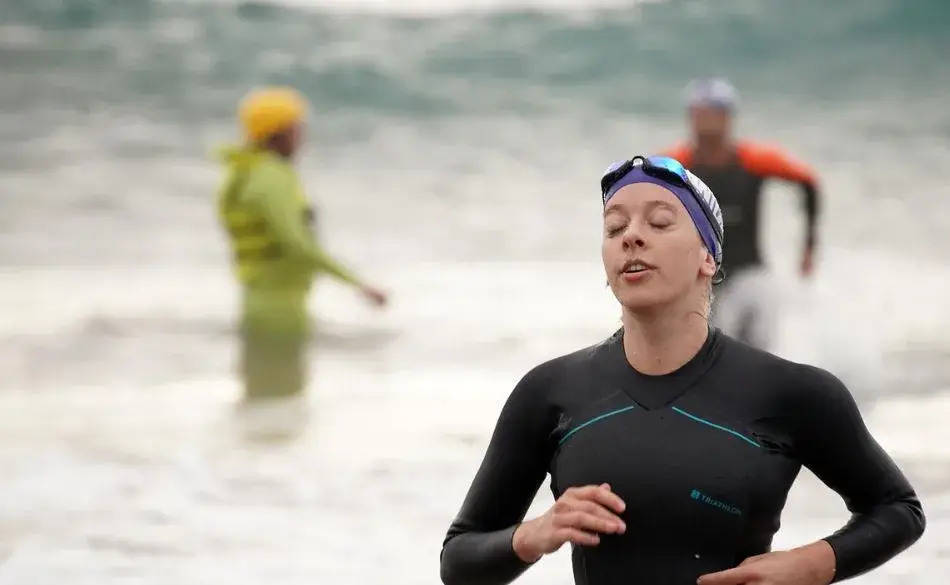
What Makes an Ironman Different From Other Triathlon Distances?
When you first compare an Ironman to other triathlon distances, the numbers alone feel shocking. A full Ironman distance is 3.8 km of swimming, 180 km of cycling, and a full 42.2 km marathon. Even standing at the starting line feels different. The air is heavy, the nerves are real, and every athlete knows they’re stepping into a full day of endurance racing.
Shorter triathlons (Sprint, Olympic, and Half Ironman) play by a different set of rules. You push harder. You rest less. You get to the finish line before the sun starts to dip. They test speed, confidence, and your ability to hold strong race pacing for shorter chunks of work. They’re fun, fast, and far more forgiving when life gets busy.
An Ironman demands something deeper. You need a big aerobic base, stable fueling habits, and months of consistent triathlon training. You also need to be calm enough to handle the long hours. It’s not just physical. It’s emotional. Many first-time athletes tell me that the quiet moments between aid stations feel like mini life lessons.
One of my coaching clients, Sarah, once said the Half Ironman felt like a workout, but the Ironman felt like a story. She said the distance forced her to solve tiny problems all day (heat, hunger, pacing, doubt) and she learned to trust her body in ways she never had before.
Most athletes don’t realize that shorter triathlons reward power, while long-course racing rewards patience. You can blow up your legs in a Sprint race and still finish. Try that during an Ironman marathon and the rest of your day becomes a survival mission.
The truth is simple: choosing between them depends on what you want. A fast thrill? Or a long journey that changes how you see yourself?
If you want a simple breakdown of the common triathlon distances used worldwide, this triathlon overview gives clear details on Sprint, Olympic, Half Ironman, and Ironman formats.
If you want a smarter path toward your next sprint, Olympic, Half Ironman, or full Ironman, our Triathlon Coaching Program gives you weekly structure, tailored pacing guidance, and proven training progressions. Every session is personalised to your current fitness and the distance you’re targeting.
You’ll train with confidence, avoid common mistakes, and build the swim-bike-run balance needed to perform your best—whether you're racing short-course or stepping up to long-course events.
Explore Triathlon Coaching

How Training Differs Between Ironman and Other Triathlon Distances
Here’s the thing about training for an Ironman: it takes time. Not just a few hours a week, but long blocks of steady aerobic work. When athletes jump from shorter triathlon distances to the full Ironman, the biggest shock is how structured their days become. You’re not just fitting in workouts. You’re building your life around them.
A Sprint or Olympic triathlon usually fits into a normal week. You might train five to seven hours, mixing fast intervals with technique work. The intensity is higher. The sessions are sharper. You’re building speed and improving your ability to handle hard efforts. This type of triathlon training feels exciting because you see progress quickly.
Ironman preparation is different. Volume matters more than intensity. You spend long hours on the bike, long hours on the run, and even longer hours recovering between them. A strong aerobic base becomes your engine. Without it, the marathon at the end feels impossible. Most athletes train 12 to 18 hours a week, and peak weeks can climb higher, depending on experience.
The biggest challenge is not fitness. It’s time management. You learn to make small decisions that save mental energy, like laying out gear the night before, prepping ride nutrition early, or planning meals around long-distance sessions. These habits let you train without burning out.
If you’re thinking about the jump from shorter races to an Ironman, ask yourself one thing: do you enjoy the process as much as the finish line? Ironman success depends on loving the grind. Shorter races reward power and intensity. Ironman rewards patience, planning, and the ability to keep going when others slow down.
Both paths are valid. The one you choose depends on how you want your training to shape your daily life.
As your hours rise from a Sprint-level 5–8 hours to an Ironman-level 12–18+ hours, you’re practising true overload in fitness, which means gradually increasing the stress your body adapts to instead of blasting out new volume all at once.
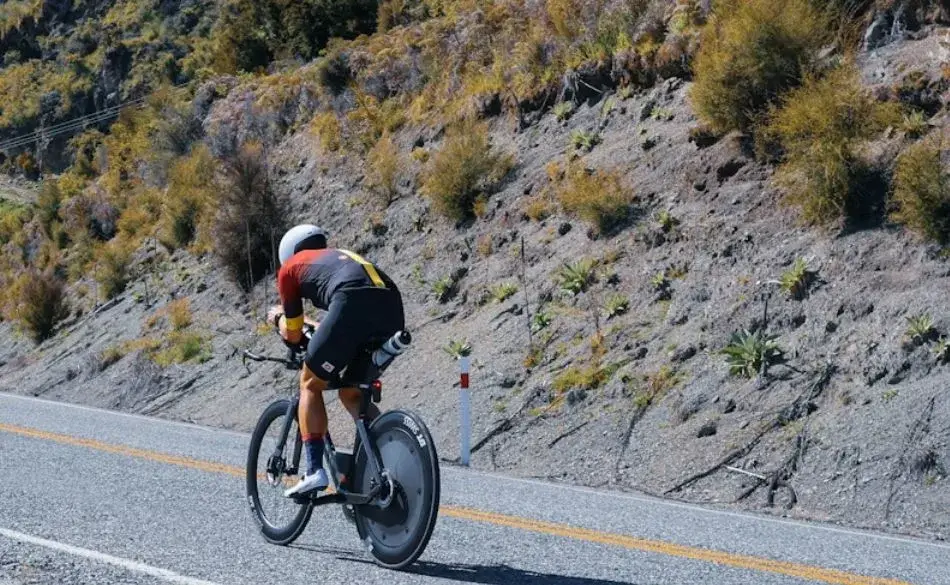

What Challenges Will You Face in Each Race Distance?
Every triathlon distance brings its own set of challenges, but the jump to the Ironman distance feels like stepping into another world. The demands shift from speed to strategy, and the obstacles you face become more about consistency than raw fitness. If you’re trying to decide which path suits you, it helps to know exactly what you’re stepping into.
Shorter triathlon distances (Sprint and Olympic) hit you with fast transitions, sharp pacing choices, and that burning feeling in your legs when you push close to maximum effort. You’re working hard, breathing tight, and fighting to hold your speed. These races challenge your ability to stay calm while everything around you feels fast and chaotic.
An Ironman challenges you differently. It’s not about speed. It’s about being steady hour after hour. The toughest battles happen in your mind, especially late in the bike or deep into the marathon. You need smart race nutrition, steady race pacing, and a solid plan to manage energy without fading.
Here are the biggest challenges most athletes face:
- Energy control: Short races drain your power quickly, and if you push too deep into Zone 5 training without recovery your legs may refuse to respond.
- Time commitment: Sprint training fits easily into life. Ironman feels like an extra part-time job.
- Mental resilience: Short-course racing hurts fast. Long-course racing hurts slow and lasts longer.
- Gear needs: Ironman athletes rely heavily on hydration systems, nutrition storage, and comfort-focused equipment.
- Heat and fatigue: Sprint races end before the worst heat arrives. Ironman athletes push through an entire day of changing conditions.
If you’re wondering which challenge matters more for you, think about what you handle best. Do you like pushing hard for short bursts? Or do you stay calm when things get uncomfortable for hours? Your answer can guide you toward the style of racing that fits your strengths and personality.
If you want to improve your control during harder efforts, learning how to use steady pacing sessions can help a lot, and you can read more in this tempo run guide that many triathletes use to build confidence during speed-focused training.
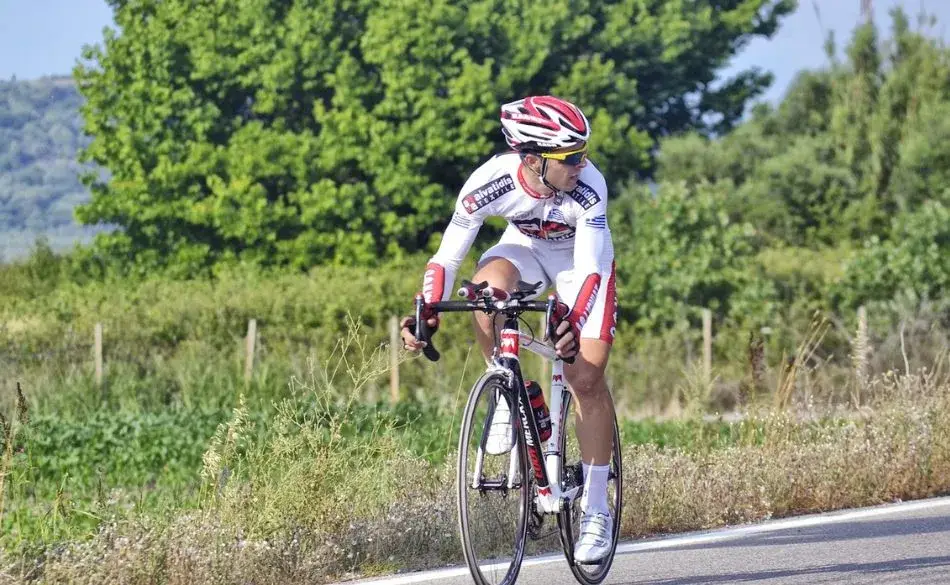
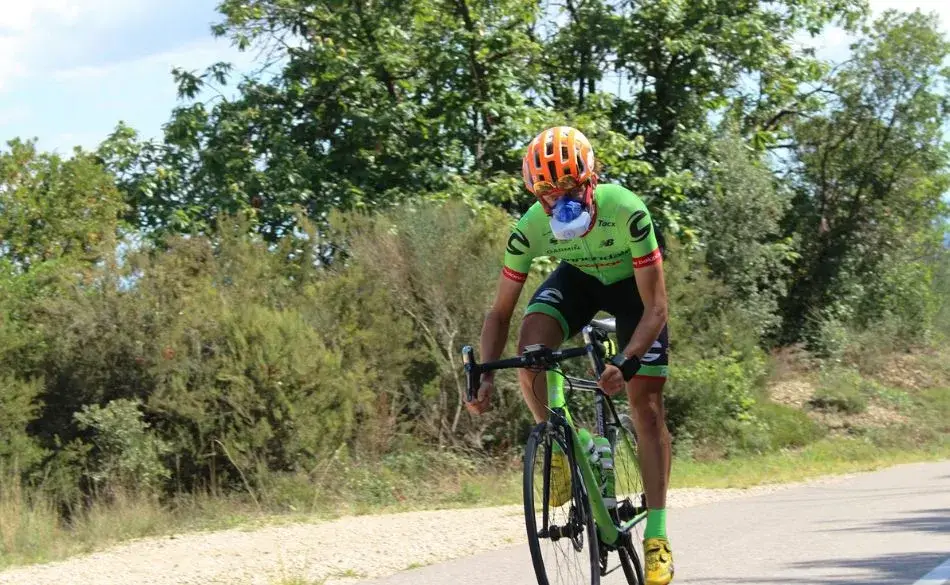
How Does an Ironman Compare to Other Triathlon Distances?
When athletes look at an Ironman next to other triathlon distances, the differences become even clearer. The challenge isn’t only about going farther. It’s about fueling, pacing, and managing your body over a full day of effort. Shorter races feel sharp and intense. The Ironman distance feels steady, controlled, and deeply personal. To help you understand the real differences, here’s a side-by-side breakdown you can use while planning your season or setting long-term goals.
Use this table as a quick guide to see how training focus, time demands, and performance expectations shift as the distance grows. Whether you’re choosing your first race or thinking about moving up to long-course racing, these comparisons will help you understand what each distance asks from your body and mind.
👉 Swipe to view full table
| Category | Sprint & Olympic Triathlon | Ironman Distance |
|---|---|---|
| Training Volume | 5–8 hrs weekly with high-intensity intervals. | 12–18+ hrs weekly focused on aerobic endurance. |
| Pacing Strategy | Fast, aggressive, and close to threshold. | Steady, conservative race pacing all day. |
| Nutrition Needs | Simple hydration and light fueling. | Complex, planned race nutrition for 10–17 hrs. |
| Race Duration | 1–3 hours depending on distance. | 8–17 hours depending on ability. |
| Energy Systems | More anaerobic and threshold work. | Mainly aerobic with long fuel management. |
| Best Suited For | Athletes who enjoy speed and sharp efforts. | Athletes who thrive in long, steady endurance racing. |
Looking at these differences, you can see why both race types attract very different personalities. If you love fast bursts, quick transitions, and the thrill of pushing near your limit, shorter races will feel exciting and manageable. But if you’re drawn to big goals, long quiet stretches, and the satisfaction of pacing yourself strong from start to finish, the Ironman may be the challenge that lights you up.
If you’re preparing for your first full Ironman or aiming to set a new personal best, our Ironman Triathlon Training Plans give you a clear weekly roadmap from start to finish. Each plan is designed to balance endurance, strength, and race-specific pacing—without overwhelming your schedule.
You’ll follow proven progressions that build long-course durability, improve fueling habits, and help you feel strong in the final hours of the race. Perfect for beginners moving up in distance or experienced triathletes looking for more structure.
View Ironman Training Plans
Which Race Distance Is Right for You?
Choosing between the Ironman distance and shorter triathlon distances comes down to your goals, personality, and the lifestyle you want while training. Some athletes feel energized by fast sessions and short races. Others enjoy settling into long hours of steady effort that build them up slowly. There isn’t one best choice. There’s only the best choice for you.
If you love pushing hard for short periods, Sprint and Olympic races might feel like home. The training fits well into busy lives, and progress comes quickly. On the other hand, if you’re drawn to big challenges, deep focus, and steady endurance racing, the Ironman may feel more meaningful. The experience teaches discipline and patience in ways shorter races can’t.
To help you decide, here are simple questions that point you in the right direction:
- How much time can you train? If you can train 5–8 hours weekly, shorter races fit best. If you can commit 12 or more, Ironman becomes realistic.
- What motivates you? Quick improvements suit short races. Slow, steady gains suit long-course racing.
- How do you handle difficulty? Short races hurt fast. Ironman hurts slow and demands more emotional control.
- What type of racing excites you? Fast transitions and speed-focused pacing or long days that reward consistency?
- How important is lifestyle balance? Short races fit easily into life. Ironman becomes a major part of it.
Your choice doesn’t need to be permanent. Many athletes start with shorter races and move up when they feel ready. Others do an Ironman once and happily return to shorter events. You’re allowed to explore, change your goals, or shift your focus as life evolves.
Your Next Step in the Triathlon Journey
By now, you’ve seen how the Ironman distance and shorter triathlon distances ask for very different things from your body, your schedule, and even your mindset. One rewards speed and sharp pacing. The other rewards patience, calm decision-making, and long hours of steady effort. Both can shape you into a stronger and more confident athlete.
Let’s be honest. No matter which path you choose, you’re stepping into a sport that teaches discipline and self-belief. You’ll learn how your body handles pressure. You’ll learn how your mind reacts when things get tough. And you’ll discover strengths you didn’t know you had.
If you’re feeling unsure about where to start, remember this: you don’t need to make a perfect choice. You just need to make a choice that excites you right now. You can always move up, move down, or try something new. Every race teaches you something valuable.
Whether you pick the fast thrill of short-course racing or the long, steady journey of long-course racing, you’re choosing a path that builds endurance, character, and joy. Trust your instincts, trust your ability to improve, and take the next step with confidence.