

Quick Answer
For a simple extraction, avoid all heavy lifting for at least 7 days. For a surgical extraction or impacted wisdom teeth, wait 10–14 days minimum. The risk is dry socket — the blood clot protecting the wound gets dislodged by the pressure spike from heavy lifting, leaving exposed bone and nerve. Light walking is fine from day 2–3. Light weights at 50% effort from day 5–7 (simple) or day 10 (surgical). Heavy compound lifts last.


Why Lifting Weights Is Specifically Risky After an Extraction
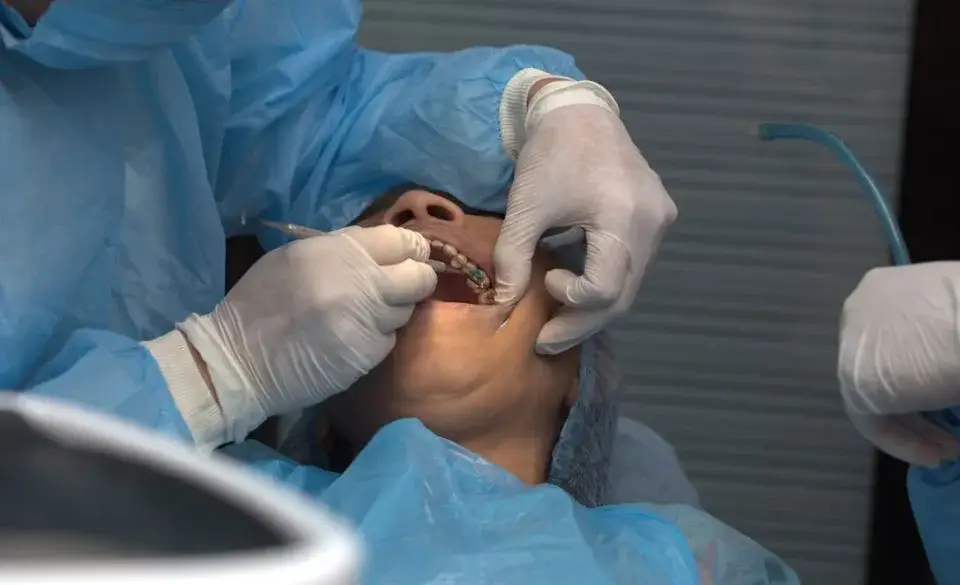
Most people understand that exercise raises blood pressure. What’s less obvious is why that matters for a wound in your jaw. After a tooth is removed, your body forms a blood clot in the empty socket within the first 24 hours. That clot is the foundation of healing — it protects the exposed bone and nerve and signals the tissue to start regenerating. Disturb the clot and you get dry socket: intense, radiating jaw pain that can last 1–2 weeks and requires a dental visit to treat.
Heavy lifting creates two specific problems. The first is the general blood pressure rise that comes with any intense exercise — this increases blood flow to the head and face, creating physical pressure on a still-fragile clot. The second, and more dangerous, is the Valsalva maneuver — the instinctive breath-hold and intra-abdominal bracing used during heavy squats, deadlifts, bench press, and overhead pressing. This manoeuvre creates a sharp pressure spike through the chest, throat, and facial blood vessels that is more than enough to dislodge a forming clot, even in a runner who doesn’t consider their gym work particularly heavy.
This is why lifting restrictions exist even when you feel completely fine. The clot doesn’t have nerve endings — you won’t feel it being disturbed until it’s already gone and the raw socket becomes exposed. By that point you’re looking at a significantly longer and more painful recovery than if you’d simply waited another week.


Return-to-Gym Timeline by Extraction Type
| Extraction Type | No Exercise | Light Walking | Light Weights (50%) | Normal Training |
|---|---|---|---|---|
| Simple extraction (fully erupted tooth, no stitches) | First 24–48 hrs | Day 2–3 | Day 5–7 | Day 7–10 |
| Simple extraction with stitches | First 48–72 hrs | Day 3 | Day 7 | Day 10–14 |
| Surgical extraction (tooth cut out, significant tissue work) | First 72 hrs | Day 3–4 | Day 10 | Day 14+ |
| Impacted wisdom teeth (partial or full bone removal) | First 72–96 hrs | Day 4–5 | Day 10–14 | Day 14–21 |
| Multiple extractions simultaneously | First 72–96 hrs | Day 4–5 | Day 10–14 | Day 21+, dentist-cleared |
These timelines assume uncomplicated healing — no dry socket, no infection, no excessive swelling beyond day 3. If you develop any complications, add at least a week to each phase and return to your dentist before resuming exercise. Individual healing rates vary with age, immune function, smoking status, and oral hygiene, so treat these as minimums, not targets.

What You Can and Can't Do: Exercise by Phase
Phase 1: Days 1–2 (All Extraction Types)
Complete rest. No exercise of any kind. This is the critical clot-formation window. Even walking briskly or carrying heavy shopping bags is enough to elevate blood pressure and risk the forming clot. Sleep with your head elevated on two pillows to reduce swelling and blood pooling. Use this time to prepare your nutrition strategy (see below) and plan your return rather than trying to maintain any fitness.
Phase 2: Days 3–5 (Simple Extraction) / Days 3–7 (Surgical)
Gentle walking only — 15–20 minutes at a comfortable pace on flat ground. No hills, no inclines, no brisk pace. The goal is light movement to maintain circulation without spiking blood pressure. Avoid bending at the waist (picking things up from the floor, tying shoes) as this creates a brief pressure increase in the head. No gym.
Phase 3: Days 5–7 (Simple) / Days 10–14 (Surgical)
Light exercise can resume — but with strict constraints. Target 40–50% of your normal training load. This phase is about maintaining movement patterns, not training load. Permitted activities include walking at moderate pace, light machine weights (leg press, cable rows, lat pulldown) at low effort, unweighted bodyweight squats and lunges, and easy cycling on a stationary bike at low resistance. Strict rules for this phase: no breath-holding under any circumstances, no jaw clenching, stop immediately at any throbbing or bleeding.
Phase 4: Day 7–10+ (Simple) / Day 14+ (Surgical)
Progressive return to normal training. Start compound lifts at 60–70% of your working weight and build back over 1–2 weeks. Heavy squats, deadlifts, overhead press and bench press are the last exercises to return — all involve significant Valsalva bracing. Avoid jaw clenching by keeping a relaxed jaw and breathing through the lift rather than holding. If you experience any throbbing at the extraction site during a set, stop that exercise for another 48 hours.
| Exercise Type | Simple: When Safe | Surgical: When Safe | Notes |
|---|---|---|---|
| Gentle walking | Day 2–3 | Day 3–4 | Flat ground, easy pace only |
| Light machine weights | Day 5–7 | Day 10 | 40–50% effort, no breath-holding |
| Bodyweight squats / lunges | Day 5–7 | Day 10 | No weighted variations yet |
| Stationary cycling (easy) | Day 5–7 | Day 10 | Low resistance, comfortable pace |
| Running / jogging | Day 7 | Day 10–14 | Easy pace, no sprinting |
| Moderate barbell work | Day 7–10 | Day 14 | 60–70% of normal load |
| Heavy squats / deadlifts | Day 10+ | Day 14–21 | Last to return; high Valsalva demand |
| Heavy bench / overhead press | Day 10+ | Day 14–21 | Jaw clenching risk; return carefully |
| HIIT / sprint work | Day 10+ | Day 14–21 | High blood pressure spike risk |
| Contact sports | Day 14+ | Day 21+ or dentist-cleared | Impact risk to jaw; dentist approval required |


Signs You've Gone Back Too Soon
Your body will usually give clear signals if you’ve returned to training before the extraction site is ready. Knowing these early warning signs means you can stop before causing a serious complication rather than after.
Throbbing pain during or after a set is the clearest signal — this is elevated blood pressure reaching the extraction site and putting pressure on still-healing tissue. Stop that session immediately and rest for 48 hours. Fresh bleeding at the socket after exercise means the clot has been disturbed. Bite down on clean gauze for 30 minutes and avoid all exercise for at least 2 more days. Increased swelling the day after training — especially if swelling had been reducing — indicates the site is being aggravated and needs more rest before you continue. A bad taste or smell from the socket combined with intensifying pain (rather than gradually reducing pain) is the hallmark of dry socket and requires immediate dental attention regardless of whether exercise caused it.
If you experience any of these, the rule is simple: stop training, manage the symptom, and add 48–72 hours to your return timeline at minimum. Trying to push through throbbing or bleeding in an extraction site will almost always cost you more recovery time than the session was worth.

Nutrition to Speed Up Healing
Your body’s ability to heal the extraction site is directly tied to what you’re fuelling it with. The same principles that drive post-training recovery apply here — protein, micronutrients, and hydration — but with the added constraint of a restricted diet in the early days.
Protein is the most important macronutrient for wound healing. Aim for your normal protein intake (1.6–2g per kg of bodyweight) even while eating soft foods. Greek yogurt, eggs, protein shakes, smoothies with protein powder, soft fish, and blended soups with legumes all deliver adequate protein without requiring chewing. Don’t let the soft-food requirement become an excuse to drop protein intake — this is when your body needs it most.
Vitamin C supports collagen synthesis, which is essential for gum tissue repair. Smoothies with berries, kiwi blended into yogurt, or orange juice (drunk without a straw — straws create suction that can dislodge clots) are practical sources. Zinc supports immune function and wound healing — eggs, soft-cooked legumes, and dairy provide it without hard chewing. Hydration keeps the tissue environment optimal for healing — aim for your usual 2–3 litres of water per day, again without straws.
Avoid alcohol completely for at least 5–7 days. Alcohol thins the blood, impairs clot formation, and interacts with any pain medication prescribed. It also dehydrates, which slows healing. For electrolyte needs during light exercise in the recovery period, natural electrolyte sources added to water are a better choice than sports drinks with high sugar content that can irritate the extraction site.


What to Do Instead While You Wait
A forced week off from heavy training is a good opportunity to address the things you normally skip. Mobility work — hip flexor stretches, thoracic rotation, ankle dorsiflexion drills — can all be done at low intensity without raising blood pressure significantly. Light walking builds in the easy aerobic base that most training programmes underserve. This is also an ideal time to review your programme structure: are you including enough zone 2 aerobic work? Is your training frequency appropriate for your recovery capacity?
One week away from heavy lifting will not meaningfully affect your strength or muscle mass. Research consistently shows that strength is retained for 2–3 weeks of detraining before significant losses begin. Your fitness is not at risk — but your healing is if you rush it.
Ready to build a smarter training plan around your life?
Recovering from a procedure is a good reminder that consistency matters more than any single session. At SportCoaching, we build personalised programmes for running, cycling, and triathlon that account for life's interruptions so your progress stays on track.


FAQ: Lifting Weights After Tooth Extraction
How long after a tooth extraction can I lift weights?
For a simple extraction, wait at least 7 days before returning to heavy lifting. For a surgical extraction or impacted wisdom teeth, wait 10–14 days minimum. These timelines assume normal healing — no excessive swelling, bleeding, or signs of dry socket. Always start at 50% of your normal load when you return and avoid any lift that requires breath-holding or jaw clenching.
Why is lifting weights dangerous after a tooth extraction?
Heavy lifting raises blood pressure sharply, which can disrupt the blood clot protecting the extraction socket. The Valsalva manoeuvre — the breath-hold and brace used during heavy squats, deadlifts, and pressing — creates a direct pressure spike through the head and facial blood vessels that can dislodge the clot and cause dry socket. Even moderate lifting within the first 48–72 hours carries this risk.
What exercise can I do after a tooth extraction?
First 24–48 hours: complete rest only. Days 3–5: gentle walking only. Days 5–7 (simple extraction): light bodyweight movements and light machine work at 40–50% effort with no breath-holding. Days 7–10: progress to moderate weights if there is no pain or swelling. Avoid heavy compound lifts until at least day 10 for simple extractions and day 14 for surgical.
What is dry socket and how does exercise cause it?
Dry socket occurs when the blood clot in the extraction site is dislodged or dissolves before the wound heals, leaving exposed bone and nerve. Exercise raises blood pressure and increases blood flow to the head, which can physically displace the clot. The Valsalva manoeuvre during heavy lifting creates an additional pressure spike that is especially risky in the first 72 hours.
Can I do cardio after a tooth extraction?
Light walking is fine from day 2–3 for most simple extractions. Avoid running or high-intensity cardio for at least 5–7 days after a simple extraction and 10–14 days after surgical. Moderate stationary cycling at low resistance is generally safe from day 5–7 for simple extractions if there is no swelling or bleeding.















