Why Does the Inside of Your Knee Hurt After Running?
When runners describe inner knee pain when running, it usually points to structures on the medial (inside) side of the joint. Understanding the source of discomfort is the first step toward fixing it. The pain can range from a dull ache in inside of knee after exercise to a sharp twinge that forces you to stop mid-run.
Here are the most common causes:
Pes Anserine Bursitis Running
This irritation happens just below the knee joint where three tendons attach. You might feel a tender spot when you press the area, especially after long or hilly runs.
MCL Strain from Running
The medial collateral ligament can become overstretched during sudden changes in direction or overuse. Pain is felt directly on the inner line of the knee.
Medial Meniscus Irritation
The cartilage that cushions your knee joint can tear or inflame. Signs include swelling, clicking, or pain that worsens with twisting.
Runner’s Knee Inside Pain
Patellofemoral pain syndrome isn’t only around the kneecap. It can radiate to the inner knee, especially if your stride mechanics are off.
Overpronation Knee Pain Running
If your feet roll inward too much, your knees follow. This misalignment adds stress to the medial knee over time.
To help you compare, here’s a quick table:
| Symptom | Likely Cause | Typical Feeling |
|---|---|---|
| Tender spot below knee joint | Pes Anserine Bursitis | Achy, worse after hills or long runs |
| Sharp pain with twisting or cutting | MCL Strain | Sharp line pain inside knee |
| Clicking, swelling, locking sensation | Medial Meniscus Problem | Catching or swelling inside knee joint |
| Pain climbing stairs or after sitting | Runner’s Knee (PFPS) | Dull ache, may radiate to inner knee |
| Pain worsens with flat or worn shoes | Overpronation/Foot Mechanics | Achy medial knee during and after running |
If you’ve noticed swelling on inside of knee after running or pain that doesn’t improve with rest, it’s a sign to take things seriously and seek professional advice.
Running can be one of the best ways to stay fit, but inner knee pain can slow your progress. Our Running Coaching gives you personalised guidance to build strength, improve form, and prevent pain on inside of knee after running, keeping you consistent and motivated.
- Strength and stability: personalised exercises to support hips, quads, and glutes, reducing medial knee stress
- Form optimisation: coaching on stride, cadence, and hip alignment to prevent inner knee pain
- Accountability: expert feedback that keeps you on track and prevents flare-ups
- Injury prevention: structured progression that avoids overuse and keeps knees healthy
Don’t just run—run smart. Get coaching that helps you strengthen your knees, stay consistent, and enjoy every step.
Start Personal Running Coaching →

Is Your Knee Pain Serious or Just Overuse?
Not every ache means injury. Sometimes, medial knee pain after running is nothing more than tired muscles or joints adjusting to new mileage. Other times, it signals a deeper issue that shouldn’t be ignored. Knowing the difference helps you stay safe while still keeping your training on track.
Here’s the thing: runners often push through discomfort, assuming it’s “normal.” But pain on the inner side of knee joint that keeps coming back is your body’s way of waving a red flag.
Signs It Might Be Serious
- Sharp pain inside knee when running that forces you to stop.
- Swelling on inside of knee after running that lasts more than a day.
- Clicking, locking, or catching when you bend your knee.
- Instability, like your knee might give way.
- Pain at rest or at night that interrupts sleep.
These symptoms are often linked to meniscus irritation, MCL strain, or cartilage damage. They’re not the kind of aches you can just stretch out.
Signs It’s Likely Overuse
- A dull ache in inside of knee after exercise that fades within 24–48 hours.
- Soreness after a knee pain after long run, but no swelling.
- Pain that improves when you shorten your stride or slow your pace.
- Discomfort that eases with supportive shoes or running on softer surfaces.
Overuse pain is often tied to training errors, like ramping mileage too quickly, ignoring recovery, or running too much on concrete.
The rule of thumb is simple: if pain improves quickly with rest and light mobility, you can usually manage it at home. If it lingers or worsens, it’s worth seeing a physio or sports doctor before it sidelines your running goals.
For a more comprehensive understanding of knee pain causes and treatments, you might find this article helpful: Knee Pain From Running: Common Causes and Treatments.


How to Treat Pain on the Inside of Your Knee
If you’re dealing with inner knee pain when running, the first step is to calm the irritation before pushing mileage again. Trying to “run through it” often makes things worse, especially if the pain stems from the meniscus or MCL.
The most effective approach combines short-term relief with long-term correction.
Short-Term Relief
- Rest and Ice: Take a few days off and use ice packs 10–15 minutes at a time to reduce inflammation.
- Compression and Support: A light wrap or knee sleeve can help stabilize the joint and limit swelling.
- Modify Training: Swap high-impact runs with cycling, swimming, or brisk walking to maintain fitness without aggravating the knee.
Long-Term Fixes
- Strength Exercises for Knee Pain Running: Focus on the hips, glutes, and quads. Weak hips often allow knees to cave inward, stressing the inside joint.
- Stretches for Inside Knee Pain: Gentle hamstring and quad stretches reduce tension around the joint. Avoid bouncing stretches, which can irritate tissue.
- Correct Overpronation: If your gait mechanics are the problem, supportive shoes or inserts can help prevent overpronation knee pain from running.
- Gradual Training Progression: Add mileage slowly (no more than 10% per week) to avoid knee pain after long run.
Here’s something I’ve seen coaching athletes: one runner came in with persistent dull ache inside knee after exercise that flared every time he hit the track. We discovered his shoes were worn out and his stride length was too aggressive. With fresh shoes, strength work, and shorter steps, his pain faded within three weeks.
Pain relief isn’t about doing everything at once. It’s about small, consistent adjustments that add up. If discomfort doesn’t ease after two weeks of smart changes, it’s time to get professional help.
For additional support during runs, you might consider using knee sleeves, which can help stabilize the joint and reduce discomfort. Learn more about whether they actually help in our guide: Do Knee Sleeves Really Help with Running?.
For a comprehensive understanding of recovery timelines and strategies, explore our detailed guide: How Long Does Runner’s Knee Last?.


How to Prevent Knee Pain from Running
The best fix for knee pain is often prevention. Once you’ve felt pain on inside of knee after running, you know how frustrating it can be to cut a run short or skip training days. Building small habits into your routine makes a huge difference in protecting your knees.
One of the simplest strategies is choosing the right footwear. Old or unsupportive shoes often lead to overpronation, which drags your knee inward and stresses the inside joint. Rotating shoes and replacing them every 300–500 miles can keep your stride healthy.
Surface also matters. Long runs on concrete pound the joint more than trails or tracks. If you’ve had knee pain after running on treadmill, it may be due to the repetitive, flat motion. Mixing in softer surfaces helps spread the impact across your muscles instead of forcing it all through the knee.
Your running form is another key piece. Overstriding, crossing your feet too much, or letting your hips drop all increase stress on the medial side. A shorter stride with higher cadence (steps per minute) can reduce force on your knees and help prevent runner’s knee (inside pain).
Here are some insider tips I often share with athletes:
- Warm up with dynamic drills like high knees and skips to prime your muscles.
- Add 2–3 short strength sessions per week, focusing on hips, glutes, and quads.
- Stretch gently after runs, especially hamstrings and quads, to ease tightness.
- Don’t ignore small aches. Adjust early before they grow into persistent pain.
Prevention isn’t about being perfect. It’s about stacking small choices (better shoes, smarter surfaces, consistent strength) that keep you running without being sidelined by nagging injuries.
Mobility exercises are key to keeping your knees and hips flexible, reducing the chance of medial knee pain. For a full set of targeted drills, see our guide: 10 Mobility Exercises for Runners to Run Faster and Stay Injury-Free.


When Should You See a Doctor for Knee Pain?
Most runners will experience some soreness during training, but not all pain should be brushed aside. If you’ve tried rest, strength work, and footwear changes but still feel medial knee pain after running, it’s time to look deeper.
Medical help is especially important if your pain limits daily life. For example, if you struggle to walk, climb stairs, or notice ongoing swelling on inside of knee after running, those are signs the problem is more than overuse.
Sports medicine professionals can run simple clinical tests and, if needed, order scans to check for meniscus issues, bursitis, or an MCL injury. While not every ache needs an MRI, a proper assessment gives you clarity and peace of mind.
Long-term solutions often include a mix of guided rehab, running form analysis, and progressive loading. A physio may prescribe targeted strength exercises for knee pain, such as step-ups, single-leg bridges, and band walks. Combined with mobility drills, these help restore balance between hips, quads, and hamstrings.
For some runners, gait retraining is the game-changer. Shortening stride length, increasing cadence, or adjusting posture can offload stress from the inner knee. If you’ve noticed sharp pain inside knee when running downhill, this is often a sign your mechanics need fine-tuning.
Here’s a reassuring truth: most runners who seek help early get back to pain-free mileage much faster than those who wait. Ignoring warning signs usually leads to longer rehab and more frustration.

Strength and Mobility Exercises That Help Inner Knee Pain
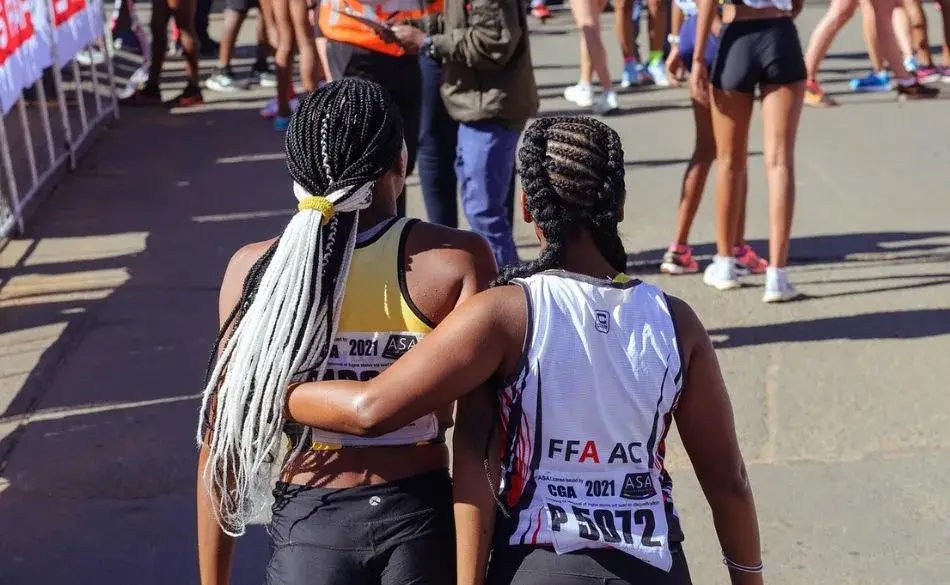
When it comes to preventing pain on inside of knee after running, strength and mobility work are some of the most reliable tools you have. Running alone doesn’t always build the balanced muscles you need to protect your knees. If certain muscles are weak or tight, the inner part of your knee is forced to absorb more stress than it should. Over time, this leads to irritation, soreness, and even injuries like pes anserine bursitis or runner’s knee.
The key muscles to target are your hips, glutes, quads, and hamstrings. These muscle groups act as stabilizers, controlling how your knee tracks with every stride. When they’re strong and flexible, the knee moves in a safer, more efficient line. When they’re weak or stiff, your knee caves inward and takes the hit.
Effective Strength Exercises
- Step-Ups: A functional move that mimics running and builds quad and glute strength.
- Glute Bridges or Single-Leg Bridges: Strengthen the hips and stabilize knee alignment.
- Clamshells and Band Walks: Fire up the glute medius, which reduces inward knee collapse.
- Wall Sits: Improve quad endurance for long runs where fatigue can trigger poor form.
Useful Mobility Drills
- Hamstring Stretches: Loosen the back of the leg to ease pulling on the inner knee.
- Quad Stretches: Keep the front of the thigh from stiffening and overloading the joint.
- Hip Openers: Allow for smoother, safer stride mechanics and less medial stress.
Even 15–20 minutes of this work, two or three times per week, can make a huge difference. Many runners I coach who had a dull ache in inside of knee after exercise found their symptoms faded once they committed to consistent strength and mobility sessions. It’s not about intensity, it’s about consistency.
Along with strength exercises, warming up with targeted stretches is crucial to protect your knees. Dynamic stretches help activate the hips, glutes, and quads before you hit the pavement, reducing stress on the medial knee. For detailed routines, see our guide: Simple Stretches Before Running That Can Change Your Run.

Running Form Fixes to Protect the Medial Knee
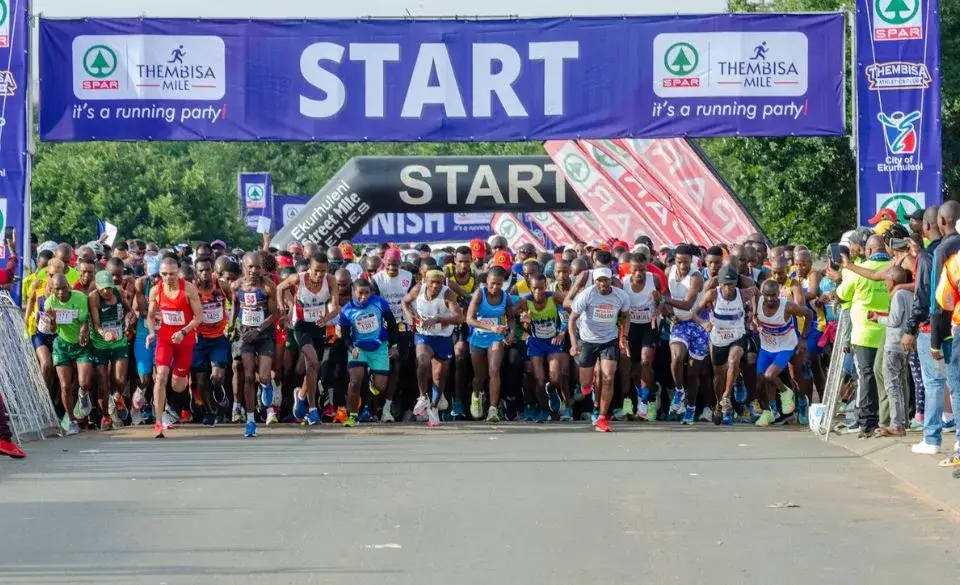
Your running form is one of the biggest factors in whether you stay pain-free or struggle with inner knee pain when running. Even small tweaks in your stride can make the difference between building mileage comfortably and dealing with medial knee pain after running every week.
One common issue is overstriding. This happens when your foot lands too far in front of your body, creating extra braking forces. These forces travel up the leg and put strain on the inside of the knee. Shortening your stride and focusing on landing with your foot closer to your hips reduces impact.
Another form fix is increasing cadence. Cadence means steps per minute, and research shows that bumping it up by just 5–10% can reduce pressure on the knee joint. For many runners, this means aiming for around 170–180 steps per minute. A higher cadence spreads the workload across more steps, lowering the stress each stride places on your knees.
Hip control is another piece of the puzzle. When your hips drop or rotate inward, your knee tends to collapse toward the midline, causing pain on inner side of knee joint. Strength training helps, but being mindful of hip position while running is equally important. Imagine keeping your hips level like headlights shining straight ahead.
Finally, think about posture. Leaning slightly forward from the ankles (not the waist) encourages a smoother stride and keeps weight distributed evenly. This prevents overloading the medial side of your knee.
Small adjustments often add up. By dialing in your form with shorter strides, a quicker cadence, and better hip alignment, you create a movement pattern that keeps your knees healthier for the long haul.
Strong legs aren’t just about power, they help your knees track correctly and reduce medial stress. To dive deeper into targeted leg exercises for runners, check out our guide: Leg Exercises for Runners to Run Faster and Stay Injury-Free.
Gear, Surfaces, and Training Adjustments
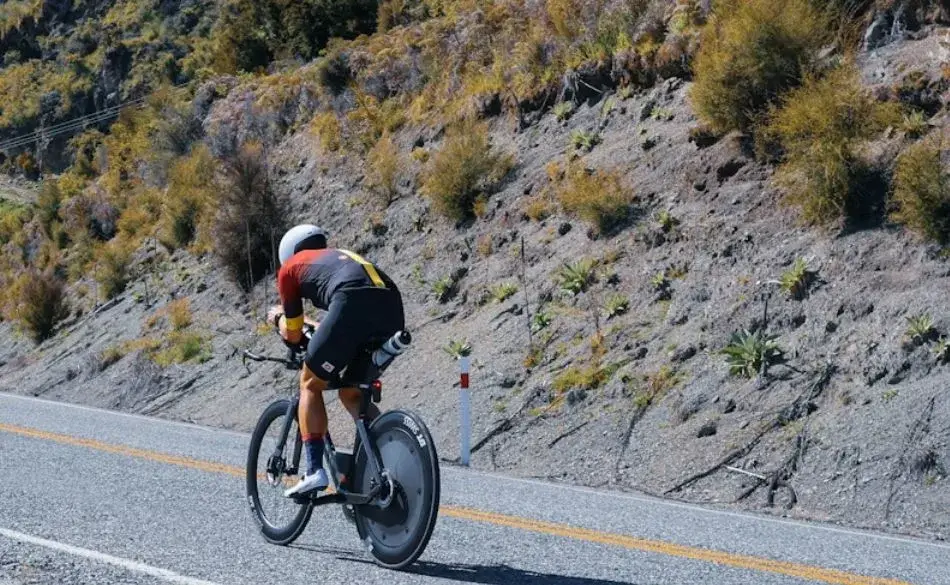
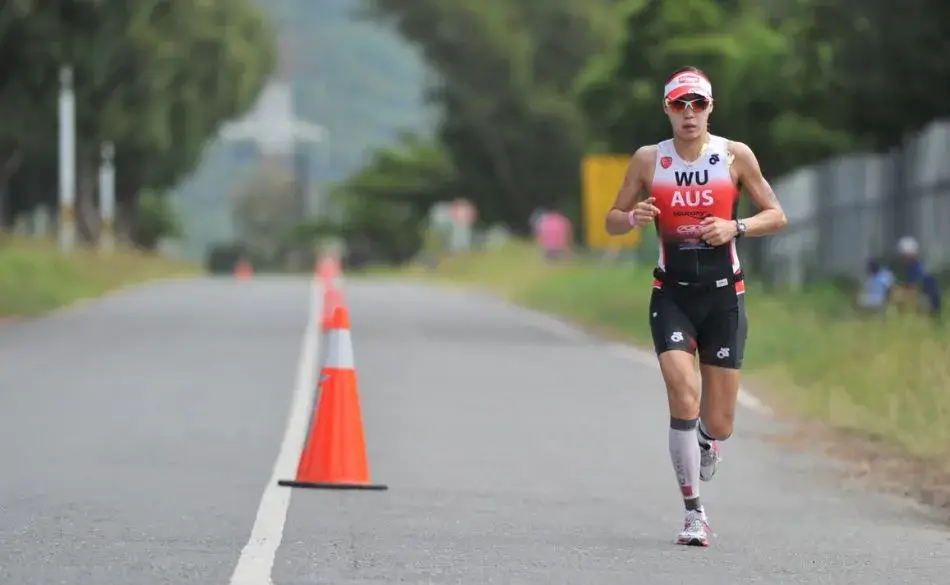
The right gear and smart training choices can lower your risk of pain on inside of knee after running. Small changes add up. You don’t need a full overhaul, just a few targeted tweaks.
Start with shoes. If your feet roll inward, you may feel overpronation causes knee pain on longer days. Supportive models or mild stability shoes can help. If cushioning is worn down, impact shoots straight to the knee. Most runners do well replacing shoes every 300–500 miles. If you’re unsure, visit a specialist store for a stride check. Ask about best running shoes for knee pain for your foot type and training load.
Inserts can make a difference too. A simple off-the-shelf insole supports the arch and keeps the knee tracking better. Custom orthotics are an option if you’ve tried basic fixes and still feel medial knee pain after running. Keep it simple first; upgrade only if you need to.
Surfaces matter. Trails, grass, and modern tracks spread load across the body. Concrete amplifies impact and can aggravate the inner side of knee joint. If you get knee pain after running on treadmill, change the incline slightly, vary pace, and break long sessions into chunks. Repeating the exact same pattern for an hour can irritate tissue, even with good cushioning.
Now look at your plan. Add volume slowly. Big jumps lead to flare-ups. Mix hard and easy days. Put a rest day after your long run. Two short strength sessions each week protect your knees more than one epic workout. If a run starts to ache, cut the route short. That choice today keeps you training tomorrow.
Here’s the simple formula I give athletes: better shoes, kinder surfaces, gradual load. Combine that with good form and basic strength, and you’ll have a clear path for how to prevent knee pain from running without losing fitness or joy.
Running should feel empowering, not painful. Many runners experience pain on inside of knee after running, which can slow progress or cause frustration. Our Running Training Plans are designed to help you build mileage safely, strengthen your knees, and prevent injuries while still reaching your running goals.
- Injury prevention: gradual mileage increases and strength work to reduce inner knee stress
- Form-focused sessions: drills to improve stride, cadence, and hip alignment for healthier knees
- Recovery built-in: structured rest and cross-training to manage overuse pain
- Coach guidance: expert advice to help you adjust and keep running pain-free
Get the support you need to enjoy running while minimizing the risk of inner knee pain.
Explore Training Plans →
Conclusion: Keep Your Knees Strong and Pain-Free
Dealing with pain on inside of knee after running can be frustrating, but the good news is that most cases are manageable with the right approach. From understanding the root cause to making small but consistent changes in strength, mobility, running form, and gear, you have a clear path to staying pain-free.
Remember, your knees are part of a chain. Hip weakness, tight quads, worn shoes, or poor surface choices can all contribute to medial knee pain. Strength exercises like step-ups, bridges, and band walks, combined with gentle stretching and mindful running mechanics, go a long way in protecting your knees mile after mile.
Small adjustments matter. Shortening your stride slightly, increasing cadence, and keeping your hips aligned reduce stress on the inner knee. Choosing supportive shoes, rotating footwear, and mixing surfaces keep impact forces manageable. Even experienced runners benefit from these small tweaks, and beginners can avoid common pitfalls by implementing them early.
Don’t ignore persistent pain. If soreness lingers beyond a couple of weeks, or if you notice swelling, clicking, or instability, seek advice from a sports physiotherapist or medical professional. Early intervention often shortens recovery time and prevents setbacks that can affect months of training.
Finally, keep experimenting and tracking what works for you. Each runner’s body is unique, and small tweaks to form, footwear, or surface can have big effects. Stay patient, stay consistent, and remember: your knees are capable of more than you think when given the right support.
Your next step? Pick one area (strength, form, or gear) and commit to improving it over the next week. Little changes compound into big results, and soon you’ll be running farther, faster, and with less pain than ever before.