Want help turning consistency into progress? Coaching keeps your training simple, structured, and sustainable.
Start Coaching →
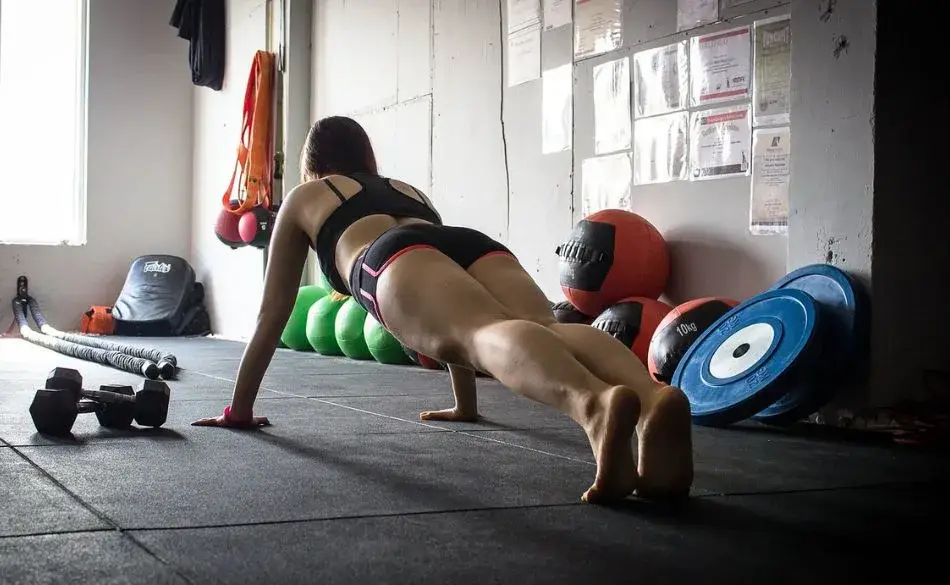
Bodyweight plank exercise as part of strength training to support running 3 km every day

Last updated:

Run 3 km Every Day? Add These 5 Easy Strength Moves for Better Results

Running 3 km every day is a simple, repeatable way to build fitness and routine. The question for many runners is whether that alone is enough, or if something should be added alongside it. For most people, pairing daily short runs with basic strength work leads to better results and fewer problems over time. In simple terms, strength training helps your body handle the repeated load of running.


A short strength routine does not need to be complex or time-consuming. Just 10 to 15 minutes, done before or after a 3 km run, can improve running efficiency and reduce common aches. That is the key point. Strength supports the running you are already doing, rather than replacing it.

Chat with a SportCoaching coach

Not sure where to start with training?

Tell us your goal and schedule, and we’ll give you clear direction.

No obligation. Quick, practical advice.

Article Categories:

Explore our running fitness resources for more helpful articles and resources.

Quick Answer

Running 3 km every day can improve consistency and basic fitness, but adding a short strength routine makes it more sustainable. Five simple strength moves, done for 10 to 15 minutes a few times per week, help reduce injury risk and improve running economy without interfering with daily running.

Why Strength Matters When You Run 3 km Every Day

Running 3 km every day places a small but repeated load on the same muscles, joints, and tissues. Over time, that repetition adds up. Because of this, strength training becomes important. It helps your body tolerate the load more efficiently. Stronger muscles absorb impact better, which in turn reduces stress on joints such as the knees, hips, and ankles. As a result, injury risk tends to stay lower when you run frequently, even at short distances. This is a key reason why running 3 km every day works for many people when the overall load stays controlled.

Beyond durability, strength training also influences performance. From a running economy point of view, it helps you use less energy to hold the same pace. When the hips, glutes, and core are stronger, stride stability improves, particularly as fatigue builds. In practical terms, this often feels like your runs become smoother rather than faster overnight. This is where context matters. The benefit is not speed alone, but consistency.

This distinction matters because daily 3 km runs are rarely limited by cardiovascular fitness. Instead, they are more often limited by niggles, tightness, or a gradual feeling of being worn down. Strength work helps address this by balancing muscles that running tends to underload or ignore. For example, many runners rely heavily on the quadriceps while underusing the glutes and hamstrings. Over time, simple strength exercises help correct this pattern.

Taken together, strength training acts like insurance for your running habit. It keeps your body durable enough to keep showing up. That is the key point. When strength supports your running, daily short runs become easier to sustain over weeks and months, not just days.

Five Easy Strength Moves to Pair With a Daily 3 km Run

If you are running 3 km every day, your strength work should be simple and repeatable. A short routine of 10 to 15 minutes is enough and can be done either before or after your run. If you train before running, keep the effort light and controlled. If you train after, you can work a little harder. In simple terms, the goal is support, not exhaustion.

To begin, start with bodyweight squats. These build leg strength through the hips and knees while reinforcing good movement patterns. Aim for slow, controlled repetitions, focusing on standing tall at the top. Over time, this helps counter the constant forward lean created by running.

From there, add reverse lunges. Stepping back rather than forward reduces knee stress while improving single-leg strength. This matters because running is essentially a series of one-legged landings. That is the key point.

Next, include glute bridges to activate the hips. Strong glutes help stabilise the pelvis and reduce overload on the lower back and hamstrings. Holding the top position briefly builds control rather than just movement.

To support the lower legs, use standing calf raises. Even short daily runs place significant demand on the calves and ankles. Controlled calf work improves stiffness and resilience, which supports a more efficient push-off during each stride.

Finally, finish with a front plank. Core strength helps maintain posture as fatigue builds, even over a 3 km run. Developing consistent core strength for runners improves control through the hips and trunk, which supports better alignment late in the run. Keep it simple, focusing on steady breathing and clean alignment.

In practice, one to two sets of each movement is enough. Taken together, this routine fits easily around a daily run and builds strength where runners need it most.

How to Structure a 10 to 15 Minute Strength Routine Around Your Run

The simplest way to add strength to a daily 3 km run is to remove friction. If a routine feels complicated, it is more likely to be skipped. For this reason, a short and predictable structure works best, especially when you are running most days of the week. This is where context matters. The routine should fit around the run, not compete with it.

Before a run, keep strength work light and activation-focused. One set of each movement, performed slowly, is enough to wake up key muscles. Think of this as preparation rather than training. Bodyweight squats, glute bridges, and short plank holds work well here. In simple terms, you are turning muscles on, not tiring them out.

After a run, you can place the main strength session. Two sets of each exercise, with controlled rest, fit comfortably into a 10 to 15 minute window. The aim is to feel worked but not drained. That is the key point. You should be able to run again the next day without heavy legs.

If time is tight, alternating works well. On some days, do strength after the run. On other days, use a lighter version before running. Over time, consistency matters more than perfect timing. A short routine completed four to five times per week delivers more benefit than a longer session done occasionally.

From a coaching perspective, runners who keep strength short and closely attached to their run are far more likely to stick with it. When strength becomes part of the running habit, daily 3 km runs become easier to maintain and recover from over the long term.

Progressions and a Simple Weekly Plan That Fits Daily Running

When you run 3 km every day, strength progressions need to be gradual. The goal is to build resilience without interfering with your ability to keep running. For that reason, progression is earned through consistency rather than rushed increases in load. This approach also aligns with what makes it safe to run every day, especially when volume stays modest and recovery is respected.

To begin, use bodyweight only for the first two to three weeks. Focus on control, full range of motion, and steady breathing. This is where technique matters most. Once the movements feel stable and repeatable, progression can happen through small challenges rather than added volume. For squats and lunges, slow the lowering phase or include a brief pause at the bottom. For glute bridges and planks, increase time under tension by holding positions longer. That is the key point. Progress does not require equipment.

Alongside daily runs, a simple weekly structure works well. Aim for strength work four to five days per week. On two of those days, keep the routine light and activation-based. On the other two or three days, use the full two sets per exercise after your run. This approach spreads the load and avoids stacking fatigue on consecutive days.

As adaptation improves, light external load such as a backpack or dumbbells can be added, but only if recovery remains smooth. If your runs begin to feel heavy or stiff, hold the progression steady for another week. This is where context matters. Daily 3 km running rewards patience.

Taken together, strength that supports the run rather than competing with it builds durability week by week. That consistency is what allows short daily runs to deliver long-term gains.

Making Daily 3 km Runs More Sustainable With Strength

Running 3 km every day works because it builds consistency without overwhelming your schedule or your body. Adding a small amount of strength training makes that habit more sustainable. Strength helps protect against common overuse issues, improves running efficiency, and supports better posture and control. In simple terms, it helps your body cope with doing the same thing often.

Keeping strength simple is the key. Five basic movements, done for 10 to 15 minutes, are enough when they are paired sensibly with your run. You do not need heavy weights or long sessions. You need exercises that support the muscles running relies on. That is the key point. Strength should make tomorrow’s run feel easier, not harder.

Over time, progress slowly and pay attention to how your body responds. If your runs stay smooth and recovery feels manageable, the balance is right. When strength supports your daily 3 km runs rather than competing with them, consistency becomes easier to maintain over the long term.

Want Clearer Structure Around Daily Running?

Running 3 km every day builds consistency, but many runners struggle to balance frequency, strength work, and recovery over time. Small decisions around pacing, weekly structure, or progression can quietly determine whether the habit feels sustainable or starts to break down.

If you want support shaping your daily running into a structure that fits your experience, schedule, and goals, running coaching at SportCoaching focuses on practical planning, sensible progression, and long-term consistency rather than short-term intensity.

Learn more about running coaching
Facebook
Twitter
LinkedIn
Telegram
Graeme

Graeme

Head Coach

Graeme has coached more than 750 athletes from 20 countries, from beginners to Olympians in cycling, running, triathlon, mountain biking, boxing, and skiing.

Start Your Fitness Journey with SportCoaching

No matter your goals, SportCoaching offers tailored training plans to suit your needs. Whether you’re preparing for a race, tackling long distances, or simply improving your fitness, our expert coaches provide structured guidance to help you reach your full potential.

  • Custom Training Plans: Designed to match your fitness level and goals.
  • Expert Coaching: Work with experienced coaches who understand endurance training.
  • Performance Monitoring: Track progress and adjust your plan for maximum improvement.
  • Flexible Coaching Options: Online and in-person coaching for all levels of athletes.
Learn More →

Choose Your Next Event

Browse upcoming Australian running, cycling, and triathlon events in one place. Filter by sport, check dates quickly, and plan your training around something real on the calendar.

View Event Calendar