Want help turning consistency into progress? Coaching keeps your training simple, structured, and sustainable.
Start Coaching →
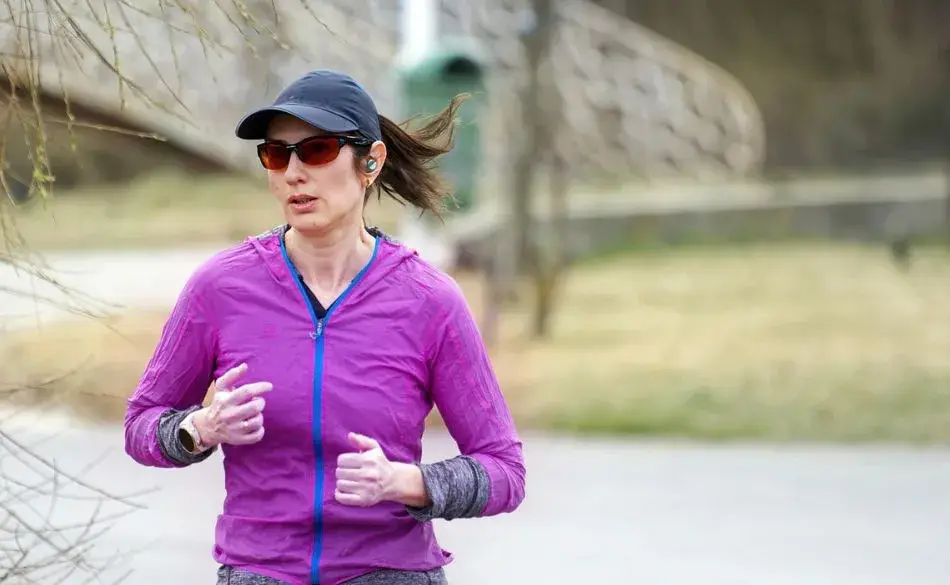
Runner wearing sunglasses, cap, and jacket showcasing essential running accessories

Last updated:

Running Accessories Every Runner Should Own: The Complete Guide

Running needs very little to get started, but the right accessories make a genuine difference to how comfortable, safe, and effective your training is. The problem is that the market is flooded with gear — most of it non-essential. This guide cuts through the noise with a practical, category-by-category breakdown of what actually earns its place in a runner's kit bag, what is worth adding as you progress, and what you can safely skip altogether.

Chat with a SportCoaching coach

Not sure where to start with training?

Tell us your goal and schedule, and we’ll give you clear direction.

No obligation. Quick, practical advice.

Article Categories:

Explore our running training resources for more helpful articles and resources.

Quick Answer

The running accessories every runner genuinely needs are quality shoes, moisture-wicking socks, a GPS watch or tracking app, a basic hydration solution for longer runs, anti-chafe balm, and a headlamp for dark sessions. Everything else — foam rollers, compression gear, running vests, heart rate monitors — adds value as your training volume grows, but is not required from day one.

Must-Have vs Nice-to-Have: Quick Reference

Before diving into each category, this table separates what genuinely belongs in every runner’s kit from what is worth adding once you are running consistently.

👉 Swipe to view full table

Accessory Essential? When You Need It Approx. Cost (AUD)
Running shoes ✅ Must-have From day one $150–$300
Moisture-wicking socks ✅ Must-have From day one $15–$30/pair
GPS watch / tracking app ✅ Must-have From week one Free app or $200–$600 watch
Anti-chafe balm ✅ Must-have Any run over 45 min $10–$20
Headlamp / running light ✅ Must-have Any early morning or evening run $30–$80
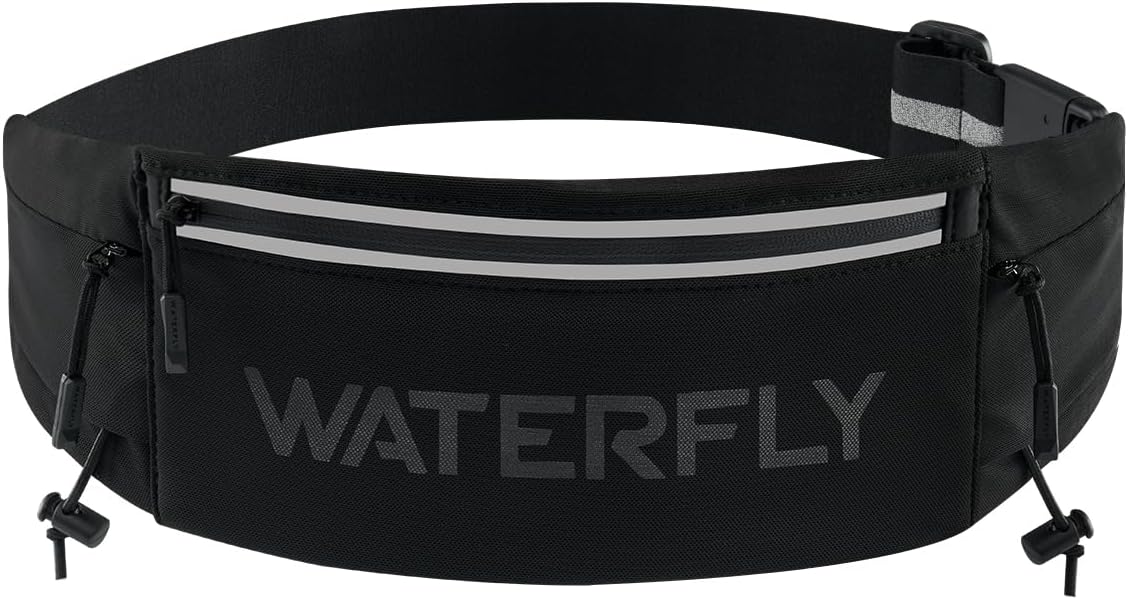
Hydration belt / soft flask ✅ Must-have Runs over 60 min or in heat $20–$80
Foam roller 🔵 High value Once running 3+ days/week $30–$80
Running cap / visor 🔵 High value Australian summer runs $25–$60
Compression socks / sleeves 🔵 High value Long runs, travel, recovery $30–$70/pair
Chest heart rate monitor ⚪ Nice to have Structured training / zone work $80–$150
Running vest / hydration pack ⚪ Nice to have Trail runs or 90+ min runs $80–$200
Massage gun ⚪ Nice to have High training load weeks $100–$400
Sprints Race Day Performance HyperG Racing Cap
Top Pick
Sprints Race Day Performance HyperG Racing Cap
FITRELL 3 Pairs Compression Socks
Compression Socks
FITRELL 3 Pairs Compression Socks
WATERFLY Running Belt Fanny Pack
Best Value
WATERFLY Running Belt Fanny Pack
Therabody JetBoots Prime
Recovery
Therabody JetBoots Prime
QUINEAR Air Compression Recovery System
Recovery
QUINEAR Air Compression Recovery System
Tifosi Optics Vogel XC Sunglasses
Sunglasses
Tifosi Optics Vogel XC Sunglasses

As an Amazon Associate, SportCoaching earns from qualifying purchases.

Footwear: The Foundation of Everything

No accessory matters more than what is on your feet. Running shoes absorb impact, guide your foot strike, and protect your joints across hundreds of kilometres of training. Wearing the wrong shoes — or worn-out shoes — is one of the most common causes of running injuries, from shin splints to plantar fasciitis.

Replace shoes every 600–800 km. The midsole foam that provides cushioning degrades well before the outsole shows visible wear. Many runners continue in shoes that have lost their protective qualities because they still look intact from the outside. A simple way to track this is to log your shoe mileage in your GPS watch or training app and set a reminder at 600 km.

Running socks are not optional. A quality pair of running-specific socks — with flat or seamless seams, moisture-wicking fabric, and reinforced heel and toe zones — eliminates the friction that causes blisters. Cotton socks hold moisture and are the most common source of blister problems. Merino wool and synthetic blends are far better choices for any run over 30 minutes. Keep two to three pairs in rotation and replace them when the padding in the heel and ball becomes thin.

GPS Watch and Training Tech

A GPS watch is the single most useful training accessory a runner can own beyond their shoes. Tracking pace, distance, and time accurately removes guesswork from your training and makes it possible to follow a structured plan, practise zone 2 running, and review your progress over time.

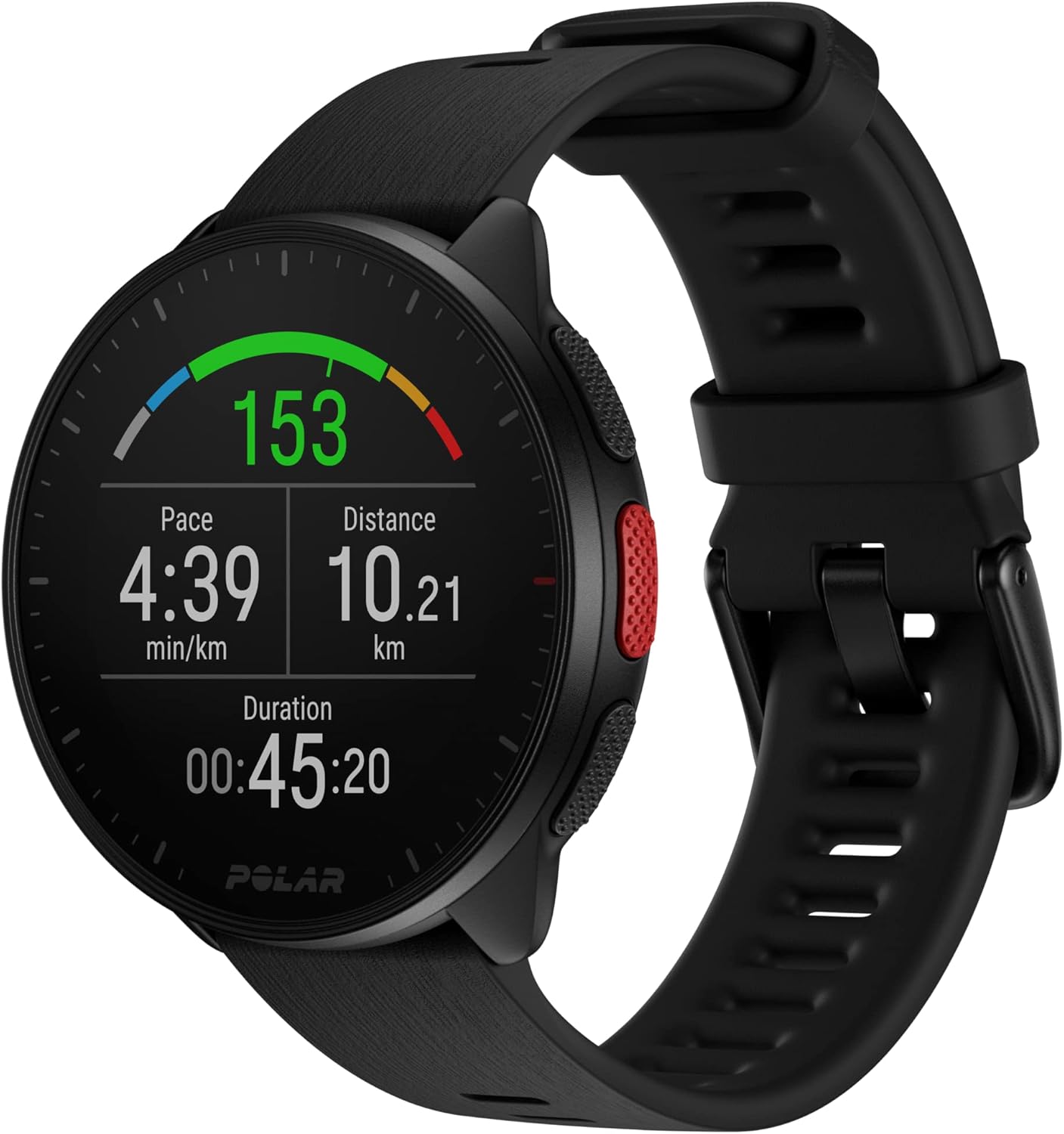
What to look for in a GPS watch. For most recreational runners, the key features are accurate GPS, optical heart rate monitoring, run-specific metrics (pace, distance, cadence), and battery life of at least 20 hours. Garmin’s Forerunner range and Polar’s Pacer series cover these needs at accessible price points. You do not need multi-sport or mapping functions unless you are also training for triathlon or trail running.

Free apps are a legitimate starting point. Strava, Nike Run Club, and Garmin Connect all offer free GPS tracking via smartphone. If you are new to running and not yet sure how serious you will become, starting with a phone app and upgrading later is completely reasonable. The limitation is that carrying a phone on every run is less convenient and optical phone sensors are less accurate than a dedicated watch.

Chest heart rate monitors. Optical wrist sensors built into GPS watches are convenient but lose accuracy during high-intensity intervals and in cold weather. If you are doing structured interval training or want accurate heart rate data for zone-based training, a chest strap monitor (such as the Garmin HRM-Pro or Polar H10) provides significantly better accuracy. This is a worthwhile upgrade once you are following a structured training plan.

Hydration Gear

Dehydration degrades performance and increases injury risk, particularly in warm Australian conditions. The right hydration solution depends entirely on how far you run and what the weather is doing.

👉 Swipe to view full table

Run Duration Conditions Recommended Solution
Under 45 min Cool weather No hydration gear needed
45–75 min Any weather Handheld soft flask (250–500 ml)
60–90 min Warm / summer Running belt with 2 x 250 ml flasks
90+ min Any weather Hydration vest (1.5–2 L reservoir)
Any distance Australian summer heat (>28°C) Add electrolyte tablets to water

A running belt with two small soft flasks is the most versatile everyday hydration option — light enough not to affect your gait and sufficient for most training runs. For anything over 90 minutes, or any run in Australian summer heat, a hydration vest with a 1.5–2 litre reservoir removes the need to calculate whether you have enough fluid. Read more about a smart endurance hydration strategy for longer efforts.

Safety and Visibility

Running in low light is unavoidable for most people who train before work or after dark. The right safety gear keeps you visible to drivers and cyclists, and ensures someone can identify you if something goes wrong.

Headlamp or chest light. A head torch with at least 200 lumens is sufficient for most road and path running. Look for a comfortable strap, a steady beam (not just flash mode), and a rechargeable battery. Chest-mounted lights spread the beam more naturally for runners who find headlamps uncomfortable. For trail running in the dark, 400+ lumens is advisable.

Reflective vest or bands. A lightweight reflective vest worn over your running kit makes you visible from over 150 metres in vehicle headlights. This matters most on roads without footpaths or in areas with fast-moving traffic. Clip-on LED blinkers on your shoes or waistband add a second layer of visibility without adding weight or warmth.

Road ID or medical ID. For solo runs — particularly long or trail runs — wearing identification that includes your name, emergency contact, and any medical conditions is a simple precaution that can make a significant difference in an emergency. Road ID makes a popular wristband version; alternatives include ID tags that attach to your shoelaces.

Recovery Tools

Recovery accessories are often treated as optional extras, but for runners training three or more times per week, they are among the highest-value investments you can make. Poor recovery compounds fatigue, increases injury risk, and limits the training adaptations you are working hard to earn.

Foam roller. The most accessible and widely-used recovery tool. Regular use on the calves, quads, hamstrings, and IT band breaks up myofascial tension and reduces delayed onset muscle soreness (DOMS) between sessions. A standard high-density foam roller costs $30–$60 and lasts for years. Spending five to ten minutes rolling after hard sessions is one of the best habits a runner can build. Combine it with targeted strength work to address the root causes of tightness, not just the symptoms.

Massage ball / lacrosse ball. A firmer, smaller tool than a foam roller, designed for more targeted pressure on specific knot points — particularly the calves, glutes, and the arch of the foot. Keep one at your desk and use it on your feet while seated. A standard lacrosse ball costs under $10 and is more effective per dollar than many expensive recovery gadgets.

Compression socks and sleeves. Compression garments improve venous blood flow from the lower legs back to the heart, reducing swelling and muscle fatigue after long runs. They are particularly useful for recovery during travel and on the day after a long run or race. Graduated compression socks (tighter at the ankle, looser towards the knee) are the most evidence-supported format.

Massage gun. A useful upgrade from a foam roller for runners carrying a high training load, dealing with persistent calf or quad tightness, or recovering from minor muscle soreness. The percussive action reaches deeper than rolling and can be more time-efficient. Not essential for runners doing three to four sessions per week, but genuinely useful at higher volumes.

Weather-Specific Accessories for Australian Runners

Australia’s climate means most runners face extremes at both ends of the temperature scale. The gear that manages heat and sun matters far more here than in cooler climates, while the cold-weather accessories are still needed for early mornings in southern states and highland areas.

Sun protection. A lightweight, moisture-wicking running cap with a UPF rating provides the most practical sun protection for face and scalp. Running sunglasses with UV400 protection are worth owning for any daytime run — they reduce glare-related fatigue and protect eyes from UV damage. Apply SPF 50+ sunscreen to exposed skin on any run over 30 minutes. This is non-negotiable for Australian outdoor running, not a nice-to-have.

Cold-weather essentials. For southern states and early-morning winter runs, a lightweight running-specific mid-layer that packs small is more versatile than a heavy jacket. Running gloves and a lightweight buff or beanie solve the biggest sources of cold discomfort (hands and ears) without adding bulk. Technical running fabrics dry faster and move better than cotton, which becomes heavy and chafing when wet.

Anti-chafe products. Body Glide or a similar anti-chafe balm applied to thighs, underarms, nipples, and anywhere else that rubs should be part of every run over 45 minutes. Sweat dramatically increases friction between skin and fabric. Ignoring this on a longer run is a reliable way to make the last 5 km miserable. A single stick costs under $20 and lasts a long time.

Garmin® Forerunner® 570
Garmin
Garmin® Forerunner® 570
Oura Ring 4
Top Pick
Oura Ring 4
Garmin Forerunner 55
Garmin
Garmin Forerunner 55
COROS PACE 3 GPS Sport Watch
Running Watch
COROS PACE 3 GPS Sport Watch
POLAR Pacer Ultra-Light Fitness Tracker
Polar
POLAR Pacer Ultra-Light Fitness Tracker
SHOKZ OpenRun Pro 2
New!
SHOKZ OpenRun Pro 2

As an Amazon Associate, SportCoaching earns from qualifying purchases.

Audio and Headphones

Whether to run with music or podcasts is a personal choice, but the type of headphones you use matters for both safety and comfort. Bone-conduction headphones — which rest in front of the ear and leave the ear canal open — are the best option for road runners because they let you hear traffic, cyclists, and other environmental sounds while still providing audio. Over-ear or in-ear earbuds that block ambient sound are better suited to treadmill or track running where vehicle traffic is not a concern.

Whatever headphones you choose, make sure they are sweat-resistant (IPX4 rating minimum) and that the fit is secure enough not to move during a run. A headphone that needs constant readjustment becomes a distraction rather than a benefit.

Building Your Kit: A Sensible Order of Priority

If you are equipping yourself from scratch or helping someone else get started, a logical purchase sequence prevents overspending on gear you are not yet ready to use. Start with the absolute essentials — shoes, socks, and either a GPS watch or a phone app. Add anti-chafe balm and a headlamp. Once you are running three or more times per week and exceeding 60 minutes on your longest session, add a hydration solution and a foam roller. From there, add based on your specific needs: a running cap and sunglasses for Australian heat, compression socks if you are doing high mileage or travelling to races, and a heart rate monitor when your training becomes structured enough to benefit from accurate zone data.

Every piece of gear should earn its place. If it is not making your training safer, more comfortable, or more effective, it is clutter. The runners who perform best are rarely those with the most gear — they are the ones who know what they need and use it consistently. A structured running coaching program is often a better investment than the next piece of kit, because the biggest gains come from training smarter, not running with more accessories.

Want to train smarter, not just better equipped?

Our coaches build personalised running plans around your goals, schedule, and current fitness — the most effective upgrade to your running is a proper plan.

Get Running Coaching → Browse Training Plans →

FAQ: Running Accessories

What running accessories do I actually need as a beginner?
Start with quality running shoes, moisture-wicking socks, a GPS watch or free tracking app, anti-chafe balm, and a headlamp for dark runs. That covers the genuine essentials. Everything else can wait until you have a consistent training habit.

Is a GPS running watch worth the cost?
For anyone running more than twice a week, yes. A GPS watch makes it possible to train at the correct intensity, follow a structured plan, and track progress accurately. Entry-level options from Garmin and Polar are available under $300 AUD and cover everything a recreational runner needs.

Do I need a foam roller?
Once you are running three or more times per week, a foam roller is one of the best value recovery investments you can make. Regular use on calves, quads, hamstrings, and the IT band reduces muscle tightness and lowers the risk of overuse injuries.

What hydration gear do I need?
For runs under 60 minutes in cool weather, nothing. For longer runs or warm conditions, a handheld soft flask or a running belt with two small flasks covers most situations. A hydration vest becomes worthwhile for runs over 90 minutes or trail running.

What is the most important running accessory after shoes?
A GPS watch or training app — because tracking your pace and heart rate accurately is what makes everything else in your training more effective. Without it, you are guessing at effort levels, which makes structured training almost impossible.

Find Your Next Running Race

Ready to put your training to the test? Here are some upcoming running events matched to this article.

Graeme - Head Coach and Founder of SportCoaching

Graeme

Head Coach & Founder, SportCoaching

Graeme is the founder of SportCoaching and has coached more than 750 athletes from 20 countries, from beginners to Olympians, in cycling, running, triathlon, mountain biking, boxing, and skiing. His coaching philosophy and methods form the foundation of SportCoaching's training programs and resources.

750+
Athletes
20+
Countries
7
Sports
Olympic
Level

Start Your Fitness Journey with SportCoaching

No matter your goals, SportCoaching offers tailored training plans to suit your needs. Whether you’re preparing for a race, tackling long distances, or simply improving your fitness, our expert coaches provide structured guidance to help you reach your full potential.

  • Custom Training Plans: Designed to match your fitness level and goals.
  • Expert Coaching: Work with experienced coaches who understand endurance training.
  • Performance Monitoring: Track progress and adjust your plan for maximum improvement.
  • Flexible Coaching Options: Online and in-person coaching for all levels of athletes.
Learn More →

Choose Your Next Event

Browse upcoming Australian running, cycling, and triathlon events in one place. Filter by sport, check dates quickly, and plan your training around something real on the calendar.

View Event Calendar