













Find Your Next Running Race
Ready to put your training to the test? Here are some upcoming running events matched to this article.
 Coach Graeme
Last updated:
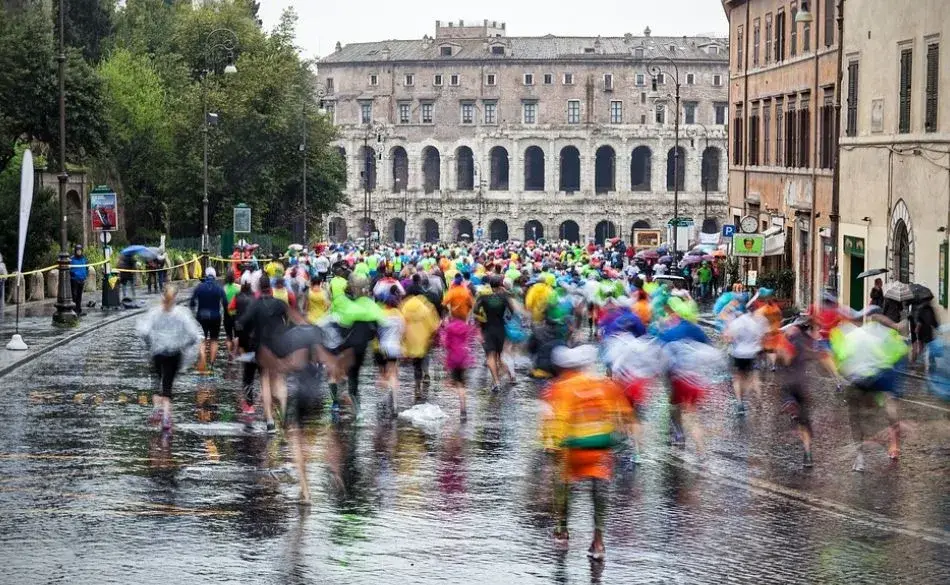
Most runners avoid wet weather out of habit, not necessity. The reality is that running in the rain is safe, manageable, and — once you have the right gear and a clear sense of when to stay inside — often one of the more enjoyable runs of the week. Cooler air, empty paths, and the kind of quiet that only comes with bad weather make for conditions many experienced runners actively seek out. This guide covers what to wear, how to adjust, when to genuinely skip the run, and how to look after yourself and your gear afterwards.
Not sure where to start with training?
Tell us your goal and schedule, and we’ll give you clear direction.
No obligation. Quick, practical advice.
Explore our running workouts and tips for more helpful articles and resources.
The most useful question before heading out is not “is it raining?” but “what kind of rain, and what’s on my route?” This table covers the main scenarios.
👉 Swipe to view full table
| Condition | Safe to Run? | What to Do |
|---|---|---|
| Light drizzle, any temperature | Yes | Run as normal; a hat with a brim is enough for most |
| Steady moderate rain, warm (above 18°C) | Yes | Moisture-wicking top and shorts; jacket optional; change promptly after |
| Steady moderate rain, cool (10–18°C) | Yes | Water-resistant jacket over moisture-wicking base layer; gloves if windy |
| Heavy downpour, warm | Yes, with care | You will get wet regardless of gear; focus on footing; shorten run if needed |
| Heavy rain, cold (below 10°C) | Yes, but prepare carefully | Full waterproof jacket, thermal base layer, gloves, hat; keep run shorter; warm up promptly after |
| Thunderstorm with lightning | No — stop immediately | Seek shelter in a building or vehicle; avoid trees; do not resume until 30 min after last thunder |
| Flooding or fast-moving water on route | No | Reroute or run indoors; hidden hazards (drains, debris, drop-offs) make flooded paths dangerous |
| Freezing rain or ice on surfaces | No | Run indoors or rest; slip risk is too high; treadmill is the better option |
| Rain + strong gusty wind | Caution | Plan a sheltered route; shorten the run; add a windproof outer layer |
The single biggest mistake runners make in wet weather is overdressing. Extra layers absorb water, become heavy, and trap heat — making you simultaneously damp, hot, and uncomfortable. The goal is a minimal, functional layering system, not maximum coverage.
👉 Swipe to view full table
| Temperature | Top Half | Bottom Half | Feet | Head / Extras |
|---|---|---|---|---|
| Above 20°C | Moisture-wicking singlet or short-sleeve; jacket optional | Running shorts | Regular synthetic running socks | Cap with brim; sunscreen even in cloud cover |
| 15–20°C | Moisture-wicking short-sleeve + light water-resistant jacket | Shorts or light tights | Synthetic running socks | Cap with brim |
| 10–15°C | Moisture-wicking long-sleeve base + water-resistant jacket | Running tights | Merino wool or double-layer running socks | Cap + light gloves if windy |
| Below 10°C | Thermal moisture-wicking base + mid-layer + waterproof jacket | Thermal running tights | Wool running socks; waterproof shoes if available | Beanie or thermal cap + gloves |
The jacket question. A water-resistant jacket (sometimes called a water-repellent shell) is the right choice for most rain running. It sheds light to moderate rain while allowing sweat vapour to escape. A fully waterproof jacket traps heat and moisture from sweat, which makes you feel wetter from the inside on runs longer than 20–30 minutes. Save the fully waterproof shell for standing in rain, not running through it.
No cotton, ever. Cotton absorbs water and holds it against your skin, dramatically accelerating heat loss in cold conditions and causing chafing in warm ones. Synthetic fabrics (polyester, nylon) and merino wool stay relatively comfortable when wet. This applies to every layer — singlet, t-shirt, socks, and underwear.
Socks matter more than shoes. Waterproof running shoes keep your feet dry in light rain, but in heavy rain or puddles, water enters from the top regardless. Once wet, waterproof shoes drain more slowly than regular mesh shoes. For Australian conditions where rain is rarely prolonged, standard running shoes with quality synthetic socks dry faster and work better than dedicated waterproof footwear for most runners.
For a full cold-weather gear breakdown, the running equipment for winter guide covers layering, shoe choices, and visibility gear in detail.
Light rain in warm weather — one of the most common conditions in Australia — tends to improve performance rather than hurt it. Cooler air temperature reduces cardiovascular strain and core body temperature rises more slowly, which means you can sustain effort longer at the same heart rate. Many runners set personal bests in cool, overcast, slightly wet conditions.
Heavier rain introduces a modest performance cost. Research published in the Journal of Strength and Conditioning Research shows that running in heavy rain increases energy expenditure slightly — primarily due to wet clothing weight, altered footstrike patterns on slippery surfaces, and minor thermoregulatory stress. The practical effect is a pace reduction of roughly 1–3% at the same effort level. On a 5 km run at 6:00/km pace, that is an extra 10–20 seconds per kilometre — noticeable but not significant for training purposes.
What to do about it: run to effort, not pace. On a wet run, your GPS pace will look slower than usual at the same perceived exertion. That is normal. Trying to hit dry-weather pace targets in the rain often leads to overexertion or poor footing decisions. Use rate of perceived exertion or heart rate to guide the session instead.
Traction hazards. Asphalt and concrete paths retain reasonable grip in rain as long as your shoes have adequate tread. The genuinely slippery surfaces are: wet painted lines on roads (zebra crossings, turn arrows), wet metal surfaces (drain grates, footbridge decking), and fallen leaves on footpaths. Shorten your stride slightly and avoid sharp directional changes on any of these surfaces.
Visibility. Rain reduces both how far you can see and how visible you are to drivers. Wear at least one high-visibility item — a fluorescent jacket, a reflective vest, or a light — if running in low-light conditions or near traffic. This matters most in the early morning and evening, when ambient light is already low.
Hearing. Rain muffles ambient sound, making it harder to hear approaching cyclists, vehicles, or other runners. If you use headphones, consider removing them for the wet run or keeping volume low enough to hear your surroundings clearly. This is especially important at road crossings.
Lightning. If you hear thunder while running, seek shelter immediately in a solid building or vehicle. Do not shelter under isolated trees. The standard safety guideline is to wait 30 minutes after the last thunder before resuming outdoor activity. In Australia, afternoon thunderstorms are common in summer — particularly in Queensland, Victoria, and NSW — and build quickly. Checking the Bureau of Meteorology radar before long runs in summer is a simple habit that prevents dangerous situations.
Route choice. On a rainy day, choose a route you know well and that keeps you reasonably close to shelter. Unfamiliar trails with creek crossings, known flood-prone paths, or routes with significant leaf fall are better saved for dry weather. A short repeating loop close to home is a sensible option when conditions are uncertain.
Wet skin is softer and more susceptible to friction damage. Running in rain increases chafing risk at the inner thighs, underarms, around bra straps, and at the collar of a wet jacket. Apply an anti-chafe balm (Body Glide, petroleum jelly, or similar) to all high-friction areas before every wet run. Do not wait until you notice an issue — apply it preventatively every time.
Blisters from rain running are caused by the same mechanism as dry-weather blisters — repetitive friction — but wet skin macerated by moisture is more vulnerable to the initial separation. Quality synthetic or wool running socks reduce this risk significantly. Avoid cotton socks in any condition, but particularly in rain. For more on prevention and treatment, the blister prevention guide covers the full picture including sock selection and shoe fit.
Change immediately. Staying in wet running clothes after finishing a run accelerates heat loss and increases susceptibility to infection. Remove wet gear as soon as you are indoors. Shower with warm (not hot) water and dress warmly.
Drying your shoes. Remove insoles and laces. Stuff the shoes firmly with dry newspaper or paper towel to draw moisture out of the foam. Leave in a well-ventilated room at room temperature. Replace the newspaper every few hours. Most running shoes dry within 24–48 hours with this method. Do not use a tumble dryer, heater, or direct sunlight — heat degrades the EVA foam cushioning and the adhesive that bonds the outsole. The shoe will feel and perform differently after heat damage even if it looks fine externally.
Drying your jacket. Hang water-resistant jackets to air dry rather than machine drying. If the jacket starts to wet-out (water no longer beading on the surface), the DWR (durable water repellent) coating has degraded. Wash according to the manufacturer’s instructions and tumble dry on low heat or iron on low — heat re-activates the DWR treatment and restores water-shedding performance.
Post-run nutrition and hydration. Runners often underestimate sweat loss in rain because the sensation of being wet from external moisture masks the body’s own output. Your hydration needs are the same in rain as in dry conditions. Drink to thirst post-run and include a carbohydrate and protein snack within 30–45 minutes of finishing to begin recovery.
The hardest part of a rainy run is usually the first 90 seconds — the step out the door. Once moving, most runners find the cool air and quiet conditions quickly become enjoyable. Runners who train through adverse weather consistently develop a genuine advantage: they are not rattled by wet race days, they are not surprised by what their gear does when soaked, and they have practised the mental skill of choosing to continue when conditions are uncomfortable.
That said, there is no virtue in running in genuinely dangerous conditions. The decision framework in the table above reflects the real distinction between conditions that are merely uncomfortable (which build resilience) and conditions that present actual risk (which are better avoided). Knowing when to stay inside is as important a skill as choosing to go out.
Is it safe to run in the rain?
Yes, in most conditions. Light to moderate rain poses no significant safety risk. The exceptions are thunderstorms with lightning, flooding on your route, and freezing rain causing icy surfaces.
Does running in the rain make you sick?
No — getting wet does not cause illness. Colds and flu are caused by viruses. Change out of wet clothes promptly after your run, stay warm, and your risk is no different from any other training day.
What should I wear when running in the rain?
A water-resistant (not fully waterproof) breathable jacket, moisture-wicking base layers, a brimmed cap, and synthetic or wool running socks. No cotton in any layer. See the gear table above for temperature-specific recommendations.
Does rain affect running performance?
Light warm rain often improves performance by cooling the body. Heavy rain can slow pace by 1–3% at the same effort due to wet clothing weight and cautious footing. Run to effort level rather than GPS pace on wet days.
How do I dry my running shoes after a wet run?
Remove insoles and laces, stuff with dry newspaper, and leave at room temperature in a ventilated space. Replace newspaper after a few hours. Do not use a dryer or direct heat — it damages the cushioning foam.
Ready to put your training to the test? Here are some upcoming running events matched to this article.

Head Coach & Founder, SportCoaching
Graeme is the founder of SportCoaching and has coached more than 750 athletes from 20 countries, from beginners to Olympians, in cycling, running, triathlon, mountain biking, boxing, and skiing. His coaching philosophy and methods form the foundation of SportCoaching's training programs and resources.
No matter your goals, SportCoaching offers tailored training plans to suit your needs. Whether you’re preparing for a race, tackling long distances, or simply improving your fitness, our expert coaches provide structured guidance to help you reach your full potential.
Smart, progressive training from 5km to marathon with weekly guidance.
What’s included
Browse upcoming Australian running, cycling, and triathlon events in one place. Filter by sport, check dates quickly, and plan your training around something real on the calendar.
Choose your plan to get started with personalized training plans designed to help you reach your goals.


Minna Backman
When you’re new, feedback is especially important, and Graeme is highly skilled at both analyzing numbers and understanding the importance of mental strength.











