Why Running After 60 Can Transform Your Life
Here’s the thing about running after 60. It’s not just exercise, it’s a way to feel alive, stay sharp, and keep moving on your own terms. I know it can feel intimidating if you’ve never run before or haven’t in years, but your body can surprise you. Even short, consistent runs can make a huge difference in how you feel.
One of my clients, Joan, started running at 62 after years of just walking. Within a few months, she was sleeping better, had more energy, and even noticed her blood pressure improving. She laughed and said, “I didn’t think I’d feel this strong again at my age!” Stories like hers show that running in your 60s isn’t just possible, it’s empowering.
Research backs it up. Older adults who run have about a 27% lower risk of dying early than non-runners, and their risk of heart-related death drops around 30%. Even people around 70 who run moderately see measurable benefits. And here’s something I love: you don’t have to hit huge mileage. Even a short 20–30 minute run once or twice a week can make a real difference.
Let’s be honest, starting at 60+ can feel scary. You might worry about injuries or whether your body can handle it. The key is pacing yourself and staying consistent. Walk-run intervals, short runs, and small weekly increases work wonders. Adding a bit of strength training helps your joints and bones stay strong too.
Here’s a tip most older runners overlook: shoes, warm-ups, and recovery matter more than speed. A soft, supportive shoe and a proper stretch routine can make running feel enjoyable, not painful. Even short runs a few times a week can lift your mood, boost heart health, and leave you feeling capable.
So ask yourself: do you want to feel strong, energized, and independent as you age? Running after 60 isn’t just a workou, it’s a lifestyle. Start small, stick with it, and enjoy every step. You might be surprised at what your body can do.
For a deeper look at both the benefits and potential risks of running beyond 60, check out this detailed article from LTC News: Running After 60: 6 Benefits & 5 Risks to Consider.
Whether you’re just starting or returning to running later in life, our Running Coaching provides personalized guidance, expert support, and structured plans to help you stay safe, build endurance, and enjoy every step.
Workouts are tailored to your experience, goals, and lifestyle, with attention to recovery, strength, and injury prevention, so you can focus on feeling strong, confident, and motivated every time you run.
Start Personalized Running Coaching

Can You Start Running Over 60
Yes, you absolutely can start running after 60, even if you’ve never done it before. Many older adults worry that their bodies are too stiff, slow, or fragile, but research shows that even in your 60s, you can improve cardiovascular health, maintain muscle mass, and boost mood through running. Studies indicate that older adults who begin running (even moderately) experience lower risk of heart disease, improved longevity, and better overall fitness.
The key is starting gradually and listening to your body. Jumping into long runs or high intensity too quickly increases injury risk. Walk-run intervals are perfect for beginners. Even 10–20 minutes a few times a week can produce measurable benefits over time.
Here are some practical tips for getting started safely:
- Walk-run intervals first: Alternate walking and jogging to build stamina while protecting joints.
- Keep goals realistic: Focus on consistency and enjoyment rather than speed or distance.
- Warm up and cool down: Gentle stretching and joint movements reduce stiffness and soreness.
- Invest in supportive shoes: Proper running shoes help protect your knees and hips.
- Listen to your body: Mild soreness is normal; sharp or persistent pain is a sign to rest.
- Add light strength exercises: Simple bodyweight exercises or resistance bands improve balance and muscle strength.
One of my clients, David, started running at 65. He had never run seriously before, but with short, manageable sessions and walk-run intervals, he gradually built up to 30-minute continuous runs. He told me, “I didn’t think I could enjoy running at this age, but now it feels freeing and energizing.”
Starting running in your 60s doesn’t have to be scary. Consistency, patience, and smart planning matter more than pace or distance. Even short sessions improve heart health, boost energy, and lift your mood. Ask yourself: what’s one small step you can take today to move toward a healthier, more active life? Every run counts.
If you’re new or returning to running, you’ll find our full guide on Tips for Beginner Runners helpful for building a strong, safe start.


How to Start Running When You’re 60 And Over
Starting running after 60 can feel intimidating, but it’s completely doable if you take it step by step. Research shows that older adults who start running (even moderately) can improve cardiovascular health, muscle strength, and mental well-being. You don’t need to run fast or far right away; consistency and safety are far more important.
A great way to begin is with walk-run intervals. For example, alternate one minute of jogging with two minutes of walking for 15–20 minutes. Repeat this pattern a few times per week, gradually increasing the jogging portion as your endurance improves. Studies support that even moderate aerobic activity at older ages boosts fitness and longevity.
Here are some tips to help you start safely:
- Start with walk-run intervals: Build stamina without overloading joints.
- Set realistic goals: Focus on consistency and enjoyment rather than distance or speed.
- Warm up and cool down: Gentle stretching and joint rotations prevent stiffness and injury.
- Wear supportive shoes: Proper footwear protects knees, hips, and lower back.
- Add light strength exercises: Bodyweight exercises like squats and calf raises improve muscle, bone, and balance.
- Listen to your body: Mild soreness is normal, sharp pain is not.
One of my clients, Mary, started running at 63. She felt nervous about her knees, but by beginning with short walk-run sessions three times a week, she gradually built up to 20–30 minutes of continuous running. Within six weeks, she reported feeling stronger, more confident, and happier. Her experience shows that starting late is not a barrier (progress at your own pace works).
Remember, running in your 60s isn’t about competing with others. It’s about enjoying movement, celebrating small milestones, and improving your health safely. Even short sessions a few times a week can enhance heart health, mood, and independence. Ask yourself: what’s one small step you can take today to move toward a more active life? Every run counts.
Ready to move from walking or little activity to confidently completing a 5 km run? Our Couch to 5 km Running Training Plan is designed with beginners in mind and tailored for your pace, lifestyle and goals.
With weekly sessions structured around easy‑to‑follow walk‑run intervals, strength prep and recovery strategies, this plan makes your 5 km finish feel achievable and enjoyable, not stressful.
Get Started: Couch to 5 km Training Plan

Strength Training and Cross-Training for Seniors
If you’re starting running after 60, adding strength training and cross-training can make a huge difference. It protects your joints, improves balance, and makes your runs feel easier. Think of it as building a stronger foundation so your body can handle the impact of running more comfortably.
Cross-training, like cycling, swimming, or even brisk walking, is a great way to improve endurance without overloading your knees and hips. Many older runners find that mixing in these activities keeps their workouts enjoyable while reducing injury risk.
Here are some practical tips for seniors:
- Strength twice a week: Light resistance training or bodyweight exercises like squats, lunges, push-ups, and calf raises strengthen key muscles for running.
- Core focus: Strong abs, lower back, and glutes improve posture, balance, and running efficiency.
- Low-impact cardio: Swimming, cycling, or rowing helps maintain cardiovascular fitness without extra joint stress.
- Flexibility and mobility: Gentle yoga or stretching routines keep muscles supple and reduce stiffness.
- Listen to recovery: Older adults need longer recovery periods, so plan rest days between harder sessions.
One of my clients, Robert, started running at 66. He paired his new running routine with two short strength sessions and weekly swimming. Within two months, his legs felt stronger, he could run longer without fatigue, and he avoided the knee soreness he worried about. Strength and cross-training made all the difference in keeping him consistent and motivated.
Most importantly, running in your 60s is not just about the run itself, it’s about creating a balanced routine that supports your overall health. Strength training, cross-training, and flexibility work together to make running safer, more enjoyable, and more effective. Even a small weekly routine can protect joints, build confidence, and keep you moving for years to come. You can also include targeted exercises to prevent common injuries such as shin splints, which can be found in this Best Shin Splint Exercises guide.
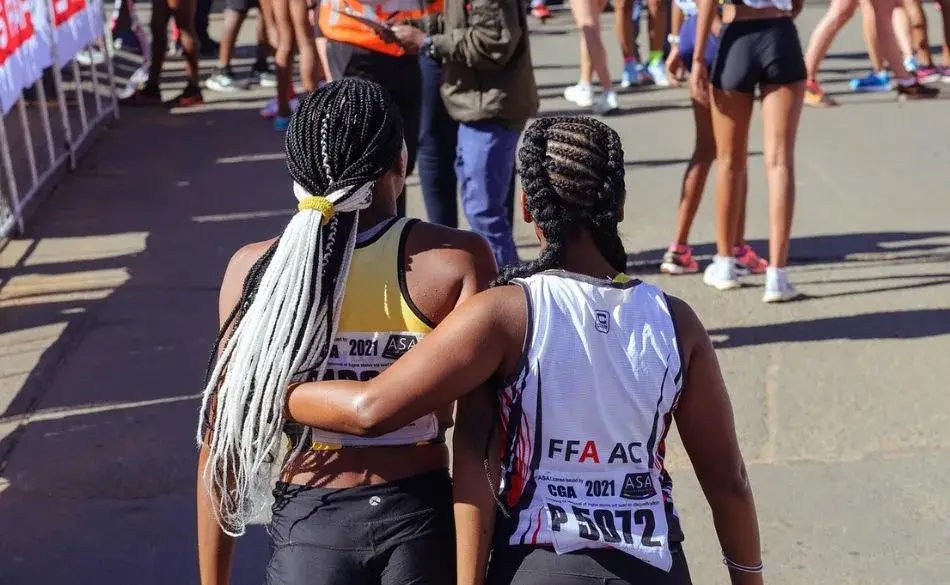

Staying Motivated and Preventing Injuries After 60
Starting and maintaining running after 60 can be exciting, but staying motivated and avoiding injuries is just as important as the workouts themselves. The good news is, with the right approach, both are completely manageable.
One of the keys is setting realistic goals. Don’t worry about speed or distance right away. Focus on consistency and small milestones, like adding a few minutes to your jog each week or completing a short 5K. Celebrating these wins keeps motivation high.
Here are some practical tips to stay consistent and injury-free:
- Listen to your body: Mild soreness is normal, but sharp or persistent pain is a sign to rest.
- Mix it up: Include strength training, cross-training, and mobility exercises to reduce repetitive stress.
- Warm up and cool down: Gentle stretching, ankle rotations, and light walking help prepare muscles and prevent stiffness.
- Track progress: Using a simple journal or app helps you see improvements over time, which encourages you to stick with it.
- Buddy up: Running with a friend or joining a local seniors’ running group makes it social and fun.
One of my clients, Helen, began running at 64 and struggled to keep going initially. She started using a small journal to log her walks, jogs, and stretches, and eventually joined a local seniors’ running group. Within a few months, she was running regularly and looking forward to every session. Having a sense of accountability and a supportive environment made all the difference.
Remember, running in your 60s is about enjoying the journey, not racing anyone else. Paying attention to proper recovery, mixing in strength and flexibility work, and finding ways to make it social or fun will keep you motivated for years. Every run (no matter how short) is a step toward better health, stronger joints, and more confidence in your daily life.
Considering getting expert support? For a clear breakdown of what you’ll pay and how to choose the right coach, check out our guide on Running Coach Rates in Australia.


Running Plan for Beginners Over 60
Starting a running routine can feel overwhelming, especially if you’ve never run before. This 8-week plan is designed to help you gradually build stamina, improve cardiovascular health, and enjoy running safely. Using walk-run intervals allows your body to adapt and reduces the risk of injury. Remember, the goal is consistency and enjoyment rather than speed or distance.
👉 Swipe to view full table
| Week | Session 1 | Session 2 | Session 3 | Notes |
|---|---|---|---|---|
| 1 | Walk 5 min, jog 1 min × 5, Walk 5 min | Walk 5 min, jog 1 min × 5, Walk 5 min | Walk 20 min | Focus on easy pace, warm up and cool down |
| 2 | Walk 5 min, jog 2 min × 5, Walk 5 min | Walk 5 min, jog 2 min × 5, Walk 5 min | Walk 25 min | Increase jogging duration slightly |
| 3 | Walk 5 min, jog 3 min × 4, Walk 5 min | Walk 5 min, jog 3 min × 4, Walk 5 min | Walk 25 min | Focus on breathing and comfortable pace |
| 4 | Walk 5 min, jog 4 min × 4, Walk 5 min | Walk 5 min, jog 4 min × 4, Walk 5 min | Walk 30 min | Add light strength exercises on off-days |
| 5 | Walk 5 min, jog 5 min × 4, Walk 5 min | Walk 5 min, jog 5 min × 4, Walk 5 min | Walk 30 min | Keep effort comfortable, monitor joints |
| 6 | Walk 5 min, jog 7 min × 3, Walk 5 min | Walk 5 min, jog 7 min × 3, Walk 5 min | Walk 30–35 min | Hydrate well, focus on posture |
| 7 | Walk 5 min, jog 8 min × 3, Walk 5 min | Walk 5 min, jog 8 min × 3, Walk 5 min | Walk 35 min | Introduce core strengthening twice a week |
| 8 | Walk 5 min, jog 10 min × 2, Walk 5 min | Walk 5 min, jog 10 min × 2, Walk 5 min | Walk 40 min | Evaluate progress and plan next phase |
This 8-week plan is designed to help you start running after 60 safely and effectively. Remember, everyone’s body is different, so adjust the pace, duration, and intensity according to how you feel. The focus is on building consistency, improving endurance gradually, and keeping your joints healthy.
Incorporating short walks, strength exercises, and proper warm-ups will make your running more enjoyable and reduce injury risk. Many older runners find that small, steady progress feels far more rewarding than trying to run long distances too quickly.
Ask yourself: how can you make each session enjoyable and sustainable? Even completing just one session per week is a step forward. Over time, these small, consistent efforts build strength, confidence, and a sense of accomplishment. By following a gradual plan like this, you’ll be amazed at what your body can achieve, no matter your age.
Whether you’re embracing running after 60, returning to the sport, or chasing a new distance, our Running Training Plans are designed with flexibility and your lifestyle in mind.
Each plan is tailored to your fitness level, schedule and goals covering 5 km, 10 km, half marathon, marathon and beyond. We include safe progressions, strength & mobility support, and injury‑aware design so you can train confidently at any age.
View All Training Plans

Keep Running After 60 and Enjoy Every Step
Running after 60 is about creating a routine that fits your body, your goals, and your lifestyle. It’s not about speed, distance, or competing with anyone. It’s about consistency and progress. Even short walk-run sessions, a gentle jog, or light cross-training can improve heart health, boost energy, and build confidence.
Pair your runs with strength exercises, flexibility work, and proper recovery. This combination protects your joints, supports your muscles, and helps prevent injury. Remember: every session, no matter how small, is a step toward better overall well-being.
Set realistic goals and celebrate small wins along the way. Track your progress, notice improvements, and adjust your routine as needed. Starting now, at 60 or older, can help you feel stronger, more energetic, and independent for years to come.
Most importantly, enjoy the journey. Running after 60 is as much about how it makes you feel mentally and emotionally as it is about fitness. Lace up, take the first step, and embrace the process, you’ll likely be surprised at what your body and mind can achieve.