Why Running With a Backpack Feels Different and How to Make It Comfortable
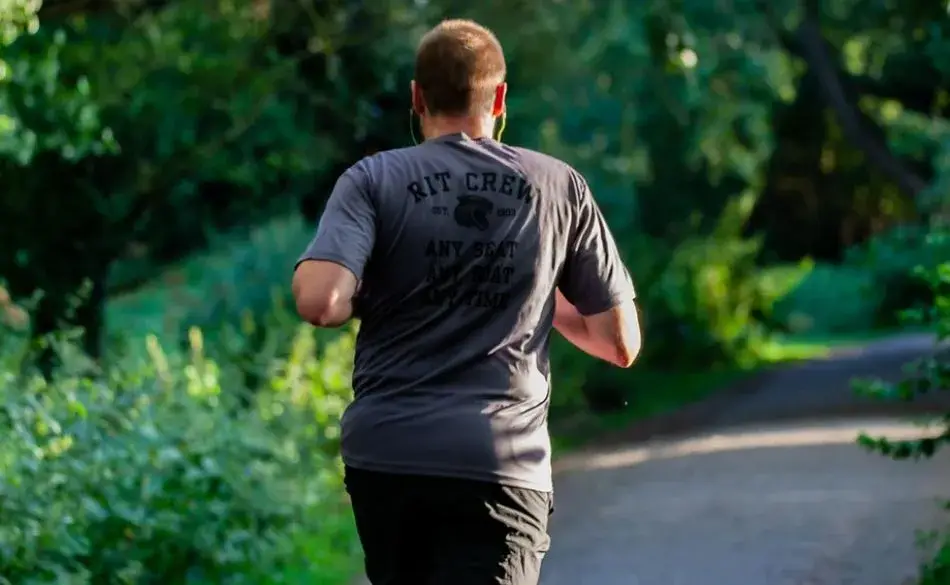
Running with a backpack changes how your body moves. Even a light pack shifts your balance, and you feel it with every step. Your shoulders take on new tension, your arms swing a bit differently, and your core works harder without you noticing. If you have ever wondered why a short run suddenly feels tougher, this is normal.
Here is the thing. A backpack adds load in a way your body is not used to. When you run, the pack moves unless it fits your body well. That small movement increases strain and can lead to shoulder pain when running with a backpack, especially if the straps dig in or the weight pulls backward.
The good news is that you can fix most issues with simple adjustments. Start by choosing a pack that sits close to your back and does not sway. If it shifts from side to side, your muscles work extra to keep you steady. This is why many runners look for ways on how to reduce bouncing when running with a backpack. Reducing bounce is not only about comfort. It improves efficiency and reduces unnecessary strain caused by extra movement.
One helpful question to ask yourself is this. Does your pack feel like part of your body or something you are dragging along? If it feels heavy or unstable, it is probably sitting too high, too low, or too loose. Adjusting the straps evenly on both sides can make a big difference. A chest strap and a waist belt help lock the pack in place so it hugs your torso rather than hitting your back with each stride.
Keeping the weight centered on your mid-back also supports good posture. This is important when you are learning how to run with a backpack safely, because good posture keeps the load where your body can support it best.
Most runners feel improvement within minutes once the pack fits correctly. Comfort is not luck. It is setup.


How Running With a Backpack Changes Your Form and What to Do About It
Running with a backpack changes your form in small but important ways. Even a light pack shifts how your upper body moves. Your arms swing a little differently, your torso rotates less, and your shoulders do more work than usual. These changes happen because your body is trying to stay balanced under a moving load.
The first thing most runners notice is posture. A backpack often makes people lean forward too much. This happens because the weight pulls backward, and your body tries to “counterbalance” without thinking. A slight lean is fine, but bending at the waist increases tension in your lower back and neck. A better cue is to stay tall, with a gentle forward lean from the ankles. This simple fix helps you move smoothly while keeping the pack stable, and if you want to refine your posture even further, this guide on running form for long distance success can help you understand ideal alignment for smoother miles.
Your cadence may also change. Many runners take heavier steps when carrying weight, which makes any bounce in the pack feel worse. A quicker, lighter step helps reduce impact and makes running feel easier. This is one of the surprising running with added weight benefits. You learn to run softly because hard landings feel uncomfortable with a pack on. These changes are similar to what many people experience when running with weights, where even small loads can shift posture and rhythm.
The backpack itself affects form more than the weight. If the pack shifts side to side, your hips sway and your core works harder to steady you. If it bounces up and down, your stride becomes less efficient. This is why so many runners search for how to reduce bouncing when running with a backpack. Stability is not just about comfort. It helps you keep a natural rhythm and reduces strain from extra movement.
Here are helpful cues to keep your form clean with a pack:
- Relax your shoulders and keep them level, not rounded.
- Keep your elbows near 90 degrees and swing your arms close to your sides.
- Step lightly with your foot landing under your hips, not far ahead.
- Keep the pack snug so it feels like part of your body.
When your pack fits well and your form feels natural, running becomes smoother, safer, and much more enjoyable.

How Much Weight Is Safe When You Are Running With a Backpack?
Let’s be honest. It is tempting to load up your backpack and call it “hardcore training.” But when you are running with a backpack, more weight is not always better. There is a sweet spot where you get the running with added weight benefits without beating up your joints or your back.
A simple starting rule is this. Keep the total pack weight under 10% of your body weight when you are new to it. So if you weigh 70 kilograms, aim for no more than 7 kilograms at first. Many runners do well starting even lighter, around 3–5 kilograms, and only increasing once they feel fully comfortable.
Why does this matter? Heavier loads increase ground impact, muscle fatigue, and the risk of shoulder pain when running with a backpack. Your body can adapt, but it needs time. If your breathing or form falls apart suddenly, even at an easy pace, it is usually a sign the load is too heavy for the day.
Here is a simple way to think about how to run with a backpack safely. You should be able to hold a full sentence while running, keep your posture tall, and feel like you could keep going at the same pace for at least 20–30 minutes. If the pack makes you stomp, lean forward, or clench your shoulders, it is time to reduce the weight or shorten the run.
Ask yourself a few honest questions before each run. Does this weight feel easy to walk with? Will I still move well at the end of the session? Am I adding weight on top of already hard training weeks? If you are already tired or coming back from injury, keep the pack light or skip it.
Over time, you can increase the load slowly, just like you would increase your weekly kilometres. Safe progress beats big jumps every time.


Choosing the Right Backpack So Your Runs Feel Smooth Not Sloppy
When you choose the wrong pack, running feels like a chore. The straps dig in, the load wobbles, and every step reminds you something is off. The right pack, on the other hand, almost disappears on your back. That is the goal when you look for the best backpack for run commuting or daily training.
The most important thing is fit. A good running backpack sits high enough that it does not slam into your lower back, but low enough that it does not press on your neck. The back panel should rest close to your spine, not hanging away from your body. If you can grab the pack and pull it far from your back while it is on, it is too loose or the shape is wrong for you.
Next, look at the straps. Wide, soft shoulder straps spread the load and reduce the risk of shoulder pain when running with a backpack. A chest strap helps control side-to-side sway, while a waist belt helps stop the bottom of the pack from bouncing. Packs made for hiking sometimes work, but models designed for running usually handle movement much better.
Here are key features to look for when you want smooth, stable running:
- A slim shape that hugs your torso instead of bulging outward.
- Adjustable chest and waist straps that you can tighten without cutting into your ribs.
- Soft edges on straps to prevent rubbing near your neck and collarbone.
- A simple main compartment plus a few small pockets, not heavy frames or metal parts.
- Breathable fabric on the back panel so sweat can escape.
If you plan to carry clothes, lunch, or a small laptop, try loading the pack in the store and jogging a few steps if the store allows it. It might feel silly, but it is the best way to know if it will stay stable. When a pack feels like part of your body, you are much more likely to enjoy and stick with running with a backpack.

How to Pack Your Backpack So It Feels Stable Not Chaotic
Packing your backpack the right way can make a big difference in how it feels when you run. Even if the total weight is light, poor packing can make the load flop, twist, or bounce. A stable pack makes running smoother, safer, and much more enjoyable. Many runners focus on straps and fit but forget that what is inside the pack matters just as much.
One of my coaching clients, Sam, learned this the hard way. He started run commuting with a backpack full of lunch containers, clothes, and a small laptop. Even though the pack fit well, it bounced and shifted on every step. When we opened it, everything inside was loose. After reorganising the layout and tightening the compression straps, his run felt instantly easier. He said it was like switching to a whole different backpack.
Here are simple packing rules that help the pack feel like part of your body:
- Put heavier items closest to your back so the weight stays centred.
- Roll your clothes tightly so they do not shift during the run.
- Use small internal pockets to separate loose items like keys or chargers.
- Fill empty spaces with soft items to stop rattling and movement.
- If your pack has compression straps, tighten them after everything is packed.
These little adjustments help reduce sway and make it easier to enjoy the running with added weight benefits without discomfort. They also help prevent small annoyances like rubbing, noise, and unexpected shifting.
Another helpful habit is asking yourself what you actually need to carry. Many runners pack more than they think. The less you carry, the smoother the run. This is especially important if you are still learning how to run with a backpack safely, because extra weight exaggerates any mistake in your form.
Take a minute before each run to check the layout of your pack. When everything sits tight and balanced, the backpack stays quiet and stable. A good pack setup helps your body stay relaxed, your form stay smooth, and your run feel more natural from the first step.


Backpack Setup Comparison Why Small Changes Make a Huge Difference
When you are learning how to run with a backpack safely, small details make a big difference. Two runners can carry the same weight, but if one pack is fitted well and the other is loose, the experience feels completely different. One glides along. The other fights every step.
A poorly fitted pack often leads to more vertical bounce and extra sway, which can worsen strap pressure and increase the chance of shoulder discomfort. A well fitted pack spreads load better, reduces movement, and makes it easier to enjoy the running with added weight benefits without feeling beaten up.
Use the comparison table below to check where your current setup sits. If most of your experience matches the “poorly fitted” column, you will likely feel better by tightening straps, adjusting the height, or reducing load. Small tweaks can turn a rough run into one that feels smooth and controlled.
👉 Swipe to view full table
| Category | Poorly Fitted Backpack | Well Fitted Backpack |
|---|---|---|
| Comfort | Straps dig into shoulders, hot spots form, pack feels heavy and distracting. | Pressure spread evenly, minimal rubbing, pack feels light and easy to ignore. |
| Stability and Bounce | Visible up-and-down bounce and side-to-side sway with each step. | Pack stays close to the body with only small, controlled movement. |
| Posture and Form | Excessive forward lean, tense neck, overstriding to “catch” the load. | Tall posture with slight forward lean from ankles, relaxed upper body. |
| Perceived Effort | Easy pace feels hard, breathing feels stressed, runs feel draining. | Effort matches pace, breathing stays steady, runs feel sustainable. |
| Risk of Discomfort | Higher chance of shoulder, neck, and lower back irritation over time. | Lower risk of irritation thanks to better load distribution and control. |
| Best For | Short emergency use only, not ideal for regular training or run commuting. | Daily run commuting, long runs, and enjoying the benefits of added weight. |
When you compare your own runs to this table, you get a clear picture of what to change. Each upgrade in fit and setup moves you closer to the “well fitted” side and makes how to reduce bouncing when running with a backpack much easier to solve in practice.


The Best Backpacks for Running and Run Commuting
Choosing the right backpack can completely transform your running experience. A good pack feels stable and almost invisible, while a poor one makes every step harder. Once you understand how to run with a backpack safely, the next step is finding one that fits your goals, your budget, and the amount of weight you plan to carry.
Running-specific backpacks are designed to stay close to your body. They use soft, flexible materials and strap systems that reduce bounce and sway. This makes it much easier to enjoy the running with added weight benefits without fighting your gear. Many runners discover that the pack matters just as much as fit and packing technique.
Here are some of the backpacks many runners find reliable for daily run commuting and short-to-medium training runs:
- Proviz REFLECT360 Running Backpack – A reflective, lightweight option that is great for early-morning or night running. Its snug, adjustable fit helps reduce bounce when tightened properly, especially on smoother terrain.
- INOXTO Running Backpack – A budget-friendly pick that works well for beginners who want a simple, light pack for short runs or occasional commutes.
- On Speed Pack Lite – Made for runners who value comfort and performance. It hugs the torso and keeps movement to a minimum.
- Patagonia Slope Runner Exploration Pack – A durable, higher-capacity pack ideal for people carrying clothes, food, or extra layers on longer run-commutes.
- 2XU Transition Backpack – A versatile pack that balances comfort and storage, making it a strong choice for regular run commuters.
When choosing the best backpack for run commuting, think about what you actually need to carry. Do you need space for a change of clothes? A lunch container? A small laptop? Or just the basics like keys, water, and a jacket?
The lighter the load, the easier it is to avoid shoulder pain when running with a backpack. But no matter what you carry, the backpack should feel secure, sit close to your spine, and stay stable during movement.
The right pack does not just improve comfort. It makes running with a backpack feel natural, smooth, and even enjoyable.


How Much Weight Should You Carry When Running with a Backpack
When you start running with a backpack, the biggest question is often, “How much weight is actually safe?” It’s a great question, because weight changes everything. Too much too soon can make your run feel heavy, awkward, or frustrating. The right amount, though, helps you enjoy running with added weight while still keeping your form smooth and natural.
A good rule for beginners is simple: start very light. Most runners do well with 2–4 kilograms (4–9 pounds) in the first few weeks. This is enough to feel the difference without stressing your shoulders or altering your stride too much. If you’re still learning how to run with a backpack safely, think of this as your “easy entry zone.”
Once that feels comfortable, you can slowly increase load. Many experienced run commuters carry 5–7 kilograms (11–15 pounds) without trouble, especially if their pack fits well. Heavier loads are possible, but they require strong form, a stable core, and a well-fitted pack to prevent excessive bounce. If you start feeling shoulder pain when running with a backpack, reduce your load and tighten the straps so the pack stays close to your back.
A helpful way to choose your weight is to match it to your purpose:
- Learning phase: 2–4 kg
- Short run commutes: 3–6 kg
- Carrying clothes or lunch: 4–7 kg
- Carrying a small laptop: 5–8 kg (only in a stable, well-fitted pack)
- Training for strength benefits: increase slowly, around 5–10% per week depending on how your body feels
The key is to avoid sudden jumps. Weight exaggerates small mistakes in posture, especially if you lean too far forward or take longer strides, and learning more about running with a weighted backpack can help you understand how to progress safely without overloading your body. Ask yourself a simple question: “Does this load feel natural, or is my form changing?” If something feels off, lighten the pack.
Start light, add weight slowly, and trust your body. With the right load, running with a backpack becomes smooth, steady, and surprisingly enjoyable.

Ready to Start Running with a Backpack? Here’s Your Final Boost
Running with a backpack can look a bit odd from the outside, but once you get the setup right, it feels surprisingly natural. You save time, build strength, and enjoy the quiet running with added weight benefits as your body adapts. The key is simple. Start light, choose a stable pack, and learn how to run with a backpack safely before you add more load.
If you ever feel shoulder pain when running with a backpack, or notice your form changing, that is your cue to adjust. Check your straps, repack your gear, or drop the weight. Small tweaks make a huge difference.
So which backpack or setup is “best”? The one that feels secure, stays close to your body, and lets you forget it is even there while you run. When that happens, you have nailed it.