What Causes Sore Legs After Running?
If you’ve ever woken up the day after a long run with heavy, aching legs, you’ve probably met delayed onset muscle soreness (DOMS). It typically appears 24 to 48 hours after exercise, peaks around the second or third day, and usually improves within three to five days. Though in some cases, it can linger for up to a week.
When you run, especially on hills or after suddenly increasing your mileage, your muscles experience micro-damage or micro-trauma to the fibres and surrounding connective tissue. This mild stress triggers inflammation as your body repairs and rebuilds. That repair process is what makes your legs feel stiff or tender. It’s not failure,it’s adaptation at work.
Several factors make DOMS more likely:
- Running intensity: Hard intervals or downhill routes create more eccentric muscle contractions, placing extra strain on muscle fibres.
- Training volume: A sudden jump in weekly mileage can overload unprepared tissues.
- Running form: Overstriding or weak hips can push too much force into your quads and calves.
- Footwear: Old or poorly cushioned shoes increase impact through the lower legs.
One of my athletes, Tom, learned this lesson early in his training block. After two weeks off, he dove straight into a 10 km tempo run. His legs stayed sore for four days, not because he was unfit, but because his muscles weren’t ready for that sudden stress.
Mild, even soreness across both legs often signals healthy adaptation. But if pain feels sharp, localised, or worsens with each run, that’s not normal soreness. It’s a cue to rest or modify training. Running with sore legs can be safe when discomfort is light and general, but ignoring pain risks real injury. This information provides general guidance. Remember, always listen to your body and consult a professional if soreness persists or feels unusual.
Dealing with running with sore legs? Our expert-designed Running Training Plans help you train smarter while giving your body the right balance of effort and recovery. Learn how to progress without overtraining or risking injury.
Each plan includes structured workouts, easy recovery sessions, and professional pacing strategies designed to build endurance and strength safely. You’ll discover how to adjust your training when soreness strikes, while still making steady progress toward your running goals.
Delivered through TrainingPeaks, our plans let you track fatigue, recovery, and performance in real time. Stay consistent, avoid burnout, and keep your runs feeling strong and enjoyable even after tough training days.
Stop guessing when to rest and when to push. Train with structure, confidence, and expert support.
Explore Running Training Plans →

Should You Run When Your Legs Are Sore?
This is one of the toughest calls for any runner: should you keep running with sore legs, or does that just make things worse? The answer depends on what kind of soreness you’re feeling and what your body is trying to tell you.
If the soreness is mild and spread evenly across your muscles, a light active recovery run might help. Gentle jogging, cycling, or swimming increases blood flow, delivering oxygen and nutrients to tired muscles. That circulation can slightly reduce stiffness and improve comfort, though research shows the effect is modest and varies from person to person. Think of it as gently moving your legs to stay loose, not a guaranteed way to speed up recovery.
However, if your soreness is sharp, focused on one side, or altering your stride, that’s a different story. Running through that kind of pain doesn’t build strength, it breaks it down. It can turn simple muscle fatigue into a strain, tendon irritation, or even a stress injury.
Coaches often use a simple self-check to guide recovery:
- If your legs feel better after 5–10 minutes of easy running, you’re likely dealing with mild, manageable soreness.
- If pain worsens or your form changes, stop and rest.
- If you limp or can’t run smoothly, skip the session altogether.
This isn’t a scientific formula, it’s a practical coaching guideline, and your response may differ based on your fitness level, recovery habits, and training history. Beginners or runners returning after a break often need more recovery because their muscles and connective tissues aren’t as well conditioned.
One athlete I coach, Emma, learned this lesson early. After a demanding training week, she ignored her fatigue and pushed through a long run. By the end, her stride shortened, and her hip flexors were burning. We had to cut her mileage for two weeks. Now, she checks in with her body during every run. A small change that’s kept her consistent and injury-free.
So yes, sometimes running with sore legs is okay, as long as you’re honest about how your body feels. The best runners aren’t those who push the hardest; they’re the ones who recover the smartest.

How to Speed Up Recovery From Sore Legs
Once soreness hits, you don’t have to just sit around and wait for it to fade. There are proven, practical ways to help your body recover faster so you can keep training consistently (without overdoing it). The key is being consistent, not chasing miracle fixes.
After any hard session, your recovery starts the moment you stop moving. Small, deliberate actions can make a noticeable difference in how quickly your legs feel normal again. Research shows that most of these methods offer modest but meaningful improvements when done regularly.
Here are the most effective, evidence-based ways to recover faster from sore legs:
- Move gently the next day: Go for a walk, spin easily on the bike, or try a light jog. Low-intensity activity improves circulation and helps loosen stiff muscles. Studies show it can slightly reduce soreness perception and keep you feeling mobile.
- Stay hydrated: Water is vital for muscle function. While hydration alone doesn’t eliminate soreness, it supports recovery and helps prevent cramps and fatigue. Add electrolytes after long or sweaty runs.
- Eat for recovery: Have a meal or snack within an hour of finishing your run. A mix of protein and carbohydrates supports muscle repair and replenishes energy stores. A key part of training adaptation.
- Stretch lightly: Gentle mobility work can feel good, but deep static stretching hasn’t been shown to reduce soreness directly. Keep it easy and use stretching as a way to maintain flexibility, not as a cure.
- Try foam rolling or massage: Research shows massage and foam rolling can ease tightness and improve short-term comfort. They won’t remove DOMS completely, but they can make running the next day more comfortable.
- Prioritize sleep: The majority of muscle repair happens while you sleep. Aim for seven to nine hours of restful, consistent sleep each night.
Some runners also use compression gear or contrast showers. These can help some people feel better, but results are mixed. So experiment and see what works best for you. For a deeper dive into heat and cold recovery methods check out our detailed guide on ice bath vs sauna recovery benefits to understand when and how to use each.
Recovery isn’t about doing more; it’s about doing the right things consistently. That’s how experienced runners manage running with sore legs without burning out. For a deeper dive into one of the recovery tools we mentioned, check out our detailed guide on how cold should an ice bath be and learn the ideal temperature and duration for maximum benefit.


Mistakes When Running With Sore Legs
Even experienced runners slip up when they try to push through fatigue. Understanding what not to do is just as important as knowing how to recover. Here are some of the most common errors I see from athletes who keep running with sore legs and wonder why their progress stalls.
1. Ignoring recovery signals
Many runners assume soreness means progress. In reality, it’s your body repairing the small muscle stress from training. Ignoring lingering pain or stiffness can interrupt that repair process and increase your risk of overuse injury. Mild soreness can be part of adaptation, but persistent or worsening discomfort is your body asking for rest.
2. Treating every run like a workout
It’s easy to fall into the trap of running too hard too often. Without enough easy days, your body can’t fully recover or adapt. Many coaches use the 80/20 guideline, meaning about 80 percent of your training should feel easy and conversational, while the other 20 percent can be harder efforts. It’s not a strict rule, but a smart framework for balancing stress and recovery.
3. Skipping warm-ups and cool-downs
Tight muscles don’t enjoy sudden effort. Skipping a short dynamic warm-up before running or ignoring gentle cooldown movement afterward can make soreness worse. Five minutes of light mobility and a few strides before your run help prepare your muscles and joints for smoother motion.
4. Neglecting strength and mobility work
Avoiding strength training is one of the biggest mistakes runners make. Stronger glutes, hips, and calves absorb impact better and reduce stress on your legs. Research shows regular strength work improves running economy and lowers injury risk (even a few short sessions a week can help).
5. Poor sleep and nutrition
Recovery isn’t only about what happens between runs. Sleep and good nutrition are the foundation of muscle repair. Skimping on rest or relying on processed food slows recovery and leaves you more fatigued for your next workout.
Muscle fatigue, small tears, and increased impact forces all contribute to soreness after running. Your body is adapting, not failing. But sometimes soreness extends beyond your legs (your feet can take a beating too). If that sounds familiar, check out our detailed guide on why your feet hurt after running for more causes and practical recovery advice.
When you avoid these pitfalls, running with sore legs becomes part of smart, sustainable training. Respect recovery, stay consistent, and you’ll feel stronger every week, not just more tired and sore.


How to Tell the Difference Between Soreness and Injury
One of the hardest parts of training is knowing when normal soreness crosses the line into a real injury. Every runner has pushed through tired legs, but learning to spot the warning signs early can save you weeks of frustration and keep your progress on track.
Soreness usually feels dull, tight, and evenly spread across both legs. It often appears 24–48 hours after a hard workout or long run and improves gradually with movement. When you’re dealing with delayed onset muscle soreness (DOMS), your legs might feel stiff at first, but they loosen up as you warm up. That’s your body adapting to training stress, not breaking down.
Injury pain, on the other hand, is sharper, more focused, and doesn’t ease with motion. It can appear suddenly or linger long after your run. If you feel pain in one specific spot (like your knee, shin, or hip) or if walking becomes uncomfortable, that’s not regular soreness. It’s your body’s way of telling you something’s wrong.
Here’s a quick guide to help you tell the difference:
- Soreness: Feels like muscle stiffness or mild ache. Improves with light movement. Evenly spread across both sides.
- Injury: Feels sharp, stabbing, or localized. Worsens during or after activity. Often one-sided.
When soreness lingers or turns into sharp pain, it might be more than fatigue. If you’re unsure whether it’s safe to keep running, it’s worth learning more about how medical experts assess running-related pain. The Common Running Injuries: Evaluation and Management guide from the American Academy of Family Physicians explains symptoms, causes, and recovery strategies for the most frequent overuse injuries in runners.
When in doubt, take an extra rest day or replace a run with swimming or cycling. You’ll never lose fitness from one missed workout, but you can lose weeks by training through pain.
Recognizing the difference between soreness and pain makes running with sore legs far safer and more sustainable for every type of runner. For more insight into specific muscle pain, check out our guide on why your quads hurt after running to understand common causes and recovery tips.
Training for a marathon? Take the guesswork out of your cadence, pacing, and endurance with our proven Marathon Running Training Plan . Designed by expert coaches, this plan helps you develop the rhythm, efficiency, and consistency needed to handle every kilometer with confidence.
Each program is built around your current fitness, race goals, and available training time. You will receive structured long runs, interval workouts, and recovery sessions that work together to improve your stride rate, strengthen your body, and enhance your running efficiency.
Delivered through TrainingPeaks, you can easily track your progress, monitor cadence trends, and communicate with your coach for ongoing feedback. This approach ensures you are building not just distance but also the steady cadence and running rhythm that makes marathon racing feel smoother and more sustainable.
Start your marathon journey with structure, confidence, and a rhythm built to last the full 42.2 km.
Explore Marathon Training Plans →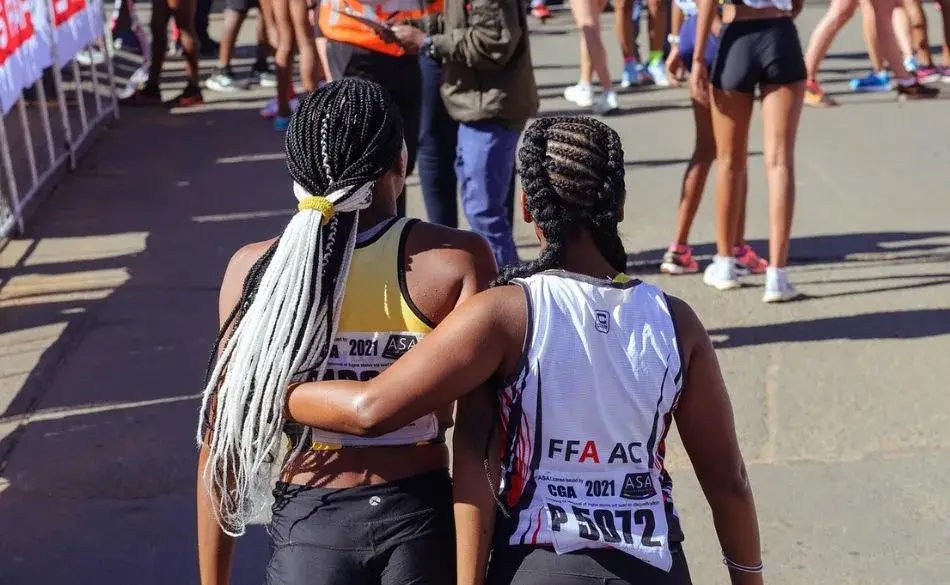

How to Recover Faster After Hard Runs
After a tough session, the right recovery strategy can mean the difference between bouncing back fresh or dragging sore legs for days. Runners often ask, “What really helps my legs recover fastest?” The truth is, there’s no single magic fix, but some methods are far more effective than others.
The table below compares common recovery methods for running with sore legs, based on both research and what I’ve seen coaching endurance athletes:
👉 Swipe to view full table
| Recovery Method | How It Works | Best Used When | Evidence Level |
|---|---|---|---|
| Active Recovery | Light cycling, walking, or easy running increases circulation and helps deliver oxygen and nutrients to tired muscles. | After long or intense runs when soreness is general, not sharp. | Moderate evidence — may reduce soreness perception and stiffness (Frontiers in Physiology 2018). |
| Foam Rolling / Massage | Applies gentle pressure to tight areas, easing tension and improving short-term mobility. | Within 1–2 hours post-run or the next day. | Moderate evidence — temporary relief of soreness and tightness (Journal of Athletic Training 2020). |
| Compression Garments | Supports venous return and may help reduce mild swelling in the legs. | During travel or between workouts on consecutive days. | Mixed evidence — small but sometimes noticeable benefits for soreness (BJSM 2021). |
| Contrast Showers / Cold Water Immersion | Alternating temperatures may decrease inflammation and muscle tightness. | Immediately after hot or humid runs or when legs feel heavy. | Limited evidence — individual responses vary; may improve perceived recovery (Eur J Appl Physiol 2021). |
| Sleep & Nutrition | Restores energy stores and supports muscle repair through protein synthesis and hormone balance. | Every day — the most essential recovery practice. | Well-supported — consistently linked to faster recovery and better training adaptation (ISSN Position Stand 2022). |
The takeaway: focus on what gives you the biggest return (active recovery, balanced nutrition, and enough sleep). If you’re ready to incorporate one of the most effective recovery tools (the recovery run) check out our complete guide on how to use recovery runs to bounce back faster and stay consistent with your training.
Recovery isn’t about doing more; it’s about doing the right things consistently. That’s how experienced runners manage running with sore legs without burning out.

When to Rest and When to Train Through Soreness
Knowing when to rest and when to push is one of the hardest skills a runner learns. You’ve probably had those mornings when your legs feel heavy, but you’re not sure if running will help or hurt. The right answer depends on what kind of soreness you’re feeling and how your body responds once you start moving.
Mild, dull soreness across both legs is often a sign your body is still adapting to training. In this case, light activity can actually help. A gentle recovery jog, a short bike ride, or an easy swim increases circulation and can speed up how quickly stiffness fades. Many runners find that once they warm up, their legs loosen and they finish feeling better than when they started.
But if your soreness is sharp, focused on one area, or throws off your stride, that’s your cue to rest. Training through that kind of pain isn’t mental toughness, it’s risk. Repeatedly running on fatigued muscles increases your chance of overuse injuries, especially in your knees, calves, and hips.
Here’s a simple way to decide:
- If you feel better after 10 minutes, it’s likely safe to keep going.
- If it feels worse, stop immediately or switch to a low-impact activity.
- If your gait changes, take the day off completely.
On your recovery days, focus on sleep, nutrition, and hydration. That’s when your muscles rebuild and grow stronger. Remember, fitness gains don’t happen while running; they happen when you recover from it.
As I tell my athletes, “You don’t lose progress from resting. You lose it from ignoring recovery.” When you train smart and give your body time to adapt, running with sore legs turns from a struggle into a sign of growth.


What Form Fixes Help When Your Legs Are Sore?
When your legs are sore, how you move matters more than how far you go. The way you run can either ease stress or make it worse. Small form changes can reduce impact and help you keep training without making soreness worse.
Start with your running cadence (the number of steps you take each minute). A slightly quicker rhythm with softer footfalls lowers the shock through your quads and calves. Think light, springy, and quiet. If you can hear your feet slapping the ground, you’re probably landing too hard. Increasing your cadence by just 3–5 percent can make your stride feel smoother and reduce the pounding your legs take.
Next, shorten your stride a little. Overstriding (landing your foot too far in front of your body) works against you when you’re tired. It acts like a brake on every step, creating more soreness in your knees and hips. Try landing closer to under your center of mass. You’ll notice your body glides forward instead of bouncing up and down, saving energy in the process.
Posture also plays a role. Keep a tall, relaxed frame with a slight lean from your ankles, not your waist. This keeps your hips open and helps your glutes share the workload. When your chest collapses or shoulders hunch, your lower body picks up the slack and fatigue builds faster.
Finally, pay attention to tension. Clenched fists, tight jaws, and shrugged shoulders waste energy. Relax your hands, let your elbows swing straight back, and take a few deep breaths every mile. Those small resets keep your form stable even when your legs start to ache.
When you apply these simple adjustments, running with sore legs becomes easier on your body and mind.
Struggling with running with sore legs? Our personalized Running Coaching programs are designed to help you train smarter, not harder. Learn how to balance effort, recovery, and technique to keep improving without breaking down.
Every plan includes structured workouts, recovery guidance, and feedback from professional coaches who understand how to manage fatigue, prevent injury, and build lasting endurance. Whether you’re training for your first 10K or your next marathon, we’ll help you stay consistent and confident even on tired legs.
Delivered through TrainingPeaks, your plan adapts as you progress, giving you real-time insights, pacing adjustments, and form recommendations that make every run count.
Stop guessing when to push or rest. Train with a plan built around your body and goals.
Explore Running Coaching →

The Best Recovery Workouts for Sore Legs
When your legs ache but you still want to stay active, recovery workouts are your secret weapon. These gentle sessions keep your fitness ticking without piling on more fatigue. The trick is choosing movements that boost blood flow and loosen your muscles while giving your joints a break.
Start with low-impact cardio. Easy cycling, swimming, or even walking are perfect for running with sore legs. Each boosts circulation, bringing oxygen and nutrients to tired muscles while helping clear out waste products. Twenty to forty minutes at a conversational pace is enough to feel better without adding stress.
Another great option is mobility work. Think of gentle leg swings, hip circles, or slow bodyweight squats. These restore your range of motion and remind your muscles how to move freely. You’ll notice stiffness fades faster when your joints stay active instead of locked up.
Don’t underestimate the power of yoga or stretching flow. Simple poses like downward dog, pigeon, and supported bridge release tightness in the calves, hamstrings, and hips (the areas that take the biggest hit from long runs). Keep the movements light and slow. This isn’t about flexibility; it’s about relaxation and recovery.
If you prefer the gym, try cross-training. Rowing, elliptical, or resistance bands give your cardiovascular system a workout without hammering your legs. Just remember: intensity should stay low. You’re not chasing sweat; you’re chasing blood flow and movement quality.

Putting It All Together: Your Simple Plan
By now, you’ve got the tools to handle those tough days when your legs just won’t bounce back. Let’s bring it all together into a simple plan you can actually use the next time soreness hits.
Start with a quick check-in before every run. Ask yourself, “What kind of soreness is this?” If it’s dull, even, and fades as you move, it’s safe to run easy. But if it’s sharp, one-sided, or changes your stride, that’s your sign to rest or switch to light cross-training. This simple habit prevents small issues from turning into setbacks.
Warm up with purpose. Begin with a few minutes of walking or dynamic stretches (leg swings, ankle rolls, or light lunges). These get your joints ready and remind your muscles how to move fluidly. You’ll start your run looser, not stiff.
Once you’re running, keep your form simple. Shorten your stride, keep your posture tall, and relax your upper body. Think smooth, not fast. If you focus on rhythm and breathing instead of pace, your body will settle into the effort.
After ten minutes, do a “feel check.” If you’re loosening up, stay at an easy conversational pace. If it’s getting worse, stop. Switch to a recovery spin or take the day off. Listening early saves you from limping later.
Building consistency while running with sore legs isn’t about pushing harder. It’s about training smarter. The best runners don’t ignore pain; they manage it wisely. Follow these steps, stay patient, and you’ll turn soreness into steady, lasting strength.