Calorie Burn and Energy Efficiency - Which Workout Wins?
If burning calories is your main goal, both skipping and running deliver. Both deliver high calorie burn just in different ways. Research and coaching data suggest that a skipping vs running calorie burn comparison often puts skipping slightly ahead during short, intense sessions. Skipping rope can burn roughly 10–16 calories per minute, depending on speed, body weight, and fitness level. That means a focused 15-minute skip can match the energy you’d spend in a 30-minute easy run.
Running, however, shines when you look at total workload over time. At a steady 6 mph (10 km/h), many people burn about 500–700 calories per hour. If you enjoy longer outings or you’re building endurance for races, running gives you more continuous minutes in the “fat-burning zone” without the coordination demands of faster rope work.
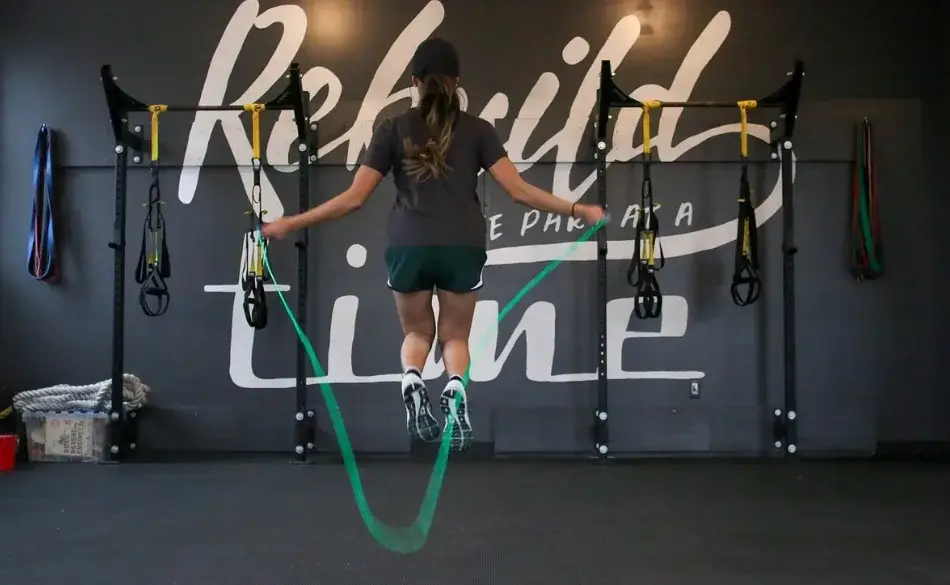
Here’s the thing about energy efficiency comparing skipping rope and running: skipping fires almost every major muscle group at once. It works on the legs, core, shoulders, and arms. That full-body action drives your heart rate up quickly and can feel like a sprint for your whole system. Running leans more on the lower body, which makes it easier to hold a steady pace for longer without upper-body fatigue. In short, skipping is a power burst; running is a diesel engine.
So which is the best workout for you? If you’re chasing quick results, skipping is a strong pick. If you want longer, steady sessions with fewer breaks, running is hard to beat. For many people, the sweet spot is using both based on the day’s goal. Providing you a fast and focused or steady and sustained workout
- Best workout: skipping or running for fat loss? Skipping for time-crunched HIIT; running for longer, steady-state burns.
- Time trade-off – Fifteen intense minutes of skipping can rival thirty moderate running minutes.
Try 3–5 rounds of 60 seconds of skipping between easy run intervals. You’ll spike calorie burn without adding much total time.
Curious how intervals change your energy use? This guide to interval running benefits explains why short bursts can rival longer steady sessions.
The fastest way to improve your aerobic fitness is with guidance that’s built just for you. Our Running Coaching provides customised workouts, progressive training plans, and expert feedback to help you build stamina, protect your joints, and stay motivated—whether you’re walking, jogging, or running.
- ✅ Training tailored to your fitness level and goals
- ✅ Beginner-friendly aerobic sessions with safe progression
- ✅ Ongoing support to keep you consistent and confident
💡 Perfect for beginners who want expert guidance and a clear plan to follow.
Start Your Personalised Coaching Today →

Joint Health and Injury Risk - Which is Safer for Your Body?
When people compare impact, they often picture running as smooth and skipping as harsh. The truth sits in the middle. Ground contact during skipping is brief, and soft, springy landings spread the load through your ankles, knees, and hips. With good rope length and form, many athletes experience less jarring than they do in steady road runs.
A key issue is repetition. Running meters add up fast. Each strike can equal two to three times your body weight, repeated thousands of times per session. That steady drumbeat raises risk for overuse problems like shin splints, patellofemoral pain, or plantar fasciitis. Especially when you jump mileage too quickly or stick to hard pavement.
Skipping creates different stress. Calves and Achilles work hard as the rope turns. If you land heavy, lock your knees, or use a rope that’s too short, strain builds fast. Fatigue also sneaks in. As timing slips, you catch the rope, land flat-footed, and spike impact. Small technique errors can turn a low-impact drill into a high-risk one.
So how do you reduce joint stress skipping versus running injuries? Start by choosing a forgiving surface. Rubber gym floors, wooden courts, and modern treadmills all dampen force. Keep knees slightly bent, land on the balls of your feet, and let your heels kiss the ground lightly. Shorter rounds with brief rests preserve form and protect tendons.
Runners can play defense too. Rotate shoes before the midsole packs out. Mix surfaces (trail, track, treadmill) to vary loading. Add two short strength blocks per week for calves, quads, and hips. Strong tissues absorb shock better, which keeps joints happier over time.
Wondering, is skipping better than running for knee health? For many people, yes. When you jump softly, use a correctly sized rope, and progress in small steps. For others, gentle runs on trails or treadmills feel kinder than repetitive jumps. The safest path is simple: master form, increase volume slowly, and cycle both modes so no single structure carries the full load week after week.
- Surfaces: rubber floor > wood > treadmill > asphalt > concrete.
- Progression rule: add no more than 10% weekly volume for either activity.
- Strength focus: calf raises, hip abduction, split squats, and core bracing.
If your knees feel grumpy on hard surfaces, start here: How long does runner’s knee last? It covers timelines and simple fixes that help you keep moving.
Calf or heel tightness after jumping or jogging? This Achilles pain guide shows causes and fixes before it derails your plan.
Building endurance and improving cardiovascular health is easier with a plan that guides you step by step. Our Running Training Plans include progressive mileage, low-impact options, and easy-to-follow workouts that help you develop fitness safely, whether you’re walking, jogging, or starting to run.
- ✅ Beginner-friendly aerobic sessions to build stamina at your own pace
- ✅ Mix of indoor and outdoor running workouts for variety and motivation
- ✅ Helps improve heart health, burn calories, and boost overall energy
💡 Perfect for beginners wanting a safe, structured way to improve aerobic fitness.
Explore Running Plans & Start Training →

Cardiovascular and Endurance Benefits - Which Builds Fitness Faster?
Both skipping and running strengthen your heart and lungs, but they do it in different ways. Skipping ramps intensity fast. Within a minute, your heart rate can jump into higher zones, especially if you keep the rope speed brisk and land softly. That makes it ideal for short, potent sessions where time is tight and focus is high.
Running shines for steady aerobic growth. Longer, even-paced runs expand stroke volume (how much blood your heart pumps each beat) and help your muscles use oxygen better. Over weeks, those changes add up to smoother breathing, easier pacing, and more minutes in your target zone without feeling gassed.
If your goal is time-efficient conditioning, a skipping endurance workout often wins. Ten to fifteen focused minutes of skipping often matches the cardiovascular load of a twenty to thirty minute moderate run. The catch is sustainability: most people find it hard to hold clean form with the rope for very long, while running is easier to maintain for extended periods.
Want to see where your engine sits now? Check the VO₂ max chart and use intervals or tempo runs to lift your score. Then layer in smart intervals using this interval running benefits guide to build stamina without extra time.
A blended strategy works best for many athletes. Use running to build your aerobic base across the week. Then slot in short skipping blocks to spike intensity without extending total workout time. This pairing trains both systems: steady endurance from running and high-end power and coordination from skipping.
To keep effort honest, track breathing and talk test. During skipping sets, you should only be able to speak a few words. During easy runs, full sentences should feel comfortable. That simple guide helps you place each tool in the right zone and prevents you from turning every session into a grind.
- Time-efficient pick: 10–15 minutes of skipping at steady cadence.
- Base-building pick: 25–45 minutes of easy to moderate running.
- Combo day: run 5 minutes easy, skip 60–90 seconds, repeat 4–6 rounds.


Practicality and Convenience - Which Fits Your Lifestyle Better?
When you weigh real-life factors (space, time, weather) one option often stands out. For indoor training, a rope wins. With a small area and a forgiving surface, you can start almost anywhere. That’s why many athletes see skipping as the best indoor cardio option.
Running, by contrast, usually needs more room and safer routes. Outdoors can be amazing for fresh air and scenery, but rain, wind, extreme heat, or dark streets can derail plans. Treadmills help, yet they require access and sometimes a commute. If consistency is your top goal, skipping removes more roadblocks with less fuss.
Setup time matters too. A jump rope lives in your gym bag or desk drawer. You can warm up quickly and log a potent session in minutes. Running sessions often include route planning, longer warm-ups, and cool-down walks back home. None of that is bad, it just means running often demands a larger time block.
Travel is another key point. A rope weighs almost nothing and fits in carry-on luggage. Hotel gyms vary, and safe routes near airports aren’t guaranteed. With skipping, you have a mobile cardio station ready to go in a quiet corner of a room or a spare hallway.
Still, running shines for open-air variety and longer, rhythmic efforts. If you love being outside or you’re building distance, those steady miles are tough to beat. The best plan is flexible: pick the tool that matches your day’s limits and goals.
- When to choose skipping over running workouts: tight schedule, bad weather, limited space, or frequent travel.
- When running makes sense: you want fresh air, longer efforts, or lower coordination demands.
- Time hack: pair a 10-minute rope circuit with a short mobility block when your day is packed.
Bottom line: let context decide. Keep both tools available so you never miss a workout due to space, time, or weather.


Weight Loss and Body Composition - Which Delivers Faster Results?
If your top goal is fat loss, both skipping and running can work. The best choice depends on your schedule, preferences, and how your body handles intensity and volume. Skipping delivers sharp, high-effort bursts. Running offers longer, steadier sessions. Each path can create the calorie deficit you need to reduce body fat.
When you compare skipping vs running for fat loss, rope work often wins on calories per minute. It engages legs, core, shoulders, and arms at once, which spikes heart rate quickly. That high demand can also raise post-workout oxygen use for a short time, nudging total burn upward after you stop.
Running wins on total volume. Most people can hold a comfortable pace for much longer than they can jump cleanly. That means more total minutes spent moving and, for many, a higher single-session burn. If you enjoy time on your feet and like steady rhythm, running is a great engine for weekly calorie output.
Think about muscle retention too. Skipping challenges the upper body as you turn the rope and brace the trunk. Running leans lower body with less shoulder and arm work. Neither replaces strength training, but both can improve tone when you pair them with two short lifting sessions per week.
To keep progress steady, match the tool to the day. On tight days, run a quick rope circuit. When you have time and energy, settle into a relaxed run or run–walk. Small, consistent choices beat rare, heroic efforts.
- Time-crunched pick: 10–20 minutes of steady rope rounds.
- Volume pick: 30–60 minutes of easy to moderate running.
- Balanced plan: mix rope HIIT with 2–3 aerobic runs weekly.
Here is a simple weekly outline for fat loss: two rope days, two to three run days, and one to two short strength sessions. Track consistency first, then adjust intensity. That blend cuts calories, preserves lean tissue, and builds a routine you can stick with for months.
Accelerate your aerobic progress and enjoy variety by training across swim, bike, and run. Our Triathlon Training Plans include beginner-friendly aerobic workouts, cross-training sessions, and structured recovery—helping you build stamina, improve cardiovascular health, and keep things fresh and fun.
- ✅ Balanced weekly mixes of low-impact cardio and endurance training
- ✅ Flexible schedules to fit your lifestyle and fitness level
- ✅ Expert guidance to prevent injuries and support steady progress
💡 Ideal for beginners who want a well-rounded fitness routine that enhances aerobic capacity and keeps you engaged.
Explore Triathlon Training Plans & Get Started →

Skipping vs Running - Side-by-Side Comparison
Sometimes it’s easier to make a decision when you can see the facts clearly. Below is a skipping vs running calorie burn comparison along with other important factors like joint impact, space requirements, and training benefits. This can help you decide which exercise better fits your current fitness goals and lifestyle.
👉 Swipe to view full table
| Exercise | Sets | Reps | Notes |
|---|---|---|---|
| Skipping (Steady Cadence) | 3–4 | 3–5 min each | Work at even pace; land softly on forefoot. Great for comparing calorie burn between skipping and running when time is short. |
| Running (Easy Aerobic) | 1 | 25–45 min | Talk-test friendly pace that builds an aerobic base for endurance. Less coordination needed than rope work. |
| Skipping (Tabata HIIT) | 8 | 20 sec on / 10 sec off | High heart-rate spikes with consistent rope speed. Excellent choice for fat loss when you need maximum intensity per minute. |
| Running (400 m Intervals) | 6–10 | 400 m @ 5K effort / 200 m easy | Classic speed session to improve VO₂ and running economy. Comparable in workload to high-intensity skipping. |
| Skipping (Low-Impact Alt-Step) | 3 | 2–4 min each | Alternate feet like a jog while turning the rope. Reduces calf and Achilles strain and can be easier on the joints than long runs. |
| Running (Soft Surface Trail) | 1 | 20–40 min | Softer ground lowers impact compared to pavement. A good option if your knees feel better running than jumping. |
| Skipping (Endurance Builder) | 4–6 | 2 min on / 1 min off | Focus on relaxed shoulders and quiet feet. Shows how skipping can challenge stamina similar to steady runs. |
| Running (Tempo) | 1 | 15–25 min continuous | Comfortably hard pace that improves lactate threshold. Pairs well with short skipping finishers for variety. |
| Skipping (Travel/Hotel Room) | 2–3 | 5–7 min each | Minimal space needed. A perfect indoor cardio choice when you can’t get outside for a run. |
| Running (Treadmill Easy) | 1 | 20–35 min | Use a 2–3% incline to mimic outdoor effort. Reliable indoor option when weather limits outdoor sessions. |
| Combo Day: Run + Skip | 4–6 | 5 min easy run + 60–90 sec skip | Blends the benefits of both workouts. Ideal for days when you want calorie burn, variety, and joint-friendly pacing. |
| Warm-Up (Both) | 1 | 5–8 min | March → calf raises → ankle circles → 30–60 sec rope without jumps → easy jog or light skips. |
| Cool-Down (Both) | 1 | 5–8 min | Easy walk or slow rope turns followed by calf, quad, and hip flexor stretches. Reduces stiffness and aids recovery. |
| Strength Accessory (Weekly) | 2 | 10–12 reps × 2–3 moves | Calf raises, split squats, hip abductions, and core bracing to support joint health and improve performance in both skipping and running. |


Building a Balanced Training Plan with Skipping and Running
Combining rope work and running can give you the best of both worlds. A plan that uses both keeps training fresh, spreads stress across different muscles, and reduces the chance of overuse injuries. You can focus more on one activity depending on your goals, but including both builds a broader base of fitness.
When designing a balanced skipping and running program, start with your main objective. If you want endurance, running should make up most of your cardio, with rope sessions sprinkled in to raise intensity. If you need maximum calorie burn in minimal time, let skipping lead while still using short runs to boost aerobic capacity.
- Endurance-focused plan: 3–4 runs weekly (mix long, tempo, and easy) + 1–2 short rope workouts.
- Fat-loss plan: 3 rope workouts (steady or HIIT) + 2–3 short to moderate runs.
- General fitness plan: 2–3 runs + 2–3 rope sessions spread across the week.
Keep progress gradual. Add no more than 10% to your total weekly training load. Alternate intense rope days with lower-intensity runs so you recover between hard efforts. Include at least one rest or active recovery day to let muscles adapt.
Footwear and surfaces matter. Choose well-cushioned shoes for both. For skipping, wooden floors, gym mats, or rubberized tracks absorb shock best. For running, mix softer trails or treadmill sessions with occasional road work to protect joints.
Mixing skipping and running builds endurance, coordination, and calorie burn efficiency without hammering the same tissues every session. Over time, that balance improves running economy, sharpens rope technique, and helps you train consistently. Arguably the most important factor in long-term results.


Conclusion: The Best Choice Is the One You’ll Stick With
When comparing skipping and running, there’s no single “winner.” Each has its strengths, and the right choice depends on your goals, preferences, and lifestyle. Skipping offers high-intensity, time-efficient workouts that challenge coordination and full-body strength. Running delivers steady endurance, mental clarity, and the satisfaction of covering distance.
If you’re short on time or want a portable workout you can do anywhere, skipping may be your best option. If you love the outdoors or need to train for distance events, running is likely the better fit. The smartest approach for most people is to use both. Skipping for short, high-output sessions and running for longer, steady efforts.
Ultimately, the best workout is the one you enjoy enough to do regularly. Whether it’s the rhythmic snap of a rope on the floor or the steady beat of your feet on the pavement, choose the activity that keeps you moving. Consistency, not perfection, is what drives lasting results.
The fastest way to improve stamina, boost heart health, and stay consistent is with a structured plan that grows with you. Our Cycling Training Plans include progressive aerobic workouts, low-impact options, and tailored routines designed to help you train smarter, recover better, and stay injury-free.
- ✅ Beginner-friendly aerobic sessions that build endurance without overtraining
- ✅ Mix of indoor and outdoor workouts to keep your routine fresh and adaptable
- ✅ Proven methods to improve cardiovascular fitness while protecting joints
💡 Ideal for anyone wanting a clear, step-by-step path to better aerobic health.
Explore Training Plans & Start Improving →