What Makes Strength Training Different for Triathletes?
Most endurance athletes understand the value of logging long hours in the pool, on the bike, and out on the run. But strength training for triathletes is a little different than what you’d find in a traditional weightlifting program. The goal isn’t building bulk, it’s improving muscular endurance, efficiency, and injury resilience across three demanding sports.
Each discipline in triathlon asks something unique of your body:
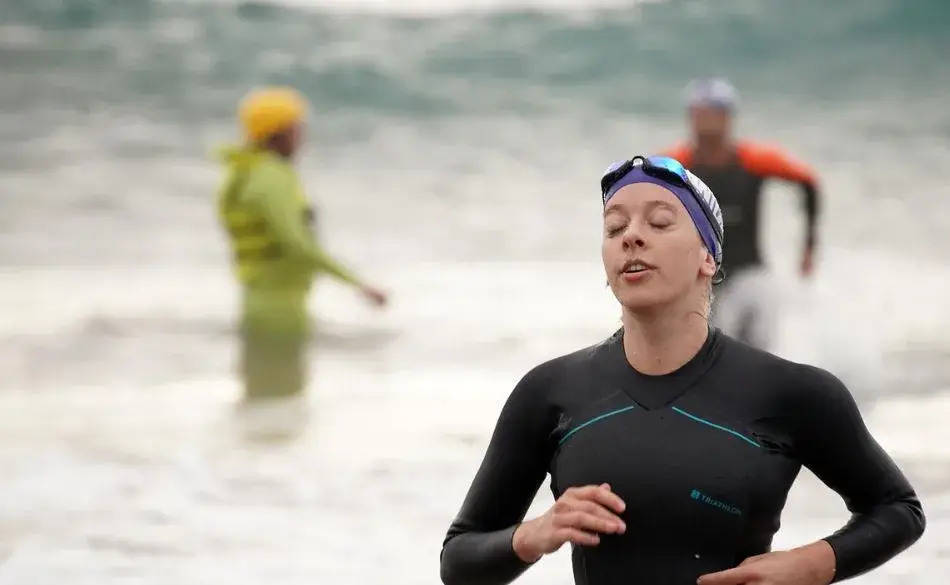
- Swimming efficiency comes from strong shoulders, lats, and a stable core that lets you glide without wasted motion.
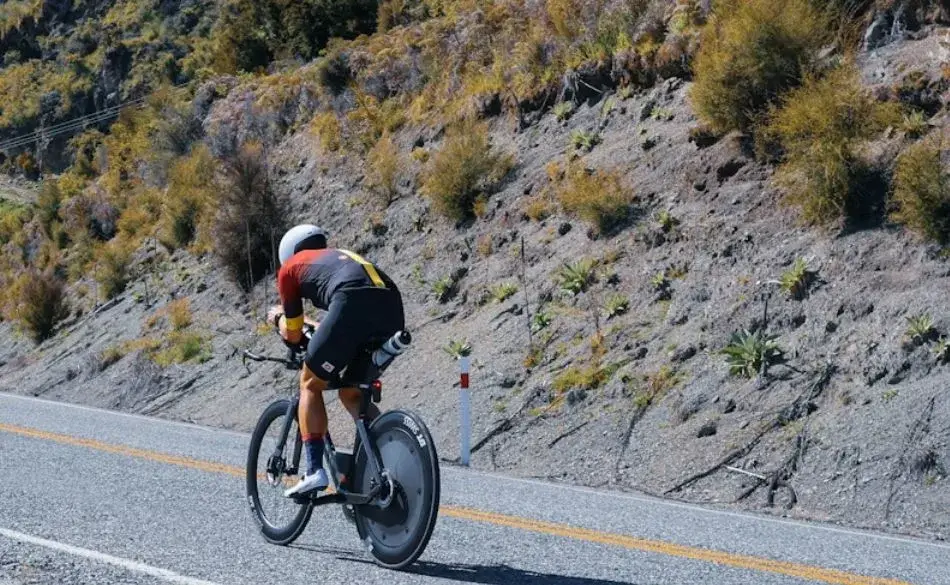
- Cycling power output depends on glutes, hamstrings, and quads working together to sustain higher wattage.
- Running economy relies on hip stability, calf strength, and a strong core to absorb impact and maintain form late in the race.
Here’s the key difference: triathletes can’t afford to train like bodybuilders or even pure runners. The best programs focus on functional strength and resistance training that mirrors the demands of racing. Movements like single-leg squats, deadlifts, and rotational core exercises provide stability and balance that carry directly into sport.
I once coached an athlete training for her first half-Ironman. She was nervous about the gym, afraid it would slow her down. After eight weeks of carefully structured triathlon strength workouts, she felt lighter in the water, more stable climbing hills, and shockingly fresh during brick runs. That confidence carried straight into race day.
Another often-overlooked benefit is injury prevention. With thousands of repetitive movements in every training week, weak links in your kinetic chain add up. By reinforcing joints and stabilizing muscles, strength training reduces common triathlon injuries like IT band pain, Achilles tendinitis, and lower back strain.
Think of your body as the frame of a tri bike. You can upgrade the wheels and gears, but if the frame is weak, it won’t perform under pressure. Strength training is how you reinforce the frame, so the engine can run at full power.
If you’re focused on improving your swim strength and want alternative tools, check out our Swim Bungee Training for Triathletes page. Great for adding resisted swim drills without overloading your shoulders.
If you want a well-rounded plan that builds endurance and strength together for your first 70.3, check out our Beginner Half-Ironman Training Plan . It includes gym sessions designed to improve your muscular endurance, boost your power output, and protect you from injury.
- ✅ Structured swim, bike, run & strength sessions to build a balanced foundation
- ✅ Step-by-step progression so you gain strength without overtraining
- ✅ Recovery strategies included to help your body bounce back between workouts
💡 Lay strong foundations now, so you perform confidently on race day.
View Beginner Half-Ironman Plan

How Often Should Triathletes Lift Each Week?
One of the biggest mistakes endurance athletes make is either ignoring the gym or overdoing it. The sweet spot for most triathletes is two days of strength training per week. This frequency builds muscular endurance and stability without draining your energy for swim, bike, and run sessions.
In the base phase of training, some athletes benefit from adding a third session. These extra lifts help lay a foundation of functional strength before volume on the bike and run ramps up. As you move closer to race season, pulling back to two shorter, sharper sessions keeps you strong without leaving you fatigued.
Here’s a simple way to think about it: early in the season, you’re building the engine. Closer to your race, you’re fine-tuning the machine. That’s why strength training frequency shifts with your triathlon plan.
Timing matters just as much as frequency. Place gym sessions after easier workouts or technique-focused swims. Avoid pairing heavy lifts with demanding intervals or long runs. Doing so ensures your legs stay fresh for quality triathlon training.
I had one athlete preparing for an Ironman who struggled with fatigue after adding three gym sessions on top of high bike mileage. Once we scaled back to two carefully placed sessions, his power output on the bike improved, and his run form held together late in long bricks. The right balance made all the difference.
Remember, the goal isn’t soreness, it’s support. Forty to fifty minutes in the gym is plenty if you focus on compound lifts and stability exercises. Keep your movements crisp, leave a rep or two in the tank, and walk out feeling like you’ve added value, not taken energy away.
Consistency matters more than perfection. Two well-timed sessions each week will deliver steady gains in running economy, cycling efficiency, and swimming stability, all without tipping you into burnout.


Key Strength Training Exercises Every Triathlete Should Do
When it comes to strength training for triathletes, the best exercises are simple, effective, and directly linked to better performance in the swim, bike, and run. You don’t need fancy machines or endless sets. Instead, focus on movements that train stability, mobility, and muscular endurance.
Here are the cornerstone exercises I recommend for most triathletes I coach:
- Deadlifts: Build glute and hamstring power that translates into stronger pedal strokes and better running posture.
- Single-Leg Squats: Improve balance and reduce injury risk by strengthening stabilizing muscles around the hips and knees.
- Pull-Ups: Develop back and shoulder strength for smoother, more efficient swimming strokes.
- Planks and Side Planks: Build core stability to maintain form late in a race when fatigue sets in.
- Step-Ups: Mimic the motion of climbing hills on the bike and improve running economy with unilateral strength.
- Rotational Core Work: Exercises like Russian twists train your body to resist unwanted twisting, protecting the lower back.
These movements are the backbone of most triathlon strength workouts. You can build sessions around them, rotating variations to keep things fresh. For example, swap traditional deadlifts for trap bar deadlifts or change step-ups to Bulgarian split squats for variety.
One of my athletes, training for a 70.3, struggled with recurring IT band pain. By adding single-leg strength work (especially step-ups and lunges) she not only stayed injury-free but also shaved minutes off her half marathon run split. Sometimes the simplest exercises provide the biggest returns.
Remember, quality matters more than quantity. Focus on controlled, efficient movement rather than chasing heavy weight. These exercises help reinforce your frame so you can sustain higher power output on the bike, hold better form in the run, and feel more stable in the water.
If you’re chasing a fast finish and need a plan that blends endurance, speed, and well-structured strength training, our Sub-11-Hour Ironman Training Plan gives you everything you need: periods of power, solid resistance work, and smart pacing to shave off crucial minutes.
- ✅ Advanced workouts for swim, bike, run, and gym to push your limits
- ✅ Built-in strength training sessions aimed at maximizing muscular endurance and reducing fatigue
- ✅ Recovery and race prep phases so you’re sharp, not just fit
💡 Turn your ambition into action — run, ride, and swim with more power and confidence.
Explore Sub-11-Hour Ironman PlanAdditional Strength Exercises That Benefit Triathletes
While cornerstone lifts like deadlifts, squats, and pull-ups should form the backbone of your strength training program, there are other highly effective movements that support swimming efficiency, cycling power output, and running economy. Adding variety keeps your body balanced and reduces the risk of overuse injuries.
Here are additional exercises I often prescribe to the triathletes I coach:
- Bulgarian Split Squats: Improve single-leg strength and stability for stronger pedal strokes and efficient running stride mechanics.
- Hip Thrusts: Build glute power, essential for climbing on the bike and protecting the lower back during long runs.
- Face Pulls: Strengthen the rear shoulders and upper back, supporting better swim posture and reducing shoulder strain.
- Calf Raises: Enhance lower-leg resilience for better push-off in the pool and shock absorption on long runs.
- Medicine Ball Rotational Throws: Develop explosive core strength and rotational stability for more efficient transfer of power across all three sports.
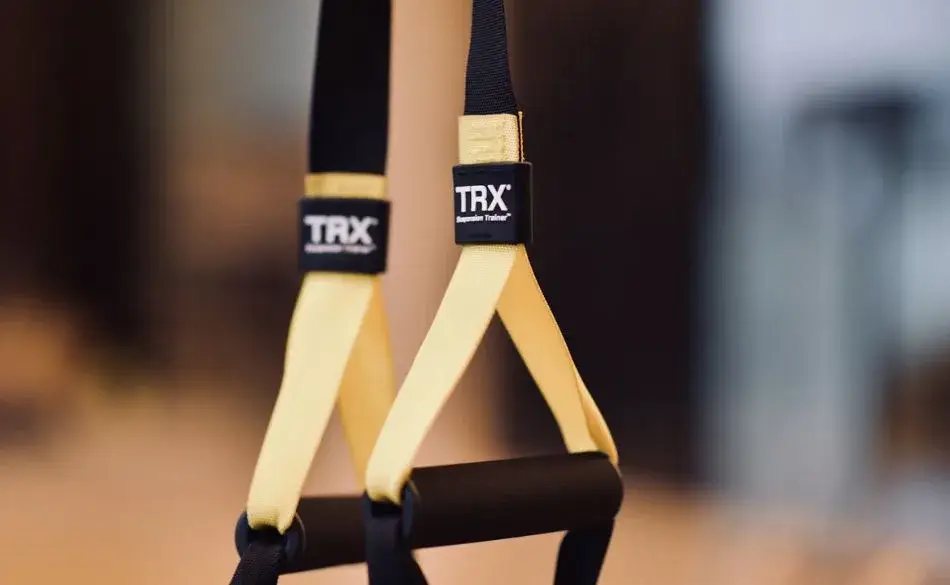
- TRX Rows: A bodyweight exercise that builds pulling strength and balance, especially useful for triathletes training at home.
- Pallof Press: A powerful anti-rotation core drill that stabilizes your torso during both running and swimming.
These movements don’t have to be done all at once. Rotate them into your weekly triathlon strength workouts depending on your current focus. For example, during heavy bike blocks, prioritize hip thrusts and Bulgarian split squats. In swim-focused weeks, integrate face pulls and TRX rows for better upper body stability.

Strength Training Periodization for Triathletes
Just like your swim, bike, and run training, your gym work should follow a plan. This approach is called periodization. It ensures that your strength training program supports each phase of your triathlon season rather than competing with it.
The year can be broken into clear blocks. Each has a purpose and a focus that adapts as race day approaches:
| Phase | Focus | Frequency | Example Work |
|---|---|---|---|
| Base | Build general functional strength and stability | 2–3 sessions/week | Deadlifts, squats, pull-ups, core work |
| Build | Develop muscular endurance and sport-specific strength | 2 sessions/week | Single-leg work, step-ups, planks, resistance bands |
| Peak | Maintain strength while sharpening power output | 1–2 sessions/week | Explosive lifts, plyometrics, medicine ball throws |
| Taper | Reduce fatigue, keep mobility and activation | 1 light session/week | Core stability, light band work, mobility drills |
This structure keeps your body adapting without pulling energy away from endurance training. In early phases, you lay the foundation with resistance training. As you get closer to race day, the volume drops, but intensity remains sharp.
Think of it like preparing a race bike. First you build the frame, then fine-tune the gears, and finally, before the big day, you make sure everything runs smoothly without overhauling the system.
When you periodize correctly, you’ll notice stronger climbing on the bike, better running economy off the bike, and smoother swimming efficiency in open water, all without feeling worn down from the gym.
Curious about how intensity fits into your season? You might also want to check out our 80/20 Triathlon Training Method, which helps balance hard and easy workouts so your strength gains don’t come at the cost of overtraining.
If you’re new to Ironman distance and looking to build up with safe, structured training—especially incorporating strength training—you’ll love our Beginner Ironman Training Plan . It’s designed to help triathletes like you go the distance without burning out or getting hurt.
- ✅ 24-week plan blending swim, bike, run & gym so you build strength and endurance together
- ✅ Step-by-step progression for power, muscular endurance, and race pacing
- ✅ Built-in recovery and adaptation to prevent injuries and protect joints
💡 Start your Ironman journey strong, balanced, and confident.
Check Out Beginner Ironman Plan

Common Strength Training Mistakes Triathletes Should Avoid
Adding gym work can transform your performance, but only if it’s done right. Too many triathletes either go too heavy, pick the wrong exercises, or fail to balance sessions with swim, bike, and run training. Avoiding these pitfalls will keep your strength training program working for you, not against you.
Here are the most common mistakes I see:
- Lifting too heavy: Going for max weight can lead to fatigue and injury. Focus on moderate loads with proper form instead.
- Skipping core work: A weak core affects running economy, bike stability, and even swimming efficiency. Never skip planks, side planks, and rotational exercises.
- Overtraining: Adding three or four gym sessions on top of high mileage can backfire. Two focused workouts are usually enough.
- Ignoring single-leg work: Triathlon is built on unilateral movement. Single-leg squats, lunges, and step-ups reduce injury risk and improve balance.
- Not adjusting for the season: Strength training frequency should shift as races approach. What works in the off-season won’t work two weeks before an Ironman.
I once had a coached athlete who pushed too hard in the gym, chasing personal bests on deadlifts while training for a 70.3. His run sessions started to fall apart, and he complained of constant soreness. Once we scaled back to lighter resistance with more mobility and functional work, his training quality improved and his race performance surged. Sometimes less is more.
Think of strength training as the glue that holds your triathlon training together. Avoid these mistakes, and you’ll see consistent gains in power output, efficiency, and durability without unnecessary setbacks.


Two-Day Strength Training Plan for Triathletes
Knowing what to do in the gym can feel overwhelming. To make it simple, here’s a balanced two-day plan that covers all the major areas a triathlete needs: functional strength, muscular endurance, and core stability. These sessions can be slotted into most triathlon programs without taking away from key endurance work.
| Day | Week 1 | Week 2 | Week 3 | Week 4 (Taper) |
|---|---|---|---|---|
| Monday | Swim 1.5 km drills + technique | Swim 1.8 km aerobic with sighting | Open water swim 2 km with surf entries | Swim 1 km easy + light drills |
| Tuesday | Bike 60 min steady + 10 min brick run | Bike 75 min with 4x5 min hills | Bike 90 min with tempo efforts + 15 min brick run | Bike 45 min easy spin + short run |
| Wednesday | Run 6 km easy | Run 8 km with 3x6 min tempo | Run 10 km steady with heat adaptation | Run 5 km relaxed pace |
| Thursday | Swim 1.5 km aerobic continuous | Swim 1.6 km with 6x200 m pace efforts | Swim 2 km open water sighting practice | Swim 1 km relaxed |
| Friday | Strength 30 min (core, hips, glutes) | Rest / light yoga | Strength 30 min + stretch | Rest day |
| Saturday | Bike long 90 min rolling terrain | Bike long 100 min with hill repeats | Bike long 120 min including motorway simulation | Bike 60 min easy |
| Sunday | Run long 8 km steady | Run long 10 km with strides | Run long 12 km with mid-run pickups | Run 6 km easy with strides |
These workouts are short (about 40–50 minutes) but highly effective. The mix of bilateral and single-leg movements ensures balance, while core stability keeps your frame solid through long sessions. Done consistently, this plan supports stronger climbing, faster transitions from bike to run, and reduced risk of injury during heavy training blocks.
Ready to plug this gym plan into a full 70.3 build? Explore our Half Ironman Triathlon Training Plans for week-by-week swim, bike, run, and strength integration.

How to Balance Strength Training with Swim, Bike, and Run
One of the hardest parts about adding gym work isn’t the exercises themselves, it’s finding where they fit. As a triathlete, your schedule is already packed with swimming, cycling, and running. If strength training isn’t placed well, it can leave you drained for the workouts that matter most.
The first rule is simple: don’t pair heavy lifting with your toughest endurance sessions. Doing squats before a VO2 max bike workout is a recipe for sore legs and poor power output. Instead, match strength days with lighter aerobic or technique sessions so your energy is distributed wisely.
Here’s a guideline many athletes I coach follow:
- Early in the week: Pair strength with an easy swim or aerobic bike ride.
- Midweek: Use strength on a day with technique-focused running drills.
- Weekend: Keep long rides and long runs strength-free to protect quality and recovery.
Pay attention to recovery. Strength work creates muscle fatigue that can take 24–48 hours to clear. If your run form breaks down or you’re grinding on the bike, that’s a signal you may need more rest between sessions.
I coached an athlete training for a full Ironman who made big improvements once he rearranged his week. By moving his gym work to Mondays and Thursdays (paired with lighter swims) he arrived fresh for long weekend rides and key brick runs. His running economy improved, and his bike power held strong late in the race.
Remember, the goal of strength training isn’t to win in the weight room. It’s to make you faster, stronger, and more durable in triathlon. If you treat it as a supportive tool instead of an extra stressor, it will elevate all three disciplines without pulling you off balance.
If you’ve started adding strength training for triathletes and want a fully structured approach to combine swim, bike, run, and gym work, our Triathlon Coaching Programs give you expert guidance, personalized planning, and proven methods to help you race stronger and last longer.
- ✅ Individualized coaching built around your strengths and weaknesses
- ✅ Integration of gym-based strength workouts with triathlon training
- ✅ Support with pacing, nutrition, and recovery for peak performance
💡 Train smarter, prevent injuries, and unlock your true potential across swim, bike, and run.
Explore Triathlon Coaching
Conclusion: Stronger in the Gym, Stronger on Race Day
By now, it’s clear that strength training for triathletes isn’t just an optional extra. It’s a proven way to boost power output, improve running economy, and enhance swimming efficiency (all while lowering your risk of injury). The gym becomes less about lifting heavy and more about building the durability to thrive across three sports.
The key is balance. Two well-placed sessions each week, focused on functional strength and resistance training, are enough to change the way you perform. When you treat your body like the frame of a tri bike (reinforcing it to handle stress) you open the door to faster, stronger, and longer racing.
I’ve seen athletes transform by embracing the gym. Some discovered power on the bike they never thought possible. Others finally ran pain-free after years of recurring injuries. These aren’t isolated stories, they’re the natural outcome of training smarter, not just harder.
As you look ahead to your next race, ask yourself: do you want to just finish, or do you want to finish stronger? If your answer is the latter, then strength training is your missing piece. It’s the secret that allows you to not only survive long training weeks but to thrive in them.
So start simple. Add two sessions this week. Focus on the movements that matter. Stay consistent, and you’ll soon notice the difference. Not only in your workouts but in the confidence you carry to the start line.