Why the Samson Stretch Deserves a Spot in Your Routine
Learn why the Samson stretch is essential for athletes. Discover benefits for hip flexors, hamstrings, and posture with expert coaching insight.
Let’s be honest, most athletes know they should stretch, but not all stretches carry equal weight. The Samson stretch is one that often gets overlooked, even though it has some of the most powerful effects on your body.
What makes it special is the combination of positions. You’re in a deep lunge, which already engages your quads and glutes, but then you add an overhead reach. That small addition transforms it into a full-body stretch. Suddenly, your hip flexors, hamstrings, shoulders, and chest are all working together.
The Samson stretch benefits for hip flexors and hamstrings are huge. Think about how much time you spend sitting – whether at a desk, in the car, or on the couch. Those hip flexors shorten and lock up, which then pulls on your lower back. This one move helps reset that pattern.
I had an athlete, Sam, who struggled with hip tightness that made his running stride short and awkward. We added the stretch three times a week, holding for 30–45 seconds each side. Within a month, his stride length improved, his posture looked taller, and his back pain during long runs was gone. It’s a small fix that delivered massive results.
Beyond flexibility, the Samson stretch also primes your nervous system. That’s why it’s so common in CrossFit warm-up routines. It bridges the gap between static stretching and dynamic readiness, helping you move smoothly from stretching into explosive movements.
If you’re building a warm-up routine, don’t just think of this as a stretch, it’s more like flipping a switch for your entire body. You’ll stand taller, move easier, and train with less discomfort. For athletes who want to perform at their best, skipping this move is leaving results on the table.
If you’re tired of battling stiffness, fatigue, or lingering discomfort after workouts, the problem might not be your effort—it could be your training structure. Our Running Coaching Programs give you personalized guidance to balance intensity, recovery, and progression so you can feel stronger, faster, and more confident every week.
- Custom training plans built around your fitness level and goals
- Expert feedback to improve form and efficiency
- Balanced sessions that reduce injury risk and burnout
- Delivered via TrainingPeaks for simple day-to-day tracking
- No lock in contracts one monthly coaching fee, full flexibility
Stop guessing with your training—get a plan that works for you.
Start Your Coaching Today →

How Do You Do the Samson Stretch Properly?
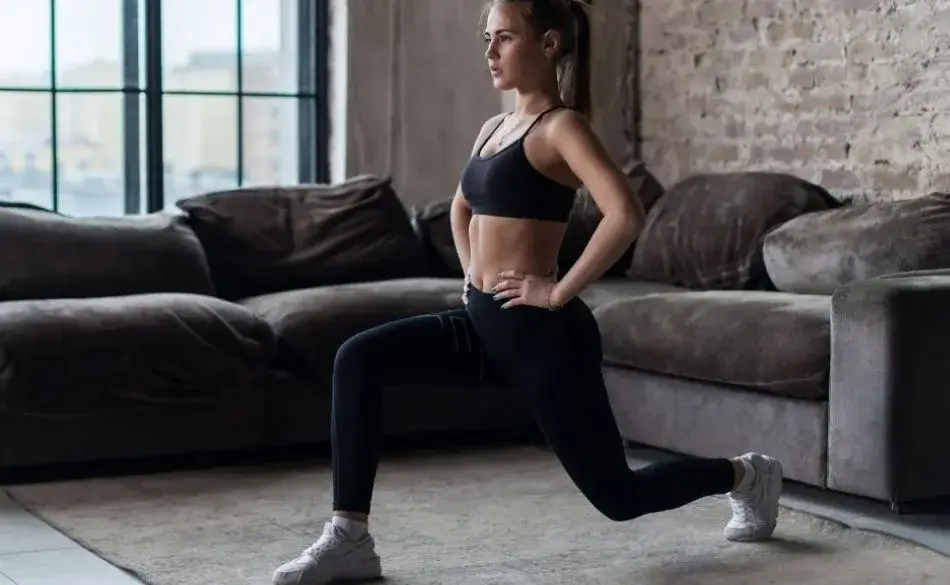
Start standing tall. Step into a long lunge and keep your front knee stacked right above your ankle. Point your toes forward and keep your chest lifted. Already, you should feel your back hip beginning to open.
Here’s where most people go wrong: they arch their lower back to “get deeper.” Instead, tuck your pelvis slightly, like you’re zipping up from your hips toward your ribs. This creates length without stress.
Now squeeze the glute on your back leg. Raise both arms overhead, elbows straight, and fingers reaching tall. Feel the stretch spreading through your hip flexor and across your chest. Breathe slowly, every exhale lets you sink a little taller and steadier.
Want to take it further? Add a small side bend away from your back leg. That simple shift targets your psoas and thigh muscles without straining your spine.
If balance is tricky, no problem. Drop your back knee to the floor. These beginner Samson stretch modifications still give you all the benefits. You can also hold a stick or dowel overhead if your shoulders feel tight, or simply place your hands on your hips.
When should you use it? In warm-ups, move through 6–8 controlled breaths on each side. Before a tough run or lifting session, repeat for two rounds per side. Think quality over quantity. Smooth breathing, steady posture, and controlled reach.
The best Samson lunge stretch technique tips are simple: stay tall, brace your core, and let your hips (not your lower back) do the work. When you finish, notice what feels different. Do your steps feel lighter? Is your chest taller? That’s the stretch doing its job.
Step-by-Step (Quick Reference)
- Stand tall, step into a long lunge.
- Front knee over ankle; back heel lifted.
- Light pelvic tuck; squeeze back glute.
- Arms overhead; ribs down; reach tall.
- Optional: small side bend away from back leg.
- Breathe 6–8 slow breaths; switch sides.
Follow these cues and you’ve nailed how to do a Samson stretch properly with clean, safe alignment.


Samson Stretch Benefits for Athletes and Everyday Movers
The Samson stretch isn’t just another movement to tick off your list, it’s one of the most effective ways to prepare your body for both training and everyday life.
What makes this stretch so powerful is its ability to hit multiple areas at once. Instead of isolating one muscle, it creates a chain reaction that frees up the hips, lengthens the spine, and activates your upper body.
Here are the top benefits athletes notice when they include the stretch consistently:
- Improves hip mobility: By targeting tight hip flexors, it restores natural stride length and reduces strain on the lower back.
- Relieves hamstring tension: The deep lunge position lengthens hamstrings, helping with running efficiency and preventing common pulls.
- Enhances posture: Overhead reach engages the core and opens the chest, countering hours of sitting or desk work.
- Boosts warm-up effectiveness: A dynamic stretch that wakes up the nervous system, bridging the gap between static stretching and explosive movement.
- Supports injury prevention: Looser hips and hamstrings reduce compensations that often lead to knee or back issues.
One of my athletes, Claire, was preparing for a half marathon but constantly complained of a “locked” feeling in her hips. Adding Samson stretches to her warm-up helped her unlock smoother hip extension, and she told me she felt lighter with every stride. Within weeks, her long runs became more comfortable, and her finishing kick improved.
Many endurance athletes think hip mobility begins and ends with lunges. But there’s another key muscle that often gets ignored – the gluteus medius. If this muscle stays tight, it can throw off your stride and cause hip or knee discomfort. That’s why I often recommend pairing the Samson stretch with a focused glute medius release. You can learn a powerful option here: Gluteus Medius Stretch Every Endurance Athlete Should Know.
Whether you're chasing endurance, power, or race-day results, a plan built just for you makes all the difference. Our Cycling Coaching Programs offer personalised training based on your fitness, power, or heart rate data, so every ride counts toward your goals.
- Weekly customized plans built around your goals, schedule, and fitness level
- Programs based on heart rate, power, or RPE ideal for races, endurance, or performance builds
- 24/7 coach support with feedback and adjustments via TrainingPeaks
- Flexible, no long term commitment monthly plans with a 90 day performance guarantee
Ride smarter, stay motivated, and unlock your potential.
Start Your Coaching Today →

Common Mistakes With the Samson Stretch (And How to Fix Them)
Even though the stretch looks straightforward, it’s easy to slip into habits that reduce its effectiveness or even cause discomfort. The good news? A few small adjustments can fix most issues.
Here are the most common mistakes I see athletes make during this stretch and how to avoid them:
- Arching the lower back: Many people lean back to “feel more stretch,” but this puts stress on the spine. Instead, tuck your pelvis gently and keep your ribs down.
- Front knee drifting forward: If your knee passes far beyond your toes, pressure builds in the joint. Keep your shin vertical and weight balanced.
- Letting shoulders shrug: Reaching overhead doesn’t mean hunching. Relax your shoulders while keeping arms tall.
- Holding the breath: Breath-holding locks tension in the wrong places. Slow, steady breathing helps your muscles release.
- Skipping glute engagement: Forgetting to squeeze your back-side glute reduces hip extension. Keep that muscle active for maximum benefit.
If you’re unsure about your form, try filming yourself from the side. You’ll quickly see if your back is arching or your front knee is sliding forward. Small tweaks here make a huge difference in comfort and effectiveness.
I often remind athletes that the stretching should feel like a release, not a strain. When done right, you’ll feel a balanced pull across your hip and chest, without sharpness or pinching. If it feels forced, ease back, reset, and try again. The stretch works best when you move into it with patience and control.
Mastering these basics will give you the confidence to include the Samson stretch in any warm-up or recovery routine without worrying about overdoing it.
Opening up your hips is only part of the recovery puzzle. Many athletes also deal with lingering tightness through the spine after long sessions. Adding a few back stretches after your workout can help ease stiffness, improve posture, and make recovery feel smoother. For a detailed routine, check out this guide: Back Stretching After Workout.


What Variations of the Samson Stretch Can You Try?
The beauty of the Samson stretch is its flexibility. You can adapt it to your level and goals without losing its core benefits. Whether you’re new to stretching or a seasoned athlete, there’s a variation for you.
Beginner-friendly versions focus on stability. If balance is a challenge, simply drop your back knee to the floor. This makes the stretch less wobbly but still highly effective. Another option is to keep your hands on your hips instead of reaching overhead. This reduces shoulder strain while you get used to the lunge position.
For athletes who want more, advanced progressions can be layered in:
- Overhead side bend: From the lunge, bend slightly away from your back leg. This deepens the stretch into your psoas and obliques.
- Torso rotation: Rotate your arms and chest gently toward the front leg. This opens your spine and targets the inner hip.
- Dynamic Samson walk: Instead of holding the lunge, step forward into each new rep. This makes it more active and great for warm-ups.
- Loaded variation: Hold a light plate or dumbbell overhead to challenge stability and build shoulder strength.
When programming these variations, match them to your goals. If you’re preparing for a run, dynamic steps might fit best. If you’re cooling down after lifting, the static overhead version will help you relax into the stretch.
While the Samson stretch is more controlled and steady, some athletes also explore faster, bouncing-style movements known as ballistic stretching. This method can be useful in very specific situations but needs to be approached with care. If you’re curious about when and how to use it safely, here’s a complete guide: Ballistic Stretching: The Ultimate Guide.


When and How Often Should You Use the Stretch?
The Samson stretch is one of those movements that works in almost any setting. The key is knowing when to use it and how much is enough for your body.
As a warm-up: Most athletes find 1–2 rounds of 20–30 seconds per side helps open the hips and prime the nervous system before running, lifting, or cycling. Using the stretch dynamically (moving in and out of the lunge) can be especially useful before explosive sessions.
Post-training recovery: After workouts, the stretch works well as a longer hold. Aim for 30–60 seconds per side, breathing deeply and allowing the hips to release. This is when you’ll notice tension melting away.
Daily mobility breaks: Even if you’re not training, short bouts during the day help counteract the effects of sitting. Two or three sets of 20 seconds per side during work breaks can keep your hips loose and back happy.
So how often should you really do it? Most athletes benefit from 4–6 sessions per week. The consistency matters more than the duration. I’ve coached athletes who felt noticeable changes after just two weeks of daily Samson stretches. Their stride felt smoother, and nagging tightness that once held them back was gone. The stretch isn’t a miracle fix, but with steady use, it becomes one of the most reliable tools in your mobility kit.
Such commitment and progress deserve to be celebrated. Many athletes opt for Custom Enamel Pins, incorporating their unique sports logos or personal mottos into the design.
Whether presented to teammates who share the journey or kept as a personal token of growth, these custom enamel pins stand as a testament to perseverance and add extra motivation to the next training session.
Training for triathlon isn’t just about grinding through workouts, it’s about balancing all three sports while staying healthy and consistent. Our Triathlon Coaching Programs provide structured, personalized plans that integrate swimming, cycling, and running with smart recovery, fueling, and pacing strategies.
- Customized triathlon plans tailored to your race distance and schedule
- Balanced training structure so no discipline is overlooked
- Expert support on transitions, fueling, and race day execution
- Delivered via TrainingPeaks with ongoing feedback and adjustments
- No lock in contracts flexible monthly coaching with proven results
Stay consistent, avoid burnout, and get the confidence to race at your best.
Start Triathlon Coaching →
Who Should Prioritize the Samson Stretch?
The Samson stretch has value for almost everyone, but some groups gain even more from it. If you fall into one of these categories, this stretch deserves a permanent spot in your routine.
Runners: The lunge position directly lengthens hip flexors, which are often shortened from miles of forward motion. Improved hip extension means longer, more efficient strides.
Cyclists: Hours in the saddle put hips and lower backs into constant flexion. The stretch helps reverse that posture, opening the chest and easing lumbar stress.
CrossFit and strength athletes: This movement shows up in many CrossFit warm-ups for good reason. It primes the nervous system and sets up the body for lifts that demand overhead mobility and hip power.
Desk workers: Sitting all day might be the number one reason people develop tight hips. Just a few rounds of the Samson stretch during the workday can undo hours of stiffness.
People with back discomfort: While it’s not a cure-all, many athletes notice reduced tension in their lower back once their hips loosen up. By stretching the hip flexors, the Samson stretch often eases pressure on the lumbar spine.
One of my athletes, Luke, worked in IT and often complained of stiffness after long shifts. When we added the Samson stretch twice daily (once at work, once before training) he felt more upright, and his back pain during runs slowly disappeared.
If you identify with any of these situations, ask yourself: why keep pushing through stiffness when one stretch could unlock so much freedom in your movement? The Samson stretch doesn’t take long, but its benefits ripple across training and daily life.
Static stretches like the Samson are great, but sometimes athletes want extra support to go deeper or stay consistent with mobility. That’s where stretching machines come in handy. They can help runners, cyclists, and triathletes target stubborn areas and recover faster after hard sessions. To see which options might fit your training, explore this guide: Stretching Machines for Cyclists, Runners & Triathletes.


Why Does the Samson Stretch Stand Out From Other Stretches?
There are hundreds of stretches out there, so what makes the Samson stretch different? The answer lies in how much it does at once. Instead of isolating one area, it connects the dots between your hips, hamstrings, shoulders, and spine.
Take a basic quad stretch, for example. It targets one muscle, but it doesn’t address posture. A hamstring stretch helps lengthen the back of your legs, but it won’t open your chest. The stretch combines both, giving you the benefits of multiple movements in one fluid position.
Another reason it stands out is the way it mimics real movement. The lunge with arms overhead looks a lot like the extension phase of running or the top of a stride in sprinting. By practicing it, you’re not just getting more flexible, you’re teaching your body to move more naturally in athletic patterns.
It also works as both a warm-up and a recovery tool. Few stretches can do both without compromise. Because it can be performed dynamically or statically, the Samson stretch bridges that gap. It can wake up your body before training or calm it down after hard effort.
From a coaching perspective, I often recommend it over isolated stretches because athletes have limited time. If you only had two minutes before a workout, the Samson stretch would deliver the most return. It’s efficient, practical, and adaptable. Qualities that matter for busy athletes balancing training with daily life.