What Exactly Do Toe Spacers Do?
When you run, your toes naturally want to spread out with each step. This spreading helps balance your weight and absorb impact. But modern shoes squeeze your toes together, limiting that movement. Over time, this tight positioning can lead to poor foot alignment, toe crowding, and even metatarsal pain.
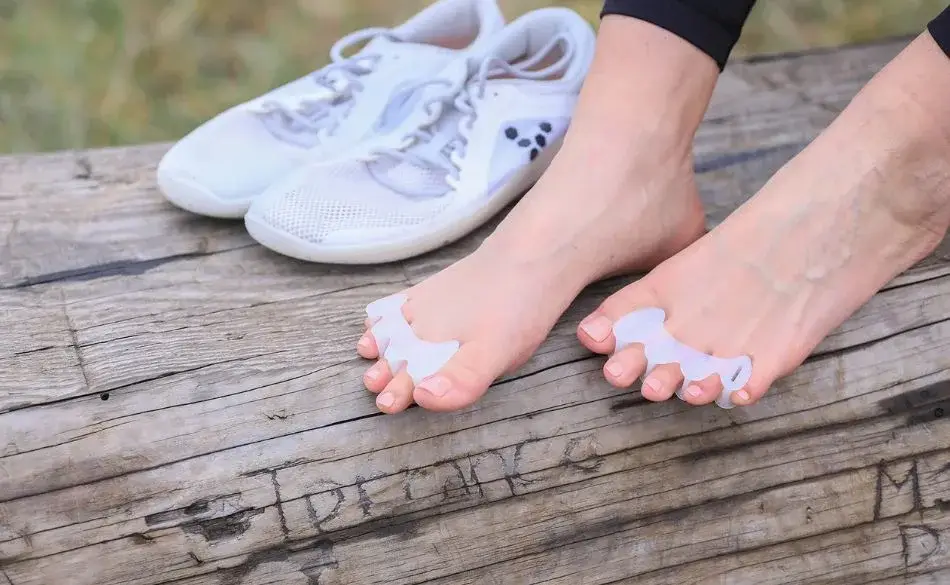
Toe spacers gently restore the natural distance between your toes. By separating and realigning them, they allow your foot to splay as nature intended. This not only improves balance but also enhances running stability and efficiency. When your toes can move freely, your foot muscles engage more effectively, strengthening your arches and promoting healthier toe mobility.
Studies show that regular use of toe spacers for runners can reduce forefoot pressure and may help lower strain on the plantar fascia, potentially reducing discomfort over time. They also encourage a more neutral running posture by distributing weight evenly across your toes. Many runners feel an immediate difference after a few runs with toe spacers in their recovery routine. You may notice less tightness, better grip, and improved awareness of your foot strike.
Here’s the thing about running form: it starts from the ground up. If your toes are misaligned, your knees, hips, and back all compensate. Over time, that imbalance can create overuse injuries. Using toe separators for runners helps your feet regain more natural movement patterns that support stability and balance.
Most athletes start by wearing them for short periods, such as after a run or during cooldown. As your feet adapt, you can wear toe spacers during recovery sessions or while walking around the house. The goal is gentle, consistent use, not forcing your feet into change overnight.
If you often finish runs with sore or tired feet, you’ll find more insights in our guide on why your feet hurt after running, where we break down the main causes and how to fix them for good.
Level up with one-to-one guidance, structured training blocks, and clear feedback. Our Running Coaching program delivers a plan that fits your goals, schedule, and current fitness so you can progress with confidence.
- Custom training plan: weekly sessions tailored to your pace, terrain, and race timeline
- Coach feedback: form cues, pacing strategy, and adjustments after key workouts
- Injury-smart progress: load management, recovery weeks, and strength add-ons to stay consistent
- Race-day strategy: fueling, warm-up, and split targets so you run your best
Get structure, support, and a clear path forward. Build fitness, avoid setbacks, and enjoy every run.
Start Personalized Coaching Today →
The Benefits of Toe Spacers for Runners
When runners first hear about toe spacers, many assume they’re just for yoga or pedicures. But the truth is, these small devices can have a big effect on your running performance and long-term foot health. Once your toes are allowed to spread and move freely, you’ll feel changes not only under your feet but throughout your stride.
One athlete I coach began using toe spacers for runners after dealing with recurring foot pain and poor balance on long runs. Within a month, she noticed her posture improving and her feet feeling more grounded. That improved stability carried into her tempo workouts, helping her run smoother and recover faster.
The benefits of toe spacers go beyond comfort. They can improve the way your feet interact with the ground, enhance balance, and even strengthen the small stabilizing muscles in your feet that support your arches and ankles. Over time, this foundation can make your stride more efficient and reduce the risk of common injuries such as plantar fasciitis or metatarsal pain.
- Better balance and stability: Restored toe alignment increases surface contact, improving control during each step.
- Improved running form: When your toes spread naturally, your foot strike becomes more even, which supports better posture and rhythm.
- Reduced injury risk: By easing tension in the plantar fascia and Achilles, toe spacers help prevent overuse injuries.
- Stronger foot muscles: Encourages the small stabilizing muscles to work harder, leading to stronger arches and better propulsion.
- Enhanced recovery: Wearing toe spacers during recovery helps blood flow and relaxation after tough sessions.
Think of toe spacers as a gentle retraining tool for your feet. Instead of relying only on shoes or insoles, they bring strength and alignment back where it matters most. Over weeks of use, you’ll likely notice smoother transitions, steadier landings, and even fewer blisters thanks to a more natural toe spread.
For further scientific insight into how toe separators are used in therapeutic settings and clinical rehabilitation, see this systematic review of toe separators in physiotherapy.

How to Use Toe Spacers for Running and Recovery
Learning how to use toe spacers correctly can make all the difference in your results. While they may look simple, the way you wear them and when you use them matters. The key is to let your feet adapt slowly, just as you would with new running shoes or a new training plan.
Start by wearing your toe spacers for runners after your workouts or during relaxation periods at home. This allows your muscles and joints to adjust without pressure from shoes. As your comfort improves, you can gradually increase wear time or try walking short distances while using them. Avoid running with them immediately, let your body adjust first.
Here’s a practical guide based on current podiatric recommendations and athlete feedback:
👉 Swipe to view full table
| Stage | Duration | Focus | Expected Benefits |
|---|---|---|---|
| Adaptation Phase | 5–10 minutes per day for 1 week | Wear after runs or stretching | Improved comfort, early muscle activation |
| Adjustment Phase | 15–30 minutes daily for weeks 2–3 | Include during cooldown or short walks | Better toe alignment, reduced tension in forefoot |
| Integration Phase | 30–60 minutes daily by week 4 | Use while working, stretching, or post-run recovery | Stronger foot posture, enhanced balance, better toe mobility |
By adding toe spacers into your recovery plan, you train your feet to return to their natural state. Over time, this creates a stronger, more stable foundation that carries you through every stride.


When Should You Wear Toe Spacers?
Knowing when to wear toe spacers is just as important as how you use them. Many runners assume they should wear them all day, but gradual and strategic use is more effective. The right timing depends on your goals, whether that’s improving foot alignment, easing plantar fasciitis discomfort, or supporting post-run recovery.
Most podiatrists and coaches recommend wearing toe spacers for runners during recovery or low-impact periods. After a long run, your toes are often compressed inside your shoes, which limits natural toe mobility. Allowing them to spread freely during rest helps release tension and promotes comfort. You can also wear them while stretching or relaxing at home, when your feet are not under load. This simple habit supports natural alignment without adding strain.
Some runners find short morning sessions helpful, especially if they wake up with stiff feet or tight arches. Even 10–15 minutes of gentle use may help improve circulation and prepare the small muscles of the foot for the day. While there’s limited direct research on timing, using toe spacers during recovery is safe and supported by podiatric practice for enhancing comfort and balance over time.
- After training: Ideal for post-run recovery to reduce compression and ease tension in the forefoot.
- Before bed: Helps restore toe alignment and offset the effects of tight footwear during the day.
- During mobility sessions: Useful while stretching or performing foot strengthening exercises.
- Morning stiffness: Gentle use can promote flexibility and light activation of the intrinsic foot muscles.
For endurance athletes, consistency matters more than duration. Incorporating toe spacers into your daily routine can help maintain the natural mechanics that support running balance and comfort. Over time, these small improvements contribute to stronger, more adaptable feet that handle training stress more effectively.
Every successful marathoner knows recovery isn’t just a bonus — it’s a key part of consistent progress. Our Marathon Training Plan helps you build endurance and speed while managing fatigue through structured recovery. Each week is carefully designed to balance hard efforts with smart rest, keeping your legs strong and your motivation high.
- Balanced programming: includes long runs, intervals, and active recovery sessions that build strength without overload
- Recovery built in: mobility routines, cooldown stretches, and easy runs designed to accelerate repair
- Adaptable for all levels: whether chasing your first marathon or a personal best, each plan adjusts to your pace and experience
- Coach support: guidance from experienced running coaches who monitor progress and fine-tune your sessions
Build endurance with purpose, recover with intention, and train smarter for your next marathon.
Explore Marathon Training Plans →

Do Toe Spacers Actually Improve Running Performance?
Many runners wonder whether toe spacers can actually make them faster or more efficient. While they won’t magically shave minutes off your pace, they can influence the foundation that supports your performance (your feet). By improving toe alignment, balance, and foot stability, you may notice subtle but meaningful changes in your stride over time.
When your toes can splay naturally, the entire foot absorbs impact more evenly. Studies have shown that improved toe mobility increases contact area with the ground, which enhances running stability and reduces stress on the knees and hips. Better stability can translate into smoother, more confident movement, especially during long runs or technical terrain.
However, the performance benefits are mostly indirect. Toe spacers for runners help restore natural function, but they work best as part of a complete foot-strengthening routine. Combining them with barefoot walking, balance drills, or foot strengthening exercises can make your results far more noticeable. Think of toe spacers as a training accessory that helps your feet perform the way they were designed to. Not as a shortcut to better race times.
From a coaching perspective, I’ve seen runners report more comfort and less fatigue in long-distance events after using toe spacers consistently. This is likely due to improved posture and reduced overpronation, not direct performance enhancement. It’s similar to how good mobility work or stretching improves form. The payoff comes from better movement quality, not raw speed.
- Pros: Improved balance, comfort, and running efficiency over time. Supports recovery and injury prevention.
- Cons: Minimal impact on raw speed. Requires consistency to see lasting changes. Some runners find them uncomfortable at first.
In the end, toe spacers don’t replace smart training or strong mechanics, but they do help create the foundation for both. When used consistently, they promote a healthier stride and make every step feel more natural and controlled.


Toe Spacers and Injury Prevention
For runners, preventing injuries often comes down to maintaining strong, balanced, and aligned feet. That’s where toe spacers can make a noticeable difference. While they might not look like traditional recovery gear, they help correct small misalignments that often lead to bigger problems over time.
When your toes are compressed, the arches of your feet lose stability. This can increase strain on the plantar fascia, Achilles tendon, and calves. By gently restoring toe alignment, spacers help distribute pressure more evenly with each stride. This balance reduces the risk of overuse issues like plantar fasciitis, metatarsal pain, and bunions. Common injuries that can sideline even experienced runners.
One of the less discussed benefits of toe spacers for runners is their impact on proprioception (your body’s ability to sense position and movement). By allowing the toes to spread, they increase sensory feedback from the ground. That means better balance and coordination, which can prevent slips, missteps, and overpronation-related injuries. Think of it as giving your brain clearer information about how your feet are landing.
It’s also worth noting that toe spacers during recovery can help loosen tight foot muscles after long training blocks. This gentle stretch promotes blood flow and keeps tissues supple, making your next run smoother. Combined with foot strengthening exercises like calf raises and towel scrunches, toe spacers form a complete system for maintaining durable, resilient feet.
Injury prevention is about consistency, not quick fixes. Adding toe spacers to your weekly routine gives your feet time to realign and recover naturally. The payoff is fewer flare-ups, less downtime, and a stride that feels balanced, light, and strong. Exactly what every runner wants.
If you’ve ever experienced tingling or numbness during your runs, check out our complete guide on foot numbness when running to learn what causes it and how small changes (like using toe spacers) can help prevent it. For more ways to boost recovery and reduce soreness after tough runs, check out our guide on recovery ice bath vs sauna benefits – it explains how temperature-based recovery methods can support your training.


Different Types of Toe Spacers
When it comes to toe spacers, there’s more variety than you might expect. They differ by material, structure, and intended use. Understanding those differences helps you choose the one that’s safest and most effective for running and recovery.
Types of Toe Spacers
👉 Swipe to view full table
| Type | Material / Structure | Best Use Case | Trade-offs for Runners |
|---|---|---|---|
| Gel / soft silicone spacers | Flexible medical-grade silicone or gel loops / blocks | Recovery, gentle alignment, passive wear | Very comfortable, but may shift during activity |
| Rigid or semi-rigid spacers | Harder plastic, composite, or firm silicone | Corrective alignment, bunions | May restrict movement or cause friction if used during running |
| Adjustable / modular spacers | Spacers with movable parts or adjustable sizing (e.g. “Correct Toes style”) | Custom fit, progressive spacing | More expensive; needs careful adjustment for symmetry |
| Foam or gel toe caps / sleeves | Individual caps or sleeves for one toe or between toes | Protecting toes, easing friction, minor separation | Too light for deep alignment work; useful supplementary tool |
| Integrated toe socks / toe-separator socks | Socks with built-in separators between toes | Daily wear, mild separation, low-impact movement | Less aggressive separation; okay for warmups, walking |
If you’re looking to improve comfort and performance through better footwear choices, explore our guide on marathon running shoes that will change the way you race. It covers how the right shoe design can complement toe alignment and enhance your stride efficiency.

Which Spacer Types Should Runners Use?
For runners, the best spacers are those that aid alignment without interfering with movement or causing friction. Based on current practice and expert advice, here’s what works well:
- Active / moderate gel silicone spacers are a top pick. They provide gentle separation and remain flexible enough to move with your toes while walking or light running.
- Adjustable / modular spacers (like “Correct Toes style”) give you more control over spacing. Some models are designed to be worn during light activity or in minimalist shoes.
- Rigid spacers are best reserved for recovery or alignment sessions, not running. Their stiffness makes them less forgiving under load.
- Toe socks with separators can be a good backup, especially for warmups or less intense runs. They don’t push too hard but maintain mild separation.
Runner’s Selection Tips
- Always choose a spacer size that fits your toe width and foot shape. Too aggressive a spacer leads to irritation or misalignment.
- Use spacers designed to work inside wide or minimalist shoes if you plan to use them during walking or light running. Too-wide spacers can be crushed or shift in normal shoes.
- Start with recovery wear (gel or silicone) before trying active use. Let your toes adapt first.
In short, if you’re a runner, go for flexible gel or modular spacers that suit movement while still providing support. Avoid ultra-rigid types for active use. When you’re ready, the right one helps maintain toe alignment, balance, and foot health over the long haul.


Conclusion – Why Toe Spacers Deserve a Spot in Every Runner’s Kit
Running is one of the simplest, most natural movements, yet modern footwear and long training hours often work against that natural design. Over time, your toes lose the ability to spread, your arches weaken, and your balance shifts. That’s where toe spacers come in, helping you rebuild what running shoes have taken away.
By restoring toe alignment, improving foot posture, and reducing tension in the plantar fascia, these small tools can make a meaningful difference to your comfort and form. They don’t promise instant performance gains, but they give you the foundation to run more efficiently and stay injury-free. For most athletes, consistent use during recovery or light daily wear leads to noticeable changes within a few weeks.
As a coach, I’ve seen athletes regain balance, reduce foot pain, and rediscover what natural movement feels like. The best part is that it doesn’t take fancy equipment or huge lifestyle changes , just a few minutes a day and a willingness to care for the foundation of your stride. Small habits, repeated often, lead to lasting results.