What Makes Triathlon Wetsuits Different?
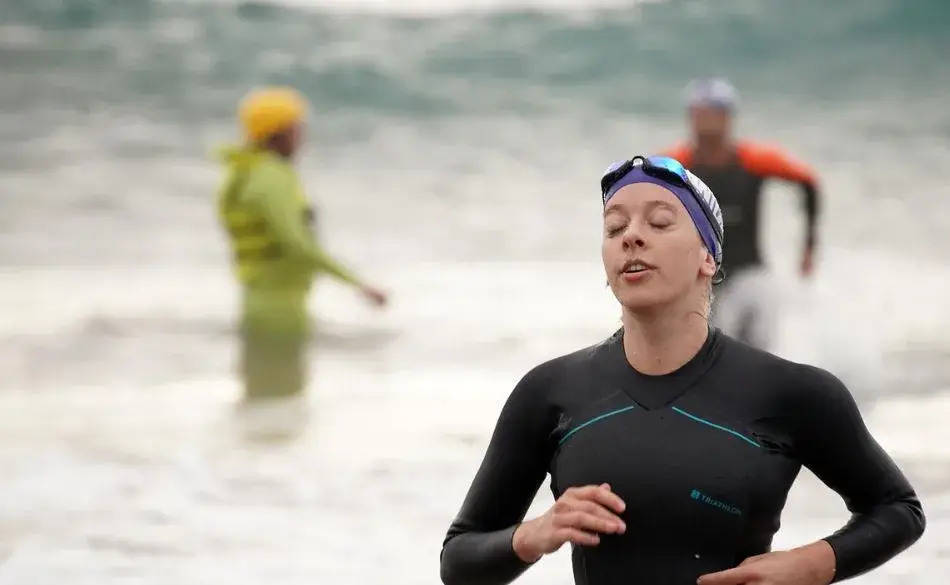
A triathlon wetsuit is engineered with swimming performance in mind, using advanced materials and strategic design features that prioritize flexibility, speed, and comfort.
Unlike surf or scuba wetsuits, which are built for warmth and abrasion resistance, triathlon wetsuits typically use smooth-skin neoprene – a hydrophobic material that repels water to reduce drag. The thickness of the neoprene varies across the suit. Thicker panels (up to 5mm) in the lower body help increase buoyancy, especially for the hips and legs, keeping swimmers in a more streamlined position.
In contrast, the arms and shoulders often use ultra-thin neoprene (1.5–2mm) or composite materials like Yamamoto #39 or #40 neoprene, offering greater flexibility for shoulder rotation. Some high-end suits even feature SCS (Super Composite Skin) coatings that further reduce water friction.
Many models also include features like:
- Catch panels in the forearms to enhance stroke propulsion
- Low-profile collars to minimize chafing and water entry
- Tear-away cuffs for fast transitions
Each design element serves one goal: helping you swim faster with less effort.
Why Triathlon Wetsuits Matter in Australian Conditions
Australia’s diverse climate zones – from Tasmania’s chilly waters to Queensland’s tropical bays—mean athletes must carefully consider temperature variability, water salinity, and surf conditions when choosing a wetsuit.
According to Triathlon Australia’s rules, wetsuits are:
- Mandatory under 14°C
- Optional between 14°C and 24.5°C
- Not permitted above 24.5°C
That’s a wide range, especially when you consider coastal events like the Noosa Triathlon (warm) vs. the Geelong 70.3 (cool). Water density also plays a role. Saltwater is more buoyant than freshwater, so your wetsuit might perform differently depending on where you race.
In rougher ocean swims (like Port Macquarie or Western Australia), the extra buoyancy and protection from a wetsuit can help conserve energy and reduce panic when conditions get choppy. If you’re targeting longer events, this guide to IRONMAN 70.3 races in Australia covers what to expect at major race venues, including swim conditions and gear tips.
Even strong swimmers benefit from added flotation, as it improves body alignment and reduces drag—leading to faster splits with less fatigue heading into T1.

How Should a Triathlon Wetsuit Fit?
Fit is the most critical factor for comfort and performance. A poorly fitted suit can sabotage even the best training.
Here’s what to check:
Torso and Chest: Should feel snug, almost compressive, but never restrict your ability to breathe deeply. If it pinches or gaps under the armpits, it’s a red flag.
Shoulders: Must allow full mobility without significant resistance. Look for pre-shaped or “bio-stretch” zones that mimic your natural range of motion.
Legs and Ankles: Should taper cleanly with minimal gaps. A good fit here ensures quicker removal in transition and prevents ballooning.
Neck: Should seal well without causing rubbing or discomfort. Some brands offer adjustable or low-profile collars to reduce chafing.
Back and Zip Area: Smooth contact with the spine and minimal pooling or folds. Most suits use a back zipper, but newer designs may offer breakaway or chest zip options for faster transitions.
Fit varies by brand. European suits tend to run leaner and longer, while others like Blueseventy or ROKA may suit broader athletes. If you’re between sizes, opt for the one that offers shoulder freedom. Even if it’s slightly looser elsewhere.
How Should a Triathlon Wetsuit Fit?
Fit is the most critical factor for comfort and performance. A poorly fitted suit can sabotage even the best training.
Here’s what to check:
Torso and Chest: Should feel snug, almost compressive, but never restrict your ability to breathe deeply. If it pinches or gaps under the armpits, it’s a red flag.
Shoulders: Must allow full mobility without significant resistance. Look for pre-shaped or “bio-stretch” zones that mimic your natural range of motion.
Legs and Ankles: Should taper cleanly with minimal gaps. A good fit here ensures quicker removal in transition and prevents ballooning.
Neck: Should seal well without causing rubbing or discomfort. Some brands offer adjustable or low-profile collars to reduce chafing.
Back and Zip Area: Smooth contact with the spine and minimal pooling or folds. Most suits use a back zipper, but newer designs may offer breakaway or chest zip options for faster transitions.
Fit varies by brand. European suits tend to run leaner and longer, while others like Blueseventy or ROKA may suit broader athletes. If you’re between sizes, opt for the one that offers shoulder freedom—even if it’s slightly looser elsewhere.


Full Sleeve vs Sleeveless: Which One is Better?
This choice comes down to swim conditions, body temperature regulation, and personal biomechanics.
Full Sleeve Benefits:
- Thermal insulation: Crucial for early season races or southern states where water is consistently under 20°C.
- Buoyancy: Sleeves increase total body floatation, improving efficiency.
- Reduced drag: Smooth-skin arms glide better through water than exposed skin.
Sleeveless Benefits:
- Freedom of movement: Ideal if you have broad shoulders or prefer an unrestricted stroke.
- Better cooling: Helpful in warmer waters where overheating is a risk.
- Faster donning and doffing: Great for shorter distances or duathlon-style events.
If you’re doing multiple races across different regions, consider having one of each. Or, go modular, a growing trend where wetsuits feature removable sleeves.
Best Triathlon Wetsuits Available in Australia
| Model | Best For | Key Features | Price (AUD) |
|---|---|---|---|
| Orca 3.8 Enduro | Long-course triathletes | 0.88 Free neoprene, Aerodome buoyancy panels | $799 |
| Zone3 Advance | Beginner and club-level | SpeedFlo coating, 2mm shoulders | $399 |
| 2XU Propel Pro | Elite competitors | Rollbar core panels, nano SCS coating | $999 |
| Blueseventy Fusion | Intermediate triathletes | Flexible shoulder panels, VO2 chest panel | $589 |
| ROKA Maverick Pro II | High-performance racing | Arms-up design, RSX buoyancy profile | $1,099 |
| Deboer Fjord 2.0 | Cold water races | GlideSkin Air-Cell neoprene, thermal lining | $1,299 |
| Sumarpo Vanguard | Eco-conscious triathletes | Yamamoto rubber, biodegradable packaging | $659 |
| HUUB Aerious II | Triathletes needing extra buoyancy | 3:5 buoyancy ratio, Breakaway Zipper | $749 |
How Do I Choose the Right Wetsuit?
Start by identifying:
- Your race distances and frequency
- Water conditions in your target events
- Swim stroke mechanics and comfort needs
- Budget and potential for resale or upgrades
Look beyond just neoprene thickness. Consider torso flexibility, panel design, and brand-specific innovations like core-stability inserts or hip-lifting panels. These small design tweaks can translate to major time savings in the water.
If you’re a newer swimmer who tends to sink at the hips, choose a suit with more lower-body lift (like the Blueseventy Fusion). If you’re lean and fast in the water, prioritize shoulder flexibility and minimal drag (such as the ROKA Maverick Pro II). Understanding your swim ability can also help you choose the right suit. If you’re unsure where you stand, this guide on average time to swim a mile provides a great benchmark.
Are Used Wetsuits Worth It?
Used wetsuits can offer excellent value, but come with caveats.
What to check:
- Neck seals: Cracked neoprene here ruins the suit
- Zipper integrity: Broken or salt-stiffened zips are a dealbreaker
- Elbow/knee panels: Thinner material here often wears out first
- Internal lining: Mold, chlorine damage, or excessive stretching
Only buy used from trusted sources or in-person so you can inspect. Wetsuits that have been exposed to chlorine pools tend to lose elasticity quickly due to neoprene degradation.

Insider Tips for Australian Triathletes
Want your suit to last and work at its best?
Train in race conditions: Practice entries, exits, and fast removal under pressure. If you’re not sure where to start, this 1-hour swim workout for triathletes is perfect for building open-water confidence in your wetsuit.
- Use glide products: Especially on ankles and wrists for quicker transitions
- Flip it inside out to remove: Saves time and prevents damage
- Shade dry only: UV rays break down neoprene faster than you think
- Store it rolled, not folded: Prevents permanent creases that affect fit
Also, rinse it after every saltwater swim. Salt dries out and stiffens neoprene over time.
Current Trends in Triathlon Wetsuits
1. Eco-Friendly Materials and Sustainability
More manufacturers are shifting toward environmentally conscious materials without compromising performance. This shift supports athletes who want to race hard while reducing their environmental impact.
- Yulex® Natural Rubber: A plant-based, renewable alternative to neoprene. It offers similar flexibility, insulation, and durability.
- Limestone Neoprene: Mined rather than petroleum-based, it lowers the environmental footprint and offers better elasticity and insulation.
- Water-Based Glues and Recycled Linings: Solvent-free adhesives and recycled polyester linings are now used by leading wetsuit brands to reduce toxic runoff and material waste.
Companies like Sumarpo and Matuse are front-runners in developing performance-driven eco wetsuits specifically for triathlon.
2. Buoyancy and Body Positioning Technology
To maximize speed and efficiency, wetsuits are designed to correct swim posture—particularly helpful for athletes who sink at the hips or lack core engagement during longer swims.
- Graduated Buoyancy Panels: Thicker neoprene in the hips and legs helps lift the lower body, keeping swimmers in a more horizontal, hydrodynamic position.
- Core Support Systems: Panels in the lower back and abdomen stabilize the trunk, reducing the risk of sinking or arching through the swim.
These features help you conserve energy and maintain form—even when fatigue sets in during an Olympic or Ironman swim leg.
3. Flexibility and Range of Motion
Modern wetsuits prioritize shoulder and upper-body freedom to reduce fatigue and allow a natural, unrestricted stroke cycle.
- Ultra-Thin Shoulder Panels: 1.5–2mm neoprene in the shoulders and arms maximizes mobility without tearing or overstretching.
- Ergonomic Panel Mapping: Wetsuits are now designed using body-mapped seams that follow the body’s anatomy, reducing resistance and improving stretch where it matters most.
Less shoulder restriction means faster arms and less fatigue. Especially helpful during long open-water swims or rolling surf conditions.
4. Hydrodynamic Surface Coatings
Reducing friction with the water is critical to shaving seconds off your swim. The latest wetsuits are coated with ultra-smooth skins that help you cut through like a torpedo.
- Super Composite Skin (SCS): Creates a slick outer surface that dramatically lowers drag and improves hydrodynamic performance.
- Nano Coatings: Advanced treatments that repel water more effectively and resist wear from salt, sand, and sun exposure.
These coatings not only improve speed but also make suits easier to clean and more resistant to abrasion over time.
5. Thermal Regulation and Comfort
Staying warm without overheating is key. Esspecially in unpredictable Australian coastal weather. New wetsuits are adapting with smarter inner linings and better breathability.
- Heat-Retaining Linings: Brushed fleece or hollow-fiber linings trap warmth while wicking away moisture, helping maintain core temperature in cold water.
- Ventilation Panels: Strategically placed panels that allow heat to escape during high-intensity efforts or warmer swim starts.
This means more comfort for longer events and fewer energy dips caused by sudden temperature swings mid-race.
6. Modular and Customizable Designs
Not all swimmers and not all race days are the same. Modular designs now give athletes the flexibility to adapt their wetsuit to different conditions or preferences.
- Removable Sleeves: Ideal for warmer races or those who want full mobility without sacrificing core warmth.
- Custom-Fit Services: Some manufacturers offer tailored wetsuits based on body scans or measurements, providing an exact fit without pressure points or drag pockets.
This level of customization helps both beginner and elite triathletes get the most out of their investment and comfort.
7. Smart Tech Integration
While still niche, some wetsuit manufacturers are integrating wearable tech to provide swimmers with real-time data during training and racing.
- Embedded Sensors: Track stroke efficiency, heart rate, and distance in real-time, feeding directly to compatible apps or watches.
- App Integration: Syncs wetsuit data with training software for post-swim analysis and performance tracking.
This technology is still emerging, but early adopters are already benefiting from feedback that helps refine swim technique and pacing.
FAQ: Your Most Asked Questions
Can I swim in a surf wetsuit?
How long should a triathlon wetsuit last?
Are wetsuits allowed in every triathlon?
Should I size down if I’m between sizes?
Can I wear a rashie under my wetsuit?


Wrap-Up: The Right Wetsuit Makes All the Difference
Buying a triathlon wetsuit in Australia is part technical decision, part personal journey.
You’re not just shopping for neoprene. You’re investing in a suit that keeps you calm in cold water, smooth in surf, and fast in transition. The right wetsuit won’t just help your time, it’ll help your mindset and your results.
For a wide selection of triathlon wetsuits catering to various skill levels and preferences, consider exploring Wetsuit Warehouse. They offer an extensive range of options suitable for Australian conditions.