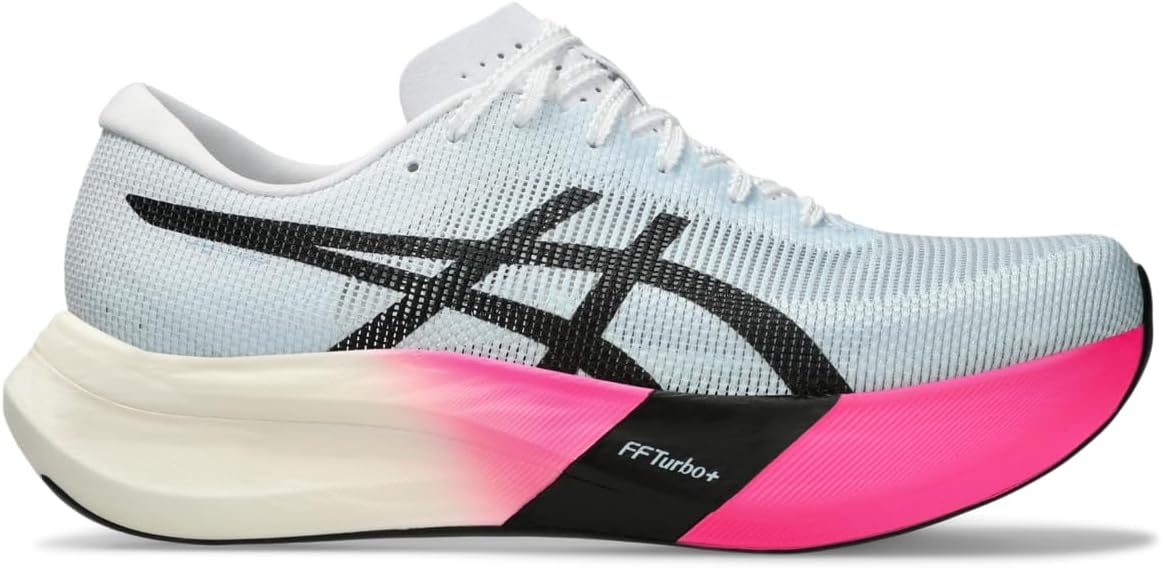
What Is Underpronation and How to Tell If You Have It
Underpronation, also called supination, is when your foot doesn’t roll inward enough after it lands. Instead, more weight stays on the outside edge. That small change can load your ankles, calves, and knees more than they’re built to handle.
In a healthy pattern, called neutral pronation, your arch compresses a little and the foot rolls inward just enough to absorb shock and push you forward. With underpronation, that inward roll is limited, so impact travels up the leg and can irritate tissues over time.
How can you tell if it’s happening to you? Start simple:
- Wet foot test for underpronation – Wet your foot, step on cardboard, and look at the print. If you see a narrow shape with most of the arch missing, you likely have high arches, which often pair with underpronation.
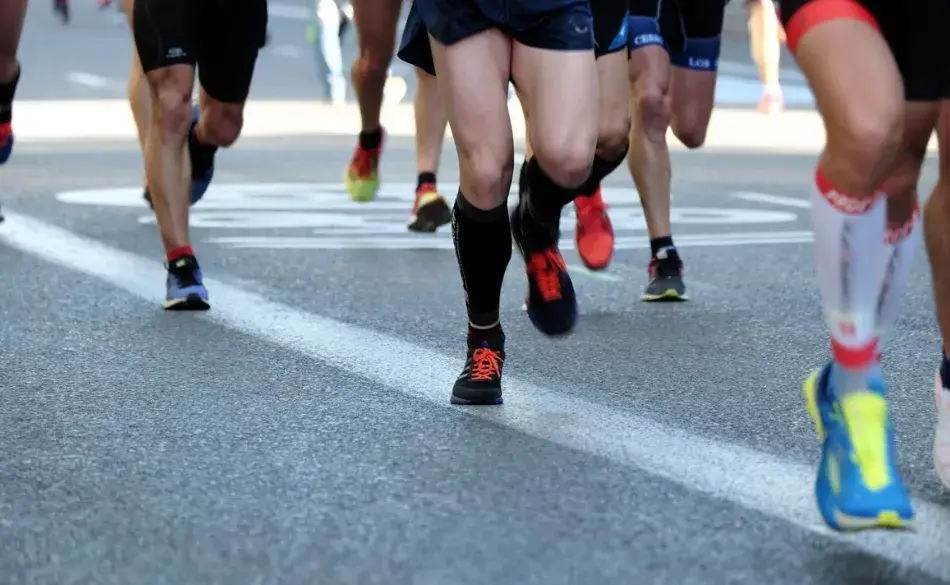
- Check shoe wear patterns – Heavy wear on the outer heel and along the outside forefoot, with little scuffing on the inside edge, is a classic sign.
- Gait analysis – Many specialty stores offer video-based analysis. If your heel strikes on the outside and stays there instead of rolling inward, you’re likely underpronating.
Why does this matter? Underpronation can raise the risk of nagging issues like shin splints, plantar fasciitis, and ankle sprains. It can also make hard runs feel harsh, because your body is absorbing more impact than it needs to.
Here’s the encouraging part: once you can spot the pattern, you can manage it. Simple steps like picking running shoes for underpronation with the right cushioning, adding strength work for the feet and hips, and making small form tweaks often bring fast relief.
Think about your last few runs. Did your calves feel beat up after easy miles? Do your shoes wear out along the outside edge? If the answer is yes, you may be dealing with underpronation vs neutral pronation, and it’s worth taking action now so you can run more comfortably.
Common Causes of Underpronation in Runners
Underpronation doesn’t usually come from a single factor. It’s often a mix of foot structure, muscle imbalances, past injuries, and even the type of shoes you wear.
One of the most common contributors is having high arches. When your arch is higher than average, it doesn’t compress much during impact, making it harder for the foot to roll inward and absorb shock. Over time, this can lead to a consistent underpronation gait pattern.
Other factors that can cause or worsen underpronation include:
- Past injuries – Ankle sprains, stress fractures, or Achilles tendon issues can change how you land. Sometimes you shift weight outward to protect an injury, and the habit sticks.
- Running form – A long stride with a heavy heel strike gives your foot less time to roll inward. Lack of hip or ankle mobility can also play a role.
- Improper footwear – Minimalist or worn-out shoes without enough cushioning can exaggerate the problem, increasing impact forces on the outer foot.
- Surface type – Always running on hard, flat surfaces limits natural variation in foot movement, reinforcing your gait pattern.
I once coached a triathlete who was sure she had a neutral stride. After recurring calf pain, we checked her shoe wear patterns and did a full gait analysis. She had all the signs of underpronation, high arches, worn outer heels, and stiff ankle joints. Switching her to cushioned running shoes for underpronation and adding ankle mobility drills resolved her issues within months.
Understanding your root cause is the first step. Once you know whether it’s due to structure, strength, or shoe choice, you can take targeted action to reduce injury risk and run more comfortably.
Our Marathon Running Training Plan is built to help you go the full 42.2 km while protecting your stride from the risks of underpronation. It blends long-run structure, targeted workouts, and mobility drills to improve foot mechanics, reduce injury risk, and keep your form efficient over the entire race distance.
- Endurance building: Progressive long runs that develop stamina without overloading joints.
- Mobility & strength integration: Hip, ankle, and arch work to support a smoother gait pattern.
- Flexible pacing: Train using pace, heart rate, or perceived effort for better control.
- Injury prevention focus: Strength and form drills to reduce plantar fasciitis, shin splints, and ankle sprains.
- Balanced training mix: Long runs, tempos, intervals, and recovery sessions for optimal performance.
💡 Build the endurance you need while keeping your stride healthy. Train with a marathon plan designed for your body.
Explore Marathon Plan →As an Amazon Associate, SportCoaching earns from qualifying purchases.
How Underpronation Affects Your Running and Performance
Underpronation doesn’t just change how your foot lands, it can have a ripple effect through your entire body. Every stride you take with an outward roll shifts stress to areas not designed to handle repeated high impact.
Because the foot isn’t absorbing shock effectively, more force travels into your ankles, shins, knees, and hips. Over time, this can lead to issues such as:
- Shin splints – The extra load on your tibia can inflame tissues along the shin bone.
- Plantar fasciitis – Reduced arch compression can overstretch the plantar fascia at the bottom of the foot.
- Ankle sprains – Landing on the outside edge of the foot increases instability on uneven ground.
- IT band pain – Altered stride mechanics can place more tension on the iliotibial band.
Performance-wise, underpronation can make running feel harder than it should. Without efficient shock absorption, your muscles tire faster. On long runs, you may notice your calves and outer shins burning even at an easy pace.
One of my coached athletes, a half-marathoner aiming for a personal best, struggled to maintain pace beyond 15 km. After reviewing her gait analysis, we found that her underpronation gait pattern was forcing her to work harder with each step. Once we switched her to lightweight cushioning shoes for underpronation and included stability drills, she knocked five minutes off her next race without increasing training volume.
Even if you’re not chasing a PR, correcting underpronation can make every run feel smoother. Better shock absorption means less muscle fatigue, improved comfort, and a reduced risk of overuse injuries. If you’ve been feeling beat up after runs, it might not be your fitness. It could be your foot mechanics holding you back.
Dealing with lower-leg pain? See whether shin splints support socks help during hard weeks or long runs.
Best Running Shoes and Gear for Underpronation
Choosing the right footwear is one of the most effective ways to manage underpronation. The wrong shoes can amplify impact forces, while the right ones can help absorb shock and encourage a smoother stride.
If you have high arches and an underpronation gait pattern, look for the following features in your shoes:
- Plush cushioning – Extra midsole padding helps offset the reduced shock absorption from your feet.
- Flexible forefoot – Encourages a natural toe-off and prevents stiffness during push-off.
- Neutral shoe design – Avoid heavy stability posts designed for overpronation; these can worsen your mechanics.
- Lightweight cushioning shoes for underpronation – Reduce fatigue over long distances while still protecting joints.
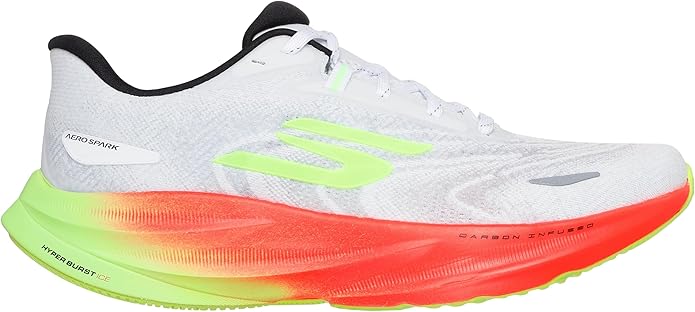
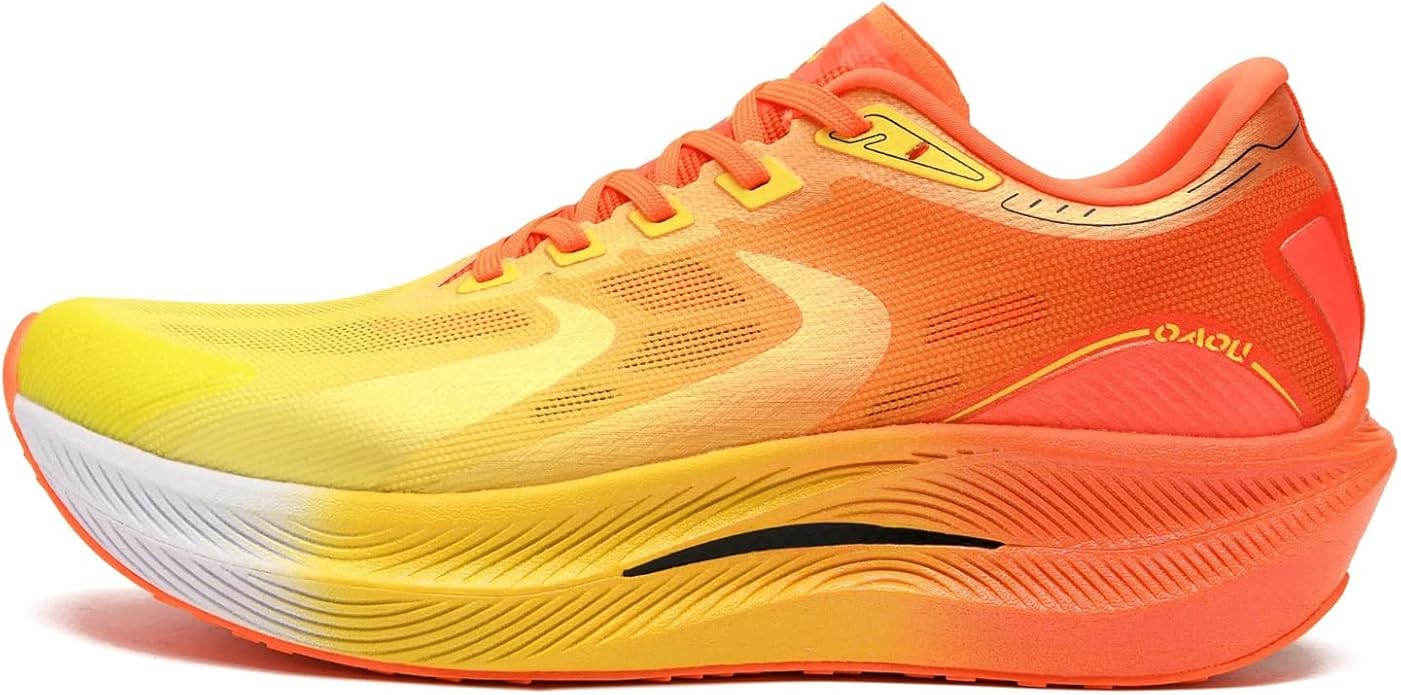
Popular options include brands and models marketed as the best running shoes for underpronation and high arches. These shoes typically combine soft cushioning with enough flexibility to let your foot move naturally.
In some cases, orthotic inserts for underpronation can also help. Custom orthotics from a podiatrist can add targeted arch support and redistribute pressure. Over-the-counter inserts can be a budget-friendly way to test whether added support improves comfort.
For runners who spend time on trails, consider trail running shoes for underpronation with extra grip and cushioning. Uneven terrain can challenge balance, and having footwear that matches your gait can reduce the risk of ankle sprains.
Remember, even the best shoes have a lifespan. Most should be replaced every 500–800 km, but if you notice your outer heel compressing or cushioning losing its bounce sooner, it’s time for a new pair. Keeping fresh shoes in rotation is one of the simplest ways to keep your stride healthy and consistent.
👉 Swipe to view full table
| Shoe Model | Best For | Key Features | Price Range |
|---|---|---|---|
| ASICS Gel-Nimbus 26 | Road running with high arches | Plush cushioning, soft heel landing, breathable mesh upper | $$$ |
| Brooks Ghost 16 | Everyday mileage | Balanced cushioning, flexible forefoot, neutral support | $$ |
| HOKA Clifton 9 | Long-distance comfort | High stack height, lightweight cushioning, smooth rocker | $$$ |
| Saucony Ride 17 | All-round daily trainer | Responsive cushioning, wide toe box, durable outsole | $$ |
| New Balance 1080v13 | Max comfort & recovery runs | Soft midsole foam, flexible fit, cushioned heel | $$$ |
Our 5 km Running Training Plan blends smart pacing strategies, targeted workouts, and mobility drills designed to improve foot mechanics and reduce stress from underpronation. You’ll build speed, improve efficiency, and finish your runs feeling strong, not sore.
- Progressive pacing: Gradually increase speed without overloading your joints.
- Mobility integration: Drills for hips, ankles, and arches to support a smoother gait.
- Form cues: Simple posture checks to reduce strain from an underpronation gait pattern.
- Strength focus: Exercises to support arch stability and reduce injury risk.
- Time-efficient sessions: Structured workouts that fit into any schedule.
💡 Build speed and protect your stride. Train with a plan that supports performance and longevity.
Explore 5 km Plan →Which Exercises Actually Fix Underpronation
If you want lasting change, build strong feet, ankles, and hips. That’s how you create a smoother, safer stride.
Start with targeted strengthening exercises for underpronation. These build control so your foot can absorb impact and roll inward naturally.
- Short-foot “doming” – Stand and gently lift your arch without curling your toes. Hold 5–8 seconds, relax. 8–10 reps per foot.
- Toe yoga – Lift big toe while pressing the others down, then switch. 10 slow reps each way to improve neural control.
- Eccentric calf raises – Rise on two feet, lower on one for 3–4 seconds. 3×8–12 to toughen the calf–Achilles complex.
- Peroneal band eversion – Loop a band around your forefoot and push it outward. 2–3×12–15 per side for outer-ankle strength.
- Anterior tib raises – Heels on the floor, lift toes toward shins. 2–3×15 to reduce shin splints risk.
- Hip abduction & external rotation – Side-lying clamshells or banded walks. 2–3×12–15 to steady the knee over the foot.
Pair strength with the best stretches for underpronation. This frees up range so strength can actually show up in your stride.
- Soleus and gastroc stretch – Bent-knee and straight-knee calf holds, 30–45 seconds each side.
- Ankle dorsiflexion mobilization – Knee-to-wall rocks, 2–3×10 slow reps per side.
- Plantar fascia care – Light rolling with a ball for 60–90 seconds, then gentle big-toe stretch.
Now tie it together with simple running form tips for underpronation:
- Raise cadence by 5–7% to reduce overstriding and harsh heel strikes.
- Land closer under your hips; think “quieter feet, softer knees.”
- Keep the foot relaxed at contact; avoid tensing the toes.
Put it into a mini routine three days a week: 8–10 minutes of mobility, then 10–15 minutes of strength. On run days, do one drill round before easy miles. That’s how to fix underpronation when running. Steady, focused practice that your body can keep.
Tight calves limit ankle motion and raise impact; here’s a deep dive on calf tightness during running.
Preventing Injuries and Staying Consistent with Underpronation
Once you’ve addressed footwear and added strengthening exercises for underpronation, the next step is staying consistent without overloading your body. Underpronators are more prone to certain overuse injuries, but smart training can keep you moving pain-free for years.
First, understand which injuries are most likely:
- Plantar fasciitis – Stiff arches overstretch the plantar fascia at the bottom of your foot.
- Shin splints – Excess stress on the tibia from reduced shock absorption.
- Ankle sprains – Rolling outward makes the ankle less stable, especially on uneven ground.
- IT band irritation – Stride changes can create tension along the outer thigh.
Second, adjust your training load. Increase weekly mileage by no more than 10%, and alternate hard days with recovery or cross-training. I had one runner who ignored this advice (pushed mileage too fast) and ended up sidelined for six weeks with a stress reaction. When he returned, we kept his build gradual and added cycling on recovery days. He stayed injury-free the rest of the season.
Third, make terrain work for you. Mixing in grass, crushed gravel, or packed dirt gives your body natural variation and helps improve foot strength. This is especially useful for runners with a rigid underpronation gait pattern who tend to stick to roads.
Finally, keep up your gear maintenance. Replace running shoes for underpronation before they lose cushioning. If you’re using orthotic inserts for underpronation, check for wear every few months, Flattened or cracked inserts won’t give the same support.
Managing underpronation is all about balance: the right shoes, smart training, mobility and strength work, and listening to your body. With these elements in place, you can run more comfortably, recover faster, and keep stacking weeks of consistent training without fear of setbacks.
If your ankles feel vulnerable, work through this ankle pain when running guide for drills and shoe checks.
Running Form Tweaks to Improve Underpronation
You don’t have to overhaul your entire stride to see benefits. Small, targeted adjustments can reduce the stress of underpronation and make your running feel smoother almost immediately.
Start with your cadence. Many runners with an underpronation gait pattern have a longer stride and lower step rate. Increasing your cadence by just 5–7% can bring your landing point closer to your center of mass. This helps reduce overstriding and the hard, outward heel strike that feeds underpronation.
Next, focus on landing softly. Think about running “quietly,” letting your knees and hips act as natural shock absorbers. This doesn’t mean switching to a forefoot strike, it’s about controlled, gentle contact rather than slamming the heel into the ground.
Arm position can also make a difference. Keep elbows at roughly 90 degrees and swing hands forward-and-back, not across your body. Excessive cross-body arm movement can cause rotational forces that push your foot outward on landing.
Here’s a quick checklist you can try during your next run:
- Raise cadence by 5–7% from your current average.
- Imagine running “over” your hips instead of in front of them.
- Keep your core engaged but relaxed to avoid excessive rotation.
- Land with a slightly bent knee to soften impact.
- Let the foot relax on contact. No toe clenching.
I once had a marathoner who struggled with outer calf fatigue at the 30 km mark. By combining cadence work with light midfoot cues, we reduced her impact loading and evened out her wear pattern within six weeks. She went on to run a personal best without calf pain. A big win for a small set of changes.
Form tweaks don’t replace strength or shoe choice, but they can complement both, giving you an extra edge in comfort and performance.
If overstriding is part of the problem, this quick primer on step length vs stride length shows what to watch for.
Our Running Training Plans are designed to help runners with challenges like underpronation build strength, stability, and efficiency. Each plan blends mileage, mobility, and technique work so you can run smoother, faster, and with less risk of injury.
- Targeted form drills: Improve foot strike and reduce strain from underpronation gait patterns.
- Strength & mobility integration: Build resilient arches, ankles, and hips.
- Structured progression: Gradually increase speed and endurance without overloading.
- Injury prevention focus: Reduce the risk of shin splints, plantar fasciitis, and ankle sprains.
- Custom pacing zones: Work in the right effort ranges for your fitness level.
💡 Train smarter and protect your stride. Start with a plan tailored to your needs.
View Running Training Plans →As an Amazon Associate, SportCoaching earns from qualifying purchases.
Long-Term Strategy for Managing Underpronation
Fixing underpronation isn’t about a quick hack. It’s about building habits that keep you healthy over the long run. The right changes now can save you months of frustration later.
First, commit to regular gait analysis. Your stride can shift over time, especially if you’ve had injuries or changed your training style. A yearly check at a running store or sports clinic can catch small changes before they turn into problems.
Second, keep rotating shoes. Using at least two pairs of running shoes for underpronation in different models can vary the stress on your feet and extend the life of each pair. This is especially helpful if you log high weekly mileage.
Third, treat mobility and strength work as part of your training, not an optional extra. Just 10–15 minutes a few times a week can maintain the gains you’ve made from strengthening exercises for underpronation and keep your feet and ankles resilient.
Here’s a simple long-term checklist:
- Annual gait check with video review.
- Rotate between two or more shoe models.
- Replace shoes every 500–800 km or when cushioning feels flat.
- Include calf, foot, and hip strength work year-round.
- Run on a mix of surfaces to keep the body adaptable.
I’ve seen runners improve their comfort dramatically just by staying on top of these basics. One athlete I coach had been battling recurring shin splints for two seasons. We implemented a rotation of cushioned shoes, added two short mobility sessions each week, and kept his build gradual. He’s now gone 18 months without a single injury, and his training consistency has paid off in race results.
Underpronation doesn’t have to define your running. With the right long-term habits, you can make it a small detail in your stride. Not the thing that holds you back.
Final Thoughts on Underpronation
Underpronation is manageable when you address it directly. The key steps are simple: identify it early, wear the right shoes, build strength and mobility, adjust your form, and stay consistent with these habits.
You don’t need a complete overhaul. Just targeted changes that reduce stress and improve efficiency. With the right approach, you can keep training, avoid common injuries, and get more out of every run.
Check your stride, make the changes, and track the results. Your body will tell you you’re on the right path when running starts to feel smoother, lighter, and pain-free.
Find Your Next Running Race
Ready to put your training to the test? Here are some upcoming running events matched to this article.

The South 32 DnD Adventure Run 2026
Huon Hill Trail Run 2026