Why Mini Triathlon Distances Are the Perfect Start
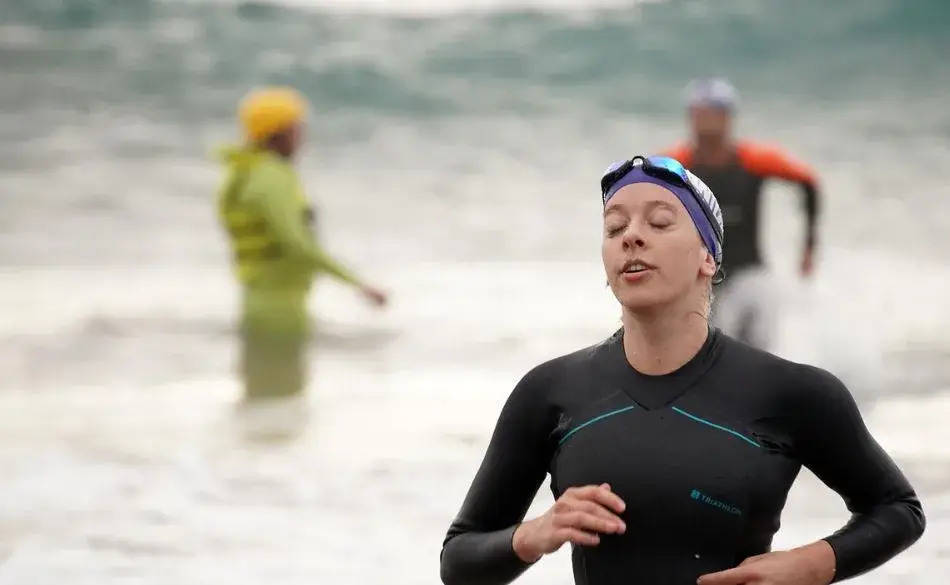
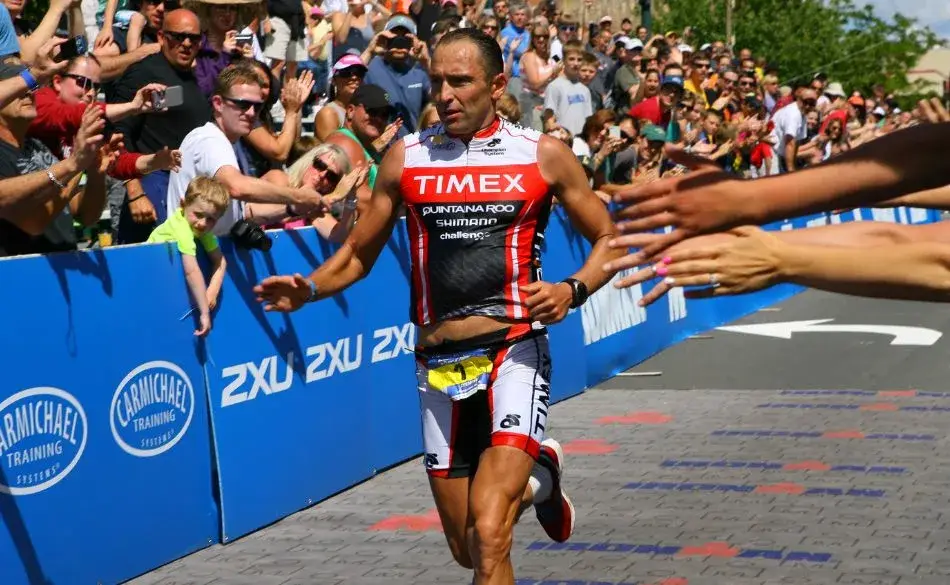
When you hear the word triathlon, you might picture elite athletes swimming through waves, pedaling up steep hills, and running for miles under the sun. But mini triathlon distances bring that same excitement to a level anyone can try. These shorter races are designed for beginners, offering a challenge that fits real life without overwhelming training hours.
A mini triathlon typically includes all three disciplines but in smaller portions. You’ll still swim, bike, and run, but at distances that build confidence instead of fatigue. Most events feature either a super sprint triathlon distance or a sprint triathlon distance, which look like this:
- Super sprint triathlon distance: Around 400 m swim, 10 km bike, 2.5 km run
- Sprint triathlon distance: Around 750 m swim, 20 km bike, 5 km run
These short triathlon distances allow you to experience the full triathlon format without needing months of preparation. They are short enough to fit into a busy schedule yet long enough to feel rewarding when you cross the finish line.
Training for a mini event doesn’t mean endless workouts. With a simple mini triathlon training plan, most people can prepare in 6 to 8 weeks. Sessions focus on short bursts of swimming, cycling, and running, helping your body adapt to each discipline. You’ll also develop skills like smooth transitions and pacing, which are key to success in any triathlon.
What makes these events special is their inclusivity. Anyone, regardless of age or background, can start small and build up. The goal isn’t perfection, it’s participation. A short distance triathlon training approach helps you enjoy the process, gain fitness, and feel that rush of accomplishment when you finish your first race.
If you’re new to the sport and still learning how each stage flows, it helps to understand what order a triathlon is so you can visualize your race from start to finish.
Once you’ve mastered shorter events, it’s time to level up with our Olympic Distance Triathlon Training Plan . Designed for athletes moving from sprint or super sprint distances, this plan helps you build endurance, strength, and pacing to take on the classic 1.5 km swim, 40 km bike, and 10 km run.
Each week balances structured swim, bike, and run sessions with recovery strategies so you can train smarter, not harder. You’ll learn how to manage transitions, nutrition, and race-day pacing for long-distance success.
Whether you’re stepping up from a mini triathlon or chasing a new PR, this plan gives you the tools to perform with confidence and finish strong on race day.
Start Your Olympic Journey →

Mini Triathlon Distances Compared
Mini formats sit on the friendly end of the triathlon distance comparison spectrum. They keep the spirit of swim bike run while trimming the workload so you can train around real life. When people ask how long is a mini triathlon, the answer usually falls into two common setups. A super sprint triathlon distance is the shortest standard race. A sprint triathlon distance is the next step up and the most popular entry race worldwide.
Use the chart below like a quick triathlon race distances chart. It shows where mini events fit alongside longer formats. You’ll also see the key differences in feel and time commitment. If you’re still unsure about the difference between sprint and super sprint triathlon, the table will make it obvious at a glance.
👉 Swipe to view full table
| Format | Swim | Bike | Run | Typical Finish Time for Beginners | Who It Suits |
|---|---|---|---|---|---|
| Super Sprint | ~400 m | ~10 km | ~2.5 km | ~55–70 min | New to the sport or returning to fitness |
| Sprint | ~750 m | ~20 km | ~5 km | ~1 h 20 min – 1 h 45 min | First timers with basic fitness or 5K runners |
| Olympic | 1.5 km | 40 km | 10 km | ~2 h 30 min – 4 h | Ready for a bigger challenge after sprint |
| Half Ironman | 1.9 km | 90 km | 21.1 km | ~5 h 30 min – 8 h | Experienced and consistent trainers |
| Ironman | 3.8 km | 180 km | 42.2 km | ~11 h – 17 h | Long term endurance goal setters |
For most beginners, mini races mean less stress and more learning. You practice pacing, transitions, and nutrition without the heavy load of long training blocks. If you want a simple rule, pick super sprint if you’re short on time, and pick sprint if you already jog 5K or ride on weekends. Both get you to the same place. You cross the line with a smile and a clear base to build on next season.
How to Train Smart for Mini Triathlon Distances
Training for mini triathlon distances doesn’t need to take over your life. In fact, most beginners can get ready in 6 to 8 weeks with a balanced routine that builds endurance, improves transitions, and develops confidence. A well-structured mini triathlon training plan keeps each discipline simple and consistent without burning you out.
The best approach is to focus on short, high-quality sessions rather than long, exhausting workouts. Your body adapts quickly when you mix swimming, biking, and running in a smart rotation. Even 4 to 6 hours of weekly training can make a big difference. Here’s how you can structure your plan.
- Swim training: Two sessions per week focusing on breathing and form. Start with 400 to 800 meters total. Mix in drills like sighting and turning if your event is in open water.
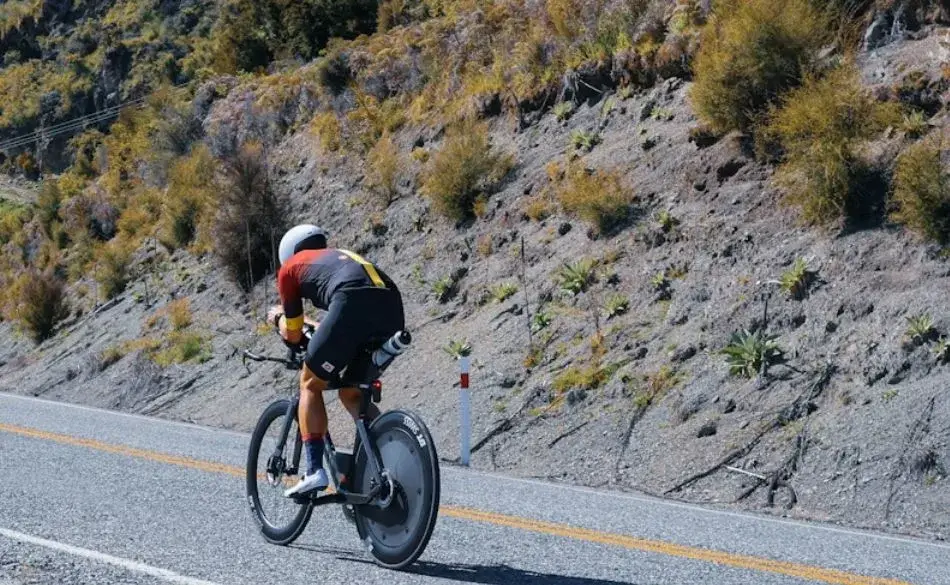
- Bike training: Two or three rides each week. One easy spin, one endurance ride of 30 to 45 minutes, and one interval ride to build power. Learn to shift smoothly and maintain a steady cadence.
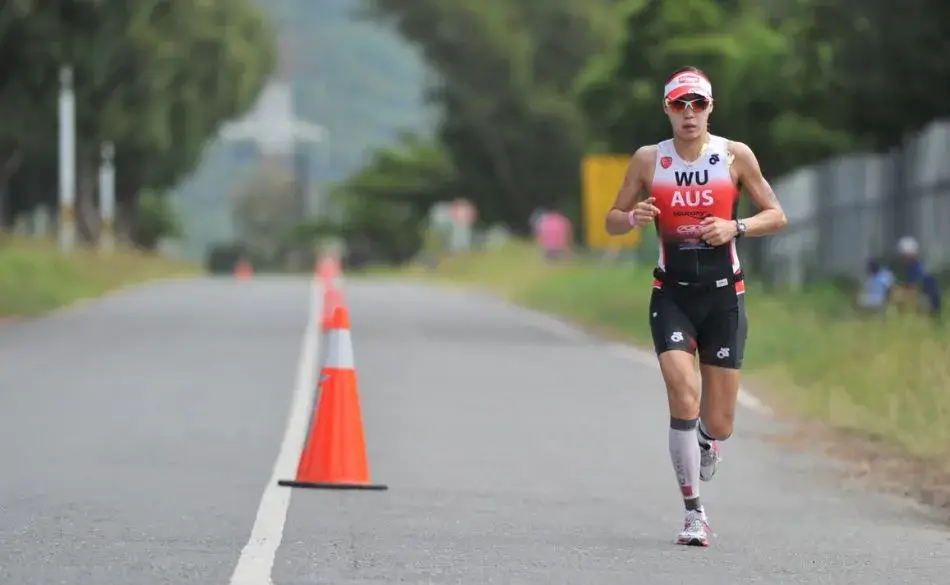
- Run training: Two sessions weekly. Alternate between a 3 to 5 km steady jog and shorter interval runs for stamina and speed.
- Brick workouts: Combine cycling and running once per week to simulate race conditions. A short 10 km ride followed by a 1 to 2 km run helps your legs adjust to the transition.
- Rest and recovery: Include at least one rest day. Active recovery like yoga or light stretching supports muscle repair and flexibility.
Stick with your routine and listen to your body. If you feel fatigued, swap intensity for recovery rather than skipping sessions altogether. Focus on gradual improvement. Short triathlons reward consistency far more than extreme effort. A balanced short distance triathlon training program builds fitness you can sustain year-round.
Remember that mini triathlon for beginners isn’t about speed at first, it’s about control and comfort. Every session you complete gets you closer to the finish line feeling strong, confident, and ready to enjoy the race.
If you’re ready to take your next step in training, explore our Beginner Sprint Triathlon Plan Guide for a structured 12-week progression that builds on your mini triathlon foundation.


Race Day Tips for Mini Triathlon Success
After weeks of consistent training, race day is where everything comes together. Whether you’re tackling a super sprint triathlon distance or moving up to a sprint triathlon distance, success depends on planning and staying calm. The following strategies help you start strong, transition smoothly, and finish with confidence.
- Arrive early: Give yourself at least an hour to set up your transition area. Familiarize yourself with entry and exit points for the swim, bike, and run legs.
- Check your gear: Double-check your goggles, bike brakes, tires, and running shoes. A small issue can cost precious time if ignored before the start.
- Warm up gradually: Spend 5 to 10 minutes doing light mobility work, an easy jog, or a short swim to loosen up. This reduces anxiety and prepares your muscles for effort.
- Start easy on the swim: Begin at a steady pace and find your rhythm. Many beginners start too fast and tire early. Remember that efficiency beats speed.
- Master your transitions: Practice the flow from swim to bike (T1) and bike to run (T2). Keep your gear layout simple so you can find what you need quickly.
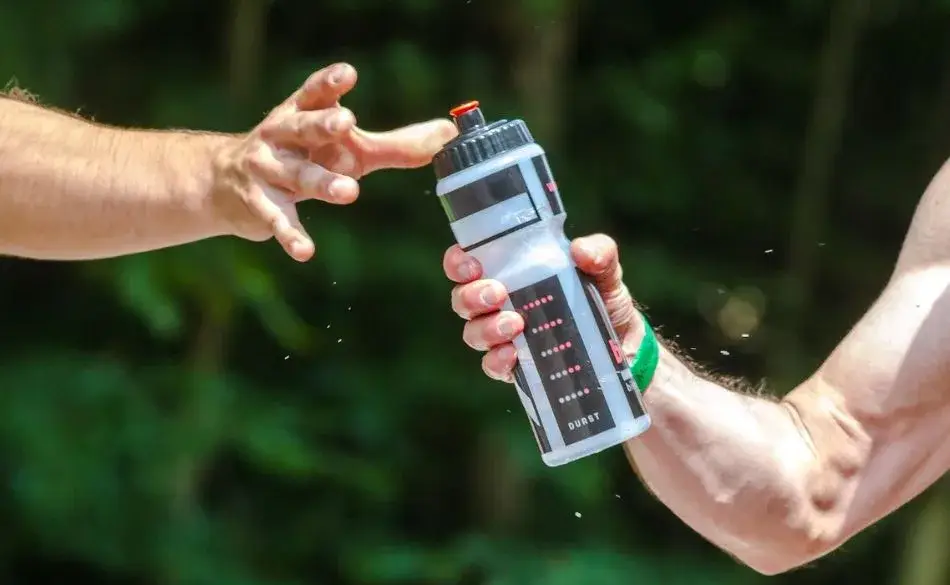
- Stay hydrated: Even during short races, drink small sips on the bike. Dehydration can affect performance even over a short triathlon distance.
- Pace your effort: Use the first half of each leg to settle in, then build momentum. Overexertion early often leads to fatigue during the run.
- Enjoy the moment: The atmosphere at mini triathlons is energetic and encouraging. Smile, thank volunteers, and soak up the experience.
Following these steps ensures you stay focused and efficient throughout the race. A smooth transition and steady pace matter more than top speed. Many new athletes discover that mini triathlon for beginners is about balance, rhythm, and enjoying every stage. Cross the finish line knowing your preparation paid off and that you’re already stronger than when you started.

Where Mini Triathlon Distances Are Most Popular
The rise of mini triathlon distances around the world reflects how accessible the sport has become. Countries with strong outdoor cultures and active communities have embraced these shorter formats as the perfect entry point into triathlon. Events like the super sprint triathlon distance and sprint triathlon distance attract beginners, weekend athletes, and even seasoned competitors looking for faster, high-energy races.
In regions such as North America, Australia, and parts of Europe, the number of short-distance triathlons continues to grow each year. These areas offer warm weather, supportive coaching programs, and safe venues, which make training and racing more inviting. The table below highlights the estimated popularity of mini triathlons in different countries, showing both participation trends and community engagement.
👉 Swipe to view full table
| Country | Participation Rate | Relative Popularity |
|---|---|---|
| United States | 5% – 7% | High |
| Australia | 3% – 5% | Moderate |
| United Kingdom | 2% – 4% | Moderate |
| Canada | 4% – 6% | High |
| Germany | 3% – 5% | Moderate |
| France | 3% – 5% | Moderate |
| New Zealand | 4% – 6% | High |
| South Africa | 2% – 4% | Low |
| Spain | 3% – 5% | Moderate |
| Italy | 2% – 4% | Low |
These numbers reflect participation trends drawn from triathlon federation data and event registration reports. The United States and New Zealand show particularly strong community engagement, while countries like Germany and France maintain steady participation through local club events. As triathlon continues to expand globally, shorter races are helping more people discover the excitement of swim, bike, and run.
If you’re located in Australia and ready to join the growing community, explore our guide to the best triathlons in Australia to find the perfect sprint, super sprint, or Olympic event for your next challenge.
Ready to step up from mini-distances and tackle the classic sprint format? Our Sprint Distance Triathlon Plan gives you the structure, strategy and support to train smart and race strong.
Designed for athletes who’ve mastered shorter events or are aiming for their first 750 m swim, 20 km bike and 5 km run, the plan blends swim, bike and run sessions with transitions, pacing and race-day preparation.
With personalised workouts, flexible time-commitment (4-10 hours per week) and expert guidance, you’ll train efficiently, recover wisely and head into race day confident and prepared.
Get Started Now →
The Real Benefits of Mini Triathlon Distances
Beyond the thrill of race day, mini triathlon distances deliver lasting benefits for your body and mind. Whether you choose the sprint triathlon distance or the super sprint triathlon distance, these shorter races help build total-body fitness while improving endurance, coordination, and confidence. You don’t need to dedicate endless hours to see meaningful results. Just consistent effort and smart training.
Triathlon training blends three different movements that work together to strengthen your cardiovascular system and develop balanced muscles. Swimming builds upper body strength and core stability, cycling enhances leg endurance and joint health, while running improves bone density and aerobic capacity. This cross-training effect makes mini triathlons one of the most efficient workouts you can do.
- Improved cardiovascular health: Alternating between swim, bike, and run trains your heart to adapt to changing intensities, boosting endurance faster than single-sport training.
- Reduced risk of injury: Because no single muscle group is overused, shorter triathlons lower the risk of overuse injuries common in runners or cyclists who train in isolation.
- Efficient calorie burn: A short triathlon distance race can burn 600–900 calories in under 90 minutes, helping improve body composition and metabolism.
- Improved mental focus: The variety of disciplines keeps training fresh and engaging, reducing burnout while strengthening your ability to stay present under pressure.
- Increased motivation and community: Mini triathlons attract a welcoming mix of athletes. Training groups and local events help you stay accountable and inspired.
Even small races spark big changes. Athletes often find that completing their first mini triathlon builds lasting confidence that carries into other parts of life. You start seeing yourself as capable, disciplined, and adventurous. These shorter formats prove that endurance isn’t just about distance, it’s about consistency, mindset, and the courage to begin.