What Causes Vertigo After Swimming?
Let’s break this down – vertigo after swimming isn’t just “in your head.” It often starts in your ears. Specifically, in your inner ear, where the vestibular system helps your brain keep track of balance. When that system gets disrupted, especially during or after time in the water, you might feel like the ground is tilting or the room is spinning.
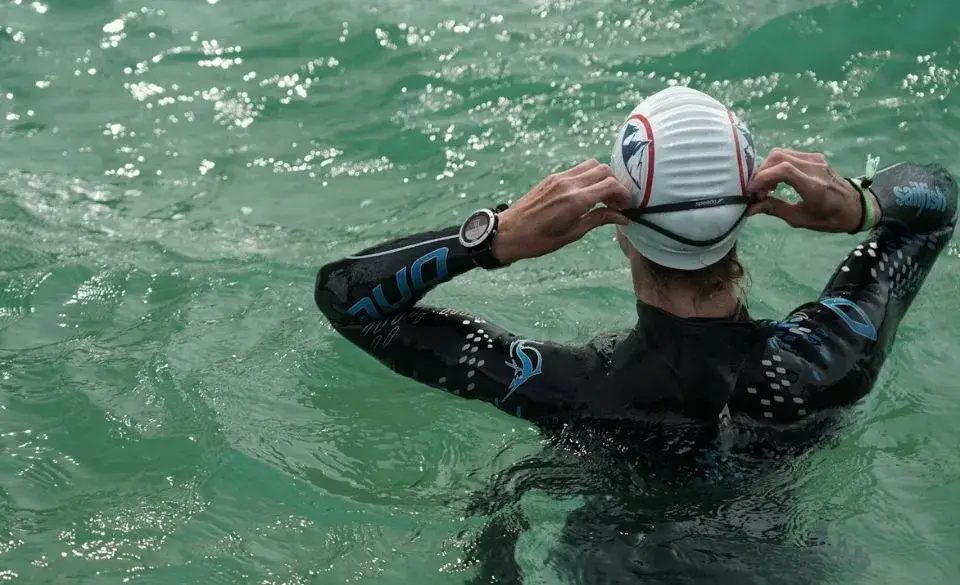
One of the most common causes? Cold water exposure. When cold water enters the ear canal, it can trigger a reaction called caloric stimulation. This throws off the inner ear’s ability to regulate balance, especially if water enters one ear more than the other. It’s more noticeable in swimmers doing flip turns, underwater drills, or extended open-water sessions.
Experts explain that when cold water hits your eardrum, it can disrupt the fluid in your inner ear, confusing your balance system and triggering vertigo. Read the article here.
Another big culprit is ear imbalance after swimming, often caused by water trapped behind the eardrum or clogged eustachian tubes. This can build pressure or cause fluid movement that your brain interprets as motion, even when you’re standing still.
One triathlete I coach, Emma, started experiencing intense dizzy after swimming episodes during early morning lake swims. At first, we thought it was nutrition-related. But after a few weeks of tracking patterns, we realized it only happened in cold, open water, not in the pool. The cause? A mix of water pressure shifts and cold-induced inner ear reactions.
Many triathletes follow structured swim, bike, run cycles as seen in the 80/20 Triathlon Training Method from SportCoaching to help manage fatigue and reduce imbalance in sessions.
Some swimmers also deal with Benign Paroxysmal Positional Vertigo (BPPV) – a condition where tiny crystals inside the ear canals get dislodged and confuse the balance system. Flipping, rolling, or sudden head turns in the pool can set it off. If you ever feel like the world’s spinning when you lie down or stand up after swimming, BPPV might be to blame.
All of this can be worsened by dehydration, fatigue, or underlying sinus issues. And for open water swimmers, waves, choppy motion, and long periods of head-turning during breathing can further throw off equilibrium.
So, the next time you ask yourself, “Why do I feel off balance after swimming?”, know that the answer is often physical, not psychological. And thankfully, it can be managed.


Is It Normal to Feel Dizzy After Swimming?
If you’ve ever stepped out of the pool and felt the world tilt, you’ve probably wondered, “Is it normal to feel dizzy after swimming?” The short answer is yes, many swimmers experience this. But just because it’s common doesn’t mean you have to live with it.
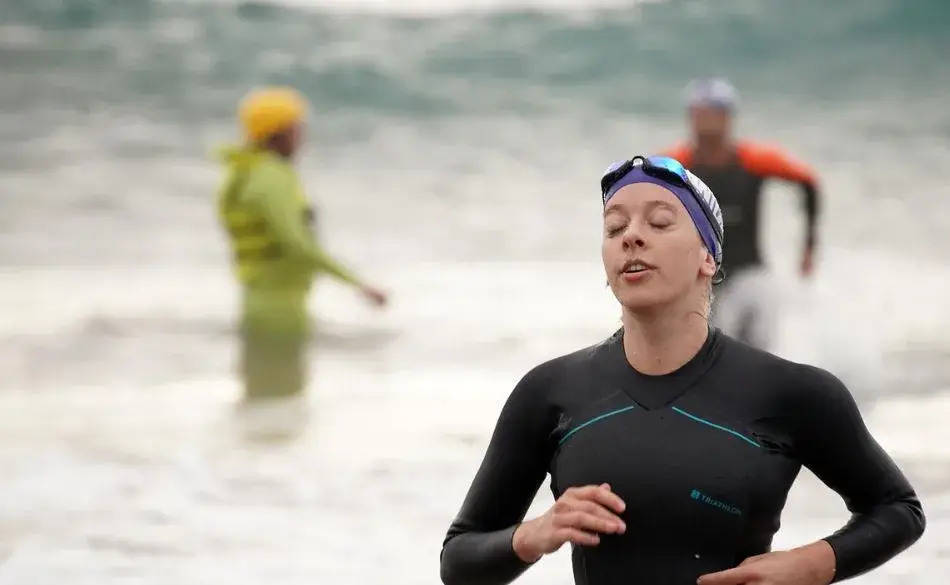
Think about it. You’ve spent time floating in a horizontal position, your head turning side to side, ears submerged, breathing rhythm changing. Then you suddenly stand up, rush to the locker room, and the lighting and temperature shift completely. That’s a big transition for your body—especially for your inner ear and nervous system.
One of the athletes I coach, Josh, told me he used to feel lightheaded after nearly every indoor swim session. He described it like walking on a moving floor. After some digging, we realized he was skipping hydration, swimming in warm chlorinated pools for long durations, and standing up too quickly after hard sets. Just making small changes like rehydrating mid-session and doing a few moments of gentle treading before exiting helped settle his balance.
Post-swim dizziness doesn’t always mean something’s wrong. Sometimes it’s your body trying to recalibrate between two very different environments (water and land). But if you’re getting dizzy regularly or for longer than a few minutes, it’s worth looking deeper.
Here are a few totally normal triggers:
- Dehydration after a hard swim workout
- Changes in blood pressure when standing up too fast
- Water trapped in the ears, causing imbalance
- Fatigue or overtraining
- Swimmer’s ear and dizziness from mild infections or irritation
It’s important to listen to your body. A few seconds of lightheadedness? Likely harmless. Lingering spinning or nausea? That could point to something more specific- like vertigo after swimming caused by inner ear issues or cold water stimulation.


How to Stop Vertigo After Swimming
Let’s say you just finished a swim and suddenly feel the world spinning. What do you do? The good news is there are proven steps that can help. Knowing how to stop vertigo after swimming can make the difference between a quick recovery and a ruined day.
Start with your ears. If you feel off balance, gently tilt your head side to side to help drain any trapped water. Using swimmer’s ear drops or a warm towel behind the ear can reduce pressure from ear imbalance after swimming. For cold water sessions, wearing earplugs can prevent cold water from triggering your inner ear reflexes.
One swimmer I coach, Sarah, dealt with frequent dizziness after her morning pool workouts. We tested several things. What worked best? Adding five minutes of gentle vertical treading before getting out, wearing soft silicone earplugs, and sipping electrolyte water halfway through her set. She hasn’t had a dizzy spell in months.
If your vertigo feels more intense (like spinning or falling to one side) try the Epley maneuver. This head movement sequence helps settle the crystals in your inner ear if the cause is Benign Paroxysmal Positional Vertigo (BPPV). It’s worth learning, especially if your dizziness comes and goes with head position.
Here are a few tips you can try right away:
- Dry your ears thoroughly after swimming
- Use earplugs in cold or open water
- Rehydrate during and after workouts
- Cool down in the water before standing up
- Avoid fast head movements immediately after swimming
- Practice balance drills outside the pool to improve stability
These small habits can prevent most cases of vertigo after swimming. But if you’ve already dried off and still feel dizzy, find a quiet spot, lie flat, and let your body reset. Usually, symptoms pass in a few minutes.

Why Cold Water Makes Vertigo Worse
If you’ve ever felt fine in the pool but wobbly after an open water swim, cold might be the missing piece. Vertigo after swimming in cold water is surprisingly common and more intense than pool-related dizziness.
The reason? Your ears don’t just help you hear, they’re also part of your balance system. Inside the ear, you’ve got delicate canals filled with fluid and sensors. Cold water changes the temperature of this fluid, which messes with your brain’s ability to detect movement accurately. That’s called caloric vestibular stimulation, and it’s like sending your brain mixed signals about what’s really happening around you.
Here’s what’s happening, step by step:
- You swim in water under 20°C (or even colder in open water)
- Cold enters one ear more than the other
- That uneven temperature affects your vestibular system
- Your brain can’t sync what your eyes see and ears feel
- You feel dizzy, nauseous, or even get post-swim vertigo
It’s not just your ears. Cold water also causes blood vessels to constrict, which can lower blood flow to the brain temporarily. Combined with breath-holding, sudden immersion, or fast swimming, that’s a recipe for unsteadiness when you stand up.
So, if you’re prone to nausea after swimming in colder temps, protect your ears and give your body time to adjust. Don’t rush into the cold. Ease in, warm up with gentle strokes, and breathe deeply. It might seem small, but it can make a big difference.
Cold immersion doesn’t just trigger vertigo, it’s also used for recovery. Check out SportCoaching’s Plunge Recovery Guide to understand how cold exposure influences circulation and even dizziness.
How Long Does Vertigo Last After Swimming?
If you’ve ever sat on the pool deck wondering, “How long will this spinning last?” you’re not alone. The duration of vertigo after swimming can vary widely. For most swimmers, the dizzy sensation fades within a few minutes. But for others (especially those with inner ear issues) it can stick around for hours or even a full day.
Why such a big difference? It all depends on the cause. If your dizziness is due to ear imbalance after swimming, clearing the water or drying your ears usually provides quick relief. But if it’s related to Benign Paroxysmal Positional Vertigo (BPPV) or cold water stimulation, your body may need more time to reset.
I remember working with one of my athletes, Kate, who struggled with lingering vertigo after every open water session. We timed her episodes, and they typically lasted 20–30 minutes. By making small adjustments (like taking longer cool-down periods, using earplugs, and slowly transitioning from horizontal to vertical positions) we cut that down to less than 5 minutes.
Here are some common recovery timelines:
- Mild dizziness: Usually gone in 1–3 minutes with rest
- Cold water-related vertigo: Often clears within 10–20 minutes once your body warms up
- BPPV episodes: Can last hours unless specific maneuvers are done
- Post-swim fatigue dizziness: Fades after proper hydration and a light snack
It’s important not to panic if the sensation lingers. Sitting down, focusing your eyes on a fixed point, and doing slow, deep breaths can speed up recovery. Avoid sudden head movements and give your balance system time to settle.
However, if your symptoms last longer than a few hours or become frequent, it’s worth checking with a medical professional. Persistent dizzy after swimming spells could signal something more than just water-related imbalance.
For triathletes managing heavy training loads, knowing when to rest matters. SportCoaching’s guide on How Much Time to Train for Ironman 70.3 helps you assess if fatigue-driven vertigo is training-related or something else.


What Causes Ear Imbalance After Swimming?
Have you ever stood up after a swim and felt like you were leaning to one side? That strange, off-center feeling is often due to ear imbalance after swimming. And it’s more common than you might think, especially among regular swimmers, triathletes, and anyone who trains in open water.
The root of the issue is simple: your ears help control balance. Inside each ear is a system of fluid-filled canals that detect head movement. When water gets trapped in one ear (or if pressure builds unevenly) it can confuse the brain. The result? You feel dizzy, unsteady, or like the ground is shifting beneath you.
One swimmer I coach, Aaron, used to tilt slightly to the left every time he finished a pool session. It was subtle but annoying enough to affect his transition into cycling during brick workouts. After observing his stroke, we noticed he favored breathing on one side. That led to water entering one ear more frequently. Once he started bilateral breathing and using swimmer’s ear drops, the imbalance disappeared.
Here are the most common triggers for ear-related imbalance:
- Water trapped in the ear canal, especially after flip turns or deep dives
- Pressure changes from underwater swimming or sudden temperature shifts
- Eustachian tube dysfunction, where drainage from the middle ear gets blocked
- Minor inner ear infections or inflammation from chlorinated water
- Earwax buildup, which can prevent normal pressure equalization
Fixing the problem often comes down to consistency. Dry your ears thoroughly with a soft towel or use gravity (tilt your head and hop gently). Ear drops can help clear moisture and reduce irritation. And if you’re swimming in cold or choppy conditions, earplugs are a game-changer.
When your balance feels off, your performance suffers, whether it’s walking to your gear bag or hitting a bike split. Don’t overlook the small things. Managing ear health is one of the easiest ways to reduce vertigo after swimming.
Don’t forget earplugs or swim drops in your race-day bag. They’re just as important as goggles. The Ultimate Triathlon Checklist from SportCoaching includes essential swim gear that can help with balance and smooth transitions.


You're Not Alone - And You Can Swim Without the Spin
Let’s be real, feeling dizzy after a swim can be frustrating, confusing, and even a little scary. But here’s the thing: it’s more common than most swimmers realize. Whether it’s from cold water, fluid in the ears, or your body trying to adjust between water and land, vertigo after swimming is something you can learn to manage.
I’ve seen it in athletes at all levels. Some were training for their first sprint triathlon. Others were elite-level competitors prepping for Ironman. The pattern was the same: dizziness made them doubt their training, their health, and sometimes their love for the sport. But once we addressed the root causes—hydration, ear protection, body awareness, their confidence came back fast.
Take a moment to check in with yourself. Are you skipping warm-ups? Breathing only to one side? Swimming in cold water without earplugs? These small things can add up. But the good news? They’re all fixable.
Here’s a quick recap of what you can do starting today:
- Dry your ears and consider using swimmer’s ear drops
- Wear earplugs during cold or open water swims
- Hydrate before, during, and after workouts
- Add cool-down time in the water before exiting
- Learn positional maneuvers like the Epley if vertigo is recurring
Swimming should leave you energized, not unsteady. Don’t ignore the signs your body gives you—respect them, respond to them, and adjust. And if your symptoms persist longer than normal or become disruptive, talk to a healthcare provider who understands vestibular conditions.