




Find Your Next Running Race
Ready to put your training to the test? Here are some upcoming running events matched to this article.
 Coach Graeme

Last updated:
Not sure where to start with training?
Tell us your goal and schedule, and we’ll give you clear direction.
No obligation. Quick, practical advice.
Explore our running fitness resources for more helpful articles and resources.
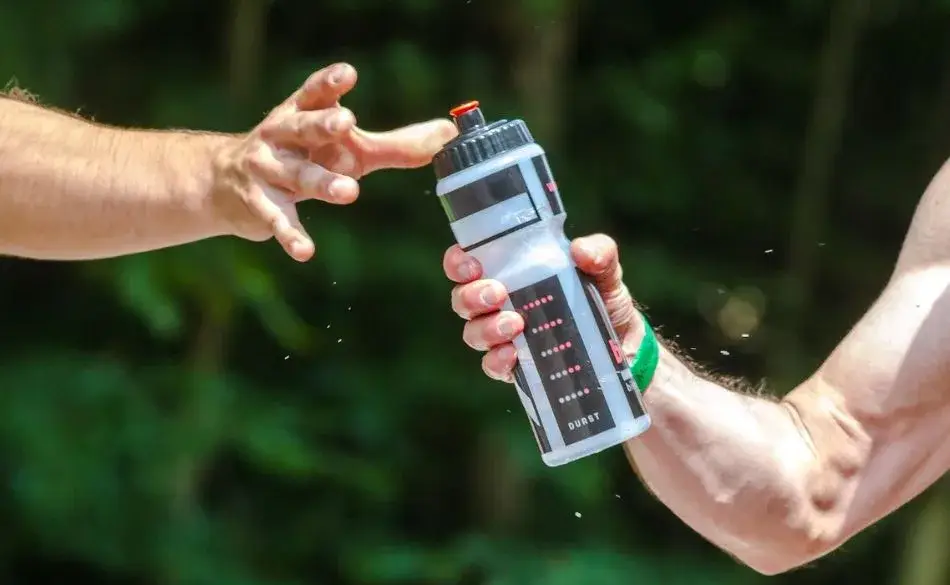
Not all water bottles are built the same. Some leak. Some bounce. Some make you wish you’d just stayed thirsty. So what actually makes a bottle good for jogging?
A great handheld running water bottle should be:
Some bottles come with built-in hand straps. Others have small pouches for keys or gels. It really comes down to what feels natural while you move.
Here’s a quick analogy: the wrong water bottle is like running in jeans – it technically works, but it’s awful. The right bottle? It’s like your favorite pair of broken-in running shoes. You forget you’re even using it.
I once used a bulky bottle during a summer 10K, thinking “more water = better.” Big mistake. My arm was sore by the halfway point, and I kept sloshing water all over my shirt. Lesson learned: smart design beats size every time.
If you’re unsure where to start, go test a few at your local running shop. You’ll instantly feel the difference between clunky and streamlined.
Here’s where it gets personal. There’s no one-size-fits-all. The best jogging hydration gear depends on your distance, pace, and comfort preferences.
Handheld Bottles
Perfect for short jogs (5K or less). You can sip when needed and stash them in your car or mailbox mid-run. Most come with ergonomic grips and thumb loops.
Hydration Belts
Better for longer distances. These sit snugly on your hips and carry one or two small bottles (plus a pocket for snacks or your phone). A good hydration belt for runners won’t bounce or twist.
Hydration Vests
These are the heavy hitters. Think long-distance, trail runs, or hot-weather training. Vests can carry 1–2 liters in a bladder, plus bottles up front for quick sips. But they can feel overkill for casual jogs.
Still not sure? Ask yourself:
If you answered yes to any of these, a belt or vest might be your hydration soulmate.
My running buddy Jess refuses to carry anything. She uses a belt that holds two small bottles and clips her keys in a pouch. I’m the opposite, I love the simplicity of a handheld running water bottle. We both get the job done. However, just with different gear.
Whatever you pick, test it on a short run before race day. Nothing worse than chafing or sloshing surprises when you’re five miles in.
If you’re considering a vest for long runs, don’t miss our guide on Running with a Backpack. It’s a great primer on form, gear fit, and injury prevention when carrying weight.
Let’s be honest, jogging gear used to be boring. But hydration tech has caught up in a big way. If it’s been a few years since you bought a bottle, you’ll be amazed by what’s out there now.
1. Collapsible Bottles
These are the MVPs for minimalists. A collapsible water bottle running setup flattens as you drink, reducing weight and bounce. Some even fold up to fit in your pocket when empty. Great for races or travel.
2. Insulated Bottles
No one likes drinking hot plastic water mid-run. New insulated bottles keep liquids cool for hours, even in full sun. Some brands even make soft flasks with insulation sleeves.
3. Magnetic or Bite Valve Lids
Say goodbye to screw-top struggles. New bite valves or magnetic nozzles let you sip hands-free or with minimal movement. Perfect for maintaining rhythm.
4. Modular Designs
Some companies now sell modular belts or vests that let you swap bottles, pockets, and storage depending on your run. Customize it like Lego for grown-ups.
Some runners take minimalism further with cooling gear (if you run in hot conditions) Our piece on Cooling Vests for Athletes offers smart ideas to stay cool beyond just hydration.
Tip: Look for bottles with reflective strips or bright colors. If you’re running early mornings or evenings, it’s an easy safety upgrade without extra gear.
Every jogger is different. Your hydration setup should match your running habits, not someone else’s Instagram post.
Here’s how to decide:
For Casual Runners (2–5 km jogs)
For Mid-Distance Runners (5–15 km)
For Long-Distance or Trail Runners (15km+)
| Type | Best For | Pros | Cons |
|---|---|---|---|
| Handheld | Short jogs (under 30 mins) | Simple, light, no setup | May feel annoying to carry |
| Hydration Belt | Mid-distance (30–90 mins) | Hands-free, storage options | May bounce if poorly fitted |
| Hydration Vest | Long runs & trails | Holds most water, best for gear | Expensive, can feel bulky |
| Collapsible Bottle | Races or minimalists | Packs down small, light | Not always durable long-term |
If you’re unsure between a belt and handheld, ask a running store to let you “try before you buy.” Walk or jog around the shop.
Shopping for water bottles for joggers can be overwhelming. There are dozens of shapes, lid types, sizes, and extras. So how do you know which one is actually right for you?
We’ve compared some of the most popular options on the market, based on key features that matter most for joggers: weight, ease of use, comfort, and storage. Use this table to help narrow down your choice depending on your needs and jogging habits.
| Model | Type | Capacity | Best Feature | Ideal For |
|---|---|---|---|---|
| Amphipod Hydraform | Handheld | 16 oz (473 mL) | Ergo-grip + pocket | Short to mid jogs |
| Ultimate Direction Clutch | Soft Flask | 500 mL | Minimal bounce | Speedwork, races |
| Salomon Active Belt | Hydration Belt | 1 x 500 mL | Low-profile + storage | Mid to long runs |
| Nathan VaporKrar Vest | Hydration Vest | 2L bladder + flasks | Max storage + comfort | Long runs, trail jogs |
| HydraPak Stow | Collapsible | 500–750 mL | Ultra-light + packable | Minimalists, travel |
If you jog in different conditions (like trails and city streets), consider owning two types.A soft flask for races and a hydration belt for training days.
If you’re training for longer distances (like half or full marathons) you might also be planning your pacing and recovery. Be sure to see the 8‑Week Marathon Training Plan to match your hydration to your running goals.
You’ve found the perfect bottle. Now let’s make sure it lasts.
Hydration gear can get pretty gross fast. Mold, mildew, and weird smells can sneak up on you if you don’t stay on top of it.
Cleaning Tips:
Extra Care for Vests and Belts:
One jogger I know lost her favorite bottle to a nasty mold situation after just two weeks of summer runs. Ever since, she sets a calendar reminder to deep clean every Sunday.
Tip: If your bite valve starts to smell funky, try freezing it overnight. It helps kill off bacteria and removes odors without using harsh chemicals.
Even experienced runners mess up their hydration sometimes. And the truth is, it’s not always about how much you drink, it’s also how and when you do it.
Let’s break down a few common mistakes joggers make when using water bottles for jogging and how you can avoid them.
For more science-backed guidance on when to use electrolyte drinks during and after your run, check out this expert overview (no follow): When Is the Best Time to Drink Electrolytes for Hydration, Energy, and Recovery? It explains how electrolytes help regain balance and reduce cramps—especially after long or hot runs.
Tip: Don’t freeze your bottle solid before a run. It may feel refreshing, but it won’t thaw fast enough for you to drink when you need it most.
Avoiding these mistakes can keep you safer, faster, and way more comfortable on your runs—no matter your distance.
Weather plays a huge role in how you hydrate. It’s not just about hot vs. cold—it’s about how your body responds to each environment, and how your jogging hydration gear should change with the seasons.
In warm weather, you sweat more, lose electrolytes faster, and get dehydrated without realizing it. Even short jogs can take a toll. During hot summer runs, aim to carry at least 500 mL if you’re out for more than 30 minutes. If your route has no shade, consider insulated bottles or vests with cooling mesh panels. I once underestimated a late spring jog and ended up dizzy and sluggish after just 25 minutes. Since then, I’ve kept a chilled bottle in the freezer, ready for morning runs.
Cold weather can be just as sneaky. You might not feel thirsty, but you’re still losing fluids through breath and sweat. In fact, breathing cold air pulls moisture out of your body. The problem? Most runners don’t drink enough in winter. The solution? Keep your handheld running water bottle filled, even if it’s lukewarm water. It keeps your core temp stable and helps prevent dry mouth, especially in dry winter air.
Some runners add a pinch of salt or electrolyte tab even on cold days. It’s a smart move, especially if your runs last over an hour. And if you’re planning a longer session, learn how to bonk‑proof your runs – it’s a game-changer for energy and hydration. And watch out for bottle freezing. In freezing temps, use insulated sleeves or tuck bottles under your jacket to stop them from icing up mid-run.
So whether it’s a 30°C summer morning or a chilly 5°C afternoon jog, your hydration game needs to match the weather. That’s how you stay one step ahead of fatigue and finish every run feeling strong.
Remember, running in hot weather adds strain to your body and hydration system. For a deeper dive, check out Is It Harder to Run in the Heat? it explains why and what to do when temperature soars.
Choosing the right water bottles for joggers isn’t just about convenience, it’s a key part of running smart. Whether you’re tackling a 3K or building up to a marathon, your hydration setup directly affects how you feel, perform, and recover.
The best option depends on your distance, pace, and comfort needs. Handhelds are perfect for short runs. Belts offer balance for mid-distance jogs. Vests are built for endurance and trails. Collapsible bottles and insulated designs give you modern solutions that reduce bulk and bounce.
It’s also about timing and awareness. Hydrating before you’re thirsty, adjusting for weather, and using gear that fits your stride can help you avoid fatigue, cramps, and performance drops. Cleaning your bottles properly, matching gear to your body, and choosing the right design all make a measurable difference over time.
If you’ve been running without water (or using gear that doesn’t feel right) it’s worth reevaluating. A well-chosen bottle can help you run longer, stay safer, and enjoy the process more. Start simple, test what works, and adjust based on your evolving needs.
Ready to put your training to the test? Here are some upcoming running events matched to this article.



Head Coach & Founder, SportCoaching
Graeme is the founder of SportCoaching and has coached more than 750 athletes from 20 countries, from beginners to Olympians, in cycling, running, triathlon, mountain biking, boxing, and skiing. His coaching philosophy and methods form the foundation of SportCoaching's training programs and resources.
No matter your goals, SportCoaching offers tailored training plans to suit your needs. Whether you’re preparing for a race, tackling long distances, or simply improving your fitness, our expert coaches provide structured guidance to help you reach your full potential.
Smart, progressive training from 5km to marathon with weekly guidance.
What’s included
Browse upcoming Australian running, cycling, and triathlon events in one place. Filter by sport, check dates quickly, and plan your training around something real on the calendar.
Choose your plan to get started with personalized training plans designed to help you reach your goals.


Minna Backman
When you’re new, feedback is especially important, and Graeme is highly skilled at both analyzing numbers and understanding the importance of mental strength.











