Is Running Safe for Kids?
Running is one of the most natural movements a child can do. Kids run when they play, chase friends, or explore their surroundings, and that instinctive movement is generally well tolerated by growing bodies. From a coaching perspective, running itself is rarely the problem. Issues tend to arise from how running is introduced, how often it happens, and what expectations are attached to it, rather than from movement itself, which plays a key role in healthy development as outlined in the broader benefits of exercise for children and adolescents.
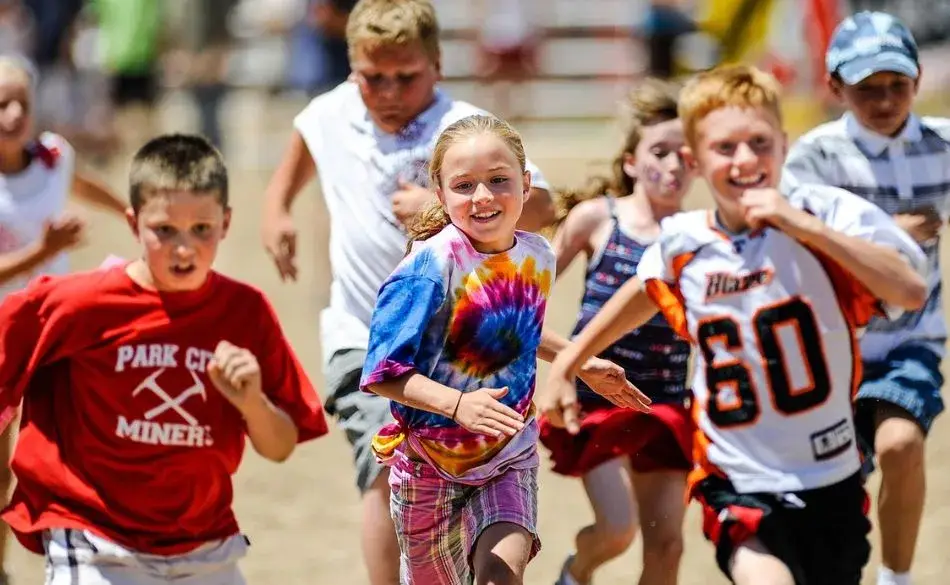
For younger kids, running works best when it looks and feels like play. Short bursts of effort, frequent stops, changes of direction, and plenty of variety match how their bodies are designed to move at that age. These patterns build coordination, balance, and basic strength without placing repeated stress on the same tissues. When running stays playful and flexible, kids usually adapt well and recover quickly.
Trouble often starts when adult-style training shows up too early. Long steady runs, fixed pacing, or pressure to hit distances place demands on muscles and joints that are still developing. Children also recover differently from adults, especially from repetitive loading, and their ability to stay focused during structured sessions is limited. When that mismatch is ignored, injury risk increases, even though running itself has not changed.
Growth plates are often raised as a concern, and it’s reasonable for parents to think about them. Growth plates are areas of developing cartilage near the ends of bones, and normal running does not damage them. What can cause irritation is excessive repetition without enough rest, particularly during growth spurts when the body is already under strain. This is why moderation and variety matter far more than hitting a specific age milestone.
A few signs that running is staying in a healthy zone include:
- The child finishes sessions feeling energetic rather than drained
- Running is mixed with other sports or activities
- Rest days happen naturally without being forced
- There is no pressure around speed, distance, or comparison
When running respects a child’s stage of development, it builds confidence instead of breaking it down. Safety is not about banning running or holding kids back. It is about keeping movement age-appropriate, flexible, and enjoyable so positive habits can grow alongside the child.
Knowing how much running is appropriate for a growing body can be tricky. Too little can limit confidence, while too much too soon can quietly create fatigue or injury. With personalised guidance through our Running Coaching , we help parents and young runners find the right balance between activity, recovery, and enjoyment.
Coaching support focuses on age-appropriate structure, healthy progression, and keeping running positive as kids grow. The goal isn’t performance pressure, but building strong movement habits that last.
Learn More →

How Age, Development, and Growth Matter
If you ask ten parents what age a child “should” start running, you’ll probably hear ten different answers. That’s because there isn’t a single age that works for every child. What matters far more than the number on a birthday cake is how your child is developing right now. Two kids can be the same age and look completely different in terms of coordination, strength, and how well they cope with structured exercise.
For younger kids, the main limiting factor is usually skill rather than fitness. Running well takes balance, rhythm, and body control, all of which are still developing in early childhood. When those pieces aren’t quite there yet, long or repetitive running can feel awkward and tiring very quickly. That doesn’t mean your child is unfit or “bad at running.” It simply means their movement system is still learning, much like reading or writing improves with time and practice, and aerobic fitness develops best through age-appropriate movement rather than formal workouts, as explained in our overview of cardiovascular fitness training and supported by paediatric guidance from the Cleveland Clinic on running for children.
Growth adds another layer to how running feels. During growth spurts, bones often lengthen faster than muscles and tendons can adapt. This can create temporary tightness and make kids feel clumsy or sore after activity. It’s also the stage when certain overuse problems show up more often, particularly around the heel and knee. This is one of the reasons variety and rest become especially important as kids grow.
It also helps to clarify what people mean when they talk about growth plates. Growth plates are softer areas near the ends of bones where growth occurs. Normal play and age-appropriate running do not damage them. What tends to cause irritation is too much repetitive impact without enough recovery, especially when a child is doing the same sport all year with little variation.
Here are a few signs your child may be ready for more structured running:
- They can run with good control without constantly tripping or losing posture
- They recover quickly and are keen to move again the next day
- They enjoy running rather than dreading it
- They can follow simple instructions without feeling pressured
When you match running to your child’s development, the benefits are clear. Your child stays healthier, keeps enjoying movement, and builds a strong foundation that supports running later on, if and when they choose to pursue it.


Recommended Ages for Different Types of Running
There isn’t one perfect age when kids suddenly “start running.” Most children are already running naturally through play from a very young age. The more helpful question is when running shifts from something spontaneous into something that looks like exercise, meaning it becomes structured, repeated, and planned rather than simply part of play.
For younger kids, the safest and most effective foundation is still playful running. Games, short bursts of effort, frequent changes of direction, and plenty of variety suit their bodies far better than steady, repetitive movement. This approach builds skill and confidence without overloading the same tissues. As kids get older, structure can be added gradually, but the clearest sign you’re on the right path is simple: your child finishes sessions feeling good and is keen to do it again.
Parents usually run into trouble when they borrow ideas from adult training. Long steady runs, set pace targets, or chasing weekly mileage rarely make sense for children. Most kids respond better to shorter sessions, regular rest days, and mixing running with other sports or activities that use the body in different ways.
If your child wants to take part in a fun run, that can be a great experience. Just keep the goal straightforward. Aim to finish comfortably, celebrate the effort, and avoid language about pushing through discomfort. Kids adapt quickly, but they also burn out quickly when running stops being enjoyable.
The guide below is not a strict rulebook. It’s a practical starting point that you can adjust based on your child’s coordination, enjoyment, and how well they recover between sessions.
👉 Swipe to view full table
| Age Range | Best Type of Running | Typical Session Length | Weekly Frequency | Main Focus | What to Avoid |
|---|---|---|---|---|---|
| Under 6 | Free play (chasing, games, short sprints) | 5–15 min broken up | Natural play, no “sessions” needed | Fun, balance, basic movement skills | Planned runs, distance targets |
| 6–8 | Games + short running drills | 10–20 min total, lots of breaks | 1–2 light run-style sessions max | Coordination, rhythm, confidence | Continuous long runs |
| 9–11 | Easy runs + skills (strides, hills as play) | 15–30 min easy | 2–3 sessions if they enjoy it | Good form, steady effort, recovery habits | Pace pressure, weekly mileage goals |
| 12–14 | Structured easy runs + light workouts | 20–40 min easy; short “quality” blocks | 3–4 sessions depending on sport load | Progression, injury prevention, consistency | Hard sessions stacked back-to-back |
| 15+ | More “adult-like” training (still gradual) | 30–60 min depending on goal | 3–5 sessions based on total training load | Goals, pacing, strength, smart progression | Big volume jumps, ignoring soreness |


Common Mistakes Parents Accidentally Make
Most parents who encourage their kids to run are genuinely trying to do the right thing. They want their child to be active, healthy, and confident in their body. The issues that show up are rarely about poor intentions. More often, they come from applying adult training logic to bodies that are still growing and changing.
One of the most common mistakes is assuming that more is always better. With kids, that approach almost never works long term. Adding extra sessions, extending runs, or increasing intensity too quickly can outpace a child’s ability to recover. Kids don’t always complain straight away, but fatigue shows up in subtler ways. Running starts to feel heavy, enthusiasm fades, and small aches hang around longer than they should.
Another problem is introducing structure too early. Timed runs, distance targets, and strict pacing can quickly turn something enjoyable into something stressful. Children don’t need formal training to benefit from running. They need space to move, experiment, and stop when they’ve had enough. When structure arrives before enjoyment, burnout usually isn’t far behind.
Comparison is another trap that catches many families off guard. Watching other kids run faster or farther can quietly shift the focus from personal progress to pressure. Some children take that pressure inward. Others switch off altogether. Neither response supports long-term participation or confidence.
Here are patterns that tend to create problems over time:
- Treating kids like small adults in training plans
- Increasing distance or frequency every week without breaks
- Focusing on results instead of how the child feels
- Ignoring signs of fatigue because “they’ll adapt”
- Letting one sport dominate the entire year
The solution is usually simpler than it sounds. Keep sessions short, build in rest without guilt, and encourage variety across sports and activities. Most importantly, let your child lead the pace of progression. When running stays flexible and responsive, kids develop confidence instead of pressure. That foundation matters far more than any early performance gains.


How to Help Kids Build Healthy Running Habits
If you want your child to keep running as they grow, the goal is straightforward. Running should feel like something they choose to do, not something they have to push through. The strongest long-term habits are built when the experience stays positive, flexible, and pressure-free.
Variety plays a big role here. Kids who move in different ways tend to stay healthier and more motivated over time. Mixing activities spreads load across different muscles and movement patterns, which reduces overuse issues and keeps things interesting. Even if your child enjoys running, adding swimming, cycling, team sports, or simple playground play makes them more resilient and less likely to burn out, which is why broader participation in sport is so important for physical and social development, as outlined in why sport is important for kids.
It also helps to shift the focus away from numbers. Instead of talking about pace or distance, ask how the run felt. Questions like “Did that feel easy or hard?” or “Did you enjoy that today?” encourage body awareness and help kids tune into their own effort. This keeps running from turning into a performance exercise too early.
When structure is added, it should stay light and adaptable. A simple weekly rhythm often works well. One short easy run, one fun speed session built around games, and an optional longer run only if your child wants it is usually enough. Consistency matters, but so does freedom to change plans when energy is low or motivation dips.
A few simple habits also help keep kids comfortable and injury-free:
- Comfortable shoes that fit well and are replaced when worn
- Regular water breaks, especially in warm conditions
- Plenty of sleep, where growth and recovery actually happen
- At least one or two full rest days each week
If your child wants to race, treat it as a celebration rather than a test. Short events work best. Avoid stacking races weekend after weekend. Praise courage, effort, and consistency more than results. And if interest fades for a while, that’s not a failure. It’s normal. Movement can stay part of their life through play and other sports until they’re ready again.
The bigger picture is simple. Healthy running habits grow from enjoyment, gradual progression, and supportive parenting. Protect that foundation, and running can remain part of your child’s life for years, whether they race or simply run for fun.


How Much Running Is Too Much for Kids?
One of the hardest questions for parents isn’t when kids can run, but how much is appropriate once running becomes part of their routine. There’s no universal number that works for every child, because energy levels, recovery speed, maturity, and interest vary widely. What matters most is how running fits alongside the rest of your child’s life, not how much ground they cover.
A useful starting point is making sure running never dominates the week. School, sleep, play, and other sports all place demands on a growing body. When running begins to crowd those out, fatigue tends to build quietly rather than all at once. Kids may still turn up and complete sessions, but the signs show up elsewhere. Enthusiasm drops, concentration fades, and small aches start to linger longer than usual.
Recovery speed is one of the clearest indicators that volume is appropriate. Most kids should bounce back quickly from running. If your child feels flat the next day, avoids movement they normally enjoy, or complains of soreness that lasts more than a day or two, that’s often a sign that the overall load is too high. In these situations, reducing how often they run usually works better than simply shortening every session.
It also helps to let running fluctuate naturally. Some weeks will be more active, especially when kids are playing sport or spending time outdoors. Other weeks will be quieter. That variation is healthy. It gives muscles, joints, and the nervous system space to adapt and reduces the mental fatigue that can come from doing the same thing repeatedly. Long-term consistency matters far more than hitting the same volume week after week.
As a general guide, running should support energy, not drain it. Kids should still have room for spontaneous play, other sports, and full rest days without feeling like they are falling behind. When running becomes one part of an active life, rather than the centre of it, children tend to stay healthier, recover better, and enjoy movement for much longer.


What to Do During Growth Spurts
Growth spurts can change how running feels almost overnight, even for kids who have been active for years. Limbs lengthen quickly, coordination shifts, and muscles often feel tight or unresponsive. Parents commonly notice that a child who ran comfortably a few months ago suddenly looks awkward, tires sooner, or starts mentioning soreness that wasn’t there before.
This phase doesn’t mean something is wrong. It’s a normal part of development. The body is reorganising itself, and that process temporarily affects movement efficiency. During these periods, the goal isn’t to push through or stop completely, but to adjust the load while keeping movement in the picture.
Reducing volume usually helps more than cutting activity altogether. Shorter runs, fewer hard efforts, and extra rest days give the body room to adapt. Adding variety is especially useful here. Activities like swimming, cycling, or simple playground games maintain fitness while reducing repeated impact on the same tissues.
Effort matters more than distance during growth spurts. A run that once felt easy may suddenly feel demanding. Allowing kids to slow down, stop early, or swap a planned run for play keeps frustration low and reduces the risk of overuse issues. Listening to those signals builds trust and helps kids feel supported rather than pressured.
Growth spurts come and go. When parents stay flexible and responsive, most children move through them smoothly. Coordination returns, strength catches up, and running often feels easier again on the other side. Patience during these phases helps protect both the body and the child’s confidence in movement.

Signs Running Is Supporting Your Child, Not Stressing Them
It isn’t always obvious whether running is helping or quietly becoming too much. Kids often want to please adults, and many won’t complain directly even when something feels off. That’s why looking at patterns over time gives far clearer answers than focusing on any single session.
When running is sitting in a healthy place, the signs show up both during training and in daily life. Your child finishes runs feeling okay rather than drained. They’re keen to move again later in the week. Sleep stays solid, appetite is normal, and mood remains steady. Those everyday signals often tell you more than pace or distance ever could.
When load starts to creep too high, warning signs tend to appear gradually rather than all at once. Something just feels different. Enthusiasm dips for no clear reason. Small aches that once disappeared quickly begin to hang around. Fatigue spills over into school or other activities. A child who used to look forward to running may suddenly drag their feet or avoid sessions they previously enjoyed, patterns that often mirror the broader downsides and risks discussed in the disadvantages of sports when training load isn’t well managed.
- Running enthusiasm dropping without a clear explanation
- Minor aches becoming frequent or lingering longer than usual
- Fatigue carrying over into school, play, or other sports
- Avoidance of sessions that were once enjoyable
When these signs show up, the solution is rarely to push harder. Pulling back slightly, adding extra rest, or changing the type of running often resolves things quickly. Kids adapt fast when stress is reduced early, especially when adjustments are made before frustration or injury sets in.
Learning to notice these signals helps parents guide running in a way that supports long-term health and confidence, rather than quietly undermining it.


Final Thoughts on Running Every Day
So, what age can kids start running for exercise? In most cases, kids can run safely from a young age, as long as it looks like play and matches their development. The real risk is not running itself. It is pushing adult-style structure, volume, or expectations onto a body that is still growing.
For younger kids, short bursts, games, and variety are the best “training.” As kids get older, you can gradually add simple structure, but the basics stay the same. Keep sessions short, progress slowly, and protect recovery. During growth spurts, be extra patient, because tightness and niggles are more likely when the body is changing quickly.
The most common mistakes are also the easiest to avoid. Don’t chase distance. Don’t stack hard sessions. Don’t increase load every week without breaks. Instead, aim for consistency, rest days, and mixing running with other sports.
If you keep running enjoyable, flexible, and age-appropriate, your child builds a strong foundation. They stay healthier, recover better, and are far more likely to keep running as they grow.