Quick Answer
Being lean means having a low ratio of body fat to muscle mass. For most people, that’s roughly 10–20% body fat for men and 18–28% for women. It’s not about being skinny or seeing a six-pack — it’s about body composition. You can weigh the same as someone else and look completely different depending on how much of your weight is muscle versus fat. Lean is what you are. Toned is what you see.What Is a Lean Body, Really? (Definition, Metrics, and How You Know You’ve Hit It)
A lean body definition usually means having a low body fat percentage with visible muscle tone. But that doesn’t mean being ripped or shredded. Instead, it’s about having a functional, efficient body that performs well and feels good. You might notice better endurance, fewer joint aches, and more confidence in everyday activities.
For most people, a healthy body fat percentage is:
- Men: around 10–18%
- Women: around 18–25%
This range supports energy, hormone balance, and performance. You don’t need to go lower than this unless you’re training for a sport or competition and even then, it’s temporary. Going too low can negatively affect your immune system, sleep, and recovery.
Think of a lean physique like this: you have enough muscle to move well, enough fat to support your body’s systems, and not so much that it weighs you down. You’re not chasing a single look; you’re aiming for a balance that feels light, energetic, and sustainable.
New research in exercise science also suggests that athletes who stay in this lean range year-round tend to experience fewer injuries and more consistent performance over time.


Toned vs. Lean: What’s the Real Difference (And Which One Do You Want?)
Here’s the thing about the word “toned”. It’s often used to describe what people actually mean when they say lean. But there’s a subtle difference that matters.
Toned vs lean comes down to visibility and context. Toned often refers to looking firm or defined, usually from moderate muscle and lower fat. Lean focuses more on the actual composition of your body. Your ratio of lean mass to fat mass.
So, while they’re related, being toned is the appearance, and being lean is the actual makeup of your body. The same person can look toned or soft at different lighting angles, but their body composition hasn’t changed – that’s what defines lean.
Think of it this way: toned is what you see. Lean is what you are.
Quick check: When you flex, do you feel firmness in your muscles, even if you don’t see definition yet? You might already be leaner than you think. That’s because being lean can be hidden under just a thin layer of fat and often, that’s a healthy place to be.
This matters because chasing only appearance-based goals can lead to burnout or unhealthy patterns. Instead, aim for the lean physique that feels strong and functional.
If you’re focused purely on being toned, you might miss out on strength and long-term function. Lean goes deeper. It’s sustainable, practical, and ultimately, more rewarding.


Lean Muscle vs Bulky Muscle: Understanding the Difference and Choosing What Fits Your Life
This one gets a lot of people stuck. Some worry that if they lift weights, they’ll get bulky instead of lean. But lean muscle vs bulky muscle is really about training style, diet, and body type.
- Lean muscle comes from high reps, controlled form, and often bodyweight or moderate resistance. It promotes endurance, joint stability, and everyday strength.
- Bulky muscle tends to come from heavy lifting, calorie surplus, and hypertrophy-focused programs. It’s great for strength sports but not everyone needs that size.
Your genetics also play a role. Some people naturally put on mass easier than others. Most people, especially women, don’t bulk easily without eating a lot more and training specifically for it.
If your goal is aesthetic fitness goals like being agile, defined, and strong without a lot of mass, you’re aiming for lean.
From my own experience, I added pushups, pullups, and kettlebells instead of barbell lifts for a few months. My body got more defined, my performance went up, and I didn’t feel “heavy” like I did during a bulking phase.
It all comes down to what supports the lifestyle and look you’re after.
One key difference? Lean muscle supports versatility. You’ll move better across different sports and activities. Bulky muscle may limit mobility or speed, depending on your sport. Choose based on what excites you, not what fitness trends suggest.
How to Get Lean Without Losing Strength: The Sweet Spot Most People Miss
The real challenge? Fat loss without muscle loss. And it’s the key difference between just being lighter versus being leaner.
To achieve that, you need to:
- 1. Lift weights consistently. Muscle is metabolically active – you lose it, your metabolism slows.
- 2. Eat enough protein. Around 1.6–2.2g per kg of body weight helps retain muscle during fat loss.
- 3. Create a small caloric deficit. Aim for slow, steady fat loss (0.5kg/week max).
- 4. Recover well. Sleep, stress, and rest days matter more than you think.
The mistake most people make? Cutting calories too quickly or skipping strength work. That leads to shrinking your body, but not improving your body composition.
Insider tip: Instead of always cutting, alternate with maintenance or slight surpluses to build strength. Then go back to leaning out. It’s called periodization, and athletes use it year-round to stay strong and sharp.
To protect muscle while cutting, include full-body strength sessions twice a week. Not sure where to start? Explore this complete guide to gym exercises specifically for runners.
Keep cardio to 2–3 times max, and track your sleep. If you’re waking up sore and dragging, it might be time to adjust.
For comprehensive guidelines on physical activity and its health benefits, refer to the World Health Organization’s fact sheet on physical activity.

Lean Muscle vs Bulky Muscle: A Side-by-Side Comparison You Need to See
| Feature | Lean Muscle | Bulky Muscle |
|---|---|---|
| Training Style | Higher reps, moderate weight | Lower reps, heavy weight |
| Goal | Definition, endurance | Size, maximum strength |
| Appearance | Slim, athletic | Fuller, thicker muscle |
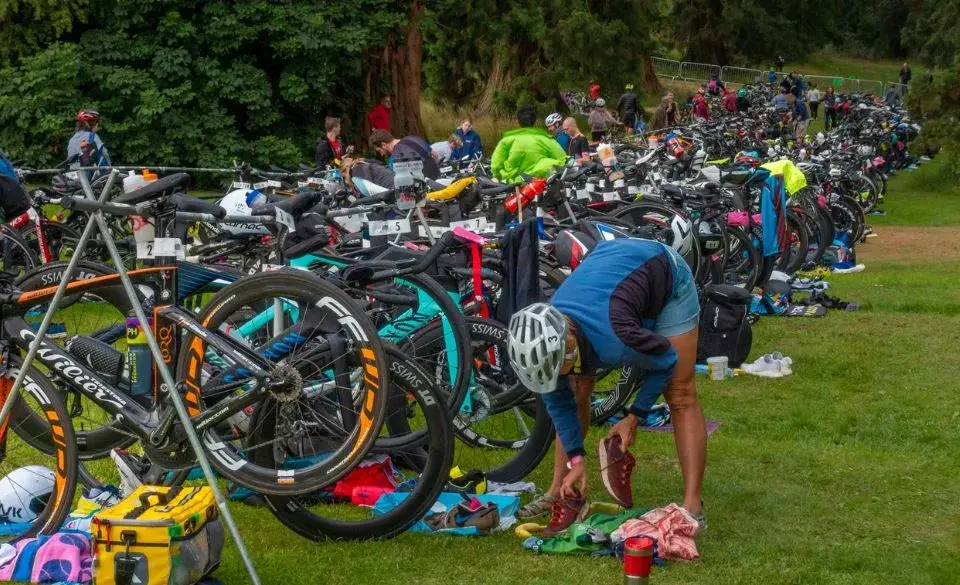
| Common Sports | Running, triathlon, fitness classes | Bodybuilding, powerlifting |
| Nutrition Strategy | Slight deficit or maintenance | Calorie surplus with high protein |
As you can see, lean muscle vs bulky muscle comes down to intent, training style, and nutritional approach. There’s no “better” option. Just the one that fits your goals. If you want to move efficiently, stay agile, and look defined, leaning out may be the smarter route.
What Counts as Lean? Healthy Body Fat % Ranges Explained
| Category | Men (%) | Women (%) |
|---|---|---|
| Essential Fat | 2–5% | 10–13% |
| Athletes | 6–13% | 14–20% |
| Lean/Healthy | 10–18% | 18–25% |
| Average | 18–24% | 25–31% |
| Obese | 25%+ | 32%+ |
If you’re aiming for a lean physique, the highlighted ranges above are ideal. They support energy, performance, and sustainable health without pushing your body into extremes. Remember, going below the essential fat range isn’t just unnecessary. It’s dangerous.
Instead, aim for a healthy middle ground that keeps you feeling strong and functional all year long.
Curious if running changes how your lower body looks? Here’s a detailed guide on whether running actually slims your legs.


FAQ: Being Lean
What body fat percentage is considered lean?
Generally 10–20% for men and 18–28% for women. Athletes often sit at the lower end. Being lean doesn’t require extremely low body fat — it’s about a healthy ratio of muscle to fat.
Is lean the same as skinny?
No. Skinny typically means low body weight with little muscle. Lean means low body fat with good muscle mass. Two people can weigh the same but look very different based on body composition.
Will lifting weights make me bulky instead of lean?
Unlikely. Building bulk requires heavy lifting, calorie surplus, and often years of dedicated training. Moderate resistance training with controlled form builds lean muscle, not size.
What’s the difference between toned and lean?
Toned describes how you look — firm and defined. Lean describes your actual body composition — the ratio of muscle to fat. You can be lean without looking toned depending on lighting and posture.
How do I get lean without losing muscle?
Eat enough protein (1.6–2.2g per kg of body weight), strength train 2–4 times per week, maintain a slight calorie deficit, and prioritise sleep. Avoid extreme diets that strip muscle along with fat.


Final Thoughts: What Does It Really Mean to Be Lean?
So, what does it mean to be lean? It means finding the version of your body that feels light, strong, and energized. It’s not about extremes. It’s about consistency, quality habits, and showing up for your body in a way that makes life feel better.
Lean isn’t a look. It’s a result of healthy actions. If you focus on strength, recovery, and smart eating, the results will follow.
Whether you’re just starting or refining your routine, know this: being lean is absolutely possible, even if it’s felt out of reach in the past.