What Happens to Your Body When You Run on an Incline?
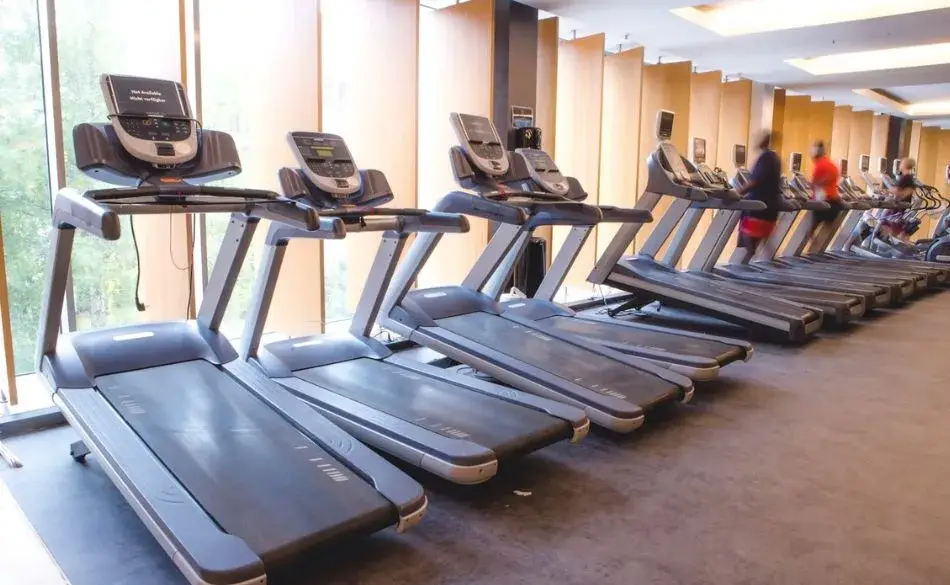
Running on an incline does more than just make your treadmill session feel tougher. It changes how nearly every muscle in your lower body works, forcing them to produce more power with every step. When you raise the running machine incline, your body begins to adapt instantly and the benefits go far beyond stronger legs.
Your glutes, hamstrings, and calves all fire more intensely to push your body upward against gravity. At the same time, your core muscles stabilize your hips and spine to keep your stride balanced. This combination builds real-world running strength that transfers beautifully to outdoor hills and trails.
Improved Cardiovascular Efficiency
An incline increases the workload on your heart and lungs. You breathe deeper, your heart rate climbs faster, and your body learns to use oxygen more efficiently. Over time, this improves your aerobic endurance, which is why even elite runners add incline treadmill workouts to their base training.
Increased Calorie Burn
Here’s the science: a 5% treadmill gradient can boost calorie expenditure by 50% compared to flat running. That means you burn more fat in less time. If your goal is weight loss, adding short uphill treadmill workouts is one of the fastest ways to accelerate progress.
Lower Joint Impact
Surprisingly, incline running can reduce impact on your knees and shins. Because your feet land slightly under your center of mass, you experience less braking force. This makes home treadmill incline training a safer choice for runners recovering from minor injuries or rebuilding mileage.
The next time you step on the treadmill, think of incline not as “harder mode,” but as a smarter way to strengthen your body, boost endurance, and protect your joints.
Curious how indoor running compares to outdoor training? Our article Is It Easier to Run on a Treadmill? breaks down why treadmill workouts often feel different and how small adjustments to incline and pace can make them more realistic.
Stop guessing your workouts and start training with purpose. Our Running Training Plans are designed by expert coaches to help you train efficiently, improve endurance, and reach your goals with confidence.
Each plan is tailored to your fitness level, schedule, and race goals. You’ll follow clear, progressive workouts that build strength, stamina, and consistency—all without the risk of burnout or confusion.
Delivered through TrainingPeaks, your program includes pace and heart-rate targets, recovery guidance, and detailed session notes. It adapts as you improve, helping you stay motivated and on track week after week.
Train with structure. Build confidence. See real progress in every run.
Explore Running Training Plans →

What Is the Best Incline to Run On for Different Goals?
There’s no single perfect incline that suits everyone. The best running machine incline depends on your goals, whether you want to build endurance, burn fat, or develop climbing power. Understanding how each level affects your body helps you train smarter and avoid overdoing it.
Below is a quick guide that breaks down the most effective treadmill incline settings for different goals. These are the same principles I use when coaching athletes who train indoors during the off-season.
👉 Swipe to view full table
| Goal | Incline Range | Recommended Duration | Key Benefit |
|---|---|---|---|
| Simulate Outdoor Running | 1–2% | All runs | Mimics road resistance and improves running economy |
| Fat Burn & Weight Loss | 3–5% | 20–30 min steady pace | Boosts calorie burn by up to 50% |
| Strength & Power | 6–8% | Short intervals (1–3 min) | Activates glutes and hamstrings for explosive drive |
| Hill Simulation for Races | 8–12% | Intervals or repeats | Builds climbing endurance and mental toughness |
| Walking Recovery | 2–4% | 10–20 min | Gentle active recovery with low impact |
Think of the incline like gears on a bike. Lower settings are ideal for endurance and comfort, while higher gradients build strength and stamina. By changing your treadmill incline levels week to week, you can simulate hill running and keep your workouts fresh.
For most people, a slight incline of 1–2% is enough to mimic outdoor conditions. Intermediate runners can experiment with incline treadmill workouts at 3–5% for added resistance. Those preparing for hilly races can safely push between 6–10% for short, controlled efforts.


How to Use Incline Training Safely and Effectively
Before cranking up your running machine incline, it’s important to understand how to use it safely. Incline workouts are powerful, but they can easily lead to fatigue or injury if your body isn’t ready. The key is gradual progression and listening to your body’s feedback during each session.
When you increase your treadmill incline levels, your muscles and joints experience higher forces than they would on a flat surface. This means proper form and pacing matter even more. Keep your posture upright, avoid leaning too far forward, and focus on short, quick steps. Think of it as driving uphill, steady power beats sudden bursts.
For beginners, start with short sessions at a lower treadmill gradient percentage. Gradually add time or incline each week to build strength safely. Intermediate and advanced runners can use incline intervals to simulate race hills or boost power output. Remember, recovery is part of the process. That means balancing your incline sessions with easy runs or rest days.
Tips for Safe Incline Training
- Warm up for 5–10 minutes before increasing incline.
- Use a 1–2% incline for base training to mimic outdoor effort.
- Limit high inclines (8%+) to short intervals, not entire runs.
- Focus on cadence and form, not just incline percentage.
- Cool down with a gentle decline or flat surface walk.
When I coach athletes who struggle with knee pain, we often replace outdoor hills with controlled home treadmill incline training. It allows them to keep intensity high without the uneven terrain or hard impact of the road. With the right structure, incline workouts can be one of the safest and most effective tools in your training plan.


Incline Workouts You Can Try
Now that you understand how to train safely, let’s put that knowledge into action. The following incline treadmill workouts are designed for different fitness levels and goals. Each workout builds endurance, strength, and speed while keeping the effort fun and manageable. Adjust speed or incline as needed—your goal is steady effort, not exhaustion.
These sessions are similar to what I use when coaching athletes preparing for races during the winter months. They combine structured intervals with recovery periods, allowing runners to improve without burning out. Even if you’re new to treadmill incline training, you’ll quickly notice better leg strength and cardiovascular fitness after a few weeks.
Beginner Incline Workout- Warm up for 5 minutes at 0–1% incline, easy pace.
- Run 3 minutes at 2% incline, then recover 2 minutes flat.
- Repeat 5 rounds total.
- Cool down 5 minutes flat, walk or slow jog.
- Warm up for 8 minutes at 1% incline.
- Alternate 4 minutes at 4% incline and 2 minutes flat recovery.
- Repeat 6 rounds.
- Cool down 5 minutes flat.
- Warm up 10 minutes at 1% incline.
- Run 2 minutes at 6% incline, 1 minute flat jog recovery.
- Repeat 8–10 times for high-intensity climbing strength.
- Finish with 5 minutes at 2% incline, steady pace cool down.
Each of these incline treadmill workouts targets different aspects of running performance. Beginners develop endurance and form, intermediates build strength, and advanced athletes train for climbing efficiency. Adjust duration or incline based on your goals, and always focus on running tall with relaxed shoulders. Over time, these simple routines can completely transform your indoor training results.


Mistakes People Make With Treadmill Incline Training
Even the best athletes make mistakes when using the running machine incline. These small errors can limit your progress, increase fatigue, or even cause injury. The good news is that once you understand what to avoid, you’ll train smarter and get more out of every session.
One of the biggest issues is overdoing the incline. Many runners assume that higher is always better, but running too steep too soon can strain your calves and Achilles tendon. Studies show that spending long periods above 8% incline dramatically increases muscle fatigue and stress on the lower legs. Instead, reserve steep climbs for short intervals and focus on consistency rather than intensity alone.
Another common problem is leaning too far forward. When your torso tips ahead of your hips, your stride shortens, and your back muscles take unnecessary load. Keep your body tall and relaxed, with your eyes forward and your arms swinging naturally. Think of your posture as a string pulling you upward—stable, balanced, and light on your feet.
Speed is another factor many get wrong. Pushing pace and incline together creates unnecessary strain on your joints and cardiovascular system. For most workouts, it’s better to adjust one variable at a time. Either raise the incline or increase the speed, not both simultaneously. This approach prevents overtraining and allows you to monitor effort more accurately.
Finally, skipping the warm-up or cool-down is a recipe for tight calves and sore hamstrings. Always give your body time to adapt by starting flat and gradually increasing the treadmill gradient percentage. End each session with a gentle walk at 0–2% incline to relax your muscles and stabilize your heart rate.
A few small adjustments (like proper posture, progressive incline changes, and balanced speed) can make your treadmill incline workouts safer and far more effective. Mastering these basics ensures you get stronger without unnecessary setbacks.
Ready to take the next step toward your marathon goal? Our professional Marathon Running Training Plan gives you everything you need to build endurance, train smarter, and cross the finish line feeling strong and confident.
Each program is designed around your schedule and fitness level, combining long runs, targeted speed work, and recovery blocks that improve strength and stamina. Every workout has a clear purpose so you can train with direction instead of guesswork.
Delivered through TrainingPeaks, your plan adapts as you improve, complete with pace zones, heart-rate guidance, and ongoing feedback from experienced marathon coaches. Step by step, you’ll develop the rhythm, endurance, and focus to perform your best on race day.
Build confidence, stay consistent, and run the marathon you’ve always wanted.
Get Your Marathon Plan →

How Incline Affects Different Muscle Groups
One of the biggest advantages of using the running machine incline is how it targets specific muscles that often get overlooked on flat runs. By increasing the slope, you shift the workload toward your lower body’s power engines (your glutes, hamstrings, and calves) while engaging your core to stabilize your stride.
At lower incline levels (1–3%), your body still relies heavily on your quads and calves for propulsion. As the incline rises to 4–6%, your glutes and hamstrings take on a greater role, helping you drive your hips forward and upward. This mimics the natural motion of outdoor hill running, where every step requires both strength and control.
Your treadmill incline workouts also train your stabilizing muscles. Especially your core, hip flexors, and lower back. These muscles keep your posture tall and balanced when fatigue sets in. Over time, that stability translates to improved running form and efficiency on flat terrain as well.
Another often overlooked benefit is foot and ankle strength. Running at an incline slightly changes your foot strike pattern, reducing heel impact and encouraging a midfoot landing. This shift activates smaller stabilizing muscles in your ankles and feet, lowering your risk of overuse injuries like shin splints or plantar fasciitis.
To get the most out of incline training, vary your treadmill gradient percentage each week. Low inclines build endurance, midrange inclines build muscle tone, and steep climbs improve power. Think of it as a full-leg workout in motion. One that builds strength naturally through controlled resistance rather than added weights.
Curious about how runner-specific strength training blends into your treadmill sessions? Check out our detailed article on Can Runners Build Muscle? which explains how endurance athletes can safely gain muscle without sacrificing speed.


Best Incline Workouts for Fat Burn and Weight Loss
If your goal is to shed fat or tone up, using the running machine incline is one of the most effective ways to do it. Increasing incline intensity raises your heart rate faster than flat running, which means you burn more calories in less time. The bonus is that it’s gentler on your joints while still delivering a serious workout.
Research shows that a 5% treadmill gradient percentage can boost calorie burn by nearly 50% compared to running on level ground. Incline training also increases fat oxidation, meaning your body becomes better at using stored fat as energy. This is why many endurance athletes and fitness enthusiasts include incline sessions when aiming for body composition changes.
According to a detailed analysis by Healthline, treadmill incline walking at grades as high as 10% and 16% significantly increases heart rate and muscle activation compared to flat workouts. Walking on an Incline: Benefits, Drawbacks, and How to Start
For best results, keep your workouts structured rather than random. Alternating between moderate and steep inclines keeps your metabolism elevated long after you finish exercising. A phenomenon known as excess post-exercise oxygen consumption (EPOC). Here are three sample treadmill incline workouts that are highly effective for fat loss:
Fat-Burning Incline Workouts
- Steady Climb: Walk or jog for 30 minutes at 3–5% incline, maintaining a consistent pace. Perfect for beginners and recovery days.
- Incline Intervals: Alternate 2 minutes at 6–8% incline with 2 minutes at 1–2% recovery for 25–30 minutes. Builds endurance and maximizes calorie burn.
- Pyramid Session: Start at 2% incline, increase by 1% every 2 minutes up to 8%, then lower it back down. Total time: 35–40 minutes. Keeps the workout engaging and efficient.
Try to complete one or two of these incline treadmill workouts each week. Pair them with proper nutrition and strength training, and you’ll see noticeable results in endurance, body composition, and overall energy levels.
For even more variety and progression, explore our full list of 10 treadmill workouts designed for runners at all levels: 10 Treadmill Workouts for Runners. If you’d like to dive deeper into hill-specific speed and strength workouts, check out our full guide on Mastering Treadmill Hill Workouts which explores advanced incline training and why it matters.


Building Strength and Endurance with Incline Intervals
Incline intervals are one of the most efficient ways to build both muscular and cardiovascular endurance. When you alternate between periods of climbing and recovery, your body adapts by becoming stronger, faster, and more resilient. The running machine incline gives you total control over how much resistance you add, making it a powerful tool for structured interval training.
When you run uphill, your glutes, hamstrings, and calves contract more forcefully to push you forward. Over time, this repeated effort develops power that translates directly into faster flat running. Meanwhile, your heart and lungs work harder to deliver oxygen to those muscles, improving your aerobic endurance and energy efficiency. It’s the perfect balance of strength and stamina training in one workout.
For endurance building, moderate gradients between 3–6% work best. High inclines above 8% can be reserved for short bursts of strength work or when preparing for hilly races. Here’s an example progression to build both endurance and strength:
Incline Interval Progression
- Weeks 1–2: 4 × 3-minute intervals at 3% incline, 2-minute recoveries flat.
- Weeks 3–4: 5 × 3-minute intervals at 4% incline, 90-second recoveries.
- Weeks 5–6: 6 × 2-minute intervals at 5–6% incline, 1-minute recoveries.
- Weeks 7–8: Mix 2-minute climbs at 6–8% with 1-minute flats for strength and speed.
This structure keeps your effort manageable while progressively increasing challenge. You can adjust incline or duration depending on your goal (higher slopes for power, longer intervals for endurance). Pairing these incline treadmill workouts with easy recovery runs ensures your muscles adapt without overtraining.
The result? Stronger legs, a more efficient stride, and a higher level of aerobic fitness. Over time, your body learns to sustain harder efforts with less fatigue, making incline intervals one of the smartest training methods for long-term improvement.
If you’re looking to push your speed to the next level after mastering incline intervals, check out our treadmill sprint workout guide for high-intensity sessions that build explosive power and running efficiency.
Ready to run with more confidence and purpose? Our personalized Running Coaching programs help you train efficiently, improve endurance, and achieve consistent progress that lasts.
Each plan includes customized pace targets, heart rate and power guidance, and structured workouts designed to match your goals. You’ll develop a better sense of rhythm, effort, and control in every run.
Delivered through TrainingPeaks, your program adapts weekly based on your performance. Our experienced coaches analyze your data and provide feedback to keep you improving while avoiding burnout.
Stop second-guessing your training. Start building fitness with structure, feedback, and a plan designed just for you.
Explore Running Coaching →

Incline Running vs Outdoor Hill Training
Many runners wonder whether training on a Treadmill can truly replace outdoor hill workouts. The short answer? It can come very close. While the treadmill can’t mimic every variable of the outdoors, it provides unmatched control and consistency, making it an essential tool for structured training.
The biggest difference lies in terrain and environment. Outdoor hills include changes in surface texture, wind resistance, and unpredictable gradients. These factors engage more stabilizing muscles and challenge your coordination. In contrast, the treadmill offers a smooth, predictable surface that reduces impact and allows you to fine-tune your treadmill incline levels without worrying about footing or weather conditions.
From a physiological standpoint, the benefits are strikingly similar. Studies show that both outdoor hill running and treadmill incline training improve aerobic endurance, leg strength, and running economy. The key advantage of the treadmill is that you can replicate the same climb repeatedly, making it ideal for tracking performance or practicing pacing.
Another benefit of indoor incline running is safety and convenience. You can perform steep hill intervals without searching for a hill or dealing with traffic. This is especially valuable for athletes who live in flat areas or train during winter months when outdoor routes might be unsafe or icy.
However, treadmill incline training lacks one element that outdoor hills naturally develop, downhill conditioning. Running downhill builds eccentric strength in the quads and teaches you to handle the impact of gravity. To balance both worlds, combine incline treadmill workouts with occasional outdoor hill sessions or gentle downhill strides when possible.
In short, incline running is not a replacement but a powerful complement to hill training. It provides the same cardiovascular and muscular benefits with greater control, reduced risk, and year-round accessibility. For runners who enjoy alternative treadmill styles, our manual treadmill guide explores how curved and self-powered designs change running mechanics, effort, and muscle activation.

Making the Most of Your Running Machine Incline
Now that you know how to use your running machine incline effectively, it’s time to put it all together. Whether your goal is to burn fat, build endurance, or prepare for hills on race day, the key is balance. Incline training should feel challenging but never punishing. Each run should leave you stronger, not more tired.
The most successful athletes I coach use incline sessions as part of a complete plan. They mix flat runs for speed, hill intervals for strength, and recovery runs for mobility. This variety keeps progress steady and motivation high. The beauty of treadmill incline training is that you can control every variable (speed, slope, and time) to match your exact fitness level.
Remember, even a small change in incline can have a big effect. A 1–2% treadmill gradient percentage may seem minor, but it’s enough to boost energy expenditure and replicate outdoor running. When used strategically, those adjustments can help you maintain form, prevent injury, and get more value from every step.
If you’ve been avoiding the incline button, now’s the time to start using it with purpose. Add one incline workout a week and build from there. Track how your body responds (your heart rate, breathing, and recovery) to find your sweet spot. With consistency and smart progression, you’ll soon feel the power that incline training brings to your fitness and confidence.