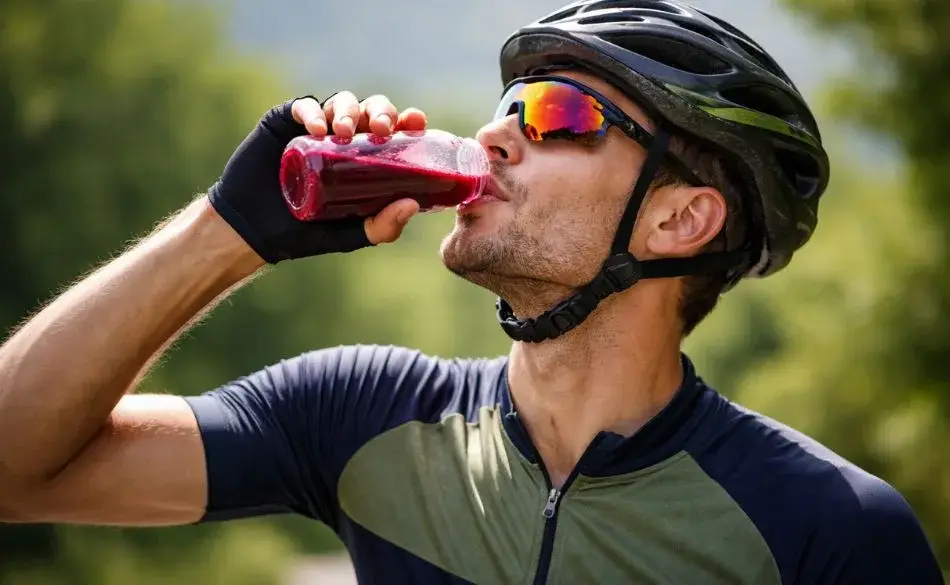
What Should You Eat Before a 10k Run to Feel Your Best?
When you’re getting ready for a 10k, your food needs to do two things: give you steady energy and sit comfortably in your stomach. Many runners want to know the best foods to eat before a 10k run, but the truth is that the “best” choice always depends on what your body tolerates and how early you’re eating. Still, there are clear patterns that help most runners feel steady, light, and well-fuelled from start to finish.
Your body relies heavily on carbohydrates during a 10k. Even if you’ve eaten well the day before, your morning meal helps top up the last bit of fuel your muscles need. Think of it like filling a small gap in your energy tank. You don’t need a huge meal, but you do need something that digest easily and supports steady effort.
This is why most runners gravitate toward simple carbohydrate sources. Foods like toast, oats, bananas, rice cakes, or a small bowl of cereal break down quickly and provide clean, usable energy. When you stick to foods that are familiar and gentle on your stomach, you reduce the risk of discomfort once the race begins.
Here’s the thing about pre-run meals: comfort matters just as much as performance. If you choose something new or too heavy, your stomach may tighten as soon as you start moving. A 10k is long enough that poor food choices can affect your pace, but short enough that you don’t have time to recover from mid-race discomfort.
So ask yourself: What foods make me feel light, calm, and ready to move? That answer is usually the right starting point. Over time, you’ll gain confidence as you learn what supports your energy and what slows you down. For most runners, it becomes surprisingly simple once you find your rhythm.
This same approach to choosing simple, reliable foods also helps in shorter races, and you can learn more in our guide on what to eat before a 5k if you want to compare fueling strategies.
If you're preparing for a 10k and want guidance that supports both smart fueling and strong running, our Running Coaching gives you a personalised plan built around your pace, lifestyle, and nutrition needs.
Your coach reviews every session in TrainingPeaks, helps you fine-tune pre-run meals, and ensures your workouts and fueling work together so you arrive on race day energised and confident.
With expert support and a structured program, you can improve your energy, reduce stomach issues, and run your next 10k with more comfort and control.
Learn More →

What to Eat 2 Hours Before a 10k for Steady Energy
About two hours before your 10k, your body is in the perfect window to take in fuel that boosts energy without weighing you down. Many runners wonder about what to eat 2 hours before a 10k, and the answer is surprisingly simple. You want a small meal that tops up your glycogen levels while still giving your stomach enough time to digest. This window helps you start the race feeling balanced, calm, and steady.
Think of this meal as your main source of energy for the first half of the race. You’re not trying to feel full. You’re trying to feel supported. Foods that are low in fiber and low in fat work especially well here because they digest smoothly and keep your stomach settled once the pace increases, and you can explore more guidance in this Mayo Clinic article on fueling your run if you want deeper insight.
You might notice how your body responds differently depending on the morning. Some days, you feel ready for a bit more food. Other days, your stomach wants something lighter. Both are completely normal. Listening to these small signals helps you choose the right amount without overthinking it. The most important part is choosing foods that you trust to sit well.
Here are some simple options that many runners use in this time window:
- Toast with a thin layer of honey
- A small bowl of oatmeal with banana slices
- Rice cakes with a little jam
- A plain bagel or half a bagel
- A sports drink if you prefer liquid fuel
These foods offer enough carbohydrates to boost your energy without creating heaviness. They also provide consistency, which becomes one of your biggest advantages on race day. When you choose foods you trust, your confidence grows. That confidence shows up in your stride, your breathing, and your ability to stay relaxed during the early miles of the race.


How Long Before a 10k Should You Eat for the Best Results?
Many runners struggle with timing, and it’s one of the biggest factors affecting how you feel once the race begins. A common question is how long before a 10k should I eat, and the ideal answer depends on the type of meal you choose. The goal is to give your body enough time to digest while keeping your energy stable and ready for the faster effort of a 10k.
Most runners do best when they eat their main pre-run meal between one and three hours before the race. This window helps your stomach settle, reduces the chance of cramps, and gives your body time to absorb the carbohydrates you need. If you’re someone who wakes up feeling hungry, a three-hour window may feel more comfortable. If you prefer lighter meals, eating closer to the one-hour mark can still work well.
You can think of timing as a sliding scale based on how your stomach reacts. A larger meal needs more digestion time. A small snack needs less. Here are some simple ways to guide your timing:
- If your meal is larger or includes oats, toast, or fruit, aim for 2–3 hours before the race.
- If you prefer something small like a banana or a rice cake, 45–90 minutes is often enough.
- If nerves make eating difficult, a sports drink taken 30–60 minutes before the start can help maintain steady energy.
Asking yourself how your stomach feels on race morning can help you make the right call. Some runners feel relaxed and ready to eat earlier. Others feel tense and need a lighter, later snack. Both approaches can work. What matters most is that you feel comfortable and confident when you step up to the start line.
A helpful tip is to test your timing during training. When you practice eating before key runs, your body learns what to expect. That practice becomes one of the best tools you have on race day, because a familiar routine creates steady energy and fewer surprises once your pace increases.


What to Eat the Night Before a 10k to Set Up a Strong Race
The meal you choose the night before your 10k quietly shapes how you feel on race morning. Many runners ask about what to eat the night before a 10k, and the answer is simpler than most people expect. Your goal is to support your glycogen stores without weighing yourself down or causing stomach discomfort the next day. The best meals tend to be familiar, balanced, and easy to digest.
Your dinner doesn’t need to be huge. In fact, eating too much can leave you feeling heavy, bloated, or restless. What you want is a steady supply of carbohydrates paired with small amounts of protein. This combination helps you sleep well, maintain stable energy overnight, and wake up feeling ready instead of drained. Foods like rice, pasta, potatoes, or noodles often work well because they digest smoothly and give your muscles something to draw from when the race begins.
Another helpful way to think about this meal is to picture your muscles as storage shelves. The night before the race is when you place the final items on those shelves. You don’t need to stack them to the ceiling. You just need them full enough that your body doesn’t run low during your harder effort the next day. Simple meals like chicken and rice, pasta with a light sauce, or a baked potato with a small portion of protein are often enough to do the job well.
Hydration also plays a big role here. Drinking water throughout the day helps your body stay balanced, but you don’t need to overload. Sipping steadily is more effective than trying to “catch up” late at night. Many runners find that when they eat a light, familiar dinner and stay gently hydrated, they sleep better and wake up feeling more settled and confident.


Foods That Won’t Upset Your Stomach Before Running
One of the biggest worries runners face before a 10k is stomach discomfort. Even when your training feels strong, the wrong pre-run food can lead to cramps, bloating, or an urgent stop mid-race. That’s why choosing foods that won’t upset your stomach before running can be one of the smartest parts of your entire race strategy. These foods help you feel light and steady so you can focus on your pace instead of your gut.
Most runners do well with foods that are low in fiber, low in fat, and low in protein. These three factors influence how quickly your stomach empties, and faster digestion usually means better comfort once the race begins. When your food moves smoothly through your system, your body can use the energy without slowing you down or putting stress on your digestive tract.
Here are some common foods that tend to sit well before a 10k:
- White toast with honey or jam
- Plain bagel or half a bagel
- Bananas
- Rice cakes with a small amount of jam
- Low-fiber cereal with a small amount of milk or a milk alternative
- Instant oats prepared lightly and without heavy toppings
These foods are simple, predictable, and easy for your body to process. The key is choosing items you’ve eaten before, especially during training. If your stomach reacts poorly to new foods on regular days, it’s even more likely to react on race morning when nerves and adrenaline are higher than usual, and you can learn more about how flexible your diet really can be in our Can Runners Eat Whatever They Want article.
This is also where small adjustments can make a big difference. If you know dairy feels heavy, choose a plant-based option. If fiber bothers you, avoid whole grains and seeds. Trusting what you already know about your body helps you feel more relaxed and in control. The more comfortable your stomach feels, the smoother your stride becomes, and the easier it is to settle into your race pace with confidence.

Foods That Give Runners Energy When It Matters Most
A 10k may feel short compared to longer races, but you still need steady, reliable fuel to perform well. Choosing foods that give runners energy helps you stay strong through the middle miles, where most people begin to fade. These foods don’t just boost energy physically; they also give you confidence because you know you’re starting the race with the support your body needs.
Carbohydrates make the biggest impact here. They provide the quickest and most efficient energy source for running at moderate to high intensity, and you can explore more options in our guide to foods high in carbohydrates if you want help choosing reliable fuel sources. When your muscles have enough available fuel, your stride feels smoother and your breathing stays more controlled. Runners often notice that when they choose foods that digest cleanly, they feel lighter on their feet and more able to push during the parts of the race that require focus.
One of my coaching clients once struggled with fatigue halfway through nearly every 10k. After reviewing her routine, we discovered she wasn’t eating enough before the race. She relied on tiny snacks because she was afraid of stomach issues. Once she shifted to a small, balanced meal with simple carbohydrates, her entire race experience changed. She finished her next 10k without that familiar slump and told me it felt like a “completely different body” carried her through the final kilometers.
The foods that support your energy best are usually the ones that are familiar, predictable, and easy on your stomach. You don’t need anything fancy or complicated. What you need is enough fuel to help your muscles fire with strength and consistency. When your energy stays steady, it becomes easier to pace well, stay relaxed, and finish with a sense of control.
The most important thing is noticing how your body responds during training. The foods that make you feel stable and positive during practice runs are usually the same ones that help you perform well on race day. Energy isn’t just physical; it’s the feeling of readiness that comes from choosing foods your body trusts.

Choosing the Best Timing Strategy for Your 10k Pre Run Meal
Not every runner eats at the same time before a 10k, and that’s why choosing the right fueling strategy can make such a big difference in how strong and comfortable you feel on race day. Some runners prefer a full meal a few hours before the start, while others do better with a light snack closer to the race. Each approach has its own benefits, challenges, and digestion demands. Understanding these patterns helps you choose the timing that supports your energy and avoids stomach stress once you begin your effort.
The comparison below shows how a meal eaten 2–3 hours before the race differs from a snack eaten 45–90 minutes before. This makes it easier to match your fueling to your routine, your stomach comfort, and how much energy you need for the pace you plan to run.
👉 Swipe to view full table
| Category | Meal 2–3 Hours Before | Snack 45–90 Minutes Before |
|---|---|---|
| Energy & Performance | Provides a steady and longer-lasting energy release for strong overall pacing. | Gives a faster energy boost for runners who prefer lighter digestion. |
| Digestion Needs | More time allows for a slightly larger meal to settle comfortably. | Requires simple, low-fiber foods to avoid stomach discomfort. |
| Consistency | Easier for runners who thrive on structured routines and early fueling. | Ideal for runners who struggle to eat early or feel anxious before races. |
| Risk of Stomach Issues | Lower risk if familiar foods are used and portion sizes stay moderate. | Higher risk if foods are too heavy or eaten too close to the start. |
| Sleep & Morning Comfort | Helps runners who wake up hungry and need a full breakfast. | Helps runners who don’t feel ready for a full meal early in the day. |
| Best For | Runners wanting stable energy and more digestion time. | Runners needing quick fuel or sensitive stomach support. |
This comparison shows that both timing approaches can work well for a 10k. If you like bigger meals, eating earlier gives your body time to process food comfortably. If you prefer smaller snacks, eating closer to the race can give you quick energy without heaviness. The best choice is the one that keeps your stomach calm and your confidence high when you head to the start line.
If you're training for a 10k and want a clear, structured plan that supports your pacing, fueling, and weekly progress, our 10km Running Training Plan gives you a step-by-step program designed to build speed, endurance, and confidence.
The plan is delivered through TrainingPeaks and includes progressive workouts, smart recovery guidance, and practical tips for pre-run fueling so you perform your best on race day.
Whether you're aiming for a personal best or running your first 10k, you'll have a proven structure that keeps you consistent and race-ready.
View the 10k Plan →

How Hydration Shapes Your Energy and Comfort Before a 10k
What you drink before a 10k matters just as much as what you eat. Good hydration helps your muscles contract smoothly, supports your blood flow, and keeps your stomach comfortable once the pace increases. Many runners think hydration is only about drinking water the morning of the race, but it actually starts the day before. When you spread out your fluids, your body stays balanced without feeling heavy or rushed.
Aim to sip water steadily throughout the day before your event. You don’t need to drink excessively, and you definitely don’t need to chug large amounts right before the race. Overdrinking can make your stomach feel sloshy or unsettled. What you’re looking for is gentle, steady hydration that keeps your urine pale yellow but not completely clear. This is a sign your body is absorbing what it needs without flushing out electrolytes.
On race morning, your hydration approach depends on how early you wake up and how your stomach feels. If you tend to feel nervous before a race, smaller sips may work better than drinking a full bottle at once. You can think of your hydration like tuning an instrument: small adjustments help you feel more in control, while big swings can overload your system.
Electrolytes can also help if you’re someone who sweats heavily or if the weather is warmer than usual. A light electrolyte drink provides sodium, which helps your body hold onto the fluid you take in. This keeps your muscles firing consistently and reduces the chance of early fatigue from dehydration. Just like with food, choose an electrolyte drink you’ve tested in training.
If energy gels don’t sit well with you, you might prefer lighter fuel. Check our running-gel alternatives guide for great options that digest easier but still keep you fuelled.
The most important part of hydration is learning what feels natural for your body. When you practice drinking during your training runs, you begin to understand how much is enough. That awareness gives you confidence on race day because you’re not guessing. You’re simply following a routine that already helps you feel steady, relaxed, and ready to run strong.
Conclusion — Build a Fueling Plan That Supports Your Best 10k
Fueling well before a 10k is about choosing foods and timing that help you run with steady energy and a calm stomach. When you use simple carbohydrates, light meals, and reliable routines, your body starts the race prepared instead of guessing. Testing your pre-run meals during training removes uncertainty and makes race morning feel predictable.
The right fueling strategy is the one that matches your digestion, your schedule, and your comfort. Some runners do best with a full meal a few hours before. Others prefer a small snack closer to the start. Both approaches work when you choose foods that sit well and support your pace.
Hydration also plays a key role. Drinking steadily throughout the day and using familiar electrolyte drinks helps you stay balanced without feeling heavy.
With a clear plan, you line up at the start feeling ready. You know what you ate, when you ate it, and how it supports your run. That confidence becomes part of your performance.


Frequently Asked Questions: What to Eat Before a 10K Run
What is the best thing to eat before a 10K run?
Is it okay to run a 10K on an empty stomach?
Yes, but only if you’re running at an easy pace and are used to fasted running. If you’re aiming for a personal best or running at a higher intensity, it’s better to have a small snack rich in simple carbohydrates to avoid early fatigue and muscle breakdown.
Can I drink coffee before a 10K run?
Absolutely! Many runners find that a small dose of caffeine improves focus and boosts performance. Just be cautious if you’re sensitive to caffeine, and avoid trying this for the first time on race day. Always practice your pre-run routine during training.
What should I avoid eating before a 10K?
Stay away from high-fat, high-fiber, and heavily spiced foods. Things like fried foods, beans, raw veggies, and dairy (if you’re lactose intolerant) can cause stomach cramps or gastrointestinal distress mid-run. Keep it simple and focus on low-fiber carbohydrates.
How much water should I drink before a 10K race?
Aim to drink about 400-600ml (13-20 oz) of water 2-3 hours before your run. This ensures proper hydration levels without making you feel bloated. If the weather is hot or humid, sip an electrolyte drink about 30 minutes before the race to help maintain sodium and potassium balance.