How Blood Loss Changes Your Training Response
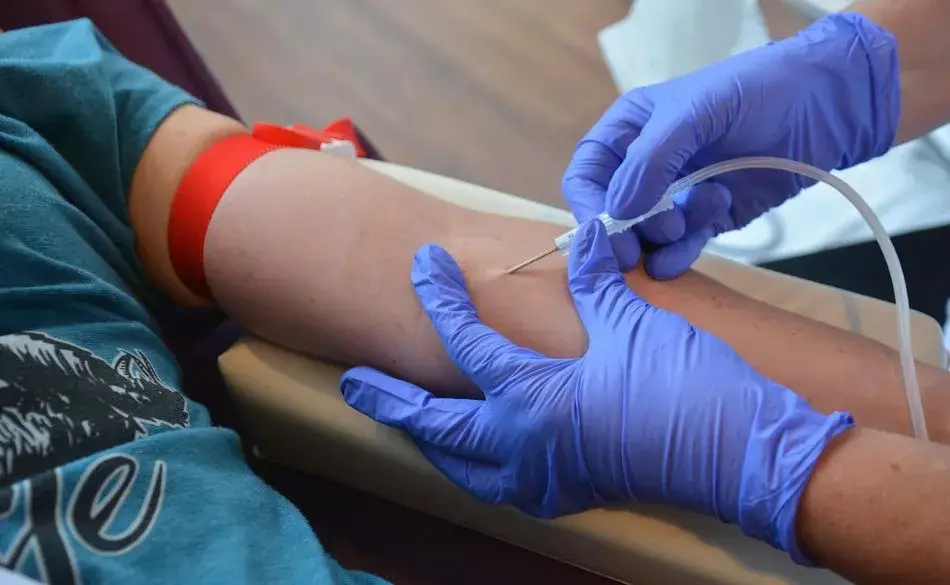
When you give blood or get a full blood draw, your body loses a small amount of fluid and red blood cells. This affects how your muscles receive oxygen during training after blood donation. For runners, cyclists, and triathletes, that change is noticeable because endurance sports rely heavily on oxygen delivery and smooth energy production. Even simple exercise after blood donation may feel harder than usual as your body adjusts.
You might notice your heart rate rising faster during easy sessions. This happens because your blood volume is slightly lower and your heart has to work harder to move oxygen around your body. Many athletes describe the first few days of blood donation recovery time for athletes as feeling like a humid training day where every step or pedal stroke requires more focus than normal.
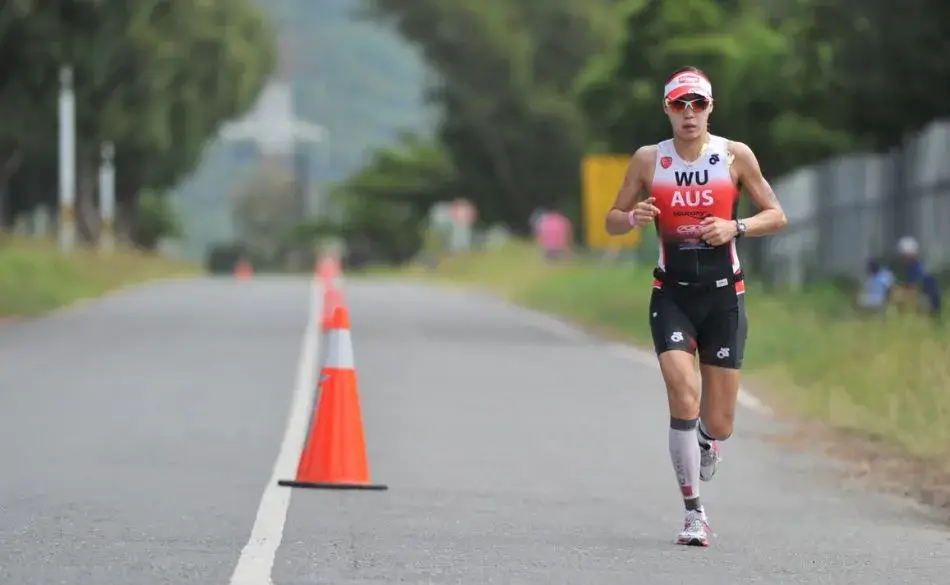
You may also see a small drop in power or pace, especially during intervals. This is common and expected. A short-term change in performance does not mean you are losing fitness. Your body is simply adapting to temporary changes in plasma volume and red cell availability. Cyclists may see their numbers shift during sweet spot or threshold work, especially during cycling after a blood donation, while runners often feel their legs working sooner than expected on hills and may notice this during running after giving blood.
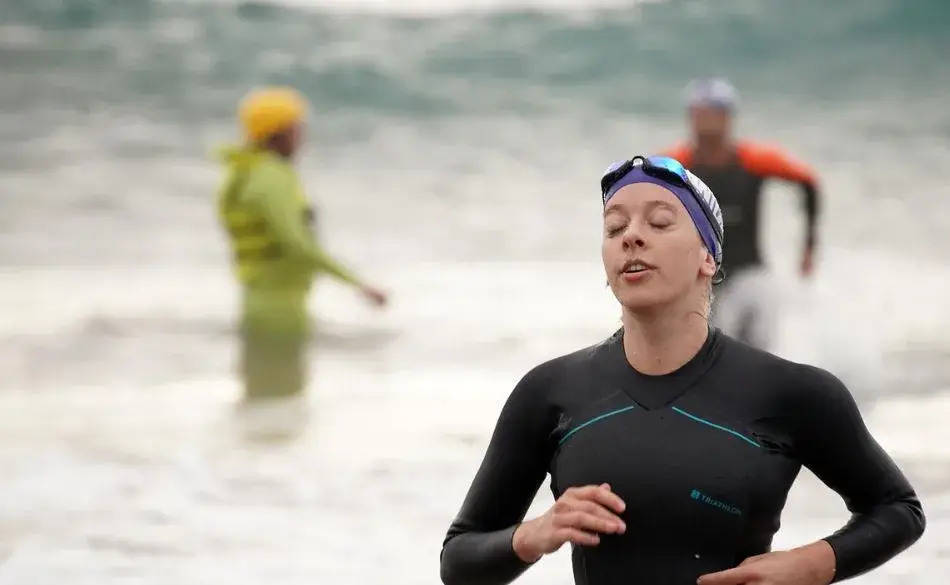
Many triathletes notice this change most during swims because breath timing highlights fatigue sooner. A slightly reduced supply of oxygen can make pushing off the wall or increasing speed feel heavier than expected. This is normal and settles as your body restores fluid balance and begins hemoglobin recovery after donating blood.
Some athletes worry about losing motivation during this window. One of my coaching clients, Lisa, once donated blood during her half-Ironman build. She expected to bounce back instantly but instead felt slow and flat for several days. Once she understood why her body felt different, including the temporary impact on VO2 max after blood donation, we adjusted her plan and she returned stronger within a week.
This early awareness helps you train smarter and avoid pushing too hard before you’re ready.
If you want structured guidance for your swim, bike, and run training, our Triathlon Coaching Program provides a tailored approach designed to help you progress with balance and consistency.
You'll receive weekly adjustments, direct feedback, and clear direction so you can improve while staying confident in your plan.
Start Your Coaching Journey
How Long You Should Wait Before Training Again
Knowing when to return to training depends on the type of blood removal, how you personally respond to stress, and the demands of your sport. Runners, cyclists, and triathletes feel changes differently, but all three rely on strong oxygen delivery for endurance. This is why even small shifts in blood volume or red blood cell count can shape how your next sessions feel. Understanding this timing helps you avoid pushing too hard during your recovery period.
Most athletes can resume light movement sooner than they expect. Easy walking or gentle spinning is often safe within hours of a simple blood test. This helps restore circulation and may reduce stiffness. The key is keeping intensity low so your body has time to restore plasma volume. You want to feel your way through the first session rather than chase numbers or pace, especially when easing back into exercise after blood donation.
After a full donation, things change. Losing red blood cells temporarily reduces oxygen-carrying capacity, which affects how long you can hold steady efforts or handle hills. This influences both running and cycling efforts, since they rely on steady breathing and controlled muscle fatigue. Your body needs time to begin hemoglobin recovery after donating blood, and pushing too hard too soon can make sessions feel unnecessarily draining, even if it is technically safe to move.
Here are simple timelines athletes often follow:
- After a small blood test: Easy training is usually fine the same day if you feel normal.
- After a plasma donation: Light training within 24–48 hours is typical for most athletes.
- After a whole blood donation: Easy sessions after 2–3 days, with moderate to hard efforts usually safest from around 5–7 days onward, understanding that top-end performance and VO2 max after blood donation may remain below normal for several weeks.
These guidelines work because they match how the body restores fluid and oxygen balance. If you feel lightheaded or weak, take more time. Your own signals matter more than any written rule. As your training after blood donation becomes more consistent and your VO2 max begins to improve again, you will notice pace and power settling back toward normal.
If you want more detail specific to smaller blood draws, this guide on can you lift weights or exercise after a blood test explains what to consider before heading back into regular training.
For an authoritative take on donation recovery and safe activity resumption, check out the Mayo Clinic post-blood donation advice.


Signs You’re Ready to Train Again
Even though timelines give you a good starting point, your body gives the clearest signals about when it is safe to start training after blood donation. Runners, cyclists, and triathletes often feel small shifts in energy and breathing patterns in the first few days, and these signals can help you decide if you should push forward or wait. Paying attention to these cues keeps you training smarter, not harder, and reduces the risk of early fatigue during sessions like hill repeats, threshold rides, or long aerobic work.
Your breathing is usually the first thing you notice. If you start a warm-up jog or an easy spin and your heart rate rises faster than expected, that is a sign your blood volume is still catching up. This can make exercise after blood donation feel heavier than normal, especially during the first 48–72 hours. It does not mean you are losing fitness; it simply shows your cardiovascular system is working a little harder to deliver oxygen. If you also notice mild stomach discomfort or queasiness early in training, this guide on nauseous after running can help you understand how to manage those symptoms.
Another sign is how your legs respond. If your stride feels flat, or your pedal strokes feel slightly more sluggish than usual, it could be linked to the slow, steady process of hemoglobin recovery after donating blood. Your muscles rely on oxygen, and any small reduction changes how quickly you build fatigue. When your legs feel springy again, you are often heading into a more stable recovery phase. If you’re unsure whether to choose running or cycling as you ease back in, this comparison of treadmill vs bike can help you pick the option that best matches how your legs feel during early recovery.
These signs often help athletes decide whether to hold back or move forward:
- Your heart rate is stable during warm-ups and easy aerobic work.
- Your breathing feels smooth instead of tight or rushed at low intensity.
- Your legs feel responsive instead of heavy or uncoordinated.
- You don’t feel dizzy when standing up, jogging, or shifting positions on the bike.
- Your energy levels feel normal throughout the day, not just during workouts.
As these signs return, athletes often notice improvements in pace or power as their VO2 max after blood donation begins to settle. This is a normal part of endurance recovery and shows your body is moving in the right direction.
If you're looking for structure, accountability, and guidance that fits your lifestyle, our Running Coaching Program provides personalised sessions tailored to your goals and experience level.
You'll receive clear training plans, weekly feedback, and support that helps you make steady, confident progress.
Start Your Coaching Journey
Can You Safely Race After a Blood Test or Donation?
Racing after a blood test or donation is where things get more serious. Training sessions are flexible, but race days usually are not. You’ve paid entry fees, planned travel, and built a training block around that date. So it’s natural to ask if training after blood donation or even racing soon after is actually a smart idea, especially when your goal is to run, ride, or race at your best.
For a simple blood test, most runners, cyclists, and triathletes can race without much problem. The amount of blood taken is small, and as long as you’re well hydrated, have eaten, and don’t feel dizzy, your race performance usually stays close to normal. The main risk is from fasting, anxiety, or dehydration, not the blood volume itself. If you feel steady during an easy warm-up, you’re generally safe to continue.
Things change after a whole blood donation. Losing red blood cells reduces how much oxygen you can carry to your working muscles. That directly affects athletic performance after blood donation, especially in endurance events where heart rate and breathing sit close to your limit. You might still be able to finish a race, but your top speed, hill strength, and ability to surge are likely reduced for a while.
Most research and coaching practice suggest you avoid key races for several weeks after giving whole blood. Easy local events or low-priority races might be okay from around one to two weeks if you treat them like strong training days, not peak efforts. For longer events like half marathons, gran fondos, or triathlons, many athletes wait three to four weeks so their VO2 max and red blood cell levels have more time to rebound.
Shorter, low-stress events can sometimes fit sooner. But if it’s a goal race where you want to test limits, set a personal best, or hit a power target on the bike, it’s wiser to schedule donations well away from that date.


How Different Donation Types Change Your Training Plan
Not all blood removals affect your body in the same way. A small blood test, a plasma donation, and a full whole blood donation each place a different load on your system. If you’re a runner, cyclist, or triathlete, knowing this difference helps you plan smarter training after blood donation instead of guessing and hoping your body keeps up.
A simple blood test usually has the least impact. The volume taken is small, and red blood cell loss is minimal. Most athletes can return to easy sessions the same day, as long as they feel steady. You still want to hydrate, eat a normal meal, and avoid going straight into hard intervals. Think of this as a minor bump in the road rather than a full obstacle.
Plasma donation sits in the middle. During plasma donation, your red blood cells are returned, but you lose a larger amount of fluid. This can affect how you feel during exercise after blood donation, especially if the session is long or done in the heat. Most endurance athletes feel ready for light sessions after 24–48 hours, as plasma volume begins to normalise.
Whole blood donation has the biggest effect on recovery time for athletes. You lose both fluid and red blood cells, which directly affect oxygen delivery. This lowers your ceiling for long climbs, tempo runs, and strong race efforts. Your body starts hemoglobin recovery after donating blood very quickly, but it still takes weeks to fully replace lost red cells. This is why many athletes notice changes in VO2 max after blood donation, especially when they push close to threshold.
The table below will compare these donation types side by side. It outlines how each one affects endurance performance, how soon most athletes return to easy training, and when it’s usually safer to consider harder efforts again.
👉 Swipe to view full table
| Category | Blood Test | Plasma Donation | Whole Blood Donation |
|---|---|---|---|
| Impact on Performance | Minimal performance changes unless dehydrated or fasting before the test. | Short-term fatigue possible due to fluid loss, but red blood cells remain unaffected. | Noticeable drop in endurance and oxygen delivery due to red blood cell loss. |
| Effect on Oxygen Delivery | No meaningful change in oxygen-carrying capacity. | Temporary reduction until plasma volume normalises within 24–48 hours. | Reduced oxygen delivery until hemoglobin and red blood cells begin to recover. |
| Typical Recovery Time | Same day for most athletes if symptoms are absent. | 24–48 hours for hydration and plasma volume to stabilise. | Several weeks for full hemoglobin restoration and peak endurance. |
| When Light Training Is Safe | Same day if you feel normal and not lightheaded. | Usually safe after 24 hours of hydration and rest. | Commonly 2–3 days after donation depending on symptoms. |
| When Hard Training Is Safe | Immediately, as long as you are hydrated and steady. | 48 hours for most endurance athletes. | Typically safest after 5–7 days, though performance remains reduced longer. |
| Best For | Regular health checks during training blocks. | Athletes wanting to donate with minimal performance disruption. | Athletes donating during off-season or recovery phases. |


How to Adjust Your Training in the First Week Back
The first week after a blood test or donation is the most important time to train with awareness. Your body is already doing extra work behind the scenes (restoring plasma volume, rebuilding red blood cells, and settling your heart rate response). This doesn’t mean you need to stop training entirely. It simply means you should shape your sessions so your progress continues instead of backfiring. Runners, cyclists, and triathletes respond well to a controlled approach during this short window.
Think of this first week like easing back after a tough race. You’re still moving, but you’re not pushing toward your peak. Easy aerobic work supports your recovery while helping your body restore normal rhythm. If you’ve given whole blood, this also supports steady circulation and early adaptation while your body begins natural hemoglobin recovery, which becomes more noticeable as the days pass. Light sweat sessions improve circulation, restore confidence, and keep your routine intact.
Here’s how most endurance athletes adjust their schedule during the first week:
- Use easy aerobic sessions like light jogging, zone one or two rides, and relaxed swims that don’t push your breathing.
- Cut interval intensity since threshold or VO2 work can feel noticeably harder while your body adjusts.
- Shorten long sessions to prevent unnecessary fatigue while plasma volume and oxygen levels settle.
- Watch heart rate drift as an early sign of reduced blood volume, especially in heat or humidity.
- Increase hydration since fluid loss plays a major role in how you feel after any donation.
- Keep meals consistent to support energy levels during early training after blood donation.
Triathletes often notice swimming feels different in this phase because breath timing highlights any small change in fatigue. Cyclists may see slight drops in power for several days, especially during climbs or tempo efforts. Runners usually feel changes on hills or during sustained pacing. All of this is normal and temporary. As soon as breathing steadies and your legs start feeling responsive again, you can gradually build your workload without setting yourself back.
For athletes who want more precise guidance on how much fluid they actually lose during training, this sweat test for athletes guide can help you dial in hydration and improve post-donation recovery.
And if you want a full approach to easing back into exercise after giving blood (including return schedules, mindset, and recovery habits) this how to get back into exercise guide can offer extra support and structure for your return.
If you want structured training, guidance you can trust, and support that fits your goals, our Cycling Coaching Program offers a personalised approach designed to help you ride stronger and more consistently.
You'll get tailored plans, weekly adjustments, and direct feedback so you can improve with clarity and confidence.
Start Training Smarter
How Your Body Rebuilds Strength and Endurance in the Weeks After Donation
The biggest changes in your training don’t happen in the first few days after a donation. They happen in the weeks that follow as your body slowly rebuilds red blood cells, restores oxygen flow, and finds the steady rhythm you’re used to. During this time, runners, cyclists, and triathletes often notice small improvements every few days, especially with easy breathing and aerobic comfort. These shifts show your system is moving through natural recovery and adjusting to normal training stress again.
As your red blood cell count rises, your heart doesn’t need to work as hard to keep pace with your workouts. This helps your sessions feel smoother, especially on long rides, controlled runs, or moderate swim sets. Many athletes report that their legs feel lighter and more responsive, and this aligns with the gradual return of strong circulation and oxygen delivery. Even though your VO2 max after blood donation may still be slightly lower, the difference becomes less noticeable in everyday training.
Cyclists often feel this phase most clearly in their power numbers. Long climbs, sweet spot efforts, and tempo intervals begin to feel manageable again. Runners start noticing smoother pacing during steady efforts, especially on rolling terrain. Triathletes may feel more control in the water as their breathing patterns stabilize. These signals all show that hemoglobin recovery after donating blood is well underway.
It’s also normal to experience fluctuations during this period. Some days your body may feel strong and collected, while others feel flatter for no clear reason. This is simply part of the adjustment process during early and mid-stage training after blood donation. You aren’t regressing; you’re adapting. The key is staying patient while staying consistent. If you keep effort levels honest, hydration steady, and recovery practices simple, you’ll see training quality rise week by week.
This phase teaches you how resilient your body is. Your endurance comes back, your confidence grows, and your sessions start to feel more like the athlete you know you are.


Returning to Training with Confidence and Clarity
Finishing a blood test or donation doesn’t mean pressing pause on who you are as an athlete. It simply means giving your body a small window to catch up. Once you understand how your system responds (whether it’s a slight dip in energy, a small rise in heart rate, or a bit of heaviness during early sessions) the entire process feels far less confusing. You learn to train with intention instead of guessing and hoping everything feels right.
The most important thing to remember is that your performance comes back. Your legs wake up again, your breathing steadies, and your rhythm returns as hemoglobin moves forward. Even if your VO2 max isn’t fully restored in the first weeks, your aerobic comfort and endurance feel stronger day by day. This pattern is normal, expected, and part of how your body rebuilds itself.
Here are a few key things to keep in mind as you move forward:
- Your first sessions back should feel easy and steady, not rushed.
- A small drop in pace or power is normal and temporary.
- Hydration, sleep, and relaxed training help your body settle faster.
- Lightheadedness or dizziness is a signal to pull back and reassess.
- Consistency matters more than intensity in the first one to two weeks.
Runners, cyclists, and triathletes often discover that this recovery period teaches them how tuned-in their bodies really are. You’re reminded that endurance training isn’t just about pushing; it’s also about listening. One of my coaching clients once told me that donating blood felt like hitting a reset button — slower for a few days, smoother by the end of the week, and completely normal shortly after.
With patience and a steady approach to training after blood donation, you can return to doing what you love without losing momentum. Trust your body. It knows how to come back stronger.