How Your Body Uses Blood Flow to Control Heat During Exercise
When you start exercising, your body temperature rises quickly. Working muscles generate heat as they contract, and that heat has to go somewhere. If it stays trapped inside, performance drops and fatigue builds faster. To prevent this, your body increases blood flow to the skin, especially in areas where heat can escape easily. The face is one of those areas.
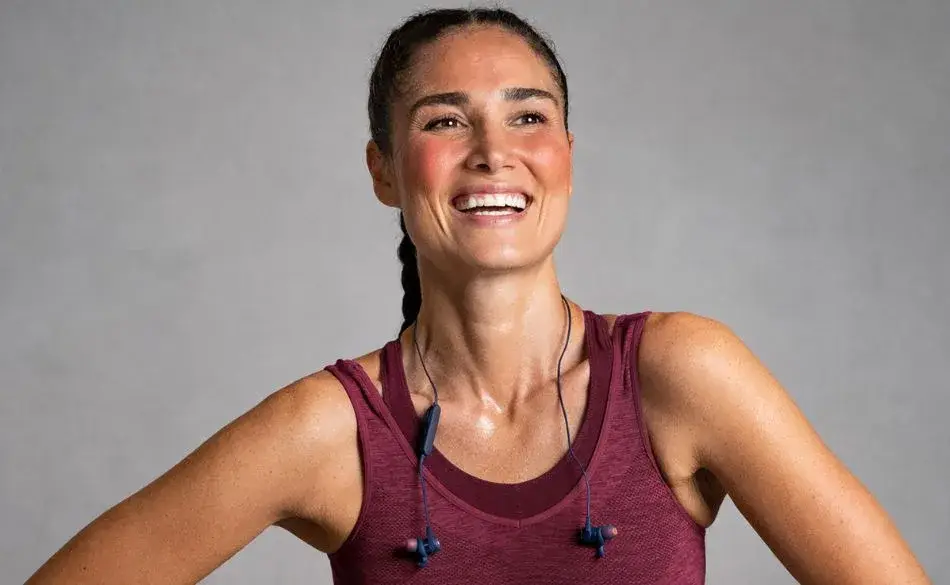
Small blood vessels near the skin widen during exercise. This process allows warm blood from deeper tissues to move closer to the surface. As a result, heat can transfer into the surrounding air more efficiently. Because the skin on the face is thin and rich in blood vessels, this increased circulation shows up as visible redness.
This reaction is a sign that your nervous system and cardiovascular system are responding appropriately to physical stress. It does not mean that your face is overheating independently from the rest of your body. It simply reflects how efficiently blood is being redirected to manage temperature. This process of regulating heat through skin blood flow is well described in human physiology, including how the body balances heat production and heat loss during exercise, as outlined in medical overviews of temperature regulation.
Facial flushing often appears early in a session, sometimes before sweating becomes heavy. Sweat evaporation works best when warm blood is already near the skin, so increased blood flow sets the stage for effective cooling. In shorter or higher-intensity workouts, redness can be more noticeable because the heat load rises quickly.
A red face alone is not a reliable indicator of effort, fitness level, or conditioning. I have worked with highly trained endurance athletes whose faces flush at moderate paces and beginners whose skin colour changes very little even during hard sessions. These differences come down to individual circulation patterns, skin tone, and how sensitive blood vessels are to exercise signals.
In most healthy people, this flushing fades soon after exercise stops. That quick return toward normal skin colour is another sign that the body is regulating itself well.
Visible signs like facial redness, heavy sweating, or feeling unusually warm during workouts often raise questions about whether training is set up correctly. In many cases, these responses are normal, but without context, they can be hard to interpret. With personalised Running Coaching , you’re not left guessing what your body is telling you.
Coaching looks at effort, timing, environment, and recovery together, so training stress makes sense rather than feeling unpredictable. The goal isn’t to eliminate normal responses, but to ensure they line up with the work you’re trying to achieve.
With experienced guidance, you learn to read your body’s signals more accurately, train with confidence, and adjust sessions when needed instead of reacting to isolated symptoms.
Learn More →
Why Some People Flush More Than Others When They Train
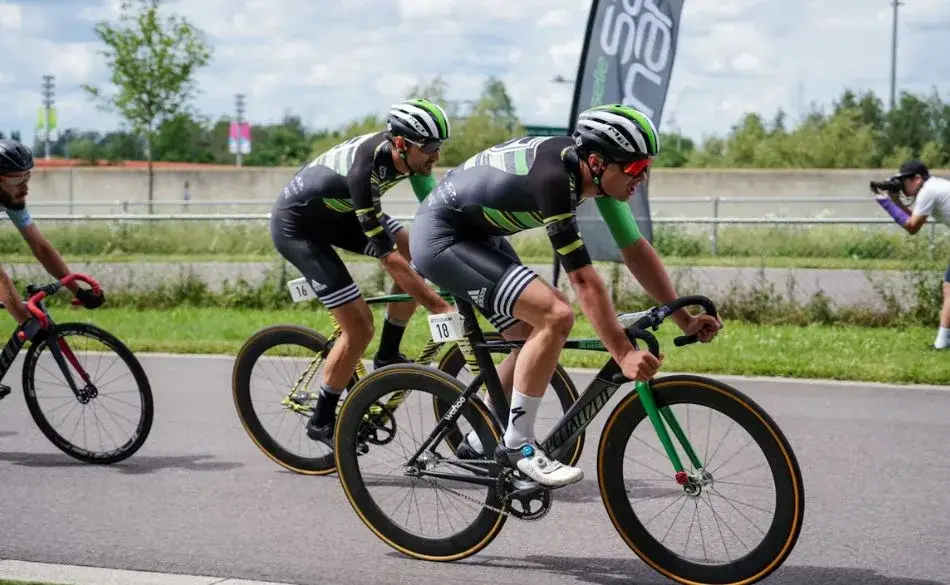
One of the most confusing parts of facial redness during exercise is how uneven it can be between people. Two athletes can train side by side at the same pace, in the same conditions, and one finishes bright red while the other looks almost unchanged. This difference often leads people to assume something is wrong with them. In reality, it usually comes down to normal individual variation.
Skin tone plays a role in how visible redness appears. Lighter skin tends to show changes in blood flow more clearly, while darker skin may mask those changes even when circulation increases just as much. That does not mean the underlying response is different. It simply looks different on the surface.
Genetics also influence how reactive your blood vessels are. Some people have vessels that dilate quickly and dramatically in response to heat or exertion. Others respond more gradually. Neither pattern is better or worse. It is simply how your vascular system is wired.
Fitness level can affect when flushing appears, but not whether it appears at all. As you become fitter, your body often starts directing blood to the skin earlier in a workout. This can actually make redness appear sooner, not later. Well-trained endurance athletes often flush quickly because their thermoregulation systems are efficient and responsive.
Hormones add another layer. Changes in estrogen, testosterone, cortisol, and adrenaline all influence blood vessel behaviour. This is one reason facial flushing can vary across the menstrual cycle, during adolescence, or during periods of high stress or poor sleep.
Environmental conditions matter as well. Heat, humidity, sun exposure, and poor airflow all increase the need for cooling. Indoor training, especially on treadmills or stationary bikes, often leads to more noticeable facial redness because there is less natural airflow to help dissipate heat.
The key point is that facial redness is not a scorecard. It does not reliably reflect effort, fitness, or toughness. It reflects how your body manages heat under the conditions you are training in. Once you understand that, it becomes much easier to stop comparing your response to someone else’s and focus on how you actually feel during the session.

When Facial Redness Is Normal and When It Deserves Attention
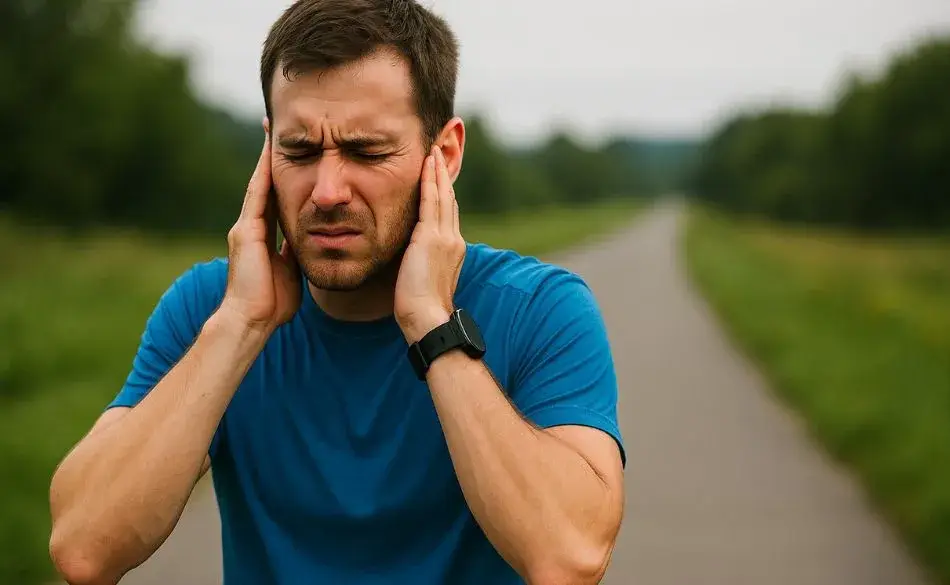
Most of the time, a red face during exercise is harmless. It fades as you cool down, does not come with other symptoms, and feels no different from a normal hard effort. In these cases, the redness is simply part of your body regulating heat and blood flow. However, there are situations where facial flushing is worth paying closer attention to, not because it is dangerous on its own, but because of what may be happening alongside it.
Redness that appears very suddenly at low effort, especially if it feels intense or uncomfortable, can suggest that your body is struggling to manage heat. This can happen when you are dehydrated, under-fuelled, or training in conditions that exceed what you are adapted to. The face turns red because the body is trying aggressively to offload heat.
Pay attention to how long the redness lasts. In a normal response, colour gradually returns toward baseline within minutes of stopping. If your face remains very red for a long period after exercise, it may indicate that your core temperature stayed elevated longer than expected. This does not automatically mean something is wrong, but it is a signal to review recovery, hydration, and environmental stress.
Other symptoms matter more than the redness itself. Dizziness, nausea, headache, confusion, or chills during or after exercise suggest heat stress rather than simple flushing. In those cases, stopping, cooling down, and rehydrating is important. If these symptoms repeat regularly, medical advice is appropriate.
Some skin conditions can also exaggerate facial redness. Rosacea, for example, can make blood vessels more reactive to heat, sweat, and friction. This does not change how hard you are working, but it can make flushing feel more dramatic and persistent.
There was one athlete I coached who consistently finished sessions with a very red face and assumed it meant she was unfit or pushing too hard. When we looked closer, the pattern lined up with poor hydration and training indoors without airflow. Once those factors changed, the redness became less intense, even though her training load increased.
The takeaway is simple. Facial redness by itself is rarely the problem. Context, duration, and how you feel alongside it matter far more than colour alone. Tracking those patterns over time makes them much easier to interpret, which is why understanding why keeping a running training log helps can be useful when you are trying to make sense of recurring training responses.


Does Facial Redness Mean You’re Overheating or at Risk?
This is one of the most common concerns behind the question of facial redness. People are often less worried about how they look and more worried about whether their body is coping safely with the effort. It is important to separate visible flushing from true overheating.
Facial redness alone does not mean your core temperature is dangerously high. Flushing is part of the body’s first line of defence against heat buildup. Blood is redirected toward the skin to release heat early, often before internal temperature rises to problematic levels. In many cases, a red face actually reflects effective temperature control, not failure.
Overheating becomes a concern when cooling mechanisms fall behind heat production. This usually shows up through symptoms rather than colour. Feeling lightheaded, nauseous, confused, unusually weak, or chilled despite being hot are more meaningful warning signs than redness itself. A rapid drop in coordination or a feeling that effort suddenly becomes overwhelming also deserves attention.
Environment and preparation strongly influence risk. Hot, humid conditions, dehydration, illness, and poor sleep all reduce heat tolerance. In these situations, facial redness may appear earlier and feel more intense, but it is the accompanying symptoms that determine whether stopping or modifying the session is necessary.
For parents watching junior athletes, facial redness can look dramatic. Children and adolescents often flush heavily because their thermoregulation systems are still developing and their blood vessels are highly reactive. As long as they are drinking, recovering quickly, and not showing distress, redness alone is rarely a problem.
The safest approach is simple. Use facial colour as information, not a diagnosis. Pair it with how you feel, how conditions are trending, and how quickly you recover. When those markers are stable, facial redness is almost always a normal training response.


Facial Redness in Strength Training Versus Endurance Training
Facial redness often looks more dramatic during strength training than endurance exercise, and that difference can be confusing. People sometimes assume something is wrong because their face turns red faster in the gym than on a run or ride. In reality, the underlying demands are very different.
Strength training involves short, high-force muscle contractions that temporarily increase blood pressure. Lifting heavy loads, performing isometric holds, or bracing the core strongly all raise internal pressure. This pressure reduces blood return to the heart for brief moments, which causes blood to pool in the upper body and face. The result is often sudden, intense flushing.
Breathing patterns also matter. Holding the breath or breathing shallowly during lifts increases pressure further, amplifying facial redness. This response can look extreme, but it usually resolves quickly once the set ends and breathing normalises.
Endurance training creates a different pattern. Heat builds more gradually, and blood flow is distributed across a larger muscle mass for longer periods. Facial redness during steady aerobic work often develops more slowly and reflects cumulative heat load rather than pressure spikes.
Neither response is inherently better or worse. They simply reflect different stressors. A bright red face during squats does not mean poor fitness, just as a flushed face during intervals does not mean loss of control. What matters is whether the response settles quickly and whether you feel stable afterward.
If facial redness during strength work feels uncomfortable, focusing on controlled breathing, avoiding unnecessary breath-holding, and allowing brief recovery between sets usually reduces intensity. For endurance sessions, airflow, hydration, and pacing play a larger role.
Understanding these differences prevents unnecessary concern and helps you interpret your body’s signals accurately across different types of training.

Factors That Make Facial Redness More or Less Intense During Workouts
Facial redness during exercise is not a single on–off response. It exists on a spectrum, and several controllable factors influence how strong it becomes. Understanding these factors helps you interpret what you see in the mirror without overreacting to it.
Intensity is one of the biggest drivers. Higher effort increases heat production faster, which forces the body to widen blood vessels more aggressively. That is why intervals, hills, strength circuits, and competitive efforts often lead to stronger facial flushing than easy aerobic sessions. Duration matters too. Long sessions allow heat to accumulate, especially if cooling strategies are limited.
Hydration status plays a major role. When you are even mildly dehydrated, blood volume drops slightly. The body then has to work harder to send enough blood to both working muscles and the skin. This can exaggerate facial redness and make cooling less efficient overall. For longer sessions or warm conditions, following a structured endurance hydration strategy helps support blood volume and temperature control rather than relying on thirst alone.
Fuel availability also matters. Low carbohydrate availability can increase stress hormone release during exercise. Hormones like adrenaline affect blood vessel behaviour and can make flushing feel sharper or appear earlier than expected.
Environment often amplifies everything. Heat, humidity, direct sun, and poor airflow all reduce how easily heat escapes. This is why training in hot conditions often feels harder and places greater strain on temperature regulation, as explained in Is It Harder to Run in the Heat?. Indoor training commonly produces more facial redness because sweat does not evaporate as efficiently without moving air.
The table below shows how common training and lifestyle factors influence facial redness, not as good or bad outcomes, but as patterns coaches see repeatedly.
👉 Swipe to view full table
| Factor | Lower Impact on Facial Redness | Higher Impact on Facial Redness |
|---|---|---|
| Training Intensity | Easy aerobic effort with steady breathing | Intervals, hills, sprints, or heavy strength work |
| Session Duration | Short sessions with frequent breaks | Long continuous workouts with sustained effort |
| Hydration Status | Well hydrated before and during training | Mild dehydration or limited fluid intake |
| Training Environment | Cool conditions with good airflow | Heat, humidity, indoor training, or still air |
| Fuel Availability | Adequate carbohydrate intake before sessions | Low energy intake or fasted high-intensity training |
| Stress & Sleep | Well rested with lower background stress | Poor sleep or high life stress levels |
Facial redness, heavy breathing and elevated heart rate can look dramatic, but they’re often just part of how your body manages effort and heat. If you’d like expert support to interpret these responses in the context of your rides and training load, our Cycling Coaching can give you clarity and confidence on the bike.
Working with a coach helps you understand how intensity, environment, and recovery interact so visible symptoms like flushing become useful signals rather than confusion points.
With structured guidance, you learn to balance effort and adaptation so training feels purposeful and connected to your progress, not just reactions to how your body looks or feels.
Learn More →

How Recovery, Cooling, and Training Structure Influence Facial Redness
What happens after your workout matters just as much as what happens during it. Facial redness often lingers or fades based on how effectively your body cools down and how well recovery is supported. This is why two identical sessions can leave you looking very different afterward, even if the effort felt the same.
Cooling starts with movement slowing down. When you stop suddenly, blood is still pooled near the skin while muscle activity drops. A gradual cool-down allows circulation to redistribute more smoothly and helps body temperature fall at a steady rate. This often shortens how long facial redness hangs around after exercise.
External cooling makes a noticeable difference. Airflow, shade, and cool environments speed heat loss. Something as simple as stepping outside after an indoor session or using a fan during home training can reduce how intense flushing appears. Cold water on the face or neck can also help, not because it fixes the redness itself, but because it accelerates temperature regulation.
Training structure plays a role over weeks, not just within a single session. When training load increases too quickly, your thermoregulation system struggles to keep up. This often shows up as earlier flushing, heavier sweating, and slower cooling. As the body adapts, these responses usually become more efficient and less dramatic at the same workloads.
Sleep and overall recovery influence vascular responses as well. Poor sleep increases nervous system stress and alters hormone balance. Blood vessels may react more aggressively to exercise signals, making flushing appear sharper or more uncomfortable. When recovery improves, facial redness often becomes less noticeable without any change in training intensity.
Clothing choices can add to the picture. Tight headwear, non-breathable fabrics, or dark colours worn in the sun can trap heat around the face and scalp. This does not mean the session was too hard. It simply means heat escape was restricted.
The key idea is that facial redness reflects how your body is handling stress, heat, and recovery together. It is rarely about one single factor. Small changes in cool-down habits, airflow, sleep quality, and weekly structure often reduce how dramatic the response looks, even when training remains productive and appropriately challenging.

When Facial Redness Connects to Health, Age, and Skin Sensitivity
Facial redness during exercise also needs to be understood in the context of health, age, and skin sensitivity. While the flushing itself is usually a normal response, certain underlying factors can make it more noticeable or persistent, even when training load is appropriate.
As people age, blood vessels can become slightly less elastic. This does not stop thermoregulation, but it can change how quickly vessels widen and narrow. Some older athletes notice that facial redness appears earlier or lingers longer than it did in their younger years. This is not automatically a sign of declining fitness. It reflects normal vascular changes that come with aging and long-term training history.
Skin conditions matter as well. Rosacea, eczema, and highly sensitive skin can exaggerate redness in response to heat, sweat, friction, and sun exposure. In these cases, the skin reacts strongly even though the cardiovascular response is normal. Exercise does not cause these conditions, but it can make their symptoms more visible. Managing skin care, sun protection, and friction can reduce how intense flushing looks without changing training quality.
Blood pressure responses also influence facial colour. During exercise, blood pressure rises temporarily to support blood flow to working muscles. In healthy individuals, this is controlled and appropriate. However, people with poorly controlled blood pressure may notice stronger facial flushing, particularly during high-intensity or resistance-based exercise. This does not mean exercise should be avoided, but it does mean effort levels should be progressed gradually and monitored sensibly.
Medications can contribute too. Some blood pressure medications, antidepressants, acne treatments, and hormonal therapies affect blood vessel behaviour or heat tolerance. If facial redness appears suddenly after a medication change, it is worth discussing with a healthcare professional, especially if it comes with dizziness or unusual fatigue.
In junior athletes and adolescents, facial flushing can be dramatic. Growing bodies have highly reactive blood vessels and less mature thermoregulation. This often settles as the body adapts to regular training and growth stabilises.
Across all ages, the same principle applies. Facial redness should be interpreted alongside how you feel, how quickly you recover, and whether symptoms repeat. Colour alone rarely tells the whole story.


Practical Ways to Reduce Excessive Facial Redness Without Changing Your Training
If facial redness during workouts bothers you, the goal is not to eliminate it completely. In most cases, it means your body is doing exactly what it should. The aim is to reduce unnecessary stress around heat management so the response stays comfortable and proportional to the effort you are doing.
Start with airflow. Training indoors without a fan dramatically limits heat loss. Adding even light airflow across your face and upper body improves sweat evaporation and reduces the need for extreme vasodilation. Outdoors, choosing shaded routes or running earlier or later in the day can have a similar effect without altering session quality.
Hydration should be proactive, not reactive. Drinking small amounts regularly across the day supports blood volume and cooling efficiency better than trying to catch up mid-session. During longer or warmer workouts, planned fluid intake helps keep facial flushing from escalating unnecessarily. Having a practical way to carry fluids makes this far easier, and understanding how runners carry water can remove one of the biggest barriers to staying hydrated on the run.
Warm-ups and cool-downs matter more than most people realise. A gradual warm-up allows blood vessels to widen progressively rather than abruptly. A slow cool-down gives your system time to redistribute blood flow smoothly instead of leaving it pooled near the skin. This often shortens how long redness lingers after exercise.
Clothing choices are another easy win. Breathable, light-coloured fabrics around the head and upper body allow heat to escape more efficiently. Avoiding tight headbands, hats without ventilation, or heavy makeup during training can reduce trapped heat around the face.
Session placement within the week also matters. If most of your training is hard, back-to-back, or done in challenging environments, facial redness can become more dramatic simply because recovery is incomplete. Keeping easy days truly easy allows thermoregulation to recover along with muscles and energy systems.
The most important thing is not to chase cosmetic outcomes. Reducing facial redness should never come at the cost of training quality or consistency. Small, sensible adjustments around cooling, hydration, and structure usually bring the response back into a comfortable range without changing what actually makes you fitter.
Fingering out how your body responds to heat, effort, and recovery can be tricky when you’re training across three disciplines. Facial redness and other physical cues are just one piece of the picture. With Triathlon Coaching , you get tailored guidance on pacing, intensity and recovery so your training signals make sense rather than causing unnecessary confusion.
A coach helps you connect sensations like flushing, breathing effort, and fatigue to the bigger training plan, keeping your sessions productive, sustainable and consistent without guessing.
Learn More →
Understanding Facial Redness Without Overthinking It
A red face during exercise is rarely something to fix. Most of the time, it is simply visible proof that your body is responding to physical stress in a normal and effective way. Blood flow increases, heat is released, and temperature stays under control. That process looks different from person to person, and comparing your response to someone else’s often creates unnecessary worry.
What matters more than colour is context. How hard you are working, the environment you are training in, how well you are hydrated and rested, and how quickly you recover afterward all give far more useful information than what your face looks like in the mirror. When facial redness fades steadily after exercise and is not paired with concerning symptoms, it is almost always a sign of healthy regulation.
There are situations where it deserves attention, particularly when flushing is sudden at low effort, lingers unusually long, or comes with dizziness, nausea, or feeling unwell. In those cases, adjusting training conditions or seeking medical advice is sensible. Most of the time, though, small practical changes around airflow, hydration, and recovery are enough to keep things comfortable.