Why a Triathlon Checklist Is Your Secret Weapon
You’ve trained for months. Your body’s ready. But is your bag?
One of the most common mistakes athletes make, especially beginners, is assuming they’ll remember it all. You won’t. I’ve raced over 20 triathlons, and I still use a checklist.
Here’s the thing about triathlon: there’s no room for guesswork on race day. You have to move fast. And the smoother your setup, the better your performance.
A solid triathlon checklist takes the mental load off. Instead of second-guessing whether you packed your helmet or nutrition, you can focus on racing with confidence.
What Triathlon Gear Do You Actually Need?
Let’s break it down by each sport. Remember, gear needs vary depending on race distance and personal preferences.
Swim Gear
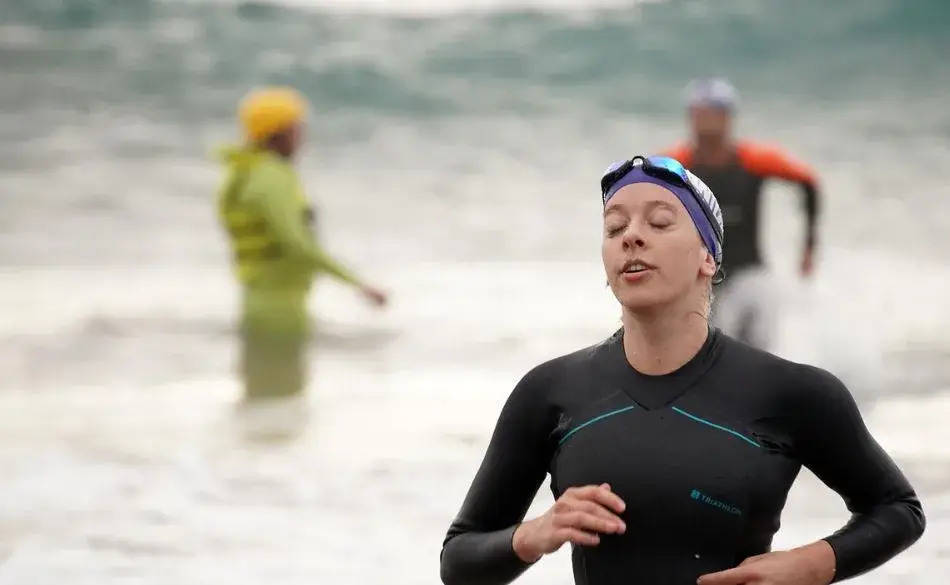
- Triathlon wetsuit (if allowed or needed for cold water)
- Goggles (bring a backup pair)
- Swim cap (usually provided by the race)
- Anti-chafing balm
- Towel for drying off in transition
- Earplugs (if needed for balance or cold)
Tip: For murky or early-morning races, opt for clear-lens goggles. For sunny days, go tinted.
Wondering what to wear on race day? Read our full tri suit guide to learn what to look for in fit, comfort, and functionality across all three disciplines.
Bike Gear
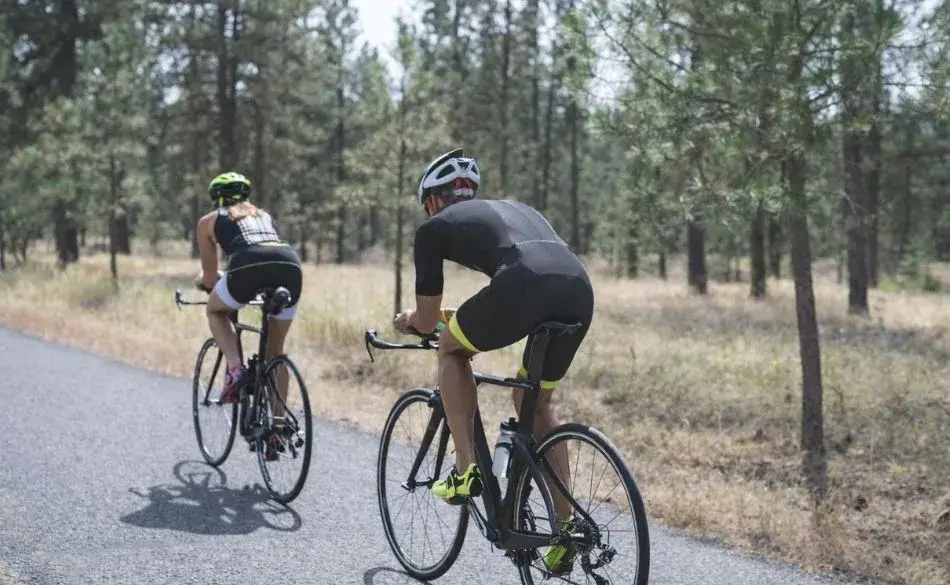
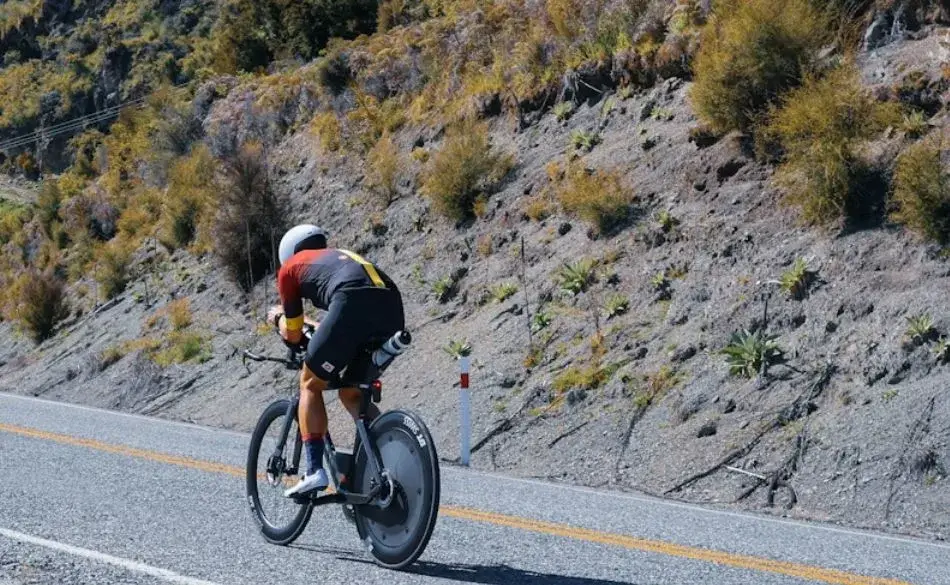
- Bike (road, TT, or hybrid depending on race)
- Helmet (mandatory – no helmet, no ride!)
- Sunglasses
- Cycling shoes (clip-in or flat depending on your setup)
- Water bottles or hydration system
- Nutrition (bars, gels, chews)
- Triathlon bike essentials like spare tubes, CO2, levers, and a mini pump
- Race number belt
- Socks (optional)
Run Gear
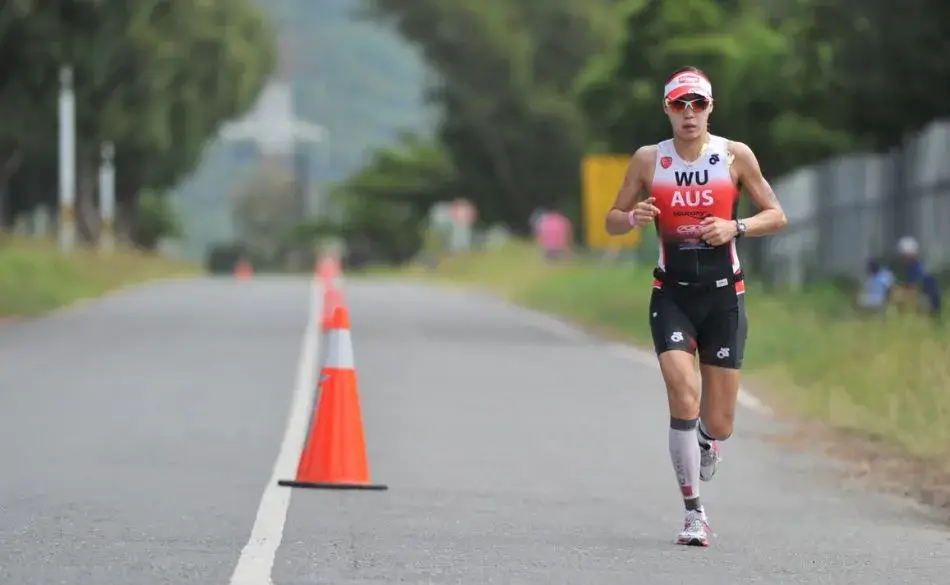
- Running shoes (well-tested in training)
- Hat or visor
- Race number belt (if not already on from the bike)
- GPS or running watch
- Light jacket if it’s cold
Not sure about the difference between a standard triathlon and an Ironman? Check out our complete guide to Ironman vs triathlon and learn how gear, pacing, and preparation all change with distance.


How Do You Pack for a Triathlon Weekend?
Packing for a triathlon weekend is like prepping for a mini adventure with logistics, weather, and nerves all in the mix. If you’re traveling out of town for your race, your triathlon checklist needs to go beyond just race gear. You’ll want to plan for comfort, convenience, and “what-if” situations too.
I once showed up to a race five hours from home and realized I forgot my helmet. The nearest bike shop didn’t open until after check-in closed. That experience taught me that traveling for a race means planning even harder and earlier.
Here’s how you can avoid those last-minute scrambles.
Pack in Layers and Categories
Break your packing into four main categories:
- 1. Race Day Gear – Swim, bike, run, and transition area setup
- 2. Clothing & Casual Wear – What you’ll wear pre- and post-race
- 3. Nutrition & Recovery – Fuel, hydration, and post-race recovery tools
- 4. Travel Items & Extras – Documents, tech, chargers, toiletries
Use separate bags or packing cubes for each category. Label them or color-code to make them easier to grab on race morning.
Don’t Forget Travel-Specific Items
Here are the extras you’ll need if you’re hitting the road:
- Bike Transport: Hard bike case, foam padding, or a bike bag. Make sure you know how to disassemble and reassemble your bike, or call ahead to find a bike mechanic at the venue.
- Printed Race Documents: Many races still require a printed waiver or ID. Don’t count on your phone’s battery at check-in.
- Weather Gear: A lightweight rain jacket, warmup gear, and a change of socks can be a lifesaver. Mornings can be cold even in summer.
- Power & Tech: Pack your watch charger, bike computer charger, and power bank. These are some of the most commonly forgotten items!
- Toiletries: Sunscreen, chafing cream, recovery balm, and blister pads — all the little things that make you more comfortable.
- Recovery Tools: Foam roller, massage ball, compression sleeves, or recovery sandals if your legs get sore after long races.
Pro Packing Tips for a Smoother Weekend
- Pack Early: Begin 3–4 days out. That gives you time to buy or replace anything missing.
- Use Your Checklist: Go through your triathlon checklist out loud while packing. It helps catch the little stuff.
- Check Airline Rules: If you’re flying, review bike transport policies, nutrition rules, and weight limits.
- Scout Local Stores: Google the nearest bike shops or grocery stores just in case something’s missing or broken.
What About Lodging and Meals?
Where you stay matters, especially the night before the race.
- Choose a hotel or Airbnb near the venue so you’re not stuck in traffic on race morning.
- Bring your own breakfast foods. Don’t rely on hotel buffets – They may not open early enough.
- If your room has a kitchenette, even better. Make simple meals you’ve trained with.
- Hydrate early. Buy bottled water or bring electrolytes and drink plenty throughout the day before the race.
I always travel with instant oats, peanut butter, and bananas. It’s my go-to pre-race breakfast no matter where I am.
Different Races = Different Triathlon Checklists
👉 Swipe to view full checklist
| Race Type | Gear Essentials | Nutrition Strategy | Transition Focus |
|---|---|---|---|
| Sprint Triathlon Checklist | Basic swim gear, road or hybrid bike, running shoes, optional race belt. | Light fueling — 1 gel or electrolyte drink may be enough. | Quick setup, no extra gear, minimal transitions. |
| Olympic Distance | Wetsuit, upgraded bike gear, clip-in shoes, hat or visor. | 1–2 gels on bike, sports drink, light snack before the run. | Focus on smoother transitions, add sunscreen and comfort aids. |
| Half Ironman | Aero bike setup, full nutrition belt, compression socks, recovery tools. | Planned intake of 60–90g carbs/hour, electrolyte mix, salt tablets. | Add extra towel, spare bottles, comfort-based adjustments. |
| Ironman Race Gear | Full gear kit: wetsuit, bike tools, sun protection, special needs bags, backup gear. | Detailed fueling plan with solids, gels, electrolytes, caffeine, backup hydration. | Fully rehearsed transition plan with labeled bags and planned zone routines. |
Beginner reassurance: You don’t need to buy everything on day one. Focus on what works, not what’s trendy.
Want to estimate your splits and nutrition timing more precisely? Use our triathlon calculator to break down your race by distance, pace, and fueling needs.
Should Beginners Practice with a Checklist?
Absolutely. Don’t just read the checklist – rehearse it.
Plan one or two full trial days: wake up early, eat your race breakfast, then do a brick workout that mimics the swim-bike-run. Use every piece of gear you plan to bring.
You’ll catch small errors before they become big problems.
Questions to ask yourself:
- Did I feel rushed in transition?
- Did my goggles fog up?
- Did I have enough hydration on the bike?
After practice, revise your checklist based on what you actually used.
Triathlon Weekend Travel Checklist
Heading to an out-of-town triathlon? This travel-ready checklist will help you pack everything you need for a smooth, stress-free race weekend. From essential race day gear to casual clothing and recovery tools, this list ensures you don’t leave anything behind.
- Race Day Gear
- Wetsuit (if applicable)
- Goggles (plus backup pair)
- Swim cap (race-issued or personal)
- Bike (checked and tuned)
- Helmet (mandatory!)
- Bike shoes and pedals
- Running shoes
- Race belt and bib
- Watch or GPS device
- Nutrition (gels, chews, drinks)
- Water bottles/hydration pack
- Small towel for transition
- Casual & Comfort Items
- Flip-flops or recovery sandals
- Warm-up gear and weather-appropriate layers
- Change of clothes for post-race
- Sleepwear and casual wear for weekend
- Nutrition & Recovery
- Pre-race breakfast (oats, PB, banana, etc.)
- Electrolyte drink mix or tablets
- Protein shake or recovery snack
- Foam roller or massage ball
- Compression socks or sleeves
- Travel & Miscellaneous
- Bike travel case or bag
- Race confirmation printout
- Photo ID and wallet
- Watch/bike computer chargers
- Phone and power bank
- Sunscreen and anti-chafe cream
- Toiletries and personal care items
- Plastic bags for wet or dirty clothes
- Snacks for the road
- First-aid kit (blister pads, pain relief, etc.)

🎽 Download Your Free Triathlon Checklist PDF
Want a printable version of the full triathlon gear list? This easy-to-follow checklist includes everything you need for swim, bike, run, transitions, nutrition, and travel.
⬇️ Download PDF ChecklistPerfect for printing, laminating, or checking off before every race.

FAQ: Your Most Asked Questions
What gear do I need for my first triathlon?
For your first race, keep it simple. You’ll need basic swim gear (swimsuit or triathlon wetsuit, goggles, swim cap), a functioning bike and helmet, running shoes, and a small towel for your transition area setup. Optional items include a race belt, sunglasses, and a water bottle. You don’t need expensive gear to get started. Many triathletes complete their first event in what they already own. Focus more on comfort and familiarity than on high-end performance gear.
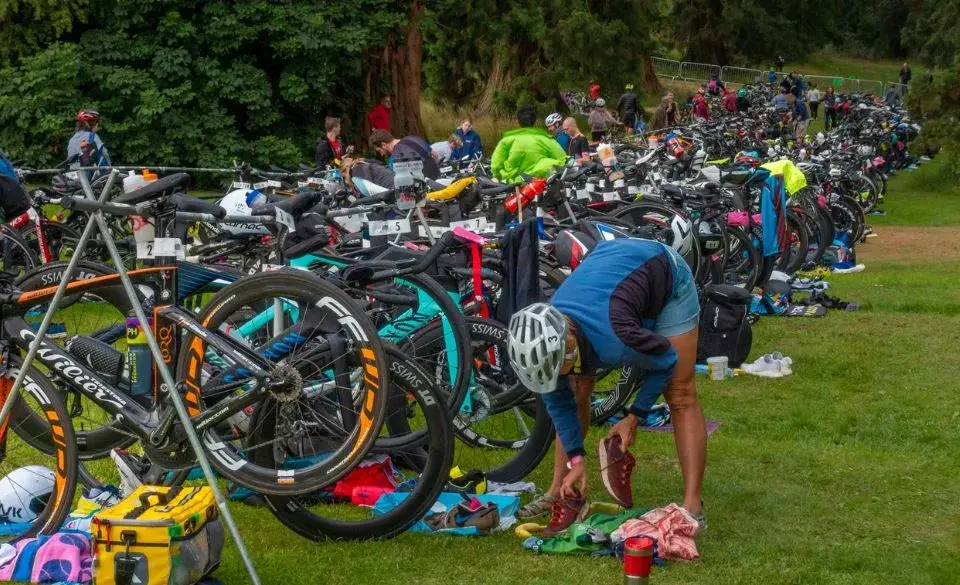
How do I set up my transition area?
Is a triathlon wetsuit required?
Not always. Whether you need a triathlon wetsuit depends on water temperature and race rules. Most races allow wetsuits when water is under 24°C (75°F), and they can help with buoyancy and speed. However, you don’t have to wear one unless it’s mandated or you’re swimming in cold water. If you do use one, practice in it beforehand. Wetsuits feel different, and first-time wearers often struggle if they haven’t tried it in open water.
What do I eat during a triathlon?
Race day nutrition depends on the race distance. For sprints, a gel and some water may be enough. For Olympic races, you might take 1–2 gels on the bike and sip sports drink. For longer distances, like a Half or Full Ironman, you’ll need a structured fueling plan that includes 60–90 grams of carbs per hour, spread across gels, chews, drinks, or even solid food. Always test your nutrition plan in training. That means not experimenting with anything new on race day.
How early should I arrive on race day?
You should plan to arrive at least 90 minutes before your start time. This gives you enough time to park, check in, use the bathroom, set up your gear, warm up, and calm your nerves. Some races close the transition area 30–60 minutes before the first wave, so check your athlete guide beforehand. Getting there early helps reduce stress and gives you time to fix last-minute surprises like a flat tire or forgotten gear.


Final Thoughts: Go Prepared, Race Confident
Completing a triathlon is no small feat. It takes courage, commitment, and a whole lot of planning. But here’s the truth: once you’re standing on that start line with your gear packed, checklist checked, and mindset ready… you’ve already won half the battle.
The right triathlon checklist isn’t just a list, it’s your calm before the chaos, your preparation turned into confidence. It’s what lets you focus on the moment, the movement, and the reason you signed up in the first place.