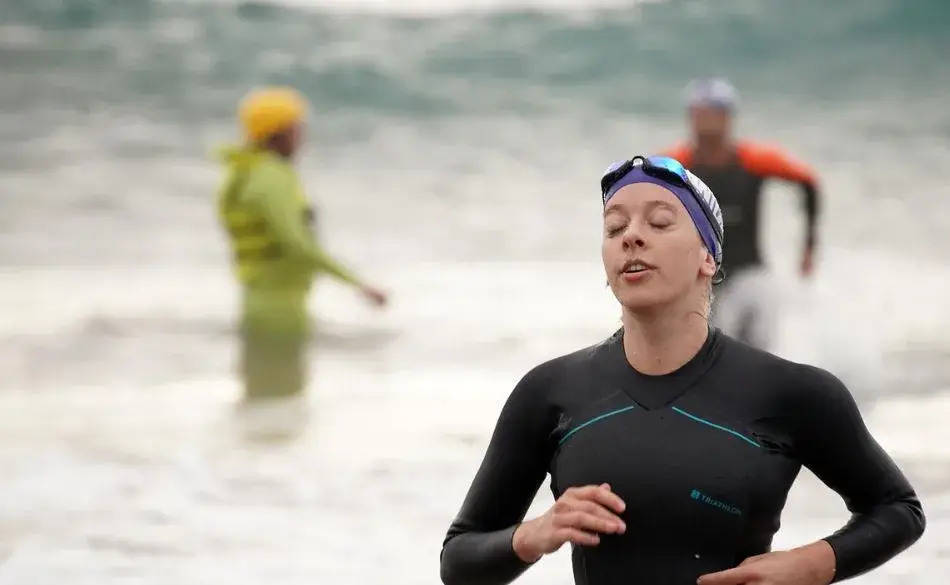
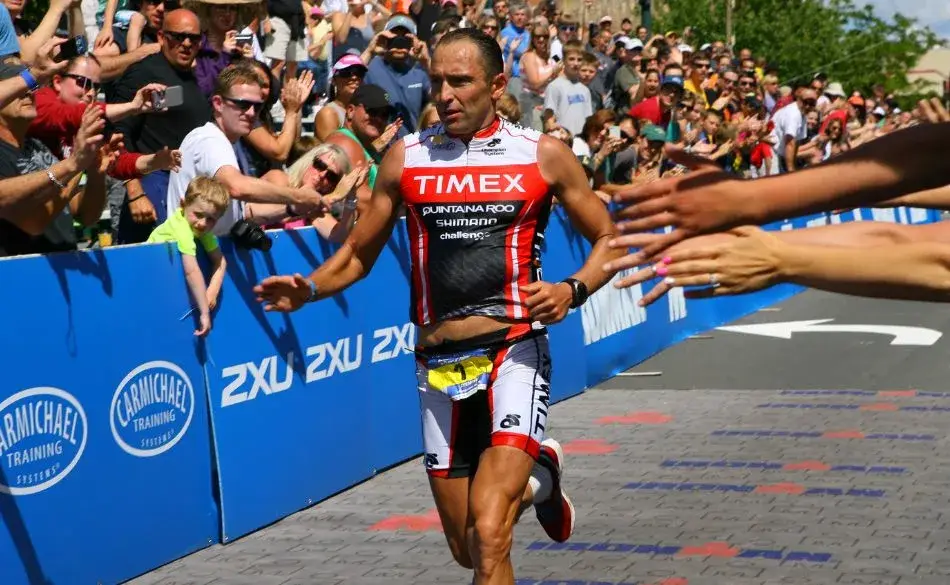
Whether you’re prepping for a sprint triathlon or going long at IRONMAN distance, one focused hour in the pool can make all the difference.
If you’re new to triathlons, start with our Couch to Triathlon: Beginner’s Guide.
Why 1 Hour Is All You Need
Sure, spending endless hours churning through laps might sound impressive, but it’s not the most efficient way to train. In triathlon, it’s about getting the most bang for your buck.Building swim endurance, improving your freestyle stroke technique, and learning how to stay relaxed under pressure.
A focused 60-minute session lets you:
- Improve swim endurance training without over-fatiguing.
- Practice swim drills for triathletes that directly improve form.
- Build confidence for both pool and open water swimming events.
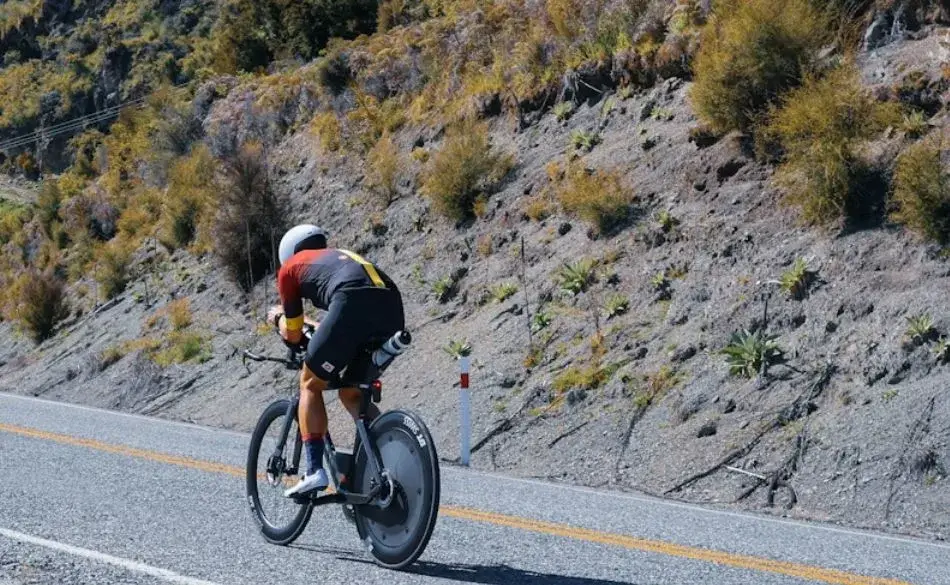
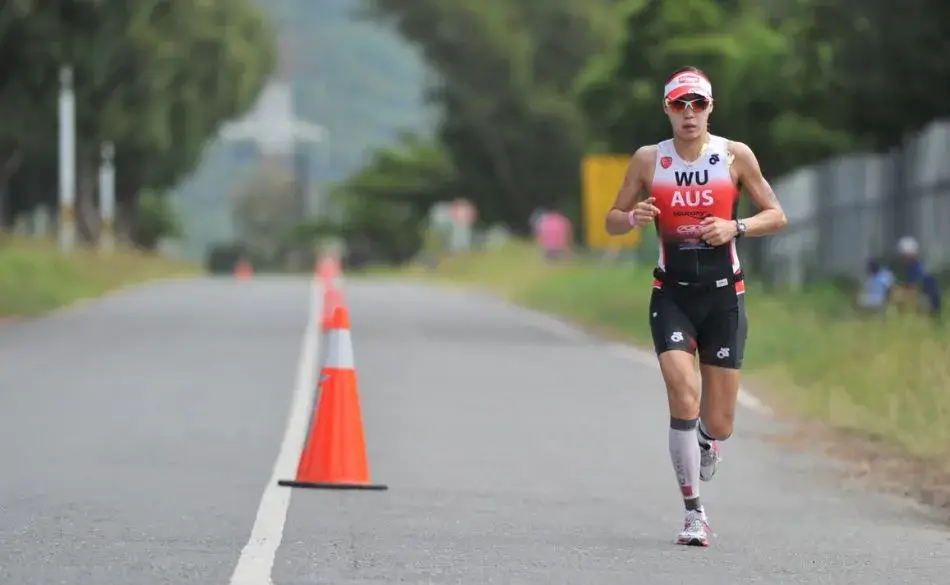
The Perfect 1 Hour Swim Workout Structure
Warm-Up (10–15 Minutes)
Start by getting your body loose and ready to move efficiently.
- 200 meters easy freestyle
- 4 x 50 meters alternating drill: high elbow recovery and catch-up drill (focus on smooth, controlled movements)
- 4 x 25 meters fast with full recovery (practice strong push-offs)
Focus on easy breathing and stretching out your stroke. If you’re heading for open water swimming, practice sighting every few strokes.
Main Set (35–40 Minutes)
Endurance Focus (2 Rounds):
- 400 meters at moderate pace (RPE 5–6)
- 4 x 100 meters at race pace effort (RPE 7–8), 30 seconds rest between
- 4 x 50 meters fast with 20 seconds rest (practice strong finishes)
Optional Challenge: Include one round wearing a pull buoy to simulate wetsuit buoyancy and strengthen your upper body.
Why This Works:
- Builds aerobic base for longer distances.
- Sharpens your swim pacing strategies for race day.
- Teaches you to hold form under fatigue.
Cool-Down (5–10 Minutes)
- 100 meters easy backstroke or breaststroke
- 4 x 25 meters easy freestyle focusing on perfect technique
Finish the session relaxed. If you’re feeling tight, spend 5 minutes foam rolling your shoulders and upper back after your swim.
| Workout Phase | Set | Focus | Intensity (RPE) | Rest Between Sets |
|---|---|---|---|---|
| Warm-Up | 200m Easy Freestyle 4 x 50m Technique Drills 4 x 25m Fast |
Technique, Breathing Control | 3–4 (Easy) | 30 sec after each set |
| Main Set - Endurance | 2 Rounds: 400m Moderate 4 x 100m Race Pace 4 x 50m Sprint Finish |
Endurance, Pacing, Speed | 5–8 (Moderate to Hard) | 30 sec between 100m sets 20 sec between 50m sets |
| Optional Challenge | Use Pull Buoy for 400m Set | Upper Body Strength, Wetsuit Simulation | 5–6 (Moderate) | As needed |
| Cool-Down | 100m Easy Stroke 4 x 25m Perfect Form Freestyle |
Recovery, Relaxation | 2–3 (Very Easy) | 15–30 sec between sets |
For a comprehensive ladder-style swim workout, consider this One-Hour Workout: The Everything Swim Ladder from Triathlete.com.
How to Fit a 1 Hour Swim Workout into a Triathlon Training Week
Balancing three disciplines. Swim, bike, and run, can feel like a scheduling nightmare. But with smart planning, you can integrate a focused 1 hour swim workout into your week without sacrificing your bike and run sessions. The key is understanding where swimming adds the most value and how it complements your overall training load.
To optimize your training intensity, explore the 80/20 Triathlon Training Method.
For Sprint Triathlon Training (Beginner to Intermediate)
- Swim Frequency: 2 sessions per week
Recommended Schedule:
- Monday: 1 Hour Swim Workout (Technique & Endurance Focus)
- Thursday: 45-Minute Easy Swim or Open Water Practice
Why?
After a weekend of long rides and runs, Monday is the perfect recovery-focused day. Swimming is low-impact, helping you stay active while giving your legs a break. Thursday’s lighter session reinforces technique without adding much fatigue before your weekend sessions.
For Olympic Distance Training (Intermediate to Advanced)
- Swim Frequency: 2–3 sessions per week
Recommended Schedule:
- Monday: 1 Hour Swim Workout (Include Tempo & Interval Sets)
- Wednesday: 45-Minute Easy Recovery Swim
- Saturday: Optional Open Water Session (Focus on Sighting & Drafting)
Why?
Olympic distance swims require more speed endurance. The Monday swim sets the tone for the week, building intensity early. A midweek recovery swim helps flush out fatigue from bike and run workouts, while Saturday’s open water session sharpens race-day skills.
For IRONMAN and 70.3 Training (Advanced)
Swim Frequency: 3–4 sessions per week
Recommended Schedule:
- Monday: 1 Hour Swim Workout (Threshold & Endurance Focus)
- Wednesday: 1 Hour Technique & Drill Session
- Friday: 45-Minute Recovery Swim
- Sunday (Optional): Long Open Water Swim or Wetsuit Practice
Why?
Long-distance triathlons demand strong swim endurance and efficiency. Early-week harder swims build aerobic capacity, while midweek technique work keeps your stroke efficient. Friday’s recovery swim prepares you for big weekend rides and runs. Sunday’s optional long swim helps simulate IRONMAN race conditions, including practicing hydration and sighting strategies.
For a comprehensive approach to Ironman preparation, refer to our 24 Week Ironman Training Plan.
If you’re doing back-to-back workouts (known as “brick sessions”), pair your swim with a bike ride on Monday or Wednesday. This simulates race-day fatigue and helps improve your ability to transition smoothly from water to bike.


How to Calculate and Use Critical Swim Speed (CSS) For 1 Hour Swim Workouts
If you’ve ever wondered how to pace your swim sets more effectively without constantly guessing your effort, it’s time to meet your new best friend – Critical Swim Speed (CSS). Think of CSS as the swimming equivalent of your running threshold pace. It’s the speed you can sustain over a long distance without burning out, and it’s incredibly useful for structuring workouts that boost endurance and race-day performance.
Why Is CSS Useful for Triathletes?
- Perfect for Pacing: Helps you avoid going out too fast and fading late in the swim.
- Targeted Training: Ensures your main sets are performed at an intensity that improves endurance without overtraining.
- Race-Ready Preparation: Simulates real-world pacing for events like Olympic-distance and IRONMAN swims.
- Measurable Progress: Tracks improvements in your aerobic capacity over time.
By training at or just above your CSS, you develop the ability to swim faster for longer—exactly what you need on race day.
How to Calculate Your CSS
You’ll need access to a standard 25m or 50m pool for this test.
Step 1:
Warm up thoroughly (at least 400–600 meters).
Step 2:
Swim a 400-meter time trial at a hard but sustainable effort. Record your time.
Rest fully.
Step 3:
Swim a 200-meter time trial at the same effort. Record your time.
Step 4:
Use this simple calculator:
Enter your 400m and 200m swim times to calculate your CSS pace per 100m.
How to Use CSS in Your Training
Once you have your CSS pace, incorporate it directly into your main sets. For example:
- Threshold Set: 6 x 200m at CSS pace with 20–30 sec rest
- Endurance Set: 4 x 400m at CSS + 5 sec pace
- Speed Set: 8 x 100m at CSS – 3 sec pace (with longer recovery)
Using CSS removes the guesswork. You’ll always know if you’re hitting the right training zones, helping you swim more efficiently and get stronger without overexerting too early in the workout. Or worse, in the race.

FAQs About 1 Hour Swim Workouts
Is a 1 hour swim workout enough for triathlon training?
Should I practice open water skills in the pool?
How often should triathletes swim each week?
What’s the best breathing technique for triathlon swims?
Should I wear a wetsuit in training?
Final Thoughts: Train Smart, Swim Strong
A well-designed 1 hour swim workout can transform your triathlon swim leg from a survival struggle to a confident, strong performance. Remember, you don’t have to swim endlessly to get better. You just have to swim with purpose.
Stick with it, stay consistent, and you’ll feel that confidence surge the next time you dive in. And who knows? You might even start loving the swim!