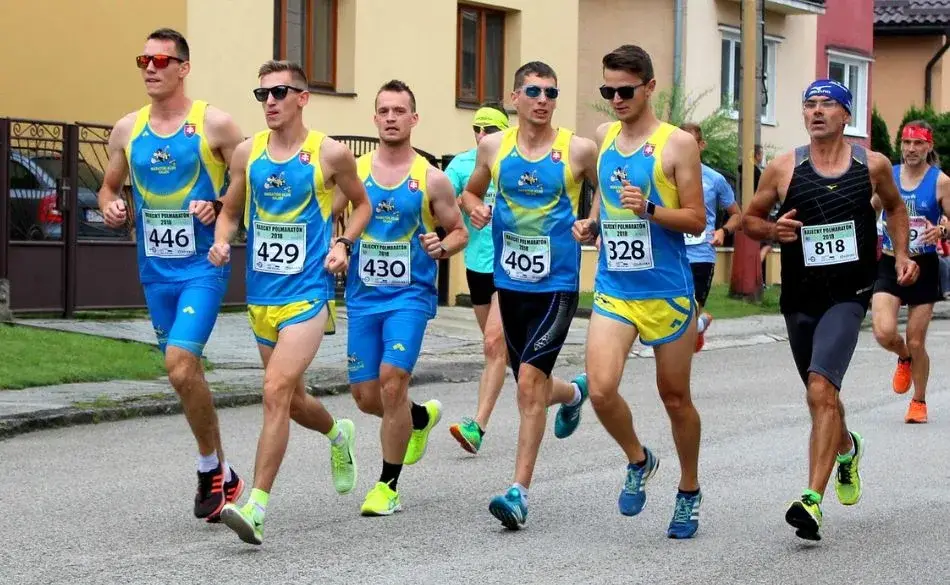














Find Your Next Running Race
Ready to put your training to the test? Here are some upcoming running events matched to this article.
 Coach Graeme
Last updated:
Whether you're stepping up from a 5K or lacing up for your very first race, a structured 10K training plan is the fastest way to reach that finish line feeling strong. This guide covers beginner and intermediate plans, key workouts, pacing advice, race day preparation, and recovery tips to keep you injury-free.
A 10K is exactly 10 kilometres or 6.2 miles. It sits in a sweet spot between the sprint of a 5K and the endurance challenge of a half marathon, making it one of the most popular race distances in Australia. Thousands of runners tackle 10K events every year, from the Sydney Morning Herald 10K and the Melbourne Run to local fun runs across the country.
Not sure where to start with training?
Tell us your goal and schedule, and we’ll give you clear direction.
No obligation. Quick, practical advice.
Explore our running training resources for more helpful articles and resources.
Complete beginners who can currently run or run/walk for about 20 to 30 minutes without stopping. If you are not quite there yet, start with a Couch to 5K plan to build your base first, then come back here when you can comfortably cover 3 to 5 kilometres.
Intermediate runners who have finished a 5K or 10K before and want to improve their time. If that sounds like you, skip ahead to the intermediate plan below.
No matter where you are starting from, the goal is the same: build your fitness gradually, stay injury-free, and arrive at race day with confidence. You do not need to run the full 10 kilometres in training before your race. Most plans peak at around 8 to 9 kilometres. Race day adrenaline and the buzz of other runners around you will carry you the rest of the way.
Most runners need between 6 and 10 weeks to prepare for a 10K, depending on their starting fitness.
If you can already run 3 to 5 kilometres comfortably, an 8-week plan gives you plenty of time to build distance and confidence without rushing.
If you can already run 5 to 7 kilometres, a 6-week plan focused on speed and race preparation may be all you need.
The jump from 5K to 10K is a bigger step than most people expect. You are doubling the distance, which means your body needs time to adapt to longer efforts, more impact on your joints, and greater energy demands. Trying to rush this process is the single most common reason runners get injured during 10K training.
A structured training plan takes the guesswork out of this. It tells you exactly when to push, when to rest, and how to progress safely from week to week.
This plan is built for runners who can currently handle about 3 kilometres or 20 minutes of continuous running. Each week includes three running sessions and two or three rest or active recovery days. The long run on the weekend gradually builds your endurance, while the midweek sessions develop consistency and fitness.
How to read this plan: all distances are in kilometres. Easy pace means conversational speed where you could hold a chat without gasping. If you need to walk during a run, that is completely fine. Walk for a minute, recover, and keep going.
👉 Swipe to view full table
| Week | Tuesday | Thursday | Weekend Long Run |
|---|---|---|---|
| 1 | 2 km easy | 2 km easy | 3 km easy |
| 2 | 2.5 km easy | 2.5 km easy | 3.5 km easy |
| 3 | 3 km easy | 2.5 km easy | 4 km easy |
| 4 | 3 km easy | 3 km easy | 5 km easy |
| 5 | 3.5 km easy | 3 km easy | 5.5 km easy |
| 6 | 3.5 km easy | 3 km with 4 x 1 min faster | 6.5 km easy |
| 7 | 4 km easy | 3 km with 5 x 1 min faster | 8 km easy |
| 8 | 3 km easy | 2 km easy shakeout | RACE DAY: 10K |
Monday, Wednesday, and Friday are rest days or light cross-training such as walking, swimming, or cycling. Rest is where your body adapts and gets stronger. Skipping rest days does not make you fitter. It makes you tired and increases your injury risk.
If a week feels like too much, there is no shame in repeating it before moving on. Consistency matters more than perfection. Missed a session because life got in the way? Just pick up where the plan says and keep going. Do not try to cram missed sessions into the next day.
Coach’s tip: This plan is a starting template. A personalised training plan from a running coach adjusts the volume, intensity, and progression to match your exact fitness level, schedule, and goals. That is far more effective than following a generic schedule, and it is the safest way to build up without overdoing it.
Already completed a 10K and want to run faster? This plan introduces structured speed work alongside your endurance runs. It assumes you are currently running about 15 to 25 kilometres per week and can comfortably complete 7 to 8 kilometres.
The key difference between beginner and intermediate training is the addition of tempo runs and interval sessions. These workouts train your body to sustain a faster pace for longer, which is exactly what you need to shave minutes off your 10K time.
👉 Swipe to view full table
| Week | Tuesday | Thursday | Weekend Long Run |
|---|---|---|---|
| 1 | 5 km easy | 4 km with 3 x 3 min tempo | 7 km easy |
| 2 | 5 km easy | 5 x 800 m intervals (90s rest) | 8 km easy |
| 3 | 6 km easy | 4 km with 4 x 3 min tempo | 9 km easy |
| 4 | 5 km easy | 6 x 800 m intervals (90s rest) | 8 km easy |
| 5 | 6 km easy | 5 km tempo (continuous) | 10 km easy |
| 6 | 5 km easy | 8 x 400 m intervals (60s rest) | 10 km easy |
| 7 | 6 km easy | 4 km tempo (continuous) | 11 km easy |
| 8 | 4 km easy | 3 km easy with 4 x strides | RACE DAY: 10K |
Tempo pace is comfortably hard. You should be able to say a few words but not hold a full conversation. For a deeper explanation of tempo runs and how to use them, read our guide to tempo runs and interval training.
Interval pace is harder than your race pace. These efforts should feel challenging but controlled. Full recovery between reps is important, so do not cut the rest short.
Coach’s tip: The intermediate plan includes one quality session per week on Thursday. A common mistake is turning easy runs into moderate runs, which means you arrive at your key session already fatigued. Keep your easy days genuinely easy so your hard days can be genuinely hard. This is something a coach monitors closely.
Every session in a well-designed 10K training plan serves a purpose. Here are the three types of runs that matter most.
The Long Run
Your long run is the backbone of your training. It builds aerobic endurance, teaches your body to burn fuel efficiently, and gives you the mental confidence to cover the full 10 kilometres. Run these at an easy, conversational pace. The goal is time on your feet, not speed.
Tempo Runs
A tempo run trains your body to clear lactate more efficiently, which means you can hold a faster pace for longer before fatigue sets in. For 10K runners, tempo efforts of 15 to 25 minutes at a comfortably hard pace are ideal. Learn more in our tempo and interval training guide.
Interval Sessions
Intervals are short, hard efforts followed by rest. They build speed and improve your running economy, which is how efficiently you use oxygen at a given pace. Common 10K interval sessions include 800-metre repeats, 400-metre repeats, and pyramid workouts where you vary the distance of each effort.
A good training plan balances all three of these workout types across the week, with enough easy running and rest between them for your body to recover and adapt. Getting this balance right is one of the main reasons runners work with a running coach.
Running alone is not enough to keep you injury-free. Adding two short strength sessions per week makes a significant difference to both your durability and your performance.
The muscles that matter most for runners are your glutes, quads, hamstrings, calves, and the smaller stabilising muscles around your hips and ankles. You do not need a gym or heavy weights. Bodyweight exercises done consistently are enough for most 10K runners.
Key exercises to include: squats, lunges, single-leg calf raises, glute bridges, side-lying leg raises, and planks. Two sessions of 15 to 20 minutes each week is all you need. Do these on easy run days or rest days, not before a hard session.
Cross-training on rest days is optional but helpful. Swimming, cycling, yoga, or even a long walk keeps you moving without the impact of running. This builds aerobic fitness while giving your legs a break from the pounding. If you are injury-prone or coming back from time off, swapping one running day for a cross-training day is a smart approach.
Coach’s tip: Strength training is the most under-used tool in a recreational runner’s toolkit. Research consistently shows that runners who do regular strength work have fewer injuries and better running economy. Even 15 minutes twice a week makes a measurable difference.
Going out too fast is the most common mistake in any 10K race. The first two kilometres feel easy because of adrenaline, but if you bank too much speed early, you pay for it heavily in the second half.
There are three approaches to pacing your 10K, and the best runners use a combination of all three.
Perceived effort. Your 10K race pace should feel hard but sustainable. On a scale of 1 to 10, aim for about a 7 out of 10 through the first half, then allow effort to build naturally in the final 3 kilometres.
Heart rate. If you train with a heart rate monitor, your 10K race pace typically falls in zone 4, or about 85 to 90 percent of your maximum heart rate. Starting in upper zone 3 and building into zone 4 is a smart strategy. For a full breakdown of how to train with heart rate zones, read our heart rate zone training guide.
Pace-based. If you have a recent 5K time, a rough guide is to add 30 to 45 seconds per kilometre to your 5K pace for a realistic 10K pace. For example, if you ran a 5K at 5:30 per kilometre, aim for about 5:50 to 6:00 per kilometre in your 10K.
A negative split, where you run the second half slightly faster than the first, is the hallmark of smart racing. It takes discipline to hold back early, but it almost always produces a faster overall time and a much better race experience. Your running cadence and technique also play a role here. Maintaining good form when you are tired helps you hold pace without wasting energy.
Good race preparation starts the day before and runs right through to the finish line. Here is how to set yourself up for a strong performance.
The Night Before
Eat a familiar dinner that you know sits well. Pasta, rice, or potatoes with a simple protein source is a safe bet. Avoid anything new, spicy, or heavy on fibre. Lay out your race gear, pin your bib number to your shirt, and set two alarms. Going to bed feeling organised removes stress.
Race Morning
Eat breakfast two to three hours before the start. Toast with peanut butter, a banana, porridge, or whatever you have eaten before training runs. The key word is familiar. Race morning is not the time to experiment. Sip water in the lead-up but do not overdo it. Arrive at the start with enough time to use the toilets, do a light warm-up jog of five minutes, and settle your nerves.
During the Race
Start conservatively. Let the first two kilometres feel almost too easy. You will be glad you held back when others around you start fading at the 7-kilometre mark. For a 10K, most runners do not need to eat during the race. A gel or a few sweets at the 5-kilometre mark can help if you feel your energy dropping, but practise this in training first. Take water at aid stations if you are thirsty, but do not feel you must drink at every one.
After the Finish
Walk for 10 minutes to cool down. Drink water or an electrolyte drink. Eat something with carbohydrates and protein within an hour, even if it is just a banana and a handful of nuts. Take the next two to three days easy with walking or very light jogging before returning to normal training.
You do not need a radical diet change to train for a 10K, but what you eat does affect how you feel on your runs and how quickly you recover between sessions.
Before a run: eat a light snack 60 to 90 minutes beforehand if you are running for more than 30 minutes. Toast, a banana, or a small bowl of porridge works well. Some runners prefer to run first thing on an empty stomach for shorter easy runs, which is fine as long as you feel okay.
After a run: aim to eat within an hour of finishing, especially after longer or harder sessions. A combination of carbohydrates and protein helps your muscles recover. A smoothie, eggs on toast, or yoghurt with fruit are all good options.
Day to day: focus on eating enough to fuel your training. Runners often undereat, which leads to fatigue, poor recovery, and increased injury risk. Whole grains, lean protein, vegetables, fruit, and healthy fats cover all the bases. Stay well hydrated throughout the day, not just around your runs.
During the race: for most runners, a 10K is short enough that you do not need to fuel during the race itself. Water at aid stations is usually sufficient. If your 10K will take over an hour, an energy gel at the halfway point can help. Whatever you plan to use on race day, test it in training first.
Training is only half the equation. Your body gets stronger during recovery, not during the run itself. If you skip rest days or push through pain, you are setting yourself up for setbacks.
Take your rest days seriously. Two to three rest or active recovery days per week is not laziness. It is smart training. Walk, swim, or do gentle stretching on these days.
Do not ignore pain. Muscle soreness after a harder session is normal. Sharp, localised pain that gets worse as you run is not. Common 10K training injuries include shin splints, knee pain, and achilles tendon issues. If something does not feel right, rest early rather than pushing through and making it worse.
Sleep matters more than you think. Aim for seven to nine hours per night. Sleep is when your muscles repair, your hormones rebalance, and your aerobic system adapts to the training load you are putting on it.
Warm up before every run. Five minutes of brisk walking followed by gentle dynamic stretches such as leg swings, high knees, and hip circles prepares your muscles and joints for the session ahead. Save static stretching for after your run.
For a deeper look at common running injuries and how to stay healthy during training, check out our running injury prevention guides.
Absolutely. Treadmill running is a valid and effective way to train, especially when the weather is poor, your schedule is tight, or you prefer the controlled environment of running indoors.
Outdoor running helps you adapt to wind, terrain changes, and pacing without a screen telling you your speed. Treadmill running offers consistency, convenience, and the ability to precisely control your pace and incline. Both have real benefits, and mixing the two across your training week is often the most practical approach.
If you do most of your training on a treadmill, try to do at least one outdoor run per week in the lead-up to your race. Running outside uses slightly different muscles and requires you to manage your own pacing, which is an important skill for race day.
Set the treadmill to a 1 percent incline to better simulate the energy cost of outdoor running. This small adjustment makes your indoor sessions more closely match the effort you would feel outside.
Finishing a 10K is a brilliant achievement, whether it is your first or your fastest. But what comes next?
If you want to run faster, take a recovery week after your race, then start a new training block with more structured speed work. The intermediate plan above is a good starting point, and you now have a benchmark time to train against.
If you want to go further, a half marathon training plan is the natural next step. The jump from 10K to 21.1 kilometres is significant, but if you have completed a 10K, you already have the aerobic base to begin building towards it.
If you want to keep improving with structure, working with a running coach gives you a personalised plan that adapts every week to your progress, your schedule, and your body. It is the most efficient way to keep getting faster without guessing what to do next.
Many runners find that after their first 10K, running becomes a long-term part of their life. The 10K is not just a race. It is the beginning of a running journey that can take you to half marathons, marathons, trail races, or simply a lifetime of consistent fitness.
Generic plans get you started. Personalised coaching gets you results. At SportCoaching, we build your 10K training plan around your fitness level, your goals, and your life. Every week is adjusted based on how your body is responding, so you are always training at the right intensity.
If you want a structured, individualised approach that takes the guesswork out of your training, running coaching provides personalised plans, ongoing guidance, and weekly adjustments designed to help you run faster, stay consistent, and avoid injury.
Get your 10K planWhat is a good 10K time?
This depends entirely on your age, experience, and goals. For a first-time runner, finishing is the achievement and time is secondary. As a general guide, many recreational runners finish between 50 and 70 minutes. Competitive club runners often aim for under 45 minutes, while elite runners finish in around 30 to 35 minutes. The only time that matters is your own. Once you have a baseline, a coach can help you set a realistic target for your next race.
Can I run a 10K without training?
If you are already active and can comfortably run 5 kilometres, you could probably get through a 10K on very little specific training. But you would likely find the second half very difficult, your risk of injury goes up considerably, and your recovery will take much longer. Even four to six weeks of structured training makes an enormous difference to how the race feels and how quickly you bounce back afterwards.
How many times a week should I run for 10K training?
Three to four running sessions per week is the sweet spot for most 10K runners. This gives you enough training stimulus to improve while leaving adequate recovery time between sessions. Quality matters more than quantity, especially when you are building up. On non-running days, light cross-training or strength work helps support your running without adding impact.
Should I run a 10K before a half marathon?
It is not essential, but it is highly recommended. Racing a 10K teaches you about pacing, nutrition, and race day nerves in a lower-stakes environment. It also gives you a benchmark time that helps set realistic goals for your half marathon training. Most runners find the experience of racing a 10K makes them significantly better prepared for longer distances.
Can I train for a 10K on a treadmill?
Yes. Treadmill training is effective and convenient. Many runners use a mix of treadmill and outdoor running throughout their plan. If your race is outdoors, try to include at least one outdoor run per week so you can practise pacing and adapting to real-world conditions. Set the treadmill to 1 percent incline to better simulate outdoor running.
Ready to put your training to the test? Here are some upcoming running events matched to this article.

Head Coach & Founder, SportCoaching
Graeme is the founder of SportCoaching and has coached more than 750 athletes from 20 countries, from beginners to Olympians, in cycling, running, triathlon, mountain biking, boxing, and skiing. His coaching philosophy and methods form the foundation of SportCoaching's training programs and resources.
No matter your goals, SportCoaching offers tailored training plans to suit your needs. Whether you’re preparing for a race, tackling long distances, or simply improving your fitness, our expert coaches provide structured guidance to help you reach your full potential.
Smart, progressive training from 5km to marathon with weekly guidance.
What’s included
Browse upcoming Australian running, cycling, and triathlon events in one place. Filter by sport, check dates quickly, and plan your training around something real on the calendar.
Choose your plan to get started with personalized training plans designed to help you reach your goals.
Get consistent feedback, ongoing plan adjustments, and direct support from a coach who understands your training, your data, and your goals.
Prefer to chat? Talk with a coach now →


Minna Backman
When you’re new, feedback is especially important, and Graeme is highly skilled at both analyzing numbers and understanding the importance of mental strength.