







As an Amazon Associate, SportCoaching earns from qualifying purchases.






Find Your Next Running Race
Ready to put your training to the test? Here are some upcoming running events matched to this article.
 Coach Graeme
Last updated:
Salt tablets are one of the most debated topics in running nutrition. Marketed as a cure for cramps and dehydration, they're used by thousands of marathon and ultramarathon runners — yet the research tells a more complicated story. This guide covers what salt tablets actually do, when they're genuinely useful, how to dose them correctly, and what the science says about the cramps claim that most articles get wrong.
Not sure where to start with training?
Tell us your goal and schedule, and we’ll give you clear direction.
No obligation. Quick, practical advice.
Explore our running training content for more helpful articles and resources.
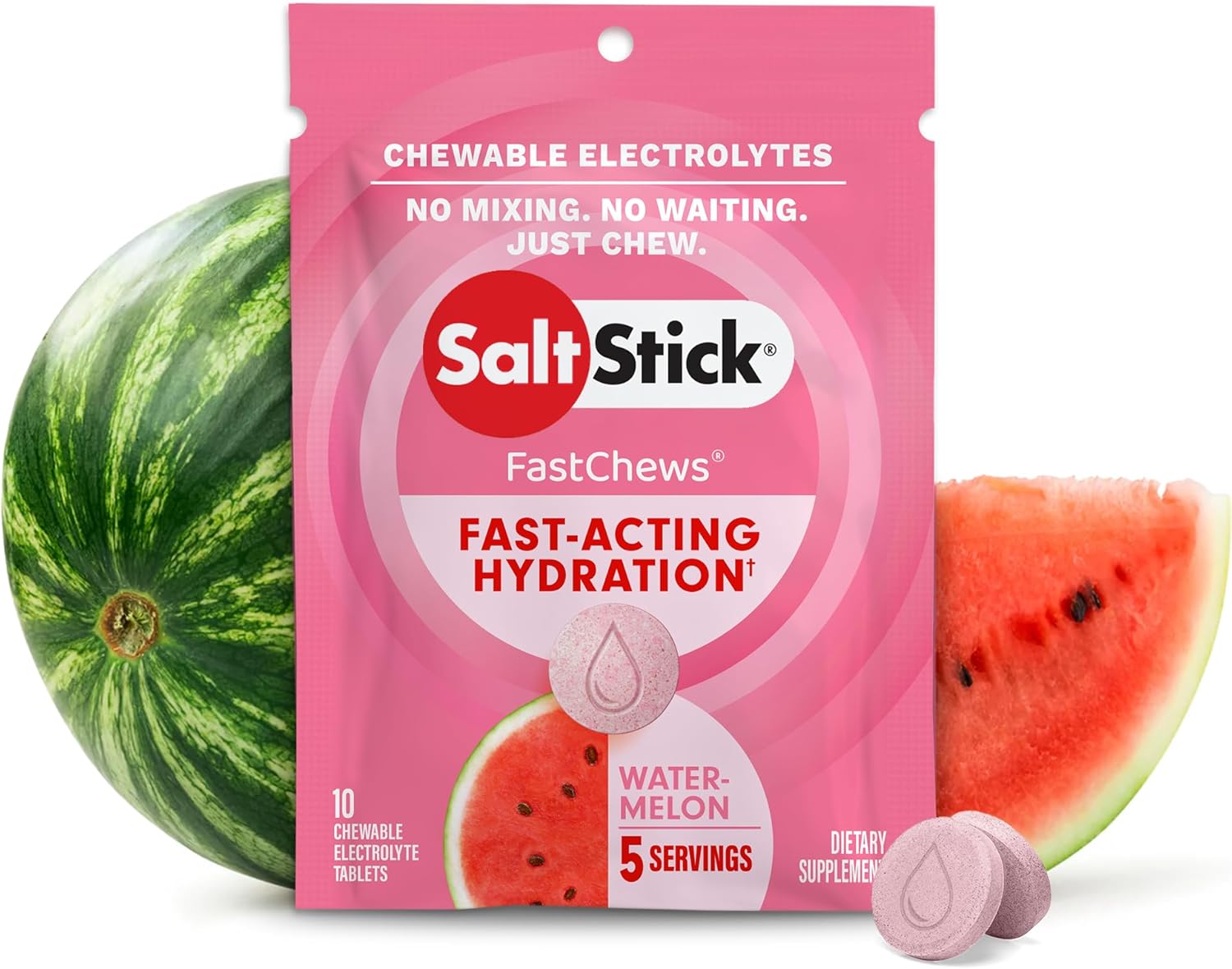
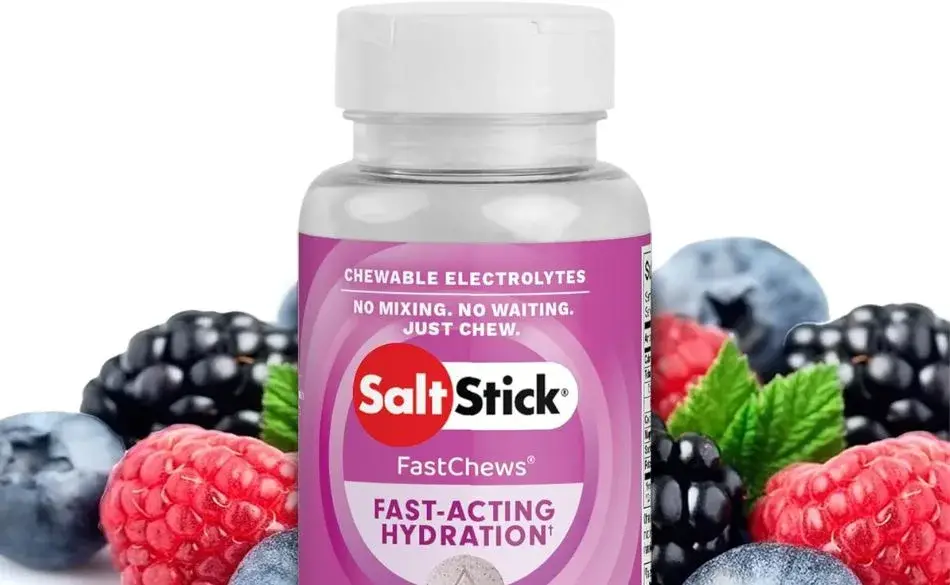
Salt tablets (also called electrolyte capsules or salt pills) are concentrated sodium supplements in capsule, tablet, or chew form. Most contain sodium chloride (table salt) as the primary ingredient, often alongside other electrolytes including potassium, magnesium, calcium, and chloride. They are designed to replace sodium lost in sweat during prolonged exercise.
The sodium concentration is significantly higher than most sports drinks. A single SaltStick capsule, for example, contains 190mg of sodium. A standard serving of Gatorade contains around 160–200mg per 500ml. This difference matters for heavy sweaters: if you’re losing 1,600mg of sodium per litre of sweat — as some runners do — a sports drink alone often can’t keep up, especially at lower fluid intake rates.
👉 Swipe to view full table
| Product Type | Sodium per Serving | Other Electrolytes? | Best For |
|---|---|---|---|
| Salt tablets (NaCl only) | ~390–500mg per tablet | No | Pure sodium top-up; heavy sweaters on top of sports drink |
| Electrolyte capsules (multi) | ~100–250mg per capsule | Yes (K, Mg, Ca) | Full electrolyte replacement without a drink |
| Electrolyte drinks | ~200–500mg per 500ml | Yes | Combined hydration and electrolyte replacement |
| Gels (most brands) | ~20–100mg per gel | Sometimes | Carbohydrate-primary fuelling with minor sodium |
| Electrolyte sachets (e.g. LMNT) | ~1,000mg per sachet | Yes | Very heavy sweaters; those avoiding sugary drinks |
Sodium is the primary electrolyte in the fluid outside your cells (extracellular fluid). During running, it plays three critical roles:
Fluid balance. Sodium regulates how water moves between your cells and bloodstream. Losing too much sodium — or diluting it by drinking too much plain water — disrupts this balance. This is why drinking large volumes of plain water during a marathon without replacing sodium can cause exercise-associated hyponatremia (EAH), where blood sodium levels drop dangerously low.
Thirst regulation. Sodium stimulates the thirst mechanism, helping you drink appropriately to your actual fluid needs. This is partly why salty foods and drinks help maintain hydration — they keep you drinking rather than stopping prematurely.
Nerve and muscle function. Sodium is involved in the electrical signalling that drives muscle contraction. Significant sodium depletion can impair this signalling, contributing to weakness and coordination problems late in a long race.
Not every runner needs salt tablets. Sodium needs vary significantly between individuals — some people lose two to three times more sodium per litre of sweat than others. Heavy salt sweaters are the primary group who benefit from supplementation beyond what food and drinks naturally provide.
Signs you may be a heavy, salty sweater:
White streaks or crusty deposits appear on your skin or clothing after a run. You frequently taste salt on your face during exercise. You get stinging eyes from sweat. You regularly experience cramping on longer runs despite adequate hydration. You feel significantly better on runs where you’ve consumed salty foods beforehand.
If none of these apply, you likely replace sodium adequately through sports drinks, gels, and regular food consumed around training. Salt tablets would provide marginal benefit and aren’t worth the cost or complexity.
The most common reason runners reach for salt tablets is to prevent cramps. The reality is more complicated than most product labels suggest, and being honest about this will help you make better decisions.
Cramping during running is multifactorial. Research consistently shows that muscle fatigue — not electrolyte imbalance — is the dominant cause of exercise-associated muscle cramps (EAMCs) in most runners. A 2019 review in Sports Medicine described cramping as a multifactorial phenomenon involving altered neuromuscular activity along spinal reflexes, hydration and sodium balance, and individual susceptibility. One study found that 69% of runners experienced cramps despite adequate hydration and sodium intake.
Stanford research found that electrolyte supplements “have never been shown to prevent illness or improve performance” in ultramarathon runners, and that longer training distances, lower body mass, and avoiding overhydration were more important factors than sodium supplementation.
However, this doesn’t mean sodium is irrelevant to cramping. A 2021 Edith Cowan University study found that electrolytes reduced muscle cramp susceptibility better than plain water — supporting the idea that electrolyte dilution (from drinking too much water without replacing sodium) contributes to cramping. The key distinction: the mechanism is likely fluid dilution causing reduced extracellular sodium concentration, rather than total sodium depletion per se.
Practically: if you cramp consistently and you’re also a heavy sweater who trains in the heat, salt tablets are worth trialling — they’re low risk and many runners report meaningful improvement. If you cramp but have good sodium status and it occurs late in races when fatigue peaks, sodium is probably not the primary cause. For more on cramping specifically, see our guide to how to avoid cramps while running.
👉 Swipe to view full table
| Situation | Salt Tablets Useful? | Reason |
|---|---|---|
| Runs under 60 minutes | No | Sodium stores and normal food intake are sufficient |
| Runs 60–90 minutes, cool conditions | Unlikely | Sports drink or gels provide adequate sodium for most runners |
| Runs over 90 minutes | Yes, for moderate-heavy sweaters | Cumulative sodium loss exceeds what drinks alone replace |
| Hot or humid conditions | Yes | Sweat rate and sodium loss both increase significantly |
| Ultramarathons / multi-stage events | Yes | Long duration makes sodium management critical; backup when drinks run out |
| Disliking race-provided sports drinks | Yes | Allows electrolyte intake with plain water preference |
| Heavy salt sweater (white streaks) | Yes | Individual sodium losses may far exceed drink replacement capacity |
| Normal sweater using sports drinks | Probably not needed | Sports drink sodium is likely sufficient |
Start conservatively and adjust based on how you feel — do not begin experimenting on race day. Test your sodium strategy during training in conditions similar to your target event.
Starting target: Aim for 300–700mg of total sodium per hour during runs over 90 minutes. This includes sodium from all sources — gels, sports drinks, food, and tablets. Heavy sweaters may need 700–1,000mg or more per hour in hot conditions.
Timing: Take your first tablet approximately 30 minutes into the run, then every 30–60 minutes thereafter. Don’t wait until you feel thirsty, fatigued, or crampy — by then sodium deficit has already built up.
Water requirement: Always take salt tablets with at least 200–300ml of water. Taking concentrated sodium without adequate fluid slows absorption and can cause nausea, bloating, and paradoxically worsen dehydration. This is the most common error runners make with salt tablets.
Adjusting by feel: Increase sodium intake if you feel persistently thirsty despite drinking. Reduce intake if you feel bloated, cotton-mouthed, or develop nausea. These are signs your sodium intake is too high relative to fluid intake.
Hot conditions: Increase intake by 20–30% in temperatures above 25°C or in high humidity. Sweat rate increases substantially in heat, proportionally increasing sodium loss.
As an Amazon Associate, SportCoaching earns from qualifying purchases.
Exercise-associated hyponatremia (EAH) occurs when blood sodium concentration drops too low — most commonly when runners consume large volumes of plain water during a long race without replacing sodium. It is more dangerous than dehydration, with severe cases causing confusion, seizures, and in rare cases death. There have been at least 14 documented fatalities from EAH since 1985.
Symptoms of hyponatremia include headache, nausea, swelling in the hands and feet, confusion, difficulty with balance, and in severe cases seizures. The critical point: these symptoms look similar to dehydration, which causes runners to drink more plain water — worsening the condition. If you develop these symptoms during a long run or race, do not drink more plain water. Seek medical attention.
Keeping sodium intake appropriate to fluid intake — rather than drinking to a schedule regardless of thirst — is the most effective prevention. Salt tablets used correctly reduce EAH risk rather than causing it.
Salt tablets are not the only way to maintain sodium during a run. The right choice depends on your preferences, the event length, and your sweat rate. Many runners use a combination of sources rather than relying on any single one.
Sports drinks provide sodium alongside carbohydrates and fluid, which is convenient for most situations but limits customisation — you can’t increase sodium without also increasing fluid or sugar intake. Electrolyte powders or sachets offer more flexibility. Salty food options (pretzels, salted crackers, pickle juice) work well in ultramarathons where real food is consumed. Salt tablets are uniquely useful when you want to control sodium intake precisely, independently of fluid or calorie intake.
For runners tracking their sodium against sweat losses, a personalised sweat test — available through sports dietitians and some sports science labs — measures your actual sweat rate and sodium concentration, removing the guesswork entirely. This is worth considering for serious marathon or Ironman athletes.
For guidance on overall hydration strategy on long runs, see our guide on nausea after running — dehydration and sodium imbalance are common contributors to post-run nausea.
Hydration and electrolyte strategy is one of the areas where athletes most commonly make avoidable mistakes on race day. Our running coaching programme includes personalised nutrition and hydration guidance built around your sweat rate, event distance, and conditions.
Explore Running Coaching →Do salt tablets help runners?
Yes — for the right runners in the right conditions. They help maintain sodium balance on runs over 90 minutes, particularly for heavy sweaters and in hot or humid conditions. They support hydration by maintaining the sodium-fluid balance that plain water alone can’t provide. The evidence on preventing cramps is more mixed, since cramping is multifactorial.
When should runners take salt tablets?
Take your first around 30 minutes into a long run, then every 30–60 minutes. Always take with at least 200–300ml of water. They’re not needed for runs under 60–90 minutes in most conditions.
How much sodium do runners need per hour?
A practical starting target is 300–700mg sodium per hour during long runs, from all sources combined (drinks, gels, tablets). Heavy sweaters in hot conditions may need 700–1,000mg or more. Adjust based on how you feel — persistent thirst suggests too little; bloating or cotton-mouth suggests too much.
Can salt tablets cause side effects?
At recommended doses with adequate water, side effects are rare. Taking them without enough water causes nausea, bloating, and impaired absorption. Excessive doses can cause hypernatremia. Runners with hypertension, kidney disease, or relevant medications should consult a doctor first.
Are salt tablets or electrolyte drinks better?
Neither is universally better — they serve different purposes. Drinks combine sodium, carbohydrate, and fluid together. Salt tablets let you adjust sodium independently. Most runners benefit from using both: a sports drink for combined fuelling, with salt tablets added when sodium needs exceed what the drink provides.
Ready to put your training to the test? Here are some upcoming running events matched to this article.



Head Coach & Founder, SportCoaching
Graeme is the founder of SportCoaching and has coached more than 750 athletes from 20 countries, from beginners to Olympians, in cycling, running, triathlon, mountain biking, boxing, and skiing. His coaching philosophy and methods form the foundation of SportCoaching's training programs and resources.
No matter your goals, SportCoaching offers tailored training plans to suit your needs. Whether you’re preparing for a race, tackling long distances, or simply improving your fitness, our expert coaches provide structured guidance to help you reach your full potential.
Smart, progressive training from 5km to marathon with weekly guidance.
What’s included
Browse upcoming Australian running, cycling, and triathlon events in one place. Filter by sport, check dates quickly, and plan your training around something real on the calendar.
Choose your plan to get started with personalized training plans designed to help you reach your goals.


Minna Backman
When you’re new, feedback is especially important, and Graeme is highly skilled at both analyzing numbers and understanding the importance of mental strength.











