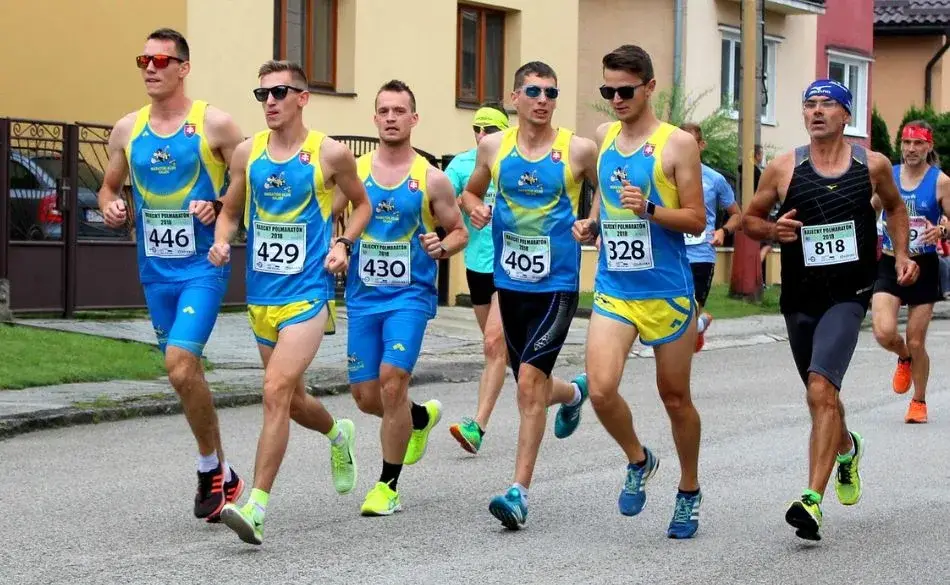
Can You Really Prepare in Just 7 Weeks?
Absolutely. While most half marathon training plans span 10–12 weeks, a seven-week schedule can still deliver great results. The key is to maximize each workout, balance intensity with recovery, and set realistic expectations. I’ve seen first-timers and seasoned runners both succeed with focused, condensed plans. Consistency, proper nutrition, and smart injury prevention strategies will be your greatest allies.
Detailed Week-by-Week Training Schedule
Here’s a detailed breakdown of what your next seven weeks should look like:
Week 1–2: Building a Foundation
- Prioritize consistent, manageable runs to build a base.
- Incorporate easy-paced runs, one tempo run, and one longer run per week.
- Include cross-training such as cycling, swimming, or yoga.
Week 3–4: Increasing Intensity
- Start interval sessions (4x800m) at a comfortably challenging pace.
- Maintain a weekly long run to gradually build endurance.
- Include strength or yoga sessions to support running efficiency and recovery.
Week 5–6: Peak Training Weeks
- Increase your weekly mileage slightly, reaching your peak long run distance of 18 km.
- Intensify interval sessions slightly (5x800m) to boost speed and stamina.
- Keep cross-training and strength training sessions to prevent injuries and enhance recovery.
Week 7: Tapering
- Significantly reduce mileage and intensity to allow full recovery.
- Include easy-paced runs and one short shakeout run before race day.
- Prioritize rest, hydration, and nutrition this week.
| Week | Monday | Tuesday | Wednesday | Thursday | Friday | Saturday | Sunday |
|---|---|---|---|---|---|---|---|
| 1 | Rest | 5 km Easy | Cross-train (30 mins) | 5 km Tempo | Rest | 8 km Long | Rest/Easy Walk |
| 2 | Rest | 5 km Easy | Cross-train (40 mins) | 5 km Tempo | Rest | 10 km Long | Rest/Easy Walk |
| 3 | Rest | Intervals (4x800m) | Strength/Yoga | 6 km Tempo | Rest | 12 km Long | Active Recovery |
| 4 | Rest | Intervals (4x800m) | Strength/Yoga | 6 km Tempo | Rest | 14 km Long | Active Recovery |
| 5 | Rest | 7 km Steady | Intervals (5x800m) | Cross-train | Rest | 15 km Long | Easy Walk |
| 6 | Rest | 7 km Steady | Intervals (5x800m) | Cross-train | Rest | 18 km Long | Easy Walk |
| 7 | Rest | 5 km Easy | Gentle Cross-training | 4 km Shakeout | Rest | Rest | Race Day! |
If you’re looking for a longer training schedule, check out our Half Marathon Running Training Plan designed for all levels of runners.
Wondering what time to aim for? Learn more about average finishing times in our guide on What’s a Respectable Time for a Half Marathon.


Making Each Run Count
Since your timeframe is tight, quality over quantity matters. Focus on hitting your pacing during tempo and interval runs. Easy days are truly easy. This balance will help your body absorb the training and prevent injury.
I remember training for my first half marathon. I mistakenly treated every run like a race, quickly learning the hard way that this approach leads to burnout. Don’t repeat my mistake. Keep easy runs slow enough to chat comfortably, saving your harder efforts for dedicated workout days.
Understanding how to manage your pace is key to success. Explore our detailed guide on the Half Marathon Pacing Strategy to ensure you finish strong without burning out.
Nutrition and Hydration
Proper fueling can make or break your half marathon experience. With your condensed schedule, good nutrition becomes even more critical:
- Maintain consistent hydration, drinking 2–3 liters of water daily.
- Prioritize carbohydrates and proteins post-workout to aid muscle recovery.
- Test out energy gels, chews, or snacks during your long training runs.
- Plan meals to ensure you are well-fueled and avoid gastrointestinal issues during training and racing.
Injury Prevention is Crucial
With fewer weeks, the temptation is high to push your limits every session. Instead, incorporate these tips to stay injury-free:
- Warm-up thoroughly for 5–10 minutes before runs, including dynamic stretching.
- Post-run stretching for 10–15 minutes focusing on calves, hips, hamstrings, and quads.
- Foam roll regularly to release muscle tightness and improve circulation.
- Take immediate rest days if you experience unusual pain or discomfort.
Incorporating strength work can dramatically improve endurance and help prevent injuries. Follow our Strength Training Program for Runners to build a stronger, more resilient body.


Mental Preparation Matters
- Visualize the entire race day, including your successful finish.
- Develop a motivating race-day mantra like “Strong legs, calm mind.”
- Keep a positive mindset.Each completed training session boosts your confidence.
- Practice deep breathing and relaxation techniques to manage race-day nerves.
Common Mistakes in Short Training Cycles
When training within a shorter period, it’s common to encounter pitfalls. Here are the most frequent mistakes and how to avoid them:
- Doing Too Much Too Soon: Runners often try to compensate for lost time by significantly increasing mileage or intensity. This rapid increase can lead to overtraining or injury. Instead, adhere strictly to incremental weekly increases in distance and intensity.
- Ignoring Rest Days: With limited time, rest might seem like wasted opportunities. However, rest days are crucial for recovery and injury prevention. Always schedule rest and active recovery days, and stick to them consistently.
- Neglecting Strength Training: In an effort to maximize running mileage, many runners skip strength workouts. This can increase injury risk and reduce running efficiency. Incorporate at least 1–2 sessions of strength training weekly, focusing on core and leg strength.
- Skipping Proper Nutrition: Poor nutrition habits during short training cycles can significantly hinder performance and recovery. Prioritize a balanced diet rich in carbohydrates, proteins, healthy fats, and hydration.
- Failing to Listen to Your Body: Runners often push through pain or fatigue, risking injury or burnout. Be attentive to your body’s signals, and don’t hesitate to adjust training intensity or take additional rest when necessary.


Frequently Asked Questions
Can beginners really train for a half marathon in 7 weeks?
How many days per week should I train?
What's the longest run needed before race day?
Can I walk part of the half marathon?
What if I miss a workout?


Final Thoughts: Achieving Your Half Marathon Goals in Just 7 Weeks
Training for a half marathon in just seven weeks is ambitious, but it’s also exciting and entirely achievable. By sticking to your structured training plan, prioritizing injury prevention, and embracing proper nutrition, you’ll set yourself up for success. Remember to trust your training, embrace the journey, and enjoy each step along the way. As race day approaches, reflect on the dedication you’ve shown and the incredible achievement you’re about to accomplish.
For a more extended training schedule, you might find the ASICS 12-Week Half Marathon Training Plan helpful. It provides a detailed approach to building endurance over three months.