What’s Really Causing That Lower Ab Pain?
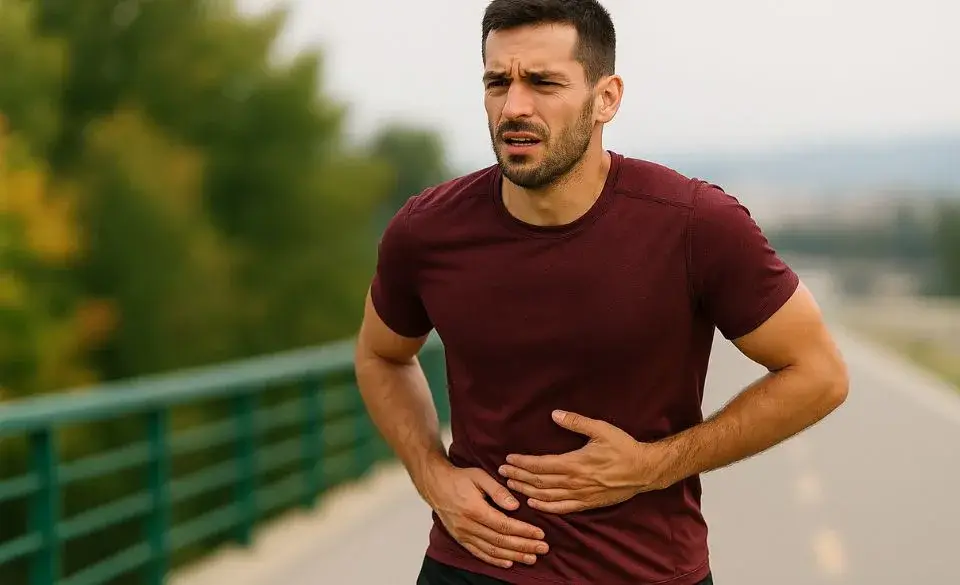
When you feel lower abdominal pain after exercise, the first thing to figure out is where it’s really coming from. That ache might feel like it’s deep in your stomach, but several different things can cause it and not all of them are muscular.
Common Culprits Behind the Pain
- Abdominal muscle strain – If you’ve done core workouts like planks, crunches, or leg raises, this is a big one. A sudden pull or dull soreness often means you’ve worked the muscles a little too hard or too fast.
- Tight hip flexors – These muscles sit deep in your lower belly area. When they get overused, especially in activities like running or cycling, they can mimic stomach pain.
- Digestive stress – Eating too close to your workout or dehydration can trigger cramps and bloating. That pressure builds in your lower gut and feels just like a muscle issue.
- Breathing mechanics – Holding your breath during tough efforts can increase intra-abdominal pressure. That pressure pushes down on your pelvic area and causes a tight or sharp feeling.
- Exercise-induced side stitch – This can travel to the lower abs if severe. It’s often tied to poor warm-up or shallow breathing.
If the pain comes on gradually after a workout, it’s often muscular. If it hits suddenly during a session and feels sharp, it’s more likely from your digestive system or breathing mechanics.
Have you noticed the pain happens more after certain workouts or meals? That clue alone can help you pinpoint the cause and the solution.
How Can You Tell If It’s Serious or Just Soreness?
Sometimes, abdominal muscle pain after workout is just that: soreness from working hard. But other times, it’s a warning sign you shouldn’t ignore.
Knowing the difference can save you from injury, missed training, or a trip to the doctor.
Here’s what to look for:
- Soreness feels dull, stiff, or tight. It usually shows up a day or two after exercise. You’ll feel it when moving, stretching, or laughing, but it doesn’t stop you in your tracks.
- Sharp or stabbing pain is a red flag. If you feel it during movement. Especially twisting, running, or lifting. It could mean a strain or tear.
- Pain on one side (especially low and to the side of your belly button) might point to something unrelated to exercise, like a hernia or an internal issue. Don’t ignore this.
- Swelling, bruising, or bulging in the area? Stop training and get checked out. These are signs of strain or something more serious.
Here’s the thing about soreness:
Delayed onset muscle soreness (DOMS) in your abs can feel intense. Especially if you’re not used to core workouts. But it tends to ease within 2–3 days and responds well to gentle stretching, rest, and hydration.
One runner I coached, Sarah, started adding planks and Russian twists to her routine. Within two days, she messaged me in a panic about “weird pain in her lower abs.” It turned out to be DOMS. We adjusted her training, added some active recovery, and she was back to running pain-free in three days.
Ask yourself:
Did the pain start right away or the next day?
Does it feel worse with movement or pressing the area?
Pay attention. Your body’s giving you clues.


How to Treat Lower Abdominal Pain After Exercise
So you’re feeling that lower stomach cramps after working out, and you’re wondering what to do next. Don’t worry, most of the time, treatment is simple and effective.
Whether it’s a mild strain, post-core soreness, or digestive discomfort, these fixes can help you recover faster.
Step-by-Step Recovery Tips
- Rest and reduce intensity. Take a break from the activity that caused the pain. This doesn’t mean no movement. Itjust means avoiding high-impact or core-heavy workouts for a few days.
- Use gentle heat. A warm compress or heat pack can soothe sore muscles and improve blood flow to the area. If the pain feels more inflamed than sore, switch to ice instead.
- Stay hydrated. Cramps are often linked to dehydration and electrolyte imbalance. Drink plenty of water and consider adding a pinch of salt or electrolyte mix post-workout.
- Try gentle stretching. Movements like lying spinal twists or cobra pose can release tight hip flexors and relax the abdominal wall without straining it.
- Over-the-counter pain relief. If needed, mild anti-inflammatories like ibuprofen can reduce pain. However, only use short-term and avoid masking serious injuries.
When to Return to Training
- Pain has fully subsided
- Movements like bending, twisting, or light jogging feel pain-free
- You can activate your core without sharp discomfort
One common mistake I see athletes make is jumping back in too fast. Give your body 24–72 hours after pain fades to ease into movement again. Start with low intensity, and build gradually.
Helping reduce post-exercise swelling and support recovery doesn’t always stop at rest and ice. Some athletes find relief from wearing compression socks for running. They can ease fatigue and speed recovery from other area’s hurting, especially after days of core and leg training.
Can You Prevent Lower Abdominal Pain During Exercise?
Here’s the good news, pain in lower abdomen after running or strength training isn’t something you just have to live with. Most of the time, it’s preventable. All it takes is a few thoughtful changes to how you prepare, train, and recover.
Whether you’re brand new to exercise or deep into your training plan, these simple shifts can make a huge difference.
Smart Prevention Strategies
- Warm up properly. Cold muscles are easier to strain. Spend 5–10 minutes doing light cardio and dynamic stretches to loosen up your core and hips.
- Time your meals right. Eating too close to your workout. Especially heavy or high-fat meals can lead to digestive cramps. Give your body 1–2 hours to settle before training.
- Engage your core, don’t over-brace. A lot of athletes tense up their abs too hard, thinking it adds stability. But overdoing it can create pressure and pain. Instead, lightly “zip up” from your pelvis to your ribs.
- Stretch your hip flexors regularly. Tight hip flexors are one of the most overlooked causes of abdominal discomfort. Just 2–3 minutes of stretching daily can reduce tension and improve movement.
- Hydrate throughout the day. Don’t wait until your workout to chug water. Staying consistently hydrated helps prevent cramps and tightness in both your core and digestive system.
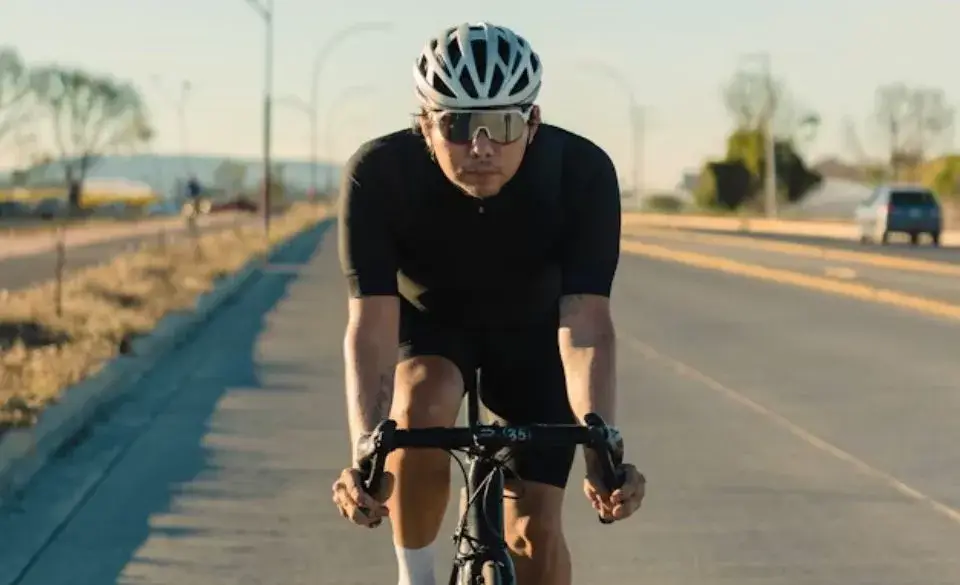
One cyclist I coach, Mark, used to get sharp lower ab pain about 20 minutes into his rides. We took a closer look at his routine and saw two culprits. He was tensing his abs too much on the bike and eating a big breakfast just 30 minutes before heading out. After spacing out his meals and softening his core engagement, the pain vanished in less than a week.
Small adjustments add up. The more you listen to your body now, the fewer setbacks you’ll face later.
If you want to build a resilient mid-section that’s less prone to strain or stitches, check out our guide
Core Workouts for Runners: Strength, Stability & Pain Prevention. It’s packed with safe progressions for core strength, stability drills, and injury-prevention strategies.

When Should You See a Doctor About Lower Ab Pain?
We’ve all been there, wondering if that ache in your lower belly is just post-workout soreness or something more serious. Most of the time, lower abdominal pain after exercise is minor and goes away on its own. But if it lingers, feels sharp, or comes with other symptoms, it’s smart to hit pause and take a closer look.
It’s easy to downplay pain when you’re focused on your goals. Runners often write it off as tightness. Lifters might think it’s just a strained muscle. But ignoring the signs can lead to bigger issues and more missed training later on.
Your body gives you warnings for a reason. Pain is a signal, not a weakness. And the sooner you listen, the faster you can respond, recover, and get back to doing what you love.
Red Flags You Shouldn’t Ignore
- Pain that doesn’t go away after 5–7 days, even with proper rest and recovery habits
- Sharp, stabbing, or burning pain that worsens during everyday movements like twisting or getting out of bed
- Pain that radiates to your lower back, hips, groin, or down one leg
- Swelling, bruising, or a visible bulge in the lower abdomen. Possible sign of a hernia or tear
- Digestive symptoms like bloating, nausea, fever, or appetite loss
- Changes in urination or bowel movements that come out of nowhere
Not all pain is equal. What feels like a pulled ab muscle could actually be a hernia, or even something unrelated to exercise like appendicitis or a cyst. While rare, these conditions need medical attention fast. And if you wait too long, recovery takes much longer.
I’ve seen athletes delay care out of fear they’ll lose fitness. But let me be clear, one week off for healing is way better than six weeks off for surgery. The strongest athletes are the ones who know when to step back and take care of themselves.
Ask yourself:
Would I ignore this pain if my training partner had it?
What am I risking by continuing to push through it?
Tracking your pain and training load is smart, but recovery tools can make a bigger difference. For example, incorporating mobility routines like Deer Pose helps ease hip capsule tightness that often contributes to lower ab discomfort. You can find guided instructions in our article Deer Pose for Runners, Cyclists & Triathletes for targeted relief.
Also, if you’re dealing with post-exercise digestion or timing issues. Especially around fasted training, it’s worth reading our detailed breakdown in The Real Truth About Fasting and Running. It explains how meal timing and hydration affect cramps and core discomfort.


Lower Abdominal Pain: What It Feels Like and What It Might Mean
Still not sure what kind of pain you’re dealing with? Use the table below to compare different types of lower abdominal pain after exercise. Each has its own pattern – how it feels, when it shows up, and what usually causes it. This simple guide can help you figure out whether you just need rest or a trip to the doctor.
👉 Swipe to view full table
| Type of Pain | How It Feels | Common Cause | What To Do |
|---|---|---|---|
| DOMS (Muscle Soreness) | Dull ache, stiff, sore to stretch or touch | Overuse of abs or hip flexors | Rest, hydration, light stretching, heat |
| Acute Muscle Strain | Sharp or pulling pain during movement | Sudden overload or poor form | Rest, ice, avoid core workouts temporarily |
| Digestive Cramp | Bloating, cramping, pressure in belly | Eating too close to a workout | Walk, hydrate, change pre-exercise meals |
| Side Stitch (Intense) | Stabbing pain that may spread lower | Poor breathing or weak diaphragm | Stop, breathe deeply, massage the side |
| Possible Hernia | Localized sharp pain with bulge | Straining or lifting with weak core | See a doctor immediately |
Use this table as a reference any time your core feels “off.” It won’t replace a doctor, but it can help you figure out if you’re dealing with basic abdominal muscle pain after workout or something more.
Tip: If the pain moves, changes character, or feels unfamiliar, don’t guess – get it checked. Listening to those little signals now can save you big setbacks later.


What Should You Do Next? Smart Recovery Based on Your Fitness Level
Not everyone needs the same fix. The way you handle lower abdominal pain after exercise depends a lot on how experienced you are, how intense your workouts are, and how well you know your body. Here’s how to tailor your recovery strategy to your current level.
- Beginner (0–6 months training): If you’re new to exercise, it’s normal for your core to feel sore after workouts. Ease into ab training gradually. No more than 2 core-focused sessions per week at first. Stick to bodyweight movements like bridges and dead bugs. If pain feels sharp or doesn’t fade within 2–3 days, take a full rest day and consider speaking to a coach or physio.
- Intermediate (6 months–2 years training): You’ve built some baseline strength, but pain might come from doing too much too soon. Review your form on planks, leg lifts, and any weighted core work. Try alternating high-intensity days with mobility-focused days. If pain returns with specific movements, scale back intensity for one week and prioritize recovery work like foam rolling and deep breathing drills.
- Advanced (2+ years training): You likely know your limits, but intense volume or under-recovery can still cause trouble. Watch out for compensation patterns, like overusing your hip flexors during core sessions or failing to rotate workouts properly. Take a deload week if needed, and don’t hesitate to sub in swimming or cycling if running aggravates your lower abdomen. Pain that persists despite scaling back? It’s time for a professional assessment.
Regardless of experience, tracking when the pain happens (and what you were doing before it) can reveal patterns. Keeping a short training journal or using a notes app can help you catch what’s triggering the discomfort. It might be a certain movement, time of day, or even something in your diet.
You should also check in on your recovery habits. Are you sleeping enough? Eating enough? Hydrating well? These small factors can quietly influence how your core responds to training and repair.
And don’t underestimate the power of breathwork. Many athletes unknowingly hold their breath during strength efforts, adding pressure to the abdominal cavity. Practicing slow, nasal breathing during warm-ups or cooldowns can improve movement and reduce tension in the core region.


Final Thoughts: Train Smarter by Listening to Your Core
Lower abdominal pain after exercise can be unsettling but it doesn’t have to derail your momentum. Whether it’s mild muscle soreness or a deeper issue, understanding the “why” behind the pain puts you in control.
You’ve learned how to spot the difference between a strain and a cramp, how to treat and prevent the discomfort, and when it’s time to step back and ask for help. That knowledge matters. It builds resilience, not just physically but mentally, too.
Every athlete I coach eventually faces a moment like this where pain, fear, or frustration makes them question whether to push through or pause. And every time, the strongest growth has come from choosing awareness over ego, and strategy over stubbornness.
So whether you’re easing into a new routine, chasing a PR, or returning from injury, remember this: Your core is your center. When it speaks, listen. Treat it with care, and it will carry you forward stronger than before.
If this guide helped you, share it with a teammate, a running buddy, or anyone else who might be silently struggling with abdominal muscle pain after workout.