How to Do the Australian Pull Up Correctly
Getting the Australian pull up right from the start is key to unlocking its benefits. Many beginners rush the movement, but small details in form make all the difference for strength gains and injury prevention.
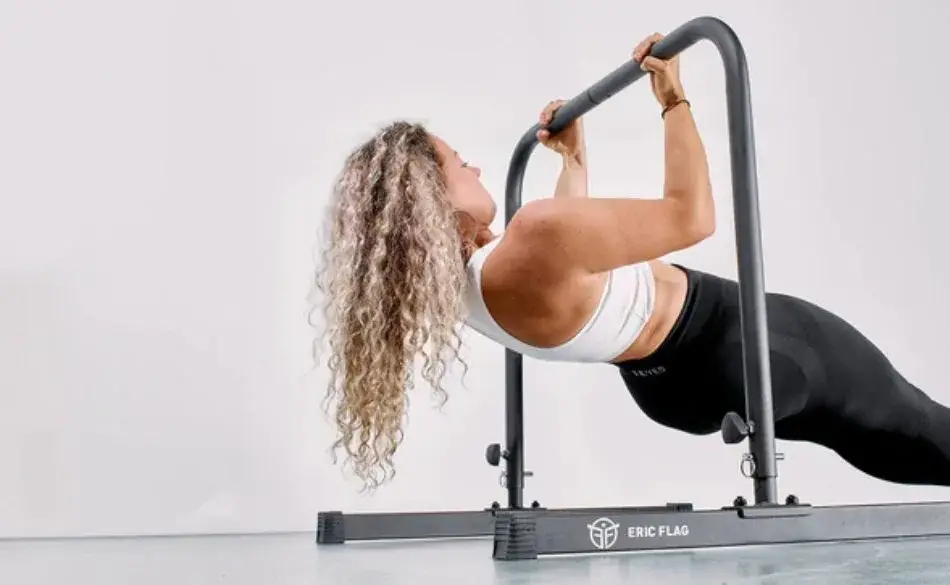
Start by finding a bar at waist height. This could be in the gym, at a park, or even a sturdy railing at home. Grip the bar slightly wider than shoulder-width with your palms facing down. Walk your feet forward so your body forms a straight line from head to heels. You should look like you’re leaning back under the bar at an angle.
From here, engage your core stability to prevent sagging at the hips. Think about pulling your shoulder blades together first – this scapular retraction primes your back muscles before the pull. Then, bend your elbows and pull your chest toward the bar while keeping your body rigid. Lower yourself back down slowly, fully extending your arms to finish each rep.
Here’s a helpful rhythm: pull with control, pause briefly at the top, then lower yourself twice as slowly. That eccentric phase builds serious functional strength and reinforces good technique.
I once coached an athlete who struggled with traditional pull ups for months. By focusing on Australian pull ups with perfect form, he not only built the pulling strength needed for strict pull ups but also corrected his rounded posture. Within six weeks, his back looked stronger, and his shoulders sat naturally straighter.
If you’re unsure whether your form is right, record yourself from the side. Ask: Is my body straight? Are my shoulders pulling back before my arms do the work? Answering these will help you refine your technique and avoid common mistakes.
Our Cycling Coaching Programs are designed to help you climb better, improve power, and reach your cycling goals—whether it's endurance training, time trials, or boosting your FTP.
- Customized weekly plans that adapt to your schedule and data
- Expert feedback on heart rate, power, and recovery
- Strength & mobility exercises to support performance and prevent injury
- Training delivered via TrainingPeaks for seamless tracking
- No lock-in contracts — flexible monthly membership
Ride smarter, train with support, and unlock your full cycling potential.
Start Cycling Coaching Today →Muscles Worked in the Australian Pull Up
The Australian pull up may look straightforward, but it activates more muscle groups than many people expect. Unlike some bodyweight exercises that isolate one area, this one recruits the upper back, arms, and core in unison.
The main muscle doing the heavy lifting is the latissimus dorsi. These wide back muscles extend down the sides of your torso, giving you that “V” shape when developed. They’re supported by the rhomboids, which pull your shoulder blades together, and the rear delts, which stabilize your shoulders through the movement. Together, these create strength that improves posture and pulling power.
Your biceps also play a role, but they’re secondary. Many beginners feel the biceps burn first, but when you focus on scapular retraction (pulling your shoulders back and down before bending your elbows) you’ll truly engage your back muscles.
The core stability required is often overlooked. Without a tight core, your hips sag and the exercise loses its power. By bracing your abs, you keep your body rigid, making the pull smoother and more effective. It’s this whole-body tension that makes the Australian pull up a functional strength builder rather than just a simple row.
Here’s a breakdown of the main muscles at work:
- Latissimus dorsi (lats) – drive the pull
- Rhomboids – retract the shoulder blades
- Rear delts – stabilize the shoulder joint
- Biceps – assist with elbow flexion
- Core muscles – keep the body aligned and tight
One of my athletes once relied heavily on pressing exercises like bench press and push-ups, which left his shoulders rounded forward. We added inverted rows (another name for the Australian pull up) three times a week. Within weeks, not only did his shoulder pain ease, but his posture noticeably improved, and his pulling strength caught up to his pressing ability.
The key takeaway: when you perform this movement, don’t think of it as just an arm exercise. Feel the entire back working, your core bracing, and your body moving as a single, strong unit.
For a clear breakdown of form cues and muscular benefits, this Healthline guide on inverted rows (another name for Australian pull-ups) is a reliable resource: Get expert-backed form tips and benefits here.
Many athletes also benefit from mixing bodyweight pulling movements with gym-based training. If you’d like to explore options beyond pull ups, there are several effective machines that can help build back strength safely and consistently. Check out our full guide to machines for back exercises here.


Benefits of the Australian Pull Up
The Australian pull up offers far more than most people expect. Once you learn the proper form, it quickly becomes one of the most useful bodyweight exercises you can add to your training.
One major benefit is how it builds real-world strength. You’re moving your whole body as a single unit, which develops control and tension that carries into other lifts and sports. It’s also far easier on the joints than vertical pull ups, making it a smart option if you want to protect your shoulders and elbows.
Another strength of the exercise is its flexibility. You can do it almost anywhere, on a bar at the gym, rings at home, or even a sturdy railing outside. This makes it one of the best tools for a home workout routine or outdoor calisthenics training.
Here are some of the most important benefits you’ll notice when performing Australian pull ups regularly:
- Improved posture thanks to stronger mid-back muscles and better scapular retraction.
- Balanced upper body strength by adding horizontal pulling to all your push-ups and presses.
- Stronger back muscles and biceps without the need for heavy weights.
- More functional strength for everyday movements like lifting, rowing, or climbing.
- A smooth progression toward strict pull ups through gradual, accessible training.
On top of these, the exercise challenges your core stability every rep. Keeping your body straight from head to heels makes your abs and lower back work just as hard as your arms and shoulders.
What I like most is how adaptable it is. Beginners can move their feet closer to the bar to make it easier, while advanced athletes can elevate their feet or use gymnastic rings for an unstable, harder variation.
If you sit or drive a lot and notice your shoulders rolling forward, this exercise can help pull them back into better alignment. Over time, you’ll also build grip strength that supports other lifts, from deadlifts to kettlebell rows.


Progressions and Variations of the Australian Pull Up
The beauty of the Australian pull up is how easily it adapts to your level. Beginners can get started with a light angle, while more advanced athletes can turn it into a real test of strength. Progression is the secret to long-term results.
If you’re just starting out, position your body more upright. The steeper the angle, the easier the exercise feels. As you get stronger, walk your feet forward and lower your body closer to the ground. This increases the load and forces your back muscles to work harder.
Once you’ve mastered the basics, there are many ways to make the exercise more challenging:
- Elevated feet – Place your heels on a box or bench so your body is parallel to the floor.
- Gymnastic rings – Add instability that lights up your core and improves grip strength.
- Tempo pulls – Slow down the lowering phase to build more functional strength.
- Weighted vest – Increase resistance once bodyweight feels too easy.
- Single-arm support – Keep one hand lightly resting on the bar to shift more load to one side.
For athletes I coach, progressions keep the exercise fresh and motivating. One athlete in particular struggled with shoulder stability. By using ring variations, he not only gained pulling strength but also corrected imbalances that had held him back in other lifts.
Another key variation is grip. Using an overhand grip emphasizes your lats and upper back, while an underhand grip brings your biceps into the spotlight. Switching between grips during a training cycle ensures balanced development.
Ask yourself: are you aiming for your first strict pull up, or just improving posture and overall strength? Your goal will shape which variation to use. If it’s strength endurance, focus on higher reps with controlled tempo. If it’s max strength, try weighted or elevated versions for lower reps.
You might also enjoy exploring creative, equipment-free ways to target your arms while you master these pull-up variations. If you’re looking for a fresh biceps routine that doesn’t require gear, check out the no-equipment biceps workout that actually works.

How to Plan Australian Pull Ups in Your Training
Once you understand the technique and variations, the next step is fitting the Australian pull up into your training plan. The good news is, this exercise is flexible enough for all levels.
For most people, two to three sessions per week is the sweet spot. That’s enough frequency to build strength and skill without overloading your joints or stalling progress.
Start with sets of 6–10 reps. Keep one or two reps in reserve so your form stays solid. When you can consistently hit four sets of 10 with control, make the angle harder or elevate your feet to progress.
Balance matters too. Pair horizontal pulling with push-ups or presses to keep your shoulders healthy and your upper body strength balanced. Small progressions, like slowing down the lowering phase or adding a set, go a long way.
Here’s a sample four-week plan you can follow:
👉 Swipe to view full table
| Week | Sets | Reps | Tempo | Rest | Focus | Progression Notes |
|---|---|---|---|---|---|---|
| 1 | 3 | 6–8 | 2 sec up / 2 sec down | 60–75 sec | Learn form, engage scapular retraction | Body more upright; easier angle for beginners |
| 2 | 3 | 8–10 | 2 sec up / 3 sec down | 60–90 sec | Build endurance and strengthen back muscles | Walk feet slightly forward to increase load |
| 3 | 4 | 8–10 | Controlled both ways | 75–90 sec | Higher volume, improve core stability | Add one more set; focus on body alignment |
| 4 | 4 | 6–8 | 2 sec up / 4 sec down | 90 sec | Slow tempo for functional strength | Optional feet elevation or light weighted vest |
Beginners should keep their body more upright and pause at the top of each rep. Intermediate athletes can drop the bar lower and slow the lowering phase to three seconds. Advanced lifters can use a weighted vest or gymnastic rings for more challenge.
Ask yourself what your main goal is: endurance, muscle growth, or pure strength? The version you choose should match the goal. Track your sessions, stay consistent, and you’ll see steady progress that carries over into every pulling movement you do.
Our Running Coaching Programs give you everything you need to improve performance, avoid injuries, and train with confidence. Every plan is built to match your goals and lifestyle.
- Tailored sessions that fit your current fitness level
- Expert adjustments to keep progress steady and safe
- Guidance on pacing, recovery, and fueling for better results
- Delivered via TrainingPeaks with simple, structured workouts
- No lock-in contracts — flexible monthly coaching
Take the next step in your running journey with expert coaching support.
Start Your Coaching Today →

Common Mistakes and How to Fix Them
Even though the Australian pull up is beginner-friendly, it’s still easy to fall into habits that reduce its benefits. The good news? Most mistakes have simple fixes once you know what to look for.
One common issue is letting your hips sag. When your body bends at the hips, you shift work away from the back muscles and into your lower spine. The fix is to keep your core braced. Imagine holding a plank while pulling . Tight abs, glutes engaged, and a straight line from head to heels.
Another mistake is pulling with just your arms. This turns the move into a weak bicep curl rather than a full bodyweight exercise. Focus on scapular retraction first: pull your shoulders back and down, then bend your elbows. This engages your latissimus dorsi and rhomboids, giving you the postural benefits the exercise is known for.
Rushed tempo is another pitfall. Dropping quickly on the way down cheats your muscles out of growth. Slow, controlled lowering builds functional strength and reduces injury risk. Try a two-second pull followed by a three-second descent.
Some lifters grip too narrow or too wide. A grip just wider than shoulder-width usually works best. Narrower grips overload the arms, while too wide strains the shoulders. If you want variety, change grip type instead. Overhand for lats, underhand for biceps, or neutral if you have access to rings.
Finally, many people stop short at the top or bottom. Always pull your chest close to the bar and extend your arms fully at the bottom. That full range ensures balanced development and prepares you for harder pulling work later.
Ask yourself: are your shoulders pulling back before your elbows bend? Is your body in a straight line? If you answer “yes” to both, you’re on the right track. Mastering these small details not only makes the Australian pull up more effective but also protects your body for years of training ahead.
If you’re looking to strengthen your upper back and shoulders even more, especially to protect against injury, there’s a smart exercise that helps reinforce posture and shoulder health. Especially useful for endurance athletes: check out the face pull exercise guide for endurance athletes.


Australian Pull Ups vs Traditional Pull Ups
The Australian pull up and the traditional pull up share a name, but they serve different purposes. Understanding the contrast helps you decide which to focus on in your training.
The biggest difference is the pulling angle. In a standard pull up, you’re pulling vertically. That means you’re lifting your full bodyweight, which requires significant strength from your latissimus dorsi, arms, and grip. In the Australian pull up, the pull is horizontal. You’re working against a portion of your bodyweight, making it a more beginner-friendly exercise.
This difference in load is why the Australian pull up is often called a pull up alternative. It allows you to practice pulling mechanics without the barrier of lifting your full body. Think of it as a bridge between bodyweight rows and strict pull ups.
Another contrast is joint stress. Traditional pull ups can be tough on the shoulders and elbows, especially for new lifters. The Australian version is easier on the joints thanks to its lower angle and controlled setup. That’s why I often program it for athletes recovering from nagging shoulder issues, it trains the same muscles but in a safer way.
Both moves target similar back muscles, but to different degrees. Pull ups place more demand on the lats and grip strength, while the Australian pull up emphasizes scapular retraction, rhomboids, and core stability. Together, they balance each other out, making them a powerful pairing in a calisthenics training plan.
Ask yourself: do you want to master vertical pulling strength or build a foundation first? If you can’t yet perform strict pull ups, the Australian pull up is your training partner. If you’re already knocking out sets of pull ups, including the Australian variation will still improve posture, pulling balance, and endurance.
Rather than choosing one over the other, smart athletes use both. The combination creates a blend of functional strength and muscle development that pays off in sports, lifting, and everyday movement.
Our Triathlon Coaching Programs provide the structure and support you need to balance swim, bike, and run. Every plan is built to manage intensity, recovery, and transitions so you perform at your best across all three disciplines.
- Custom-built triathlon plans tailored to your race goals
- Expert coaching on pacing, fueling, and recovery routines
- Transition-focused training to stay strong between disciplines
- Delivered via TrainingPeaks with feedback and easy tracking
- No contracts — flexible monthly coaching
Build endurance, sharpen transitions, and gain the confidence to race smarter with expert coaching.
Start Triathlon Coaching Today →

Why Every Athlete Should Add Australian Pull Ups
The Australian pull up isn’t just for beginners. It’s a tool every athlete can use, no matter their level. Why? Because it builds strength in ways that carry over to almost every sport and daily movement.
For starters, this exercise reinforces posture. In a world where most people sit too much, strong scapular retraction and balanced back muscles are more important than ever. Athletes who run, cycle, or swim all benefit from a stronger upper back that keeps shoulders aligned and breathing unrestricted.
It also fills the gap many training programs miss. Too often, athletes focus heavily on pressing (push-ups, bench press, overhead press). Without enough horizontal pulling, imbalances creep in. The Australian pull up restores that balance, keeping your shoulders healthy and your upper body performance well-rounded.
This move also develops grip and forearm strength, which helps in sports like rowing, climbing, or martial arts. And because it’s scalable, athletes can keep it in their program year-round. Beginners keep feet closer to the bar, while advanced athletes add weighted vests or unstable gymnastic rings for more challenge.
Here are some athlete-specific benefits to highlight:
- Runners – improve posture, reduce slouching, and strengthen the upper body for efficient arm drive.
- Cyclists – build mid-back strength to support long rides and relieve tension in the neck.
- Swimmers – enhance pulling power in strokes like freestyle and butterfly.
- Team-sport athletes – develop balanced strength for sprinting, tackling, and change of direction.
The key is consistency. You don’t need dozens of fancy variations. A simple bodyweight exercise done well, week after week, creates lasting results.
Think of it this way: the Australian pull up is like strength insurance. It protects your shoulders, improves performance, and prepares you for harder pulling exercises. That’s why every athlete, from beginner to elite, should make it a staple.
If you’re inspired to build stronger arms and want a guided plan to follow up your pull-up work, there’s a fun 30-Day Arms Challenge that brings structure and momentum to your training.